
Quick Summary: Everything you need to know about tea, from true teas (black, green, oolong, white) to herbal tisanes, and from basic brewing to creating your own blends. Covers tea types and their differences, how caffeine varies, loose leaf vs tea bags, brewing methods for different styles, and how to blend your own wellness teas. Written by a farmer who grows herbs, blends wellness teas, and sells at the St. Paul Farmers’ Market.
Jump to: Tea vs Tisanes | 6 Types of True Tea | Caffeine | Looseleaf vs bags | Brewing | Blending | Growing | Wellness Teas | | Iced Teas | FAQ
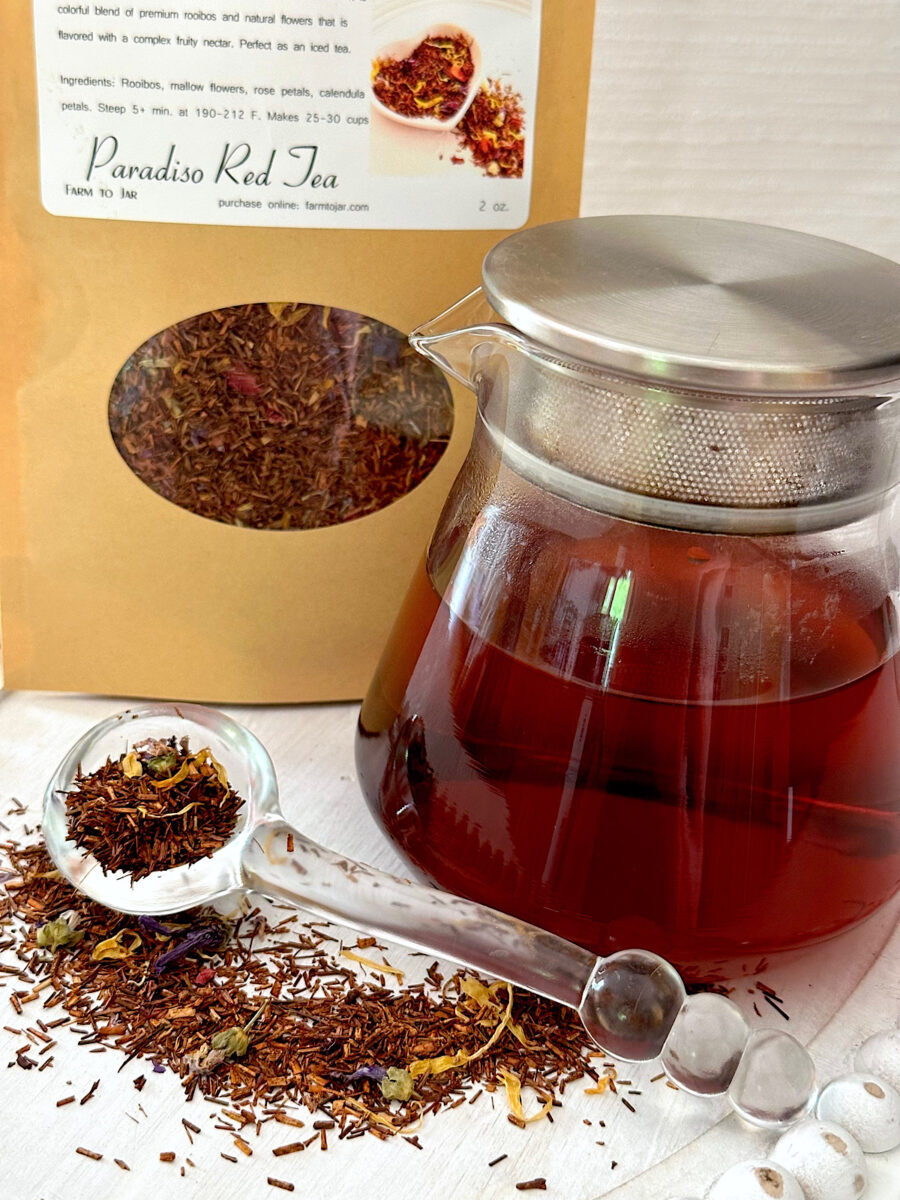
Tea is the most consumed beverage in the world after water, yet most people (especially in the US) know surprisingly little about it. What’s the difference between green and black tea? Why does some tea have more caffeine than others? Can you actually grow tea at home? And what about all those “herbal teas” that aren’t technically tea at all?
I came to tea through farming. At HeathGlen Farm, I grow the herbs that become my wellness tea blends, which I sell at the St. Paul Farmers’ Market. What started as a way to support some of my health issues, herbs became a deep dive into tea culture, blending techniques, and the science of why tea works the way it does.
I’ve been selling my teas and tisanes at the St. Paul Farmers’ market now since 2023 and am constantly learning about flavors and wellness attributes from research and the blending experiments I do on the farm (and also from my customers).
This guide covers what I’ve learned to-date: the difference between true tea and tisanes, how to brew for best flavor, choosing between loose leaf and tea bags, understanding caffeine, and creating your own blends.
Whether you’re a tea beginner or looking to deepen your knowledge, start here.
This post may contain affiliate links. As an Amazon Associate, I also earn from qualifying purchases. You can read our disclosure information here–
True Tea vs Herbal Tisanes: What’s the Difference?
True tea comes from one plant: Camellia sinensis. Black tea, green tea, white tea, oolong, and pu-erh are all made from leaves of this single species. The differences between them come from how the leaves are processed (oxidized) after harvesting.
Herbal teas, technically called tisanes, include a wide range of herbs or plants like chamomile, peppermint, rooibos, hibiscus, and countless flower blends. They’re called “tea” because we brew and drink them the same way, but they contain no actual tea leaves from the Camellia sinensis plant.
Why this matters:
- True tea contains caffeine (varying amounts depending on type and brewing)
- Tisanes are naturally caffeine-free (with a few exceptions like yerba mate)
- True tea has specific flavor compounds that tisanes lack (and vice versa)
- Brewing temperatures and times differ between true tea and most tisanes
Both have their place. I drink true tea when I want caffeine, energy and robust flavor. I drink tisanes when I want specific herbal wellness benefits or an evening cup without caffeine.

The Six Types of True Tea
All true tea comes from Camellia sinensis, but the way the leaves are processed creates dramatically different results.
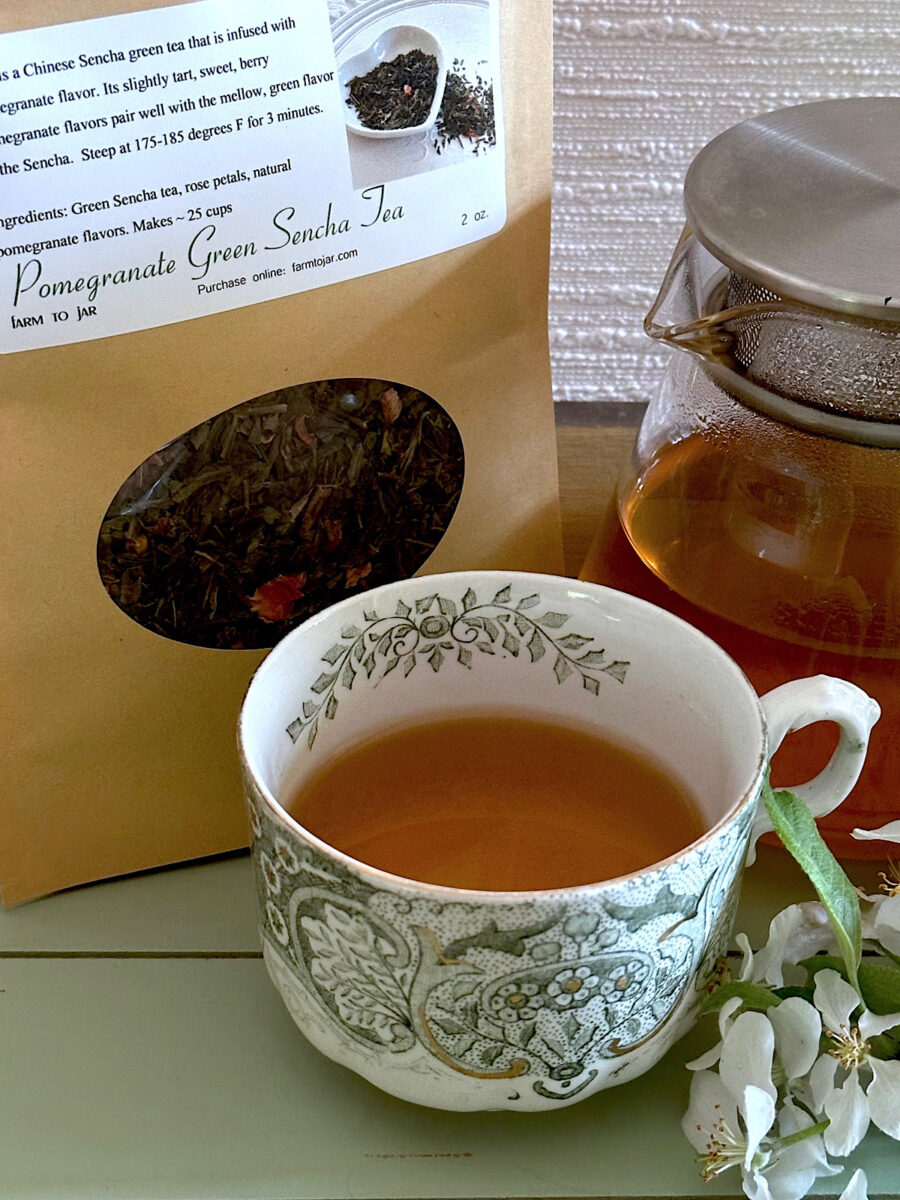
- White Tea The least processed. Young leaves and buds are simply dried. Delicate, subtle, slightly sweet. Lowest caffeine of the true teas. Brew at 160-185°F for 2-3 minutes.
- Green Tea Leaves are heated quickly after harvest to prevent oxidation. Vegetal, grassy, sometimes nutty. Moderate caffeine. Japanese green teas (sencha, matcha) differ from Chinese green teas (dragonwell, gunpowder) in processing and flavor. Brew at 160-180°F for 1-3 minutes.
- Oolong Tea Partially oxidized, falling between green and black tea. Can range from light and floral to dark and roasted depending on oxidation level. Complex, often fruity or honey-like. Moderate to high caffeine. Brew at 180-200°F for 2-4 minutes.
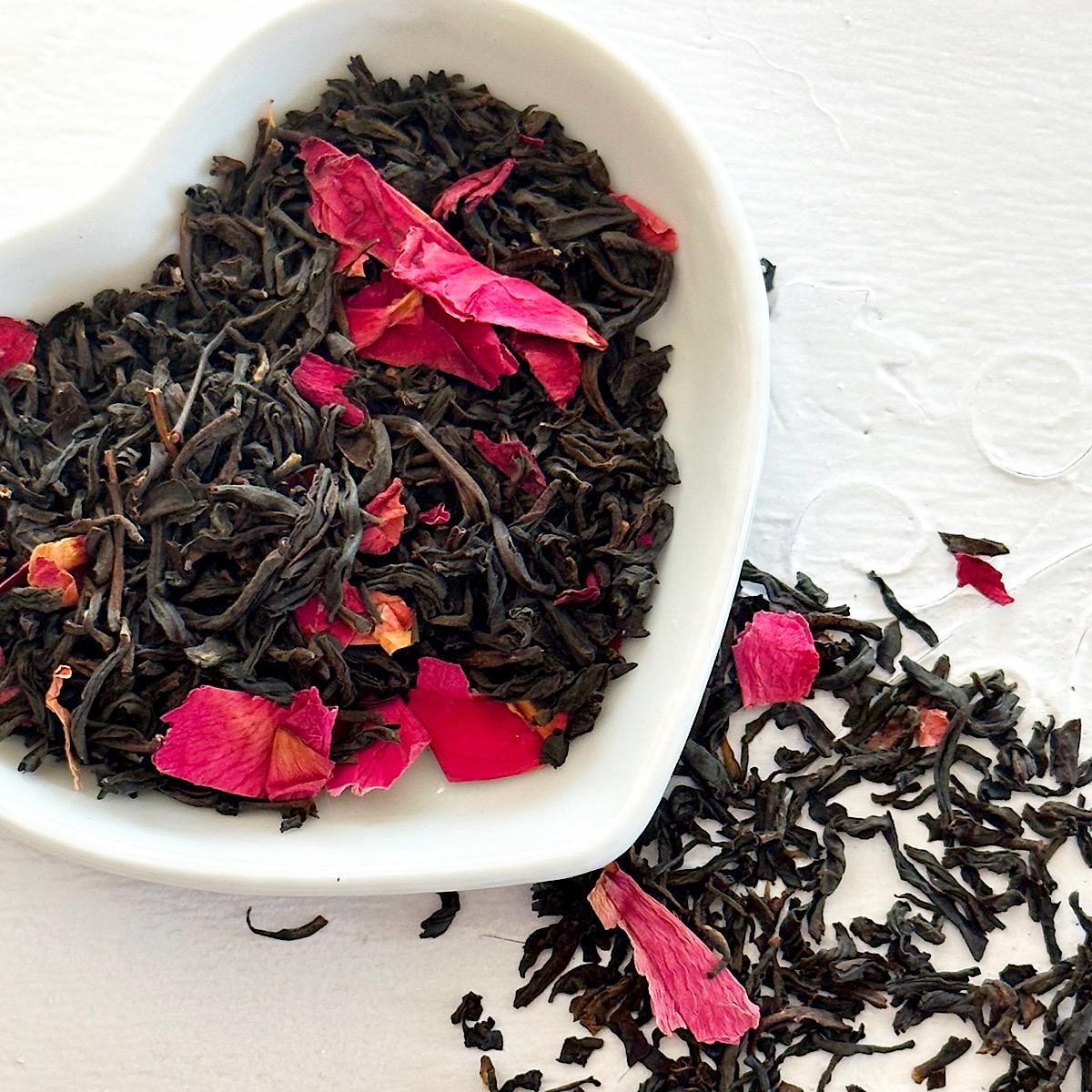
- Black Tea Fully oxidized. Bold, malty, sometimes astringent. The base for English Breakfast, Earl Grey, and most iced tea. Highest caffeine among common teas. Brew at 200-212°F for 3-5 minutes.
- Pu-erh Tea Fermented and aged, sometimes for years. Earthy, smooth, complex. An acquired taste but highly prized. Caffeine varies. Brew at 200-212°F for 3-5 minutes.
- Yellow Tea Rare. Similar to green tea but with an additional step that mellows the flavor. Smooth, sweet, less grassy than green tea. Moderate caffeine. Brew at 170-180°F for 2-3 minutes.
Understanding Caffeine in Tea
Caffeine content in tea depends on multiple factors, including tea type, brewing time, water temperature, and leaf size. General ranges per 8-ounce cup are as follows:
- White tea: 15-30 mg
- Green tea: 25-50 mg
- Oolong tea: 30-50 mg
- Black tea: 40-70 mg
- Coffee (for comparison): 95-200 mg
Common misconceptions:
The idea that white tea always has less caffeine than black tea is oversimplified. A strongly brewed white tea can have more caffeine than a lightly brewed black tea. Brewing time and temperature matter as much as tea type.
Tea bags release caffeine faster than loose leaf because the smaller particles have more surface area. The total caffeine is similar, but tea bags deliver it more quickly.
For caffeine-sensitive drinkers:
Brew at lower temperatures and shorter times to reduce caffeine extraction. Or choose herbal tisanes, which are naturally caffeine-free. Here is a detailed guide to caffeine in tea.

Loose Leaf vs Tea Bags
Both have their place. The choice depends on your priorities.
Loose leaf advantages:
- Higher quality leaves (usually whole or large pieces)
- More complex flavor
- Better value per cup for premium teas
- Can resteep multiple times
- More control over strength
Tea bag advantages:
- Convenience and speed
- Consistent strength
- Portable
- No equipment needed
- Faster caffeine release
The quality gap of the tea itself is narrowing, as premium tea bags now contain whole-leaf tea in pyramid sachets. The current issue with tea bags is around unfolding evidence of microplastics in the bags, not the quality of the leaves.
For everyday drinking, quality tea bags are perfectly fine. For tea you want to savor and resteep, loose leaf is worth the extra effort.
Here is a detailed guide with information on Loose Leaf Tea vs Tea Bags.
How to Brew Tea Properly
Good tea poorly brewed tastes worse than mediocre tea well brewed. Here are the basics for brewing a quality cup of tea:
- Water quality: Use filtered water if your tap water has strong flavors. Hard water can make tea taste flat.
- Temperature: Boiling water scorches delicate green and white teas, creating bitterness. Use cooler water (160-180°F) for these. Black tea and most herbal tisanes can handle boiling or near-boiling water.
- Timing: Steeping tea for too long creates bitterness from tannin extraction. Set a timer, especially when you’re learning a new tea. Most teas are best steeped between 2-5 minutes.
General guidelines:
- White/Green tea: 160-180°F, 2-3 minutes
- Oolong: 180-200°F, 2-4 minutes
- Black tea: 200-212°F, 3-5 minutes
- Herbal tisanes: 200-212°F, 5-7 minutes (most can steep longer without bitterness)
Resteeping:
Quality loose leaf tea can be steeped multiple times. Each steeping reveals different flavors, but are generally milder and less caffeinated than the first steep. Oolongs and pu-erh are especially good for multiple infusions.

Popular Tea Drinks and Preparations
- Hot tea is the foundation, but tea appears in many forms.
- Iced tea: Brew hot and chill, or cold brew overnight for smoother flavor. Southern sweet tea requires dissolving sugar while hot. Here are two guides that are useful when making iced tea: How to Make Big Batch Iced Tea | How to Make Southern Sweet Tea
- Tea lattes are teas that are brewed strong and then topped with steamed milk. The London Fog (Earl Grey with vanilla and steamed milk) is probably the most popular. Here is how to make a latte with Earl Grey, called A London Fog
- Chai: This is Indian spiced tea, traditionally black tea simmered with milk and warming spices (cardamom, cinnamon, ginger, cloves). Here is a guide to 10 Ways to Use Chai, which includes making chai tea.
- Matcha is a powdered Japanese green tea whisked with water. It provides the whole leaf’s nutrients rather than just an infusion.
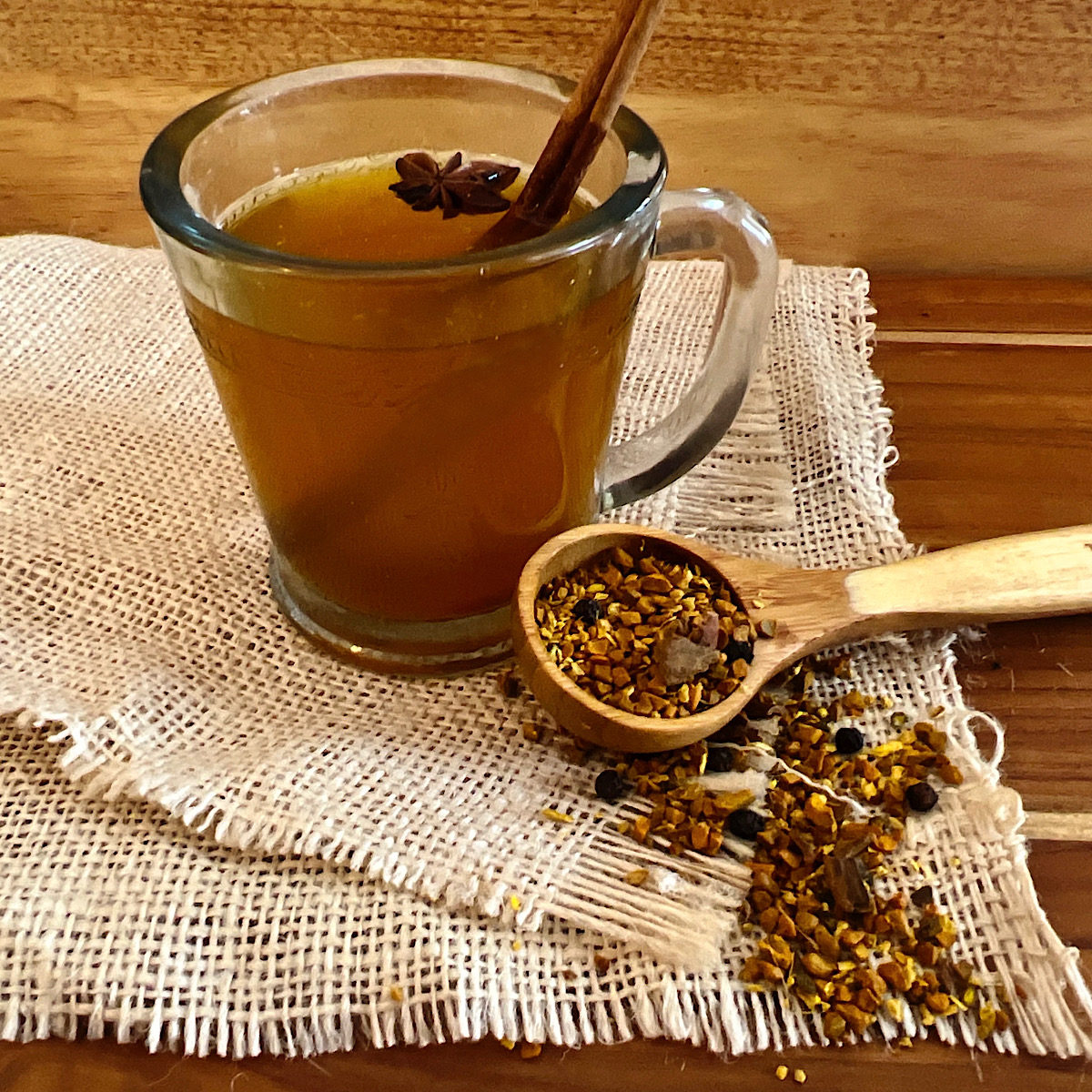
- Golden milk/Turmeric tea: This is not a true tea, but a warming beverage of turmeric, ginger, black pepper, and milk or water. It has a lot of anti-inflammatory properties and has become very popular for it’s health benefits. If you want to make your own, check out this post for a recipe to make Golden Milk Turmeric Tea. To explore turmeric and turmeric teas even further, see these recipes for 13 Different Turmeric Tea Blends (designed to make turmeric taste better).
Herbal Tisanes: Caffeine-Free Alternatives
Tisanes offer flavor and functional benefits without caffeine. Some popular categories:
- Mint family: Peppermint, spearmint. Cooling, digestive. Good after meals.
- Floral: Chamomile (calming), lavender (relaxing), hibiscus (tart, vitamin C), rose.
- Roots and spices: Ginger (warming, digestive), turmeric (anti-inflammatory), licorice root (naturally sweet), cinnamon.
- Fruits: Dried apple, citrus peel, berries. Often blended with other ingredients for sweetness.
- Rooibos: South African “red bush.” Naturally sweet, caffeine-free, works as a base for flavored blends.
- Functional blends: Combinations designed for specific purposes: sleep, digestion, immunity, energy (without caffeine).
At HeathGlen Farm, I blend tisanes from herbs I grow: chamomile, lavender, lemon balm, mint, calendula, and more. If you want to grow your own herbs for blending tea, check out this guide to Growing Herbs for Homemade Teas.
Blending Your Own Teas
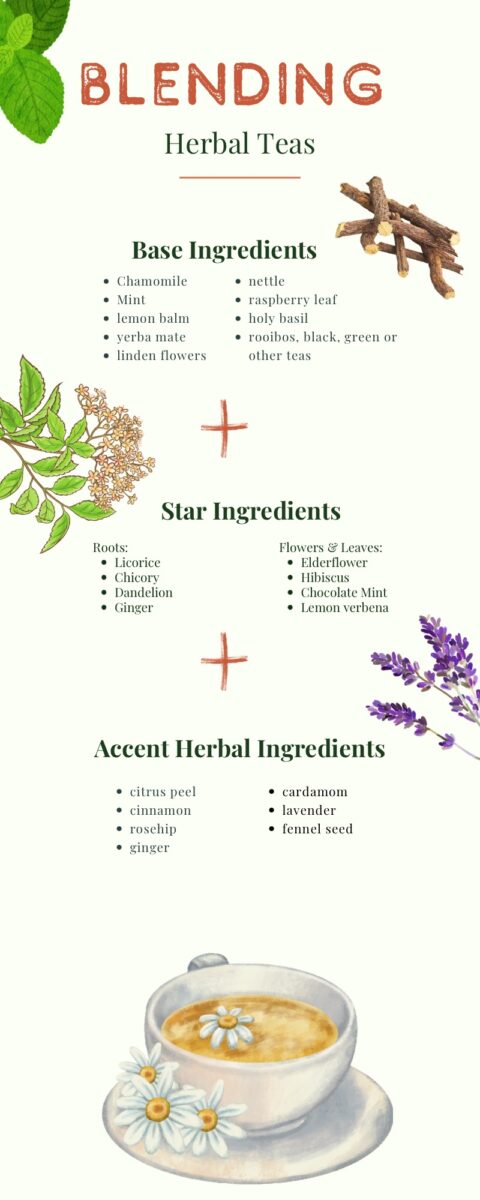
Creating custom blends is simpler than it seems. Start with a base, add complementary flavors, and adjust to taste.
Bases:
- Black tea: Bold, stands up to strong flavors
- Green tea: Lighter, works with delicate additions
- Rooibos: Naturally sweet, caffeine-free base
- Chamomile: Mild, floral, good for calming blends
Complementary ingredients:
- Dried fruits: Apple, citrus peel, berries
- Flowers: Lavender, rose petals, calendula, hibiscus
- Herbs: Mint, lemon balm, lemongrass
- Spices: Cinnamon, ginger, cardamom, cloves
- Flavorings: Vanilla bean, cocoa nibs
Blending principles:
- Start with 70-80% base, 20-30% additions
- Combine no more than 4-5 ingredients until you’re experienced
- Balance strong flavors (hibiscus, mint) with milder ones
- Test in small batches before making large quantities
- Let blends rest a few days for flavors to meld
Here is a detailed Guide to Blending Your Own Herbal Teas. The guide is a comprehensive “how-to” for homemade blends.
Growing Tea and Tisanes at Home
True tea (Camellia sinensis):
Yes, you can grow it. The plant is a hardy evergreen shrub that survives in zones 7-9 (and can be container-grown elsewhere). It takes 3-5 years before leaves are ready for harvest, and processing your own tea is labor-intensive. But it’s possible and rewarding for dedicated tea lovers.
If you want to try your hand at growing a true tea in your garden, check out this guide on How to Grow Tea Plants at Home?
Growing Herbs for tisanes:
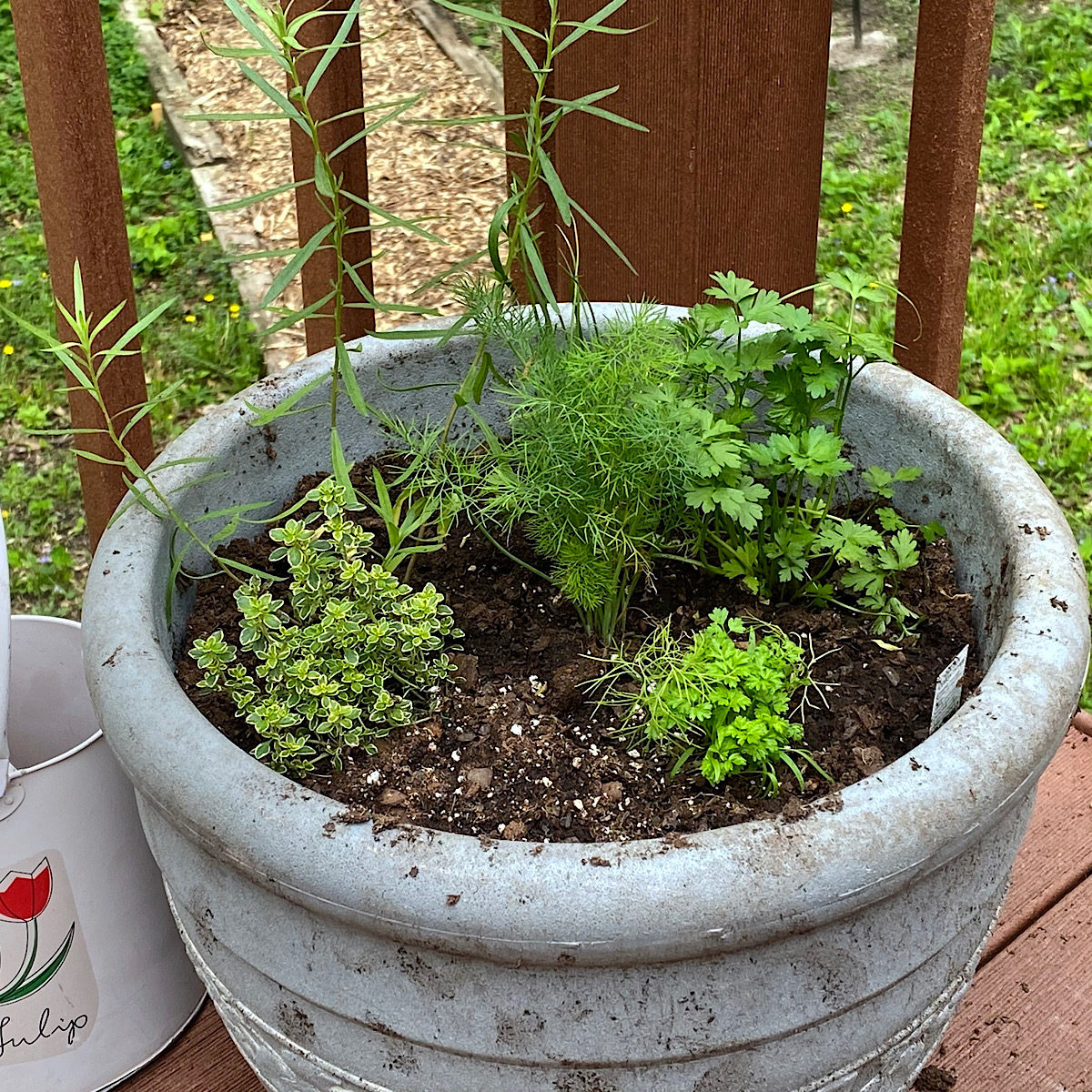
Tisanes are much easier. Most culinary and tea herbs grow well in gardens or containers:
- Chamomile (annual, easy from seed)
- Mint (perennial, spreads aggressively, best in containers)
- Lemon balm (perennial, easy)
- Lavender (perennial, needs good drainage)
- Calendula (annual, easy from seed)
Harvest herbs at peak flavor (usually just before flowering), dry thoroughly, and store in airtight containers away from light.
I have many articles and guides you can explore around growing herbs, whether in the garden, or on a balcony or in containers.
Guides for Blending and Understanding Wellness Teas
I started blending herbal teas to support some of my personal health issues. These initial blending experiments evolved into a full line of wellness teas that I sell at the St. Paul Farmers’ Market. I have developed online guides on blending your own, as well as documenting the evidence behind the specific wellness herbs used in the blends.
Here are the guides for the 8 categories of wellness teas and tisanes that I have researched and blended:
- Teas and Tisanes for Sleep
- Teas/Tisanes for Anxiety
- Teas/Tisanes for Skin Health
- Teas/Tisanes for Joint Pain
- Teas/Tisanes for Metabolism Support (i.e., Weight Loss)
- Teas/Tisanes for Women’s Hormonal Health
- Teas/Tisanes for Energy
- Teas/Tisanes for Digestive Health (bloating, constipation, SIBO, IBS, etc.)
Iced Teas
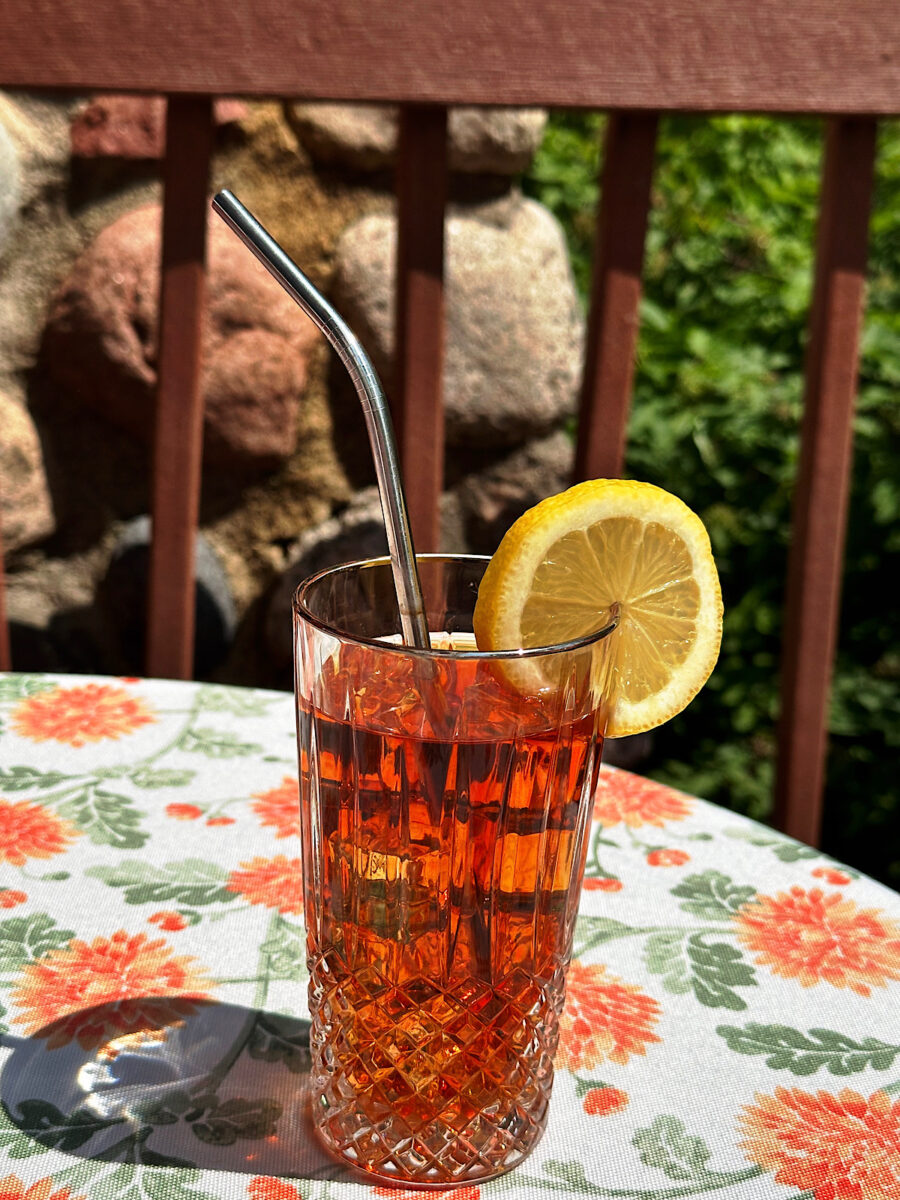
While I specialize in wellness teas that are most often consumed as hot teas, I know that 80% of Americans prefer iced tea. Here are some guides for homemade iced teas that will help avoid the commercial teas that are often quite sugary or highly processed:
- How to Make Big Batch Iced Tea (cold brew or hot brew method)
- How to make authentic Southern Sweet Iced Tea
- Fruit-infused iced teas (plus strawberry-mint-green tea recipe)
Frequently Asked Questions
All true teas contain antioxidants and have health benefits. Green tea gets the most attention for EGCG content, but black and oolong teas have benefits too. For specific functions (sleep, digestion, inflammation), herbal tisanes may be more targeted. The healthiest tea is the one you’ll actually drink regularly.
Tea has roughly 40-70 mg of caffeine per cup depending on type; coffee has 95-200 mg. Tea’s caffeine also releases more gradually due to L-theanine, creating alertness without jitters.
Yes, but it also makes it more bitter. Longer steeping extracts more tannins, which create astringency. For stronger tea without bitterness, use more tea leaves rather than steeping longer.
English Breakfast (black tea blend) is approachable and versatile. For caffeine-free, peppermint or chamomile are familiar and forgiving. Earl Grey introduces flavored tea without being complicated.
In airtight containers away from light, heat, moisture, and strong odors. Tea absorbs smells easily. Properly stored, most tea stays fresh 6-12 months. Don’t refrigerate or freeze.
Yes. Choose herbal tisanes (naturally caffeine-free) or brew true tea at lower temperatures and shorter times to reduce caffeine extraction. Decaffeinated teas are also available, though the decaffeination process affects flavor.
Here is more detailed information on the teas and tisanes of HeathGlen’s teas sold at farmers’ markets. For guides on growing and blending herbal teas, check out this category.