Quick Summary: Certain herbal teas (tisanes) have genuine calming effects that can help you wind down before bed. Here’s what the research shows and how to build a tea routine that actually improves your sleep.
Jump to: Evidence-Based Sleep Teas | What to Avoid | Sleep Routine | How to Use Effectively | DIY Blends | Growing the Herbs | Commercial Recommendations | FAQ
Something about turning 40 broke my sleep. I could fall asleep fine, but I’d wake at 3-4 a.m. with my mind racing. For years I tried every sleep remedy I could find, including breath work, cognitive shuffling, eye masks, cold rooms, etc. They all helped for a while, until they didn’t. One thing that remained constant was building an evening tea ritual.
This makes sense when you consider that certain herbs have been used for thousands of years to promote relaxation, and usually it is some form of anxiety that is causing the sleep problem.
The ritual itself, the warmth of the cup, the quiet time before bed, signals to your body that the day is ending. And some herbs contain compounds that genuinely affect the nervous system. Note that I also used tea to replace my evening glass(es) of wine.
Not all “sleepy time” teas are equal however. Some herbs have solid research behind them; others are mostly tradition and marketing. I sell tea blends at the farmers market and grow many of these herbs myself, and over the years I’ve learned what works, what doesn’t, and how to use them effectively.
The Herbs with the Best Evidence
These five herbs have the most research supporting their use for sleep and relaxation:
Chamomile
Chamomile is the classic her associated with sleep. It contains apigenin, a flavonoid that binds to receptors in the brain associated with reducing anxiety and inducing sleepiness. A review of 12 studies found chamomile safely improved sleep quality, though it didn’t cure insomnia outright. It’s also an antispasmodic that helps with digestion, which matters if you eat late and have trouble settling down.
Valerian Root
Often called “nature’s sedative,” valerian has been used since Roman times for sleep and anxiety. Research shows it can reduce the time it takes to fall asleep and improve sleep quality. The mechanism involves increasing GABA, a neurotransmitter that calms the nervous system. Valerian has a strong, earthy taste that some find unpleasant, so it’s often blended with milder herbs.
Lavender
Better known for aromatherapy, lavender also works as a tea. Studies show it can reduce anxiety and improve sleep quality. One study found that people who drank lavender tea reported feeling less fatigued. The floral flavor is strong, so a little goes a long way.
Passionflower
Research suggests passionflower increases GABA levels in the brain, creating a calming effect. One study found that drinking passionflower tea daily for a week significantly improved subjective sleep quality. It has a mild, slightly grassy flavor that blends well with other herbs.
Lemon Balm
A member of the mint family, lemon balm has mild sedative effects and may help ease insomnia. Herbalists also use it for depression and anxiety. It has a pleasant lemony flavor that makes it one of the most palatable sleep herbs.
Other Herbs Used for Sleep
These are commonly found in sleep blends but have less research:
- Magnolia bark: Used in traditional Chinese medicine for anxiety and sleep. Some studies suggest it can reduce cortisol and promote relaxation.
- Ashwagandha: An adaptogen that helps the body manage stress. May improve sleep by reducing anxiety, though more research is needed on long-term safety.
- Tulsi (Holy Basil): Another adaptogen with calming properties. Often used in Ayurvedic medicine for stress and sleep.
- Hops: Yes, the same hops used in beer. Has mild sedative properties and is sometimes combined with valerian.
- Sage: May reduce night sweats and feelings of fatigue, making it useful for menopausal sleep disruption.
What About Rooibos and Honeybush?
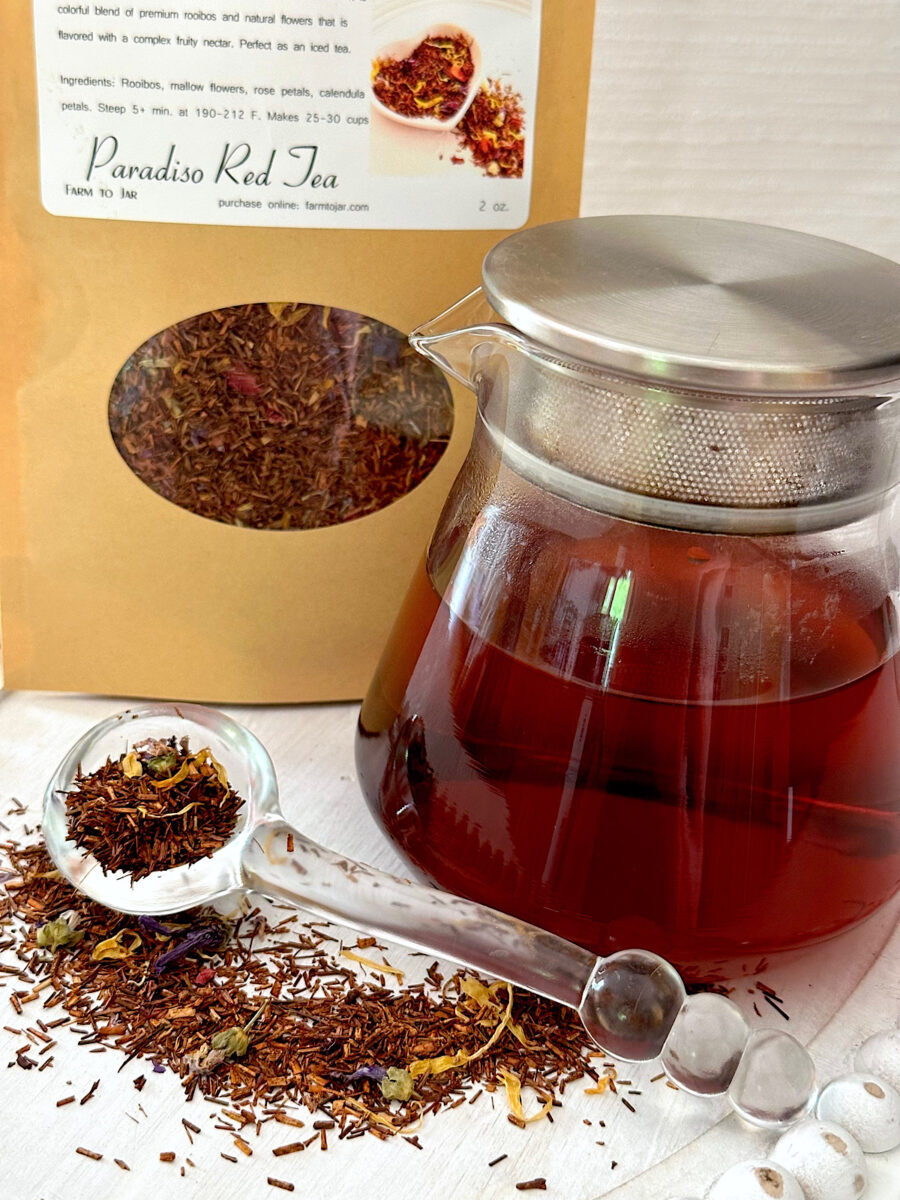
Rooibos and honeybush are often included in “bedtime” blends because they’re caffeine-free, not because they have sedative properties. They won’t make you sleepy, but they won’t keep you awake either.
If you like the flavor of rooibos or honeybush, they make excellent bases for sleep blends when combined with genuinely calming herbs like chamomile or lavender.
If you are not familiar with rooibos or red teas, check out this detailed guide on rooibos, including how to brew, flavor profile, and beneficial uses.
Herbs and Teas to Avoid Before Bed
- Peppermint: Relaxing to the digestive system but mentally stimulating. Not ideal right before sleep.
- Ginger: Energizing and warming. Better for morning or afternoon.
- Yerba mate: Contains caffeine. Definitely not a bedtime tea.
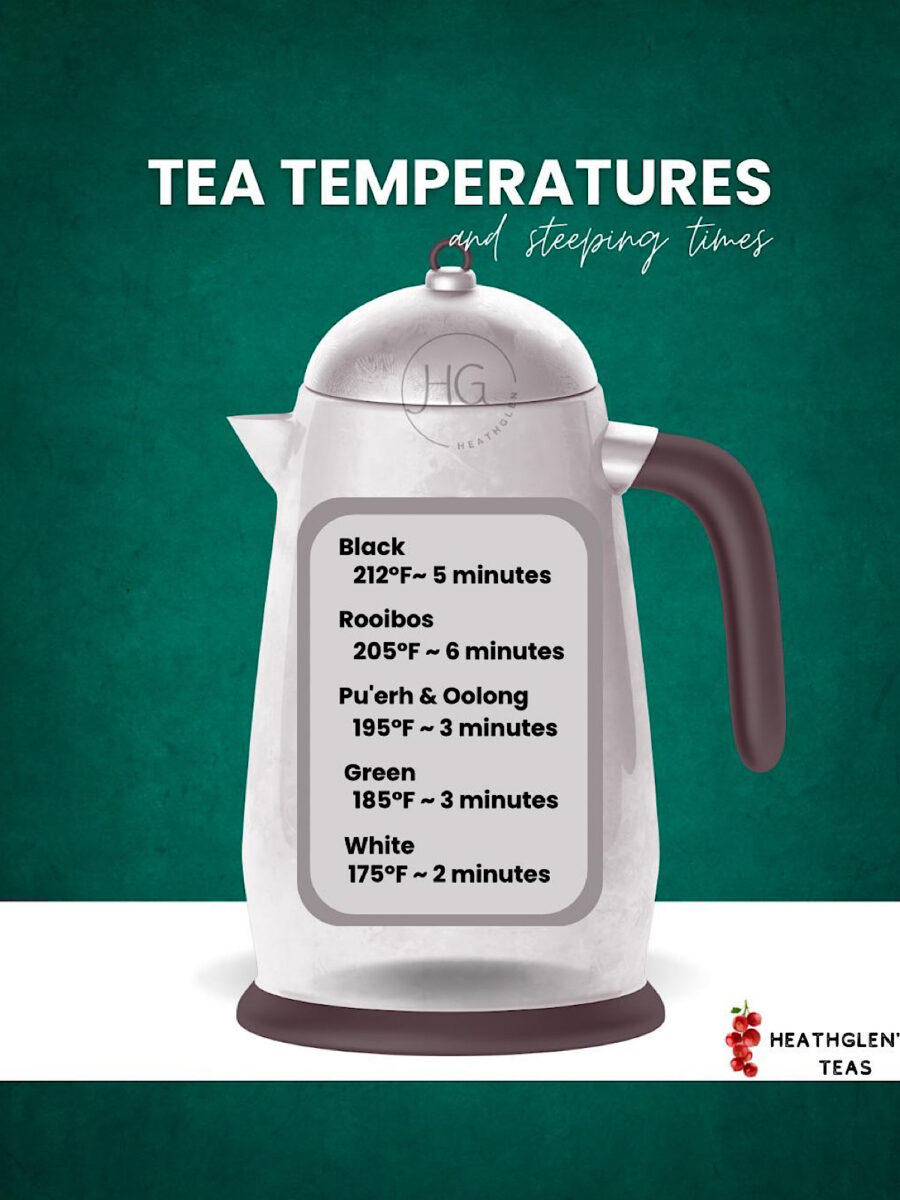
- Black Teas: These contain the most caffeine and are definitely to be avoided
- Green tea and White Tea: Even low-caffeine green tea contains some caffeine and L-theanine, which promotes alert relaxation rather than sleepiness.
Does Tea for Sleep Actually Work?
It helps, but it’s not a knockout drug. I found that it worked well for me as a replacement of my evening wine.
Sleep teas work best as part of a broader wind-down routine. The warmth of the cup, the ritual of preparation, the quiet time away from screens, all of these signal to your body that sleep is coming. The herbs add a genuine but modest pharmacological effect on top of that ritual.
Studies on chamomile, valerian, and passionflower typically show improvements in sleep quality rather than dramatic changes. People fall asleep a bit faster, sleep a bit more soundly, and wake feeling more rested. These are meaningful benefits, but they’re not the same as taking a sleeping pill.
Tea works best for:
- Stress-related sleep problems
- Building a calming bedtime routine
- Reducing caffeine intake in the evening
- Replacing alcohol as an evening habit
Tea may not be enough for:
- Chronic insomnia
- Sleep disorders like sleep apnea
- Strong anxiety or depression
If you have persistent sleep problems, see a doctor. Tea is a complement to good sleep habits, not a replacement for medical care.
How to Use Sleep Tea Effectively
Timing:
- Drink your tea 1-2 hours before bed, not right at bedtime. This gives the herbs time to work and reduces the chance you’ll wake up to use the bathroom.
- Consistency matters more than potency. Most studies that showed benefits had participants drink tea nightly for at least a week. The effects build over time. Don’t expect miracles from one cup.
- I have read that you need to drink a wellness tea 3 times a day for it to show its full potential or benefit. That information is anecdotal, but I recommend it based on my own experience.
Steeping:
Herbal teas need longer steeping than black or green tea:
- Chamomile: 5-10 minutes
- Valerian: 10-15 minutes
- Passionflower: 10 minutes
- Lavender: 5-7 minutes
Make it a ritual
Pair your tea with other calming activities: reading, journaling, stretching, meditation. Avoid screens during this time. The ritual signals to your body that the day is ending.
Use loose tea when possible
Commercial tea bags often contain lower-quality herbs and less potent plant material. Loose tea from a reputable source will be more effective.
Creating Your Own Sleep Blend
If you have access to dried herbs, making your own blend lets you customize for your taste and needs.
Basic sleep blend:
- 2 parts chamomile (base, mild flavor)
- 1 part lavender (calming, floral)
- 1 part lemon balm (pleasant taste, mild sedative)
Stronger blend for deeper relaxation:
- 2 parts chamomile
- 1 part valerian root (earthy, potent)
- 1 part passionflower
- 1/2 part lavender
Digestive-calming blend (good if you eat late):
- 2 parts chamomile
- 1 part lemon balm
- 1/2 part fennel seed
Winter warming blend:
- 2 parts rooibos (caffeine-free base)
- 1 part chamomile
- 1/2 part cinnamon pieces
- 1/4 part lavender
Mix herbs in a jar and use 1-2 teaspoons per cup. Steep in just-boiled water for 10 minutes.
Growing Your Own Sleep Herbs
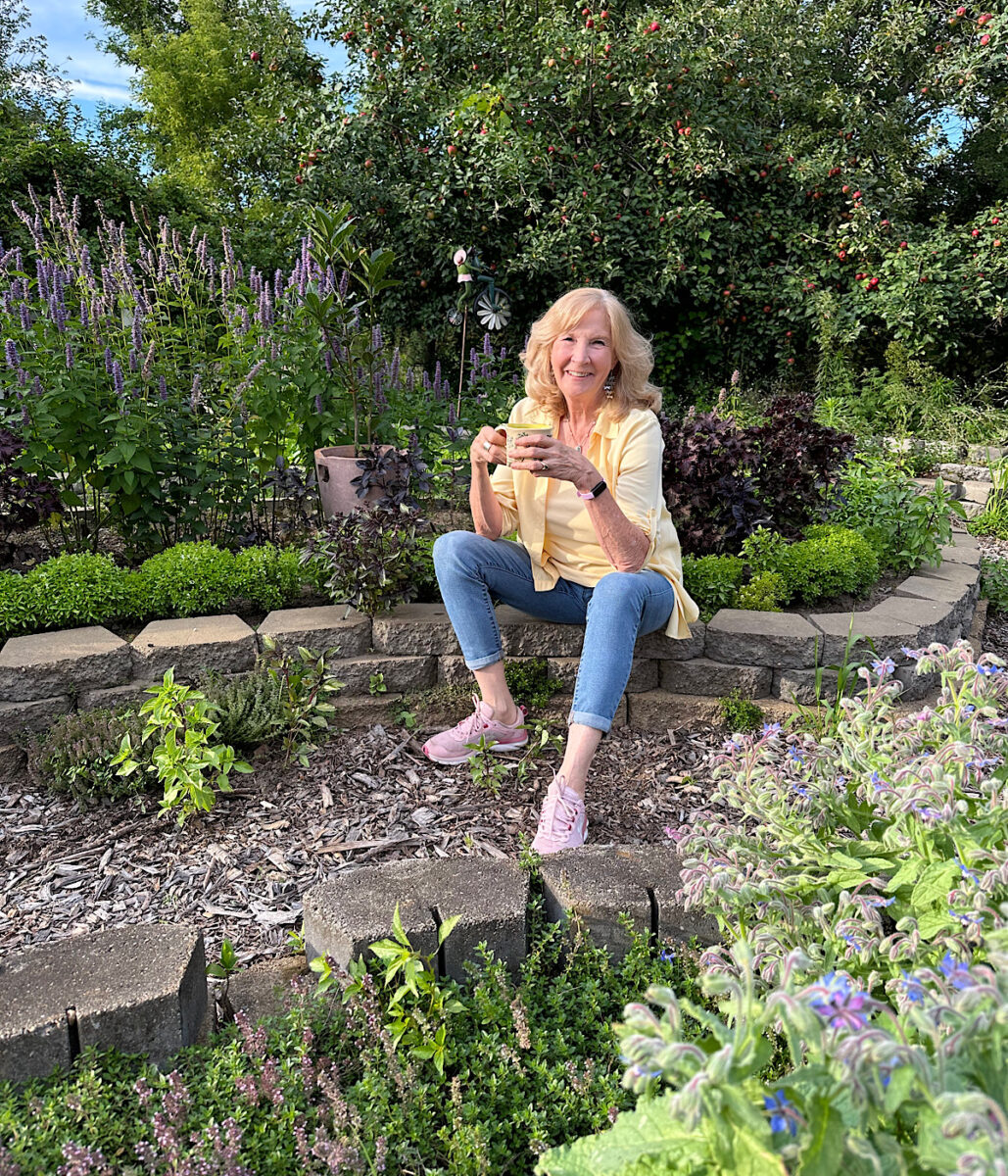
Most of the best sleep herbs are easy to grow at home: Growing your own means you know exactly what’s in your tea, and dried homegrown herbs are often more potent than what you’d buy in a store.
Check out this guide to growing the 10 best herbs for tea, If you do grow your own herbs, this guide on blending your own herbal teas is also quite helpful.
Commercial Sleep Tea Blends
If you prefer to buy rather than blend, look for teas that list chamomile, valerian, passionflower, or lavender as primary ingredients, not just flavoring. Common brands that are sold as tea bags include:
- Traditional Medicinals Nighty Night
- Yogi Bedtime
- Celestial Seasonings Sleepytime
A few of my favorite brands for looseleaf tea with sleep emphasis include:
- Full Leaf Tea Co
- Harney & Sons
- The Art of Tea
- HeathGlen Farm Honeybush Tea (this is my brand, but it is only sold at the St. Paul Farmers’ Market)
Read ingredient lists. Many commercial blends use a chamomile base with small amounts of other herbs. This is fine, but you’ll get more potent effects from blends with meaningful quantities of multiple sleep herbs.
FAQ
1-2 hours before bed. This gives the herbs time to work and reduces nighttime bathroom trips.
Unlike some sleep medications, herbal teas shouldn’t cause morning grogginess. Valerian occasionally causes next-day drowsiness in some people; if this happens, reduce the amount or switch to milder herbs.
Some herbs can interact with sedatives, antidepressants, and other medications. If you’re on prescription medications, check with your doctor before adding sleep herbs to your routine.
Warm milk contains tryptophan, which may have mild sleep-promoting effects, but the amounts are small. The ritual of a warm drink before bed matters more than the specific beverage. Choose what you enjoy and will use consistently.
Yes. Honey has its own mild calming properties and makes some bitter herbs more palatable.
Chamomile is generally considered safe for children. Other herbs like valerian are less studied in children. Consult your pediatrician.
Yes, for most people. Chamomile, lavender, and lemon balm are safe for daily use. Valerian may be better used for shorter periods (a few weeks at a time), though research on long-term use is limited.
References and Further Reading:
- Chamomile for sleep quality: Chang SM, Chen CH. “Effects of an intervention with drinking chamomile tea on sleep quality and depression in sleep disturbed postnatal women.” Journal of Advanced Nursing, 2016.
- Valerian for sleep disorders: Bent S, et al. “Valerian for sleep: A systematic review and meta-analysis.” American Journal of Medicine, 2006.
- Passionflower for sleep: Ngan A, Conduit R. “A double-blind, placebo-controlled investigation of the effects of Passiflora incarnata (passionflower) herbal tea on subjective sleep quality.” Phytotherapy Research, 2011.
- Lavender and the nervous system: Koulivand PH, et al. “Lavender and the nervous system.” Evidence-Based Complementary and Alternative Medicine, 2013.
If you want to explore the world of teas and tisanes, check out this Complete Guide to Teas. It includes information on how to grow a tea garden, types of tea, brewing times and temp., recipes for blends, caffeine amounts, and much more.