
Quick Summary: Chamoy is a Mexican condiment that’s sweet, sour, salty, and spicy all at once. This homemade version uses dried mango and ancho chile for a fruity, mildly spiced sauce that’s fresher and less artificial than anything from a bottle. Prep: 10 min | Cook: 30 min | Makes: about 2 cups
Jump to: RECIPE | What is Chamoy | Ingredients | How to Make | Ways to Use Chamoy | More Mexican condiments | FAQ
What is Chamoy?
Chamoy (pronounced cha-MOY) is one of Mexico’s most beloved condiments. It manages to bring out all four flavors at once: sweet from fruit, sour from lime and the tart hibiscus, salty from salt, and spicy from chile. The result is intensely flavorful in a way that’s hard to describe until you’ve tried it.
The sauce is made from dried stone fruits (apricot, plum, or mango), dried hibiscus flowers, chile powder, lime juice, sugar, and salt. It originated as a way to preserve fruit and evolved into the bright red-orange sauce you’ll find drizzled over fruit cups and mangonadas throughout Mexico.
If you’ve ever had Tajín (chile lime salt), you’ve had chamoy’s simpler cousin. The two are often used together, with chamoy providing the sticky, fruity sweetness and Tajín adding dry, tangy heat. For homemade Tajín, see my post on chile lime salt.
Store-bought chamoy works in a pinch, but most brands contain high-fructose corn syrup, artificial colors, and preservatives. Homemade chamoy uses real fruit and tastes noticeably better.
Key Ingredients
- Dried mango: Most chamoy recipes use dried apricots or a mix of stone fruits. I prefer dried mango for a more tropical flavor that pairs especially well with fresh mango in fruit cups and chamoyadas. Use unsweetened dried mango if you can find it; sweetened works but you may want to reduce the sugar.
- Dried hibiscus flowers (flor de Jamaica): These provide chamoy’s signature tartness and deep red color. Find them in the Mexican section of most grocery stores or at Mexican markets. In a pinch, substitute ¼ cup dried cranberries plus 2 tablespoons cranberry juice.
- Ancho chile: Ancho is a dried poblano pepper with a mild, fruity heat and deep raisin-like flavor. It gives chamoy complexity without overwhelming spice. For more heat, add 1-2 chiles de árbol. For less heat, use only half an ancho.
- Piloncillo or brown sugar: Piloncillo (unrefined cane sugar) adds molasses depth, but brown sugar works fine.
- Lime juice: Fresh lime juice brightens everything. Don’t skip it.
- Salt: Chamoy should be noticeably salty. It balances the sweetness and makes the sauce more addictive.
How to Make Chamoy
The process is simple: simmer the dried fruit, hibiscus, and chile in water until soft, then blend until smooth. The sauce thickens as it cools. Here is a summary of the steps, with detailed directions and ingredients in the recipe below:
- Step 1: Stem and seed the ancho chile. Tear it into pieces.
- Step 2: Combine dried mango, hibiscus flowers, ancho chile pieces, sugar, salt, and water in a medium saucepan. Bring to a boil, then reduce heat and simmer for 25-30 minutes, until the fruit is very soft and the liquid has reduced slightly.
- Step 3: Remove from heat and let cool for 10 minutes.
- Step 4: Transfer everything (liquid included) to a blender. Add lime juice. Blend on high until completely smooth, about 1 minute.
- Step 5: Taste and adjust. Add more sugar if too tart, more lime if too sweet, more salt if it tastes flat.
- Step 6: Transfer to a clean jar. The sauce will thicken as it cools. If it’s too thick, thin with a little water. If too thin, simmer longer next time or reduce it in a pan.
Store refrigerated for up to 3 weeks, or freeze in ice cube trays for up to 3 months.
Ways to Use Chamoy
Chamoy is extremely versatile. Once you have a jar in the fridge, you’ll find many ways to use it. Here are a few favorites:
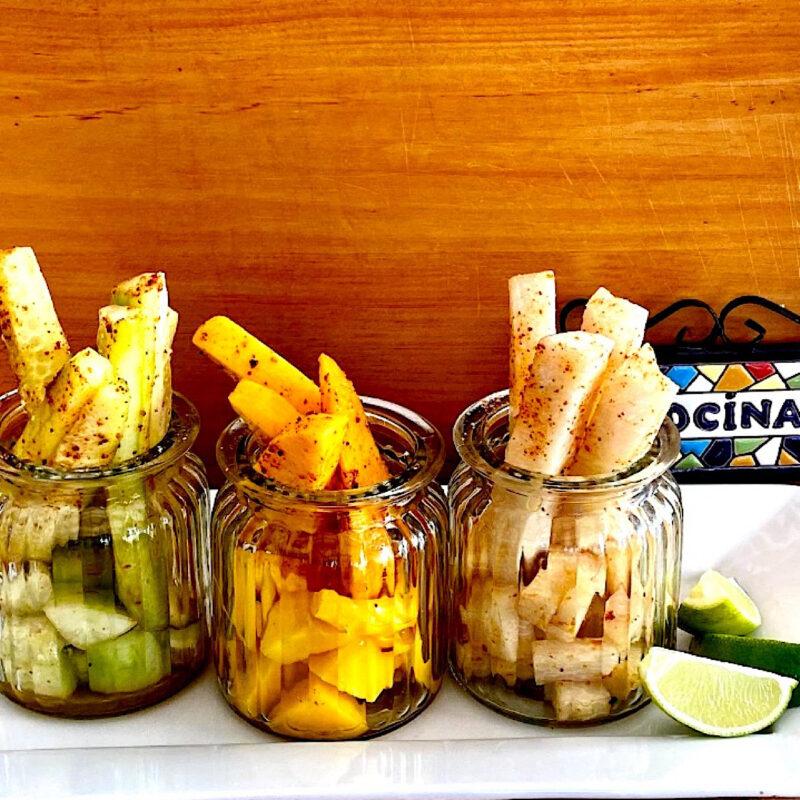
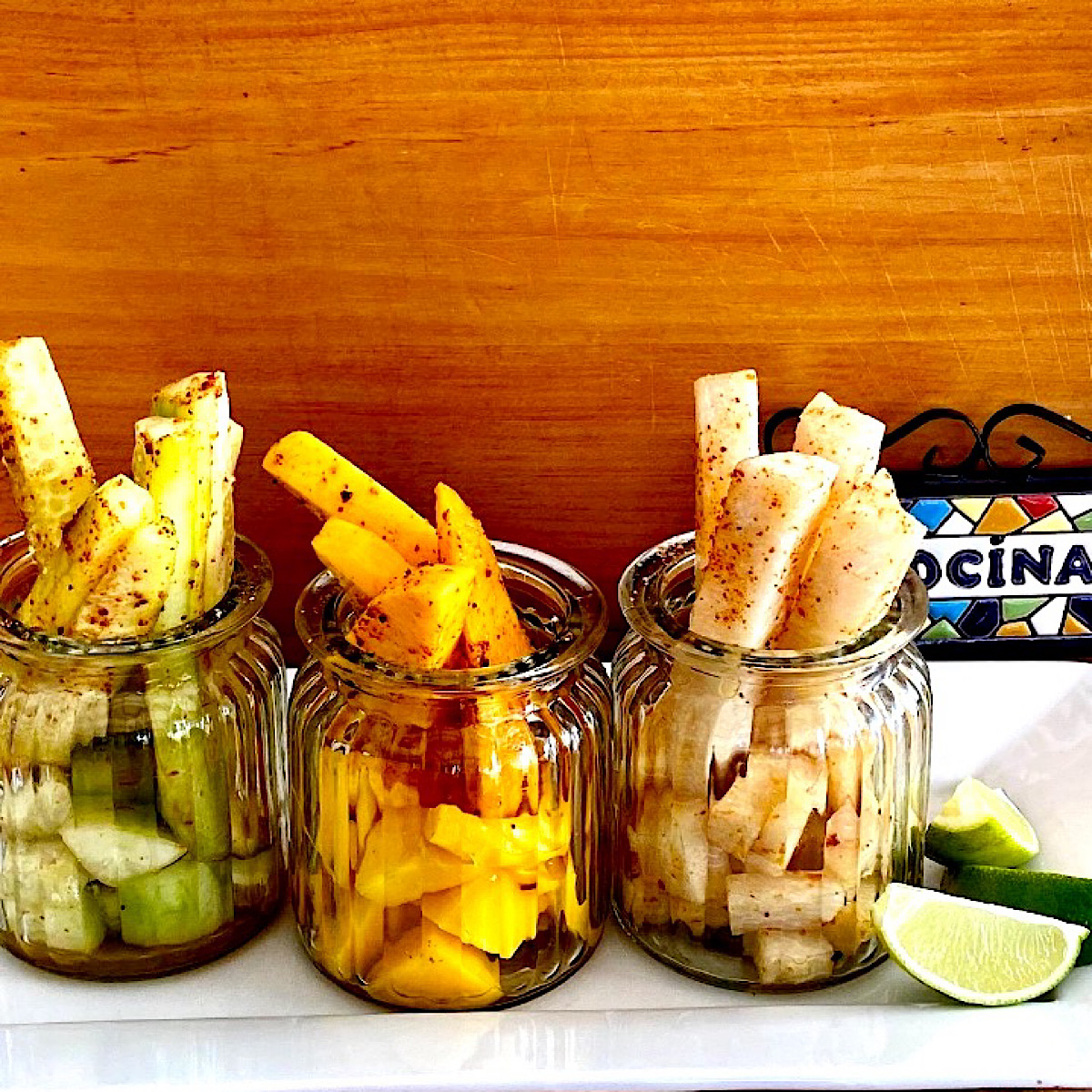
- Mexican fruit cups (frutas con chile): Drizzle chamoy over fresh mango, pineapple, watermelon, cucumber, or jicama spears. Sprinkle with Tajín (chile lime salt) and squeeze fresh lime on top. This is the classic use.
- Mangonadas (chamoyadas): Blend frozen mango with mango nectar and lime juice into a slushy. Swirl chamoy inside the glass, pour in the mango mixture, and top with more chamoy and Tajín. Serve with a tamarind candy straw. This frozen treat is wildly popular in Mexico and increasingly common in the US.
- Cocktail rims: Dip the rim of a glass in chamoy, then in Tajín. Works beautifully on micheladas, palomas, and margaritas.
- Paletas (popsicles): Drizzle chamoy over mango or watermelon paletas for an instant upgrade.
- Elote (Mexican street corn): Add a drizzle of chamoy along with the traditional mayo, cotija, and chile powder.
- Candy: Chamoy is used to make chamoy-covered gummies, lollipops, and other Mexican candies. Drizzle it over gummy bears or dried mango for an easy homemade version.
- Chips and snacks: Use chamoy as a dip for tortilla chips, chicharrones, or cucumber slices.
- Dressing or glaze: Thin chamoy with a little oil and lime juice for a salad dressing, or brush it on grilled chicken or shrimp as a glaze.
Chamoy and Tajín Used Together in Mexican Street Food
You’ll notice that in Mexico chamoy and Tajín appear together constantly. They’re complementary: chamoy is wet, sticky, fruity, and sweet and Tajín is dry, tangy, salty, and sharp. Together they create the full spectrum of Mexican street food flavors.
If you’re making fruit cups or mangonadas, use both. Drizzle chamoy first, then dust with Tajín, then squeeze lime. The combination is irresistible.
For homemade Tajín, see my post on Tajin (chile lime salt)
More Mexican Condiments and Drinks
- For a warming holiday drink: Ponche Navideño
- For refreshing summer drinks: Mexican Drinks for Summer
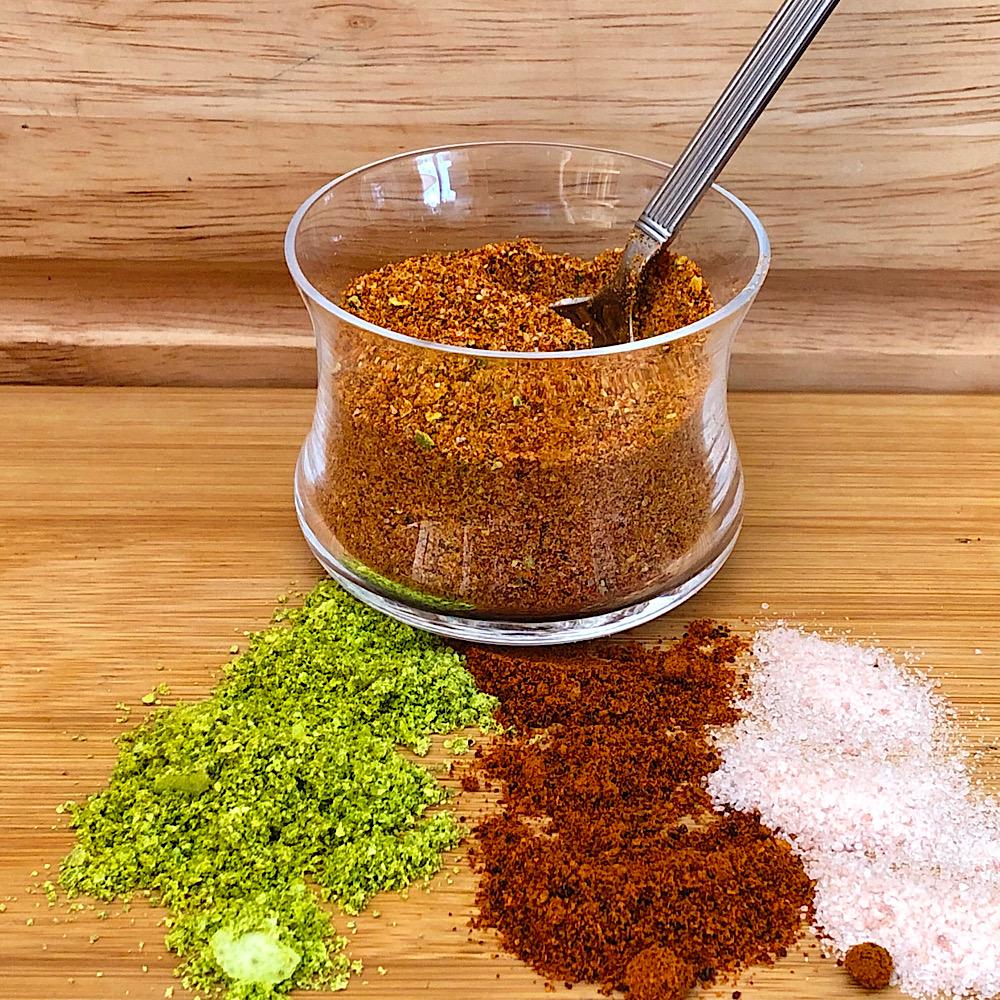
- For homemade chile lime salt (shown above): Tajín Chile Lime Salt
FAQ
Sweet, sour, salty, and mildly spicy all at once. The dried fruit provides sweetness and body. The hibiscus and lime add tartness. The chile brings gentle heat. The salt ties it together. It’s bold and addictive.
Traditional chamoy is mildly spicy at most. The heat comes from dried chiles like ancho, which are fruity and warm rather than fiery. You can increase the heat by adding chiles de árbol or decrease it by using less ancho.
Look in the Mexican section of your grocery store, often labeled “flor de Jamaica.” Mexican markets always carry them. They’re also available online. If you can’t find them, substitute dried cranberries and a splash of cranberry juice.
Refrigerated in a sealed jar, homemade chamoy keeps for 2-3 weeks. Frozen, it lasts 3 months or more. The flavor actually improves after a day or two as everything melds together.
The difference is thickness. Chamoy sauce is pourable and used for drizzling and dipping. Chamoy paste is thicker and used for rimming glasses or coating candy. To make paste, simply simmer the sauce longer to reduce it, or use less water when blending.
A mangonada (also called chamoyada or chamango) is a frozen mango drink layered with chamoy sauce and Tajín. It’s like a mango slushy with swirls of sweet-spicy chamoy throughout. Incredibly refreshing on a hot day.
Homemade chamoy contains real fruit and no artificial ingredients, which is a significant improvement over store-bought versions. However, it does contain sugar and salt, so use it as a condiment rather than drinking it by the glass.
Yes. Substitute ¼ cup dried cranberries and 2 tablespoons cranberry juice. The color will be slightly different (more purple-red than orange-red) but the tartness will be similar.
Want more Mexican Recipes? Check out this collection of traditional Mexican recipes, from tamales, to moles, to cocktails to sauces.
Chamoy Sauce
Equipment
- glass jar for storage
Ingredients
- 1 cup dried mango unsweetened preferred, or use sweetened and reduce sugar
- ½ cup dried hibiscus flowers flor de Jamaica
- 1 ancho chile stemmed and seeded
- ½ cup piloncillo chopped (or ½ cup packed brown sugar)
- 1 teaspoon salt
- 2½ cups water
- 3 tablespoons fresh lime juice about 2 limes
- 1-2 chiles de arbol optional: for extra heat
- 1 tablespoon Tajin (chile lime salt) optional: for more tang
Instructions
- Prepare the chile: Stem and seed the ancho chile. Tear into several pieces.1 ancho chile
- Simmer: Combine dried mango, hibiscus flowers, ancho chile pieces, piloncillo (or brown sugar), salt, and water in a medium saucepan. Bring to a boil over medium-high heat. Reduce heat to low and simmer uncovered for 25-30 minutes, stirring occasionally, until the fruit is very soft and the liquid has reduced by about one-third.1 cup dried mango, ½ cup dried hibiscus flowers, ½ cup piloncillo, 1 teaspoon salt, 2½ cups water
- Cool slightly: Remove from heat and let cool for 10 minutes. The mixture will be thick and jammy.
- Blend: Transfer everything (including the liquid) to a blender. Add lime juice. Blend on high for 1 minute until completely smooth.3 tablespoons fresh lime juice
- Adjust seasonings: Taste the chamoy. Add more sugar if too tart, more lime juice if too sweet, more salt if the flavors seem flat. Blend again briefly to incorporate.
- Store: Transfer to a clean glass jar. The chamoy will thicken as it cools. If too thick, stir in water one tablespoon at a time until you reach your desired consistency.
Notes
- Consistency: For a thinner, pourable sauce (good for drizzling), add more water. For a thicker paste (good for rimming glasses), simmer longer or use less water.
- Heat level: Ancho chile is mild. For spicier chamoy, add 1-2 chiles de árbol to the simmering mixture.
- Storage: Refrigerate in a sealed jar for up to 3 weeks. Freeze in ice cube trays for up to 3 months.
- No hibiscus? Substitute ¼ cup dried cranberries plus 2 tablespoons cranberry juice.