
Quick Summary: Slow-simmered pozole, hand-rolled tamales, rich mole sauces, and warm champurrado, all the recipes that make Mexican holidays worth celebrating. This collection covers Día de los Muertos and Christmas traditions with full step-by-step tutorials, plus a printable pantry checklist so you have everything on hand when the cooking starts.
Jump to: Día De Los Muertos | Chiles en Nogada | Pozole | Tamales | Moles | Drinks | Desserts | The Mexican Pantry | FAQ
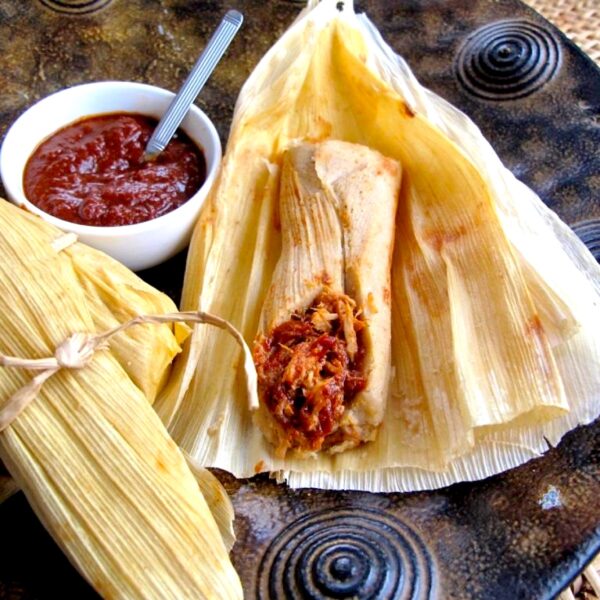
At Heathglen Farm, I grow over a dozen varieties of chile peppers, mostly to use in recipes around Mexican cuisine. The recipes I’m sharing come from several years of learning from mi amiga and her grandmother who hails from the Bajio region of Mexico. Between the two of them and one of my employees, I have made great use of our farm’s chile peppers in my own kitchen, adapting traditional techniques for home cooks in the US.
Whether you’re celebrating Día de los Muertos, hosting a Christmas tamale party, or just craving something with depth and warmth, these are the dishes I return to again and again. Each recipe links to a full tutorial with step-by-step instructions.
For September celebrations, chiles en nogada is the traditional Independence Day dish
This post may contain affiliate links. As an Amazon Associate, I also earn from qualifying purchases. You can read our disclosure information here–
Mexican Celebration Food for Holidays
Mexican celebration food is meant to be shared. The recipes below range from simple to involved (tamales are a group project), but all of them reward the effort with delicious Mexican fare fit for a celebration.
I’ve included my own adaptations alongside traditional methods, and any of the complicated recipes link to a full tutorial with detailed instructions and photos.
Día De Los Muertos
On the 1st and 2nd of November, modern-day Mexicans head off to cemeteries to welcome and honor the spirits. This tradition stems from the Nahua cultures especially the Aztec, who believed the dead remained alive in spirit and memory.
The Aztecs respected the fact that death is an inevitable phase of life and chose to celebrate rather than mourn the dead.
Modern Mexican Day traditions for Día De Los Muertos follow this tradition of their ancestors, and spend the day laughing and dancing and eating to honor the dead rather than mourning and weeping.
Some of the food that is popular to this Mexican celebration is listed below. Of course there are many others, but this is a sampling of some traditional food and drink you might see during Día De Los Muertos or other Mexican celebrations.
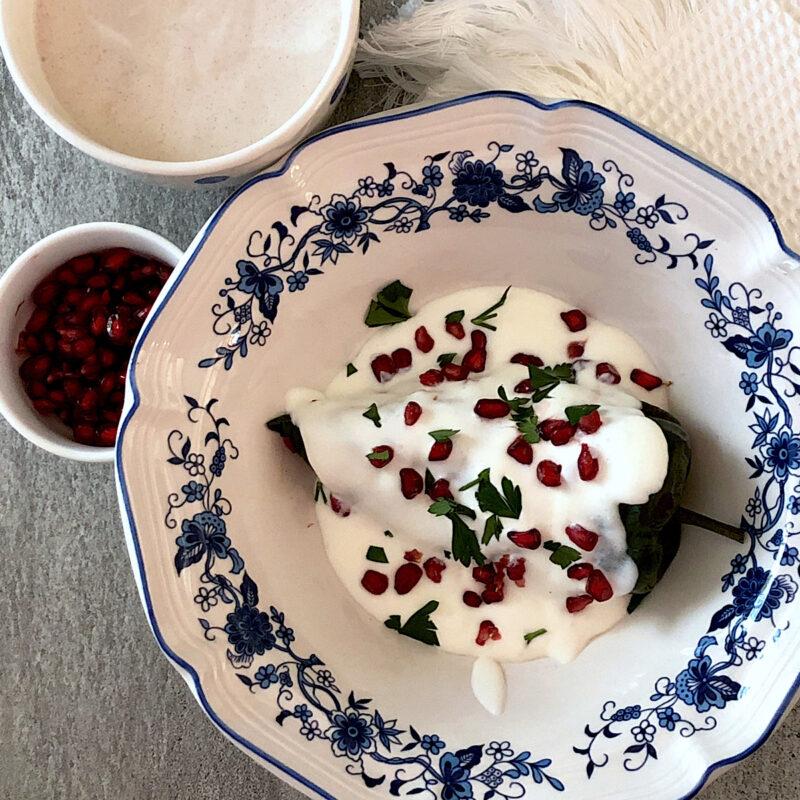
Chiles en Nogada
For September celebrations, chiles en nogada, Mexico’s most famous stuffed pepper, is the traditional Independence Day dish.
Pork Pozole Rojo
This traditional version of pozole rojo is a luscious slow-cooked stew made with pork, hominy, Mexican spices, and a blend of mild to moderate chile peppers. It is simple to make without a lot of hands-on time, but to develop the full flavors it should be simmered for a couple of hours. Make a big batch as it gets better every day!

Tamales
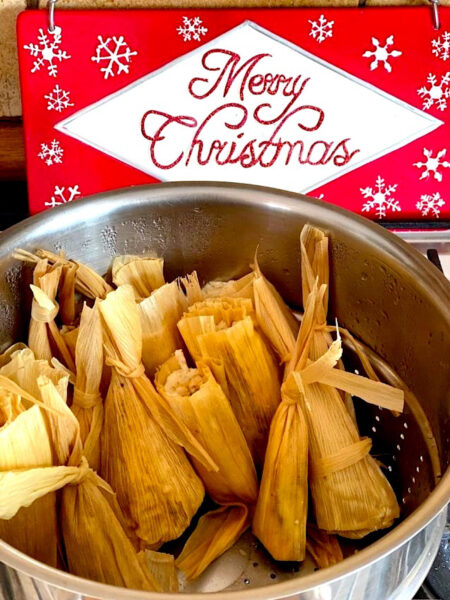
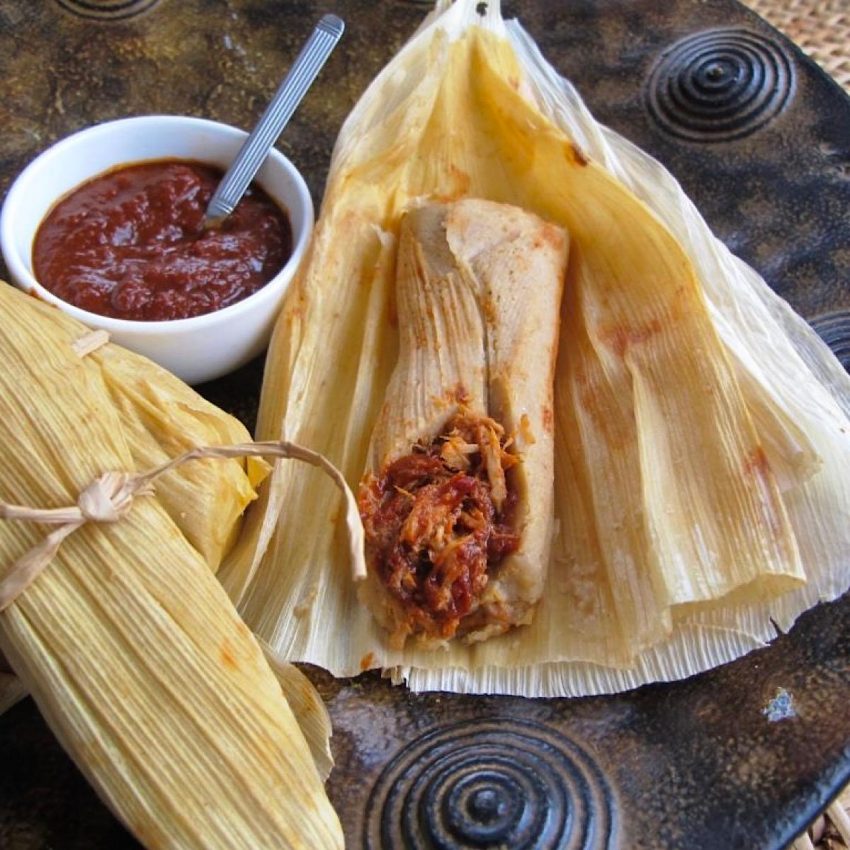
Tamales are special. While not the easiest thing to make, this recipe for tamales offers step by step directions. The guided recipe also offers a method to making tamales a bit easier by revising the step where you rehydrate, deseed and roast the dried peppers.
Moles
Chicken Mole Rojo
The variety of Mexican moles are all unique and delicious, but the required pepper roasting, peeling and rehydrating can be a bit daunting and time consuming.
This mole rojo using a powdered blend of smoked chiles, cocoa and spices is the key to making a more achievable, but still full-bodied, mole. Included in the recipe is a quick summary on making your mole sauce from scratch using fresh or dried chile peppers.
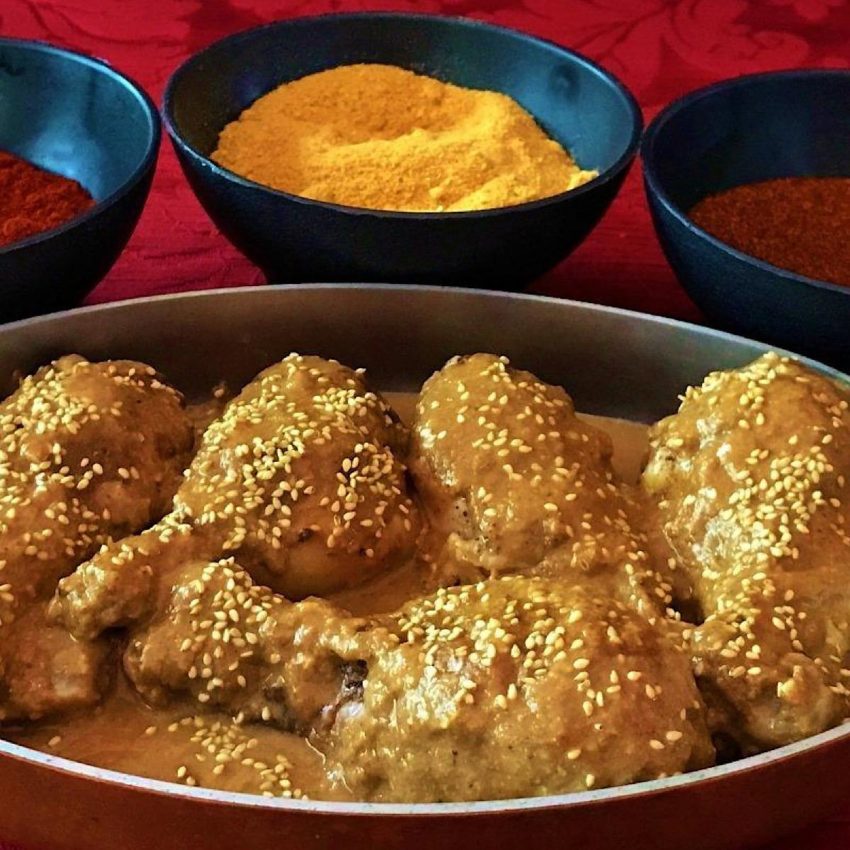
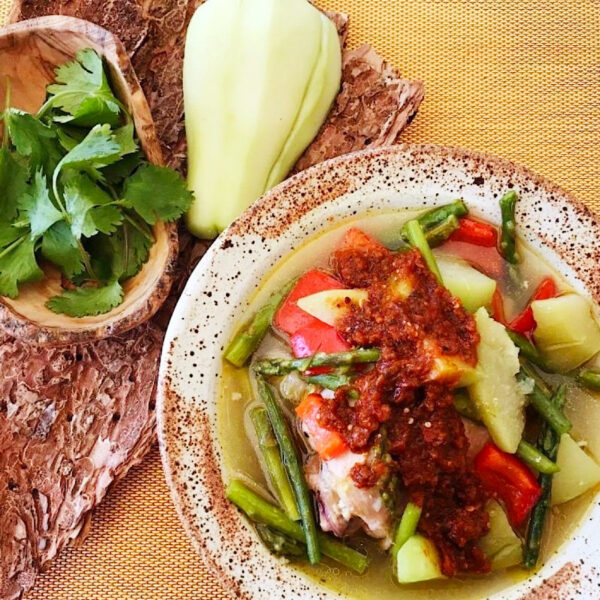
Mole Amarillo with Chayote
Want to try a different mole for your celebration? Try this chicken mole amarillo with chayote instead of potatoes for a slow carb version.
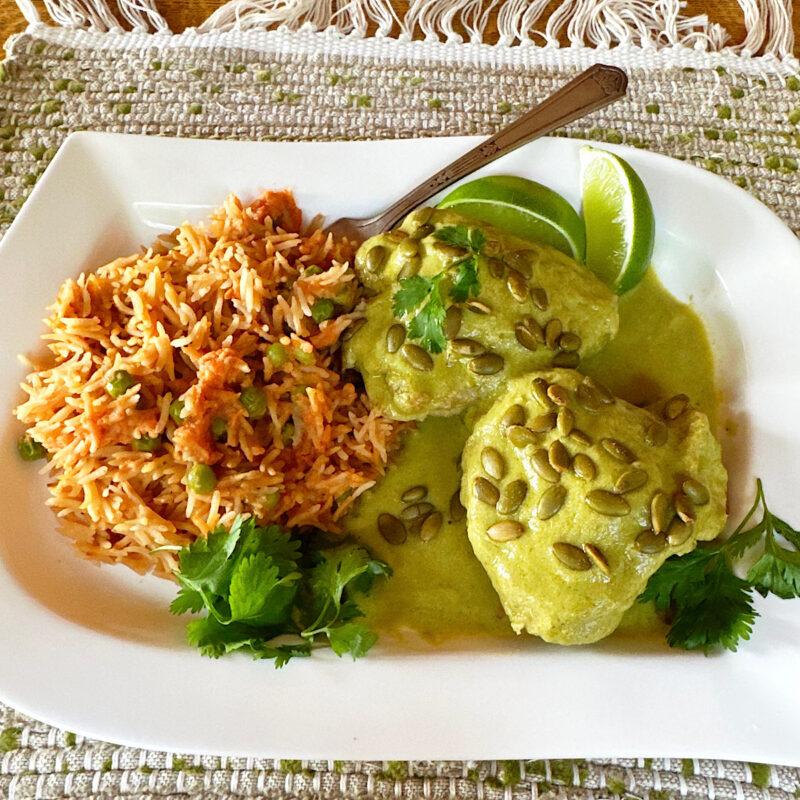
Chicken Pipián Verde: Pumpkin Seed Green Mole
A tangy, herbal Mexican sauce made from pumpkin seeds, tomatillos, poblano and serrano peppers, and fresh cilantro, served over chicken. Sometimes called mole verde, though pipián always features pumpkin seeds as the star.
Specialty Drinks
No Mexican celebration is complete without something to drink. A tequila flight with homemade sangrita makes an elegant start to a meal. For something warming, try Mexican cafe de olla or a traditional champurrado. And if you happen to have marigolds growing in your garden, a marigold simple syrup with tequila and sparkling water is a beautiful tribute to Día de los Muertos. All photos and links below.
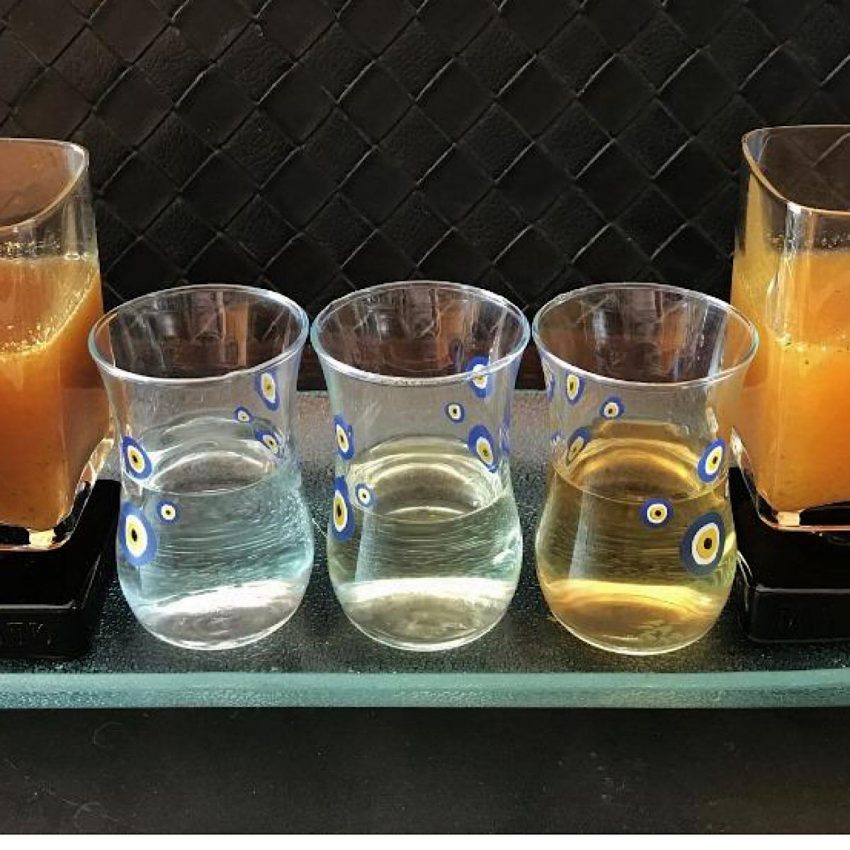
Mexican Sangritas and a Guide to a Tequila Flight
A tequila flight (or Mezcal flight) can be made special by adding a Mexican Sangrita. Sangrita is a non-alcoholic accompaniment to a flight that highlights tequila’s crisp acidity and cleanses the palate between each sip. Here is a guide for putting together a tequila flight accompanied by an orange sangrita and a tomato-based sangrita.
Marigold Drink Syrup

During the Day of the Dead holiday, marigolds are often seen around the cemetery, as they are thought to attract the souls of the dead. Families might use them on the offering, or scattered along a path to the cemetery to ensure that the souls of the dead make their way safely to and from their final destinations.
I happened to have some marigolds still trying to survive here in Minnesota this Fall. I harvested all of them, dried them out and decided to make a marigold simple syrup. I used the simple syrup with some tequila and sparkling water and it was delightful!
The recipe is very simple if you have dried marigolds: Heat equal parts of water and sugar and add a large handful of marigold petals. Steep with a couple of cinnamon sticks for several hours to overnight and then refrigerate.
For the drink I added 2 oz tequila, 1 1/2 oz marigold syrup and topped it off with sparkling water….Awesome!
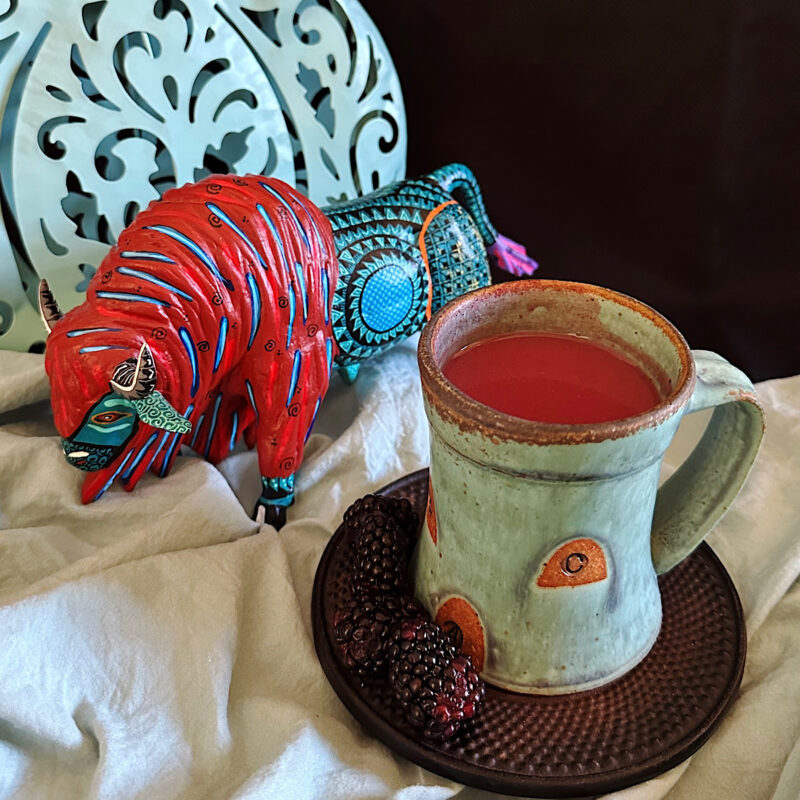
Café de Olla
Café de Olla is traditional Mexican coffee brewed with cinnamon, piloncillo (or brown sugar), and warm spices.

A more traditional warm drink would be Champurrado, a chocolate-based beverage, prepared with masa piloncillo; water or milk; and sometimes containing cinnamon, anise seed, or vanilla. Champurrado is basically the chocolate version of a Mexican atole, and is most often enjoyed during the winter holiday season. It is often referred to in the U.S. as Mexican hot chocolate.
Desserts
Here are four of my absolute favorite sweets or desserts for Mexican celebrations. One is even a low carb dessert!
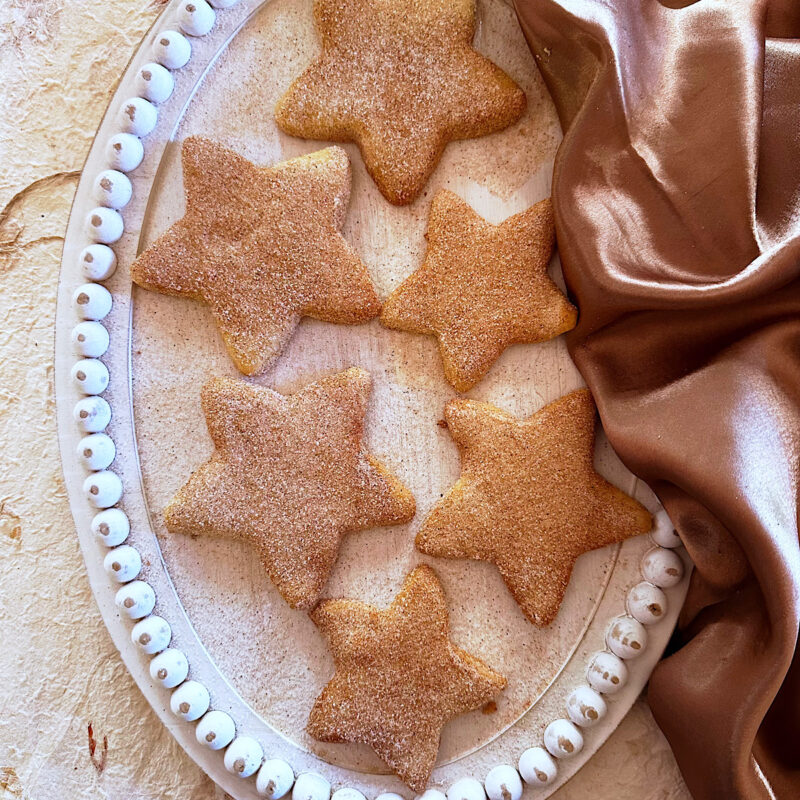
Biscochitos (bee-sko-CHEE-tohs) are anise-and-orange-scented Mexican shortbread cookies dusted in cinnamon sugar, traditionally served during Christmas celebrations.
Candied Pumpkin
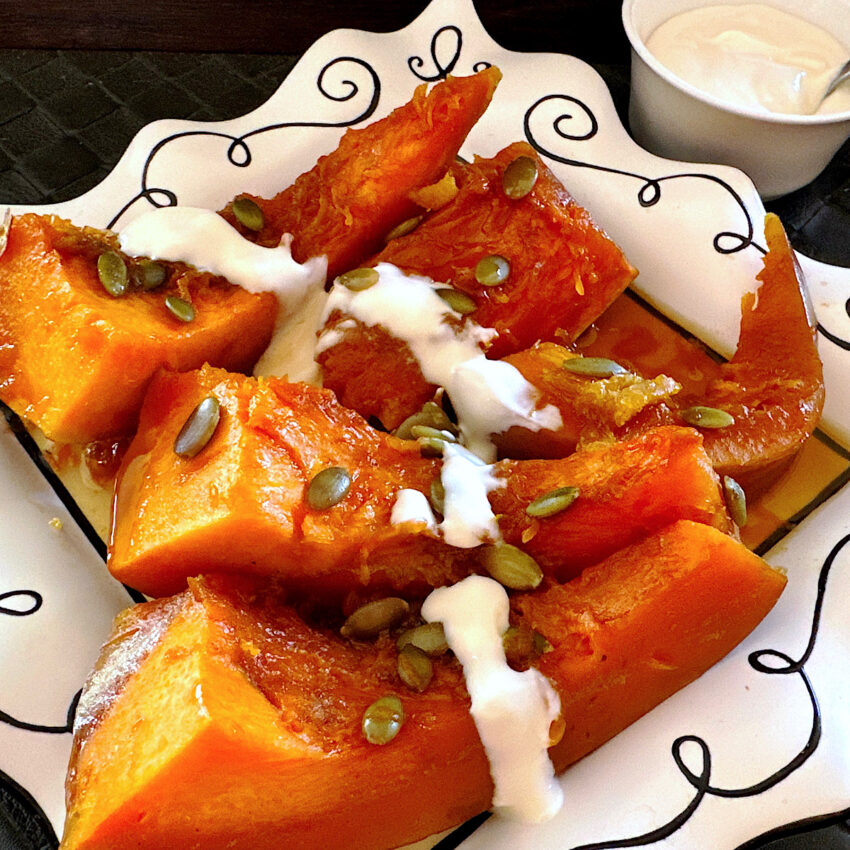
Candied pumpkin is a Day of the Dead food primarily associated with the Yucatan Peninsula, but it’s popular around the country.
Similar to candied yams, calabaza en tacha is made from pumpkin chunks, cinnamon, piloncillo cane sugar, and/or brown sugar and aromatic spices.
It is not usually served as a side dish as in US Thanksgiving meals, but rather It’s often served as a dessert or even as breakfast. A popular way to enjoy this candied pumpkin is with a drizzle (or many drizzles) of Mexican crema.
Orange Flan de Queso
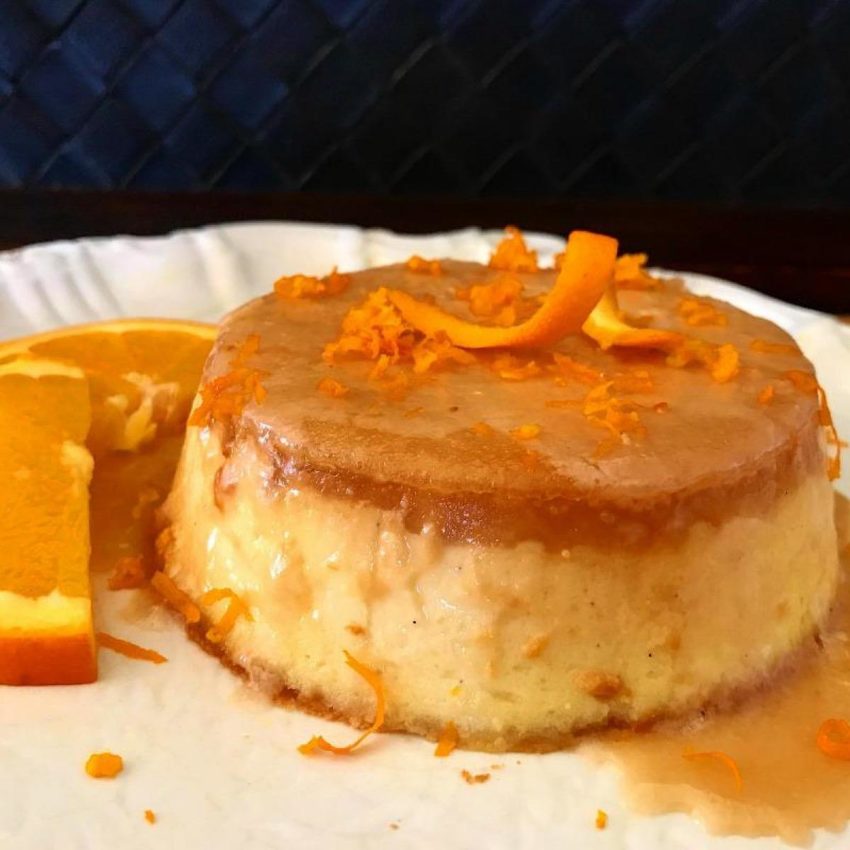
Flans of all sorts are very popular Mexican desserts. This Low Carb Mexican Flan (Orange Flan De Queso) is a dessert that works well with low carb diets. It is creamy and scrumptious, with the only sugar coming from the fructose in a small amount of fresh orange.
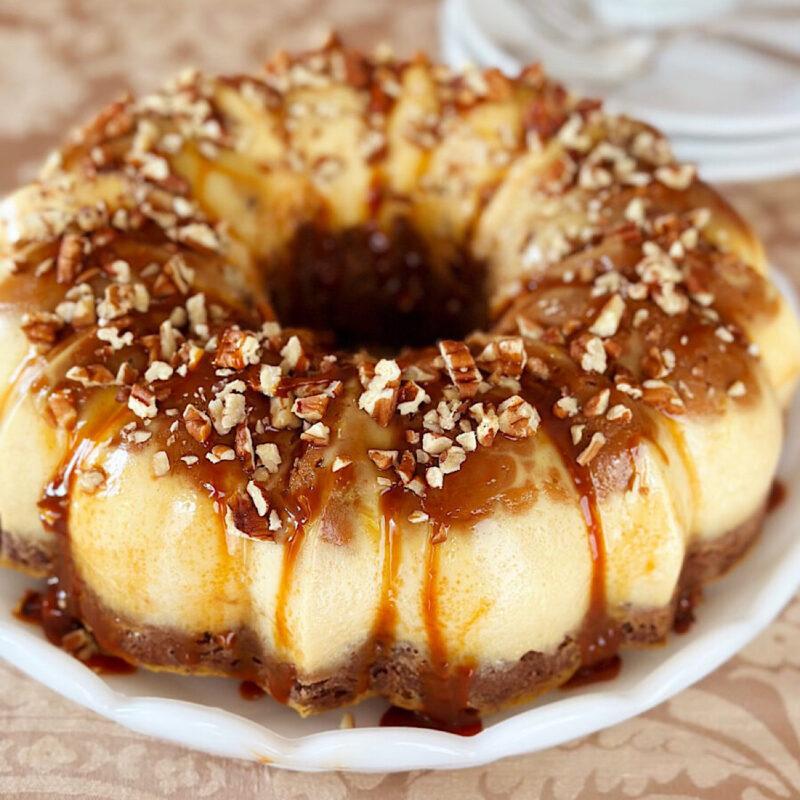
Chocoflan (Impossible Cake)
Chocoflan is a Mexican dessert where a chocolate cake layer and a flan layer magically switch places during baking. The cake rises through the denser flan, and when you flip it out of the pan, you get three distinct layers: caramel on top, creamy flan in the middle, chocolate cake on the bottom.
A Mexican Pantry
Having the right ingredients on hand makes Mexican cooking much easier. Dried chiles (ancho, guajillo, chipotle), piloncillo or brown sugar, Mexican oregano, cumin, and good quality masa harina are essentials. Check out this complete guide to stocking your Mexican pantry, from everyday meals to holiday celebrations.
FAQ
Día de los Muertos (Day of the Dead) is a Mexican holiday on November 1st and 2nd honoring loved ones who have passed. Families visit cemeteries, build altars with photos and favorite foods of the deceased, and celebrate with music, food, and stories. The tradition stems from Aztec beliefs that the dead remain alive in spirit and memory.
Yes. Pozole, mole, and tamales all improve when made a day ahead. Flan should be made at least a few hours ahead to chill properly.
Many Mexican ingredients are now available at regular grocery stores. For specialty items like dried chiles, piloncillo, or masa harina, check the international aisle, visit a Mexican grocery, or order online. My pantry checklist includes substitution suggestions for harder-to-find ingredients.
These recipes are based on traditional Mexican cooking, adapted for home cooks. I developed many of them from my daughter’s foster teen (mi amiga) and her grandmother in the Bajio region of Mexico and have tested them extensively. Some include shortcuts (like using powdered spice blends), but the flavors are genuine.
Start with pozole (simple technique, impressive results). Save tamales for when you’re ready for a project and ideally have helpers.
Absolutely. If you grow your own peppers, you can dry them for chile powder or use fresh chiles in salsas and marinades. Jalapeños, serranos, and poblanos are all excellent in these recipes.
The orange flan de queso is low carb as written. For mole dishes, serve over cauliflower rice instead of Mexican rice. The pozole and tamales rely on hominy and masa, so they’re not low carb adaptable without changing the character of the dish. For more low carb Mexican options, check out the slow carb recipe collection.