
Quick Summary: Vegetables provide the micronutrients that high-protein diets often lack, but many people struggle to incorporate them daily. Here are practical strategies for making vegetables a consistent part of your meals, even if you didn’t grow up cooking them.
Jump to: Why Do You Need Vegetables in High Protein Diets | Nutrient Dense Vegetables | Easy Ways to Add Vegetables | Tips for Cooking Vegetables | FAQ
On a slow-carb or keto diet, protein and fat keep you full and energized. But vegetables provide the micronutrients that make the difference between losing weight and actually feeling good while doing it.
The problem is that many of us aren’t used to cooking vegetables regularly. We can throw together a chicken breast or a pasta dish without thinking, but vegetables require decisions: which ones, what method, what seasonings, how long to cook them.
This isn’t a list of which vegetables are lowest in carbs (I cover that in my slow-carb vegetable comparison). This is about the practical strategies that get vegetables onto your plate consistently.
This post may contain affiliate links. As an Amazon Associate, I also earn from qualifying purchases. You can read our disclosure information here–
Why Vegetables Matter on High-Protein Diets
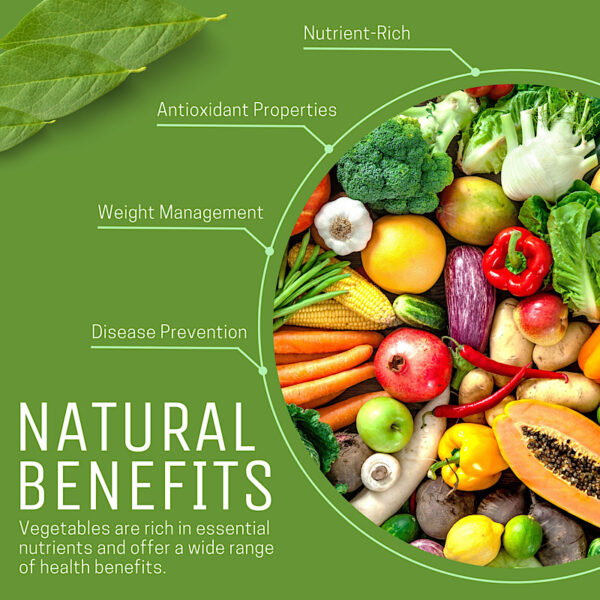
Vegetables deliver vitamins, minerals, and fiber that you can’t easily get from meat and fat alone. If you’re avoiding fruit because of the sugar content (fructose triggers insulin similarly to processed sugar), vegetables become even more important.
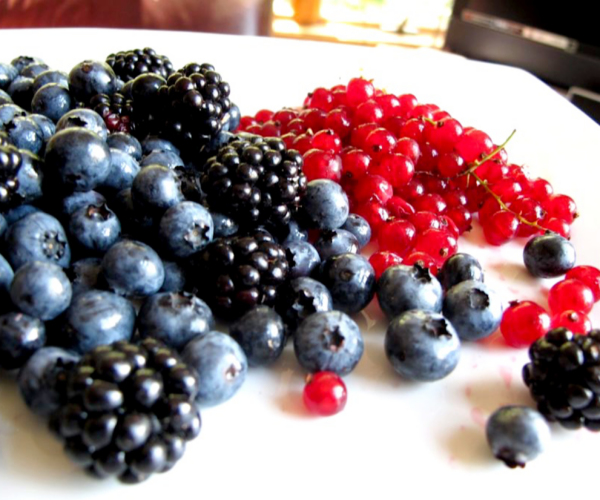
Berries are an exception and can fit into low-carb eating in moderation. But for daily micronutrient needs, vegetables are your foundation.
Fruit can certainly be healthy (depending on what kind you are eating), but if you are interested in weight loss, fruit is considered “natures candy” and needs to be quite moderate.
Best to save most fruit for cheat days or celebrations and stick with the veggies……if you want to lose weight that is. If your goal is health and not weight loss, more fruit is certainly an option.
Nutrient Dense Low Carb Vegetables
Many nutritionists rate vegetables according to the micronutrient density per calorie or per cup. Included in nutrient dense vegetables are higher carb sweet potatoes, beets and all types of beans. Eat these in careful moderation if you are counting carbs and stick to low carb vegetables for daily meals!
The list below is nutrient dense vegetables in alphabetical order:
- Artichoke
- Arugula
- Asparagus
- Bell Peppers
- Bean Sprouts
- Bok Choy
- Broccoli
- Brussel Sprouts
- Cabbage
- Carrots
- Cauliflower
- Collard Greens
- Cucumbers
- Eggplant
- Endive
- Garlic
- Kale
- Mushrooms
- Onion
- Radish
- Romaine Lettuce
- Spinach
- Swiss Chard
- Tomatoes
- Watercress
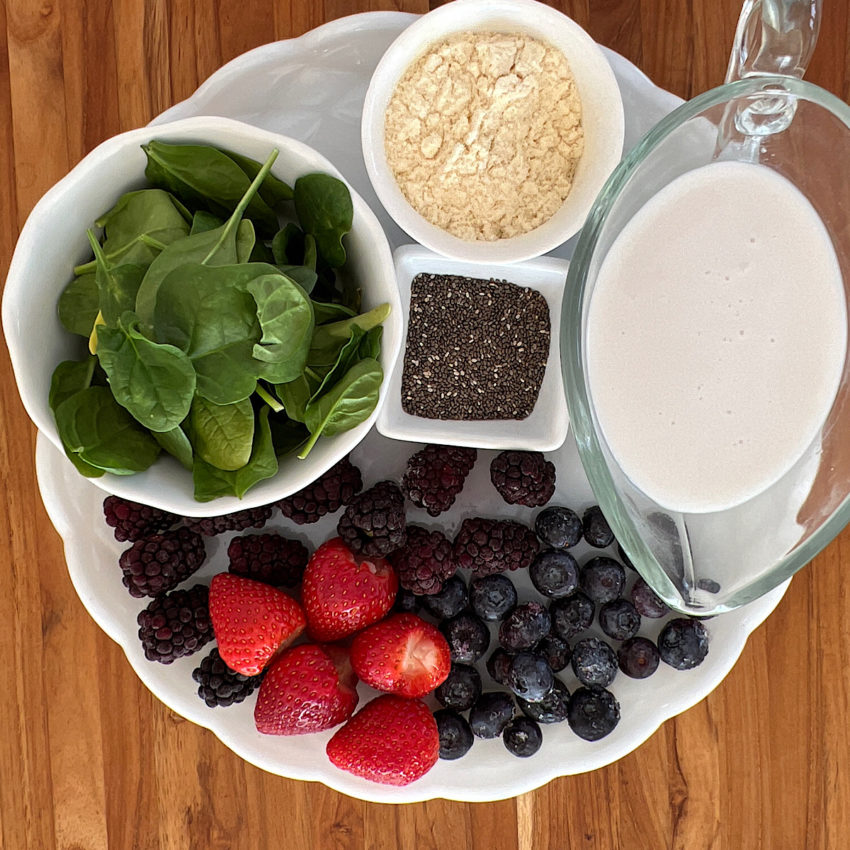
Some of these vegetables are easily incorporated raw into a daily salad or even a morning smoothie. Others can be quickly and easily roasted or sautéed.
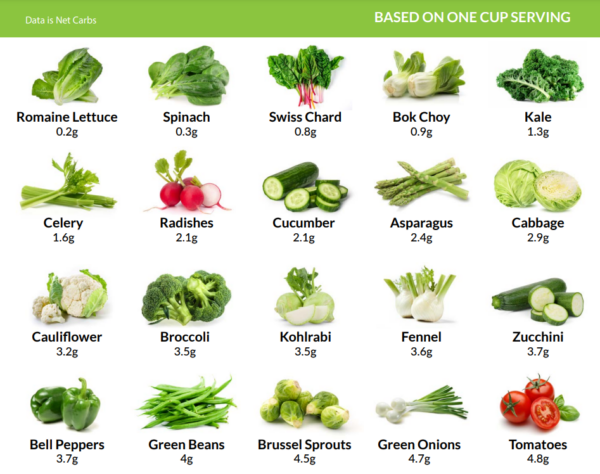
If you are tracking net carbs, the visual vegetable chart below can be helpful.
Four Easy Ways to Add Vegetables
1. Try adding spinach to a morning smoothie.
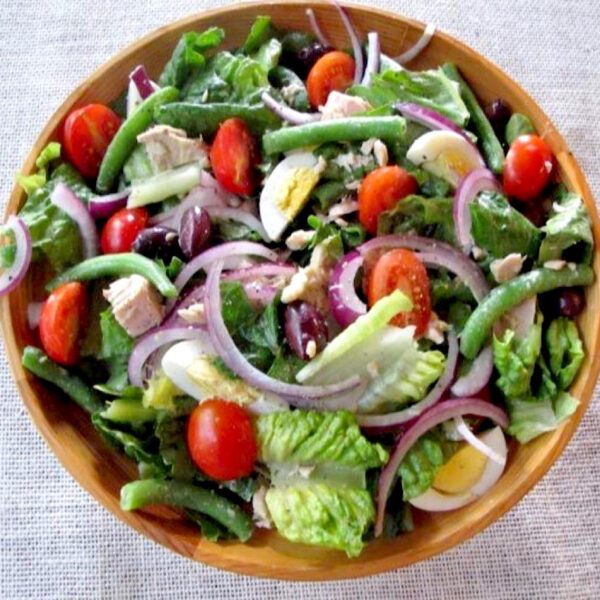
2. Daily salads with lemon juice
- Mixed lettuces such as romaine, arugula, endive, swiss chard, radicchio.
- Add radishes, cucumbers, tomatoes, mushrooms, shredded carrots.
- You can dress with a bit of olive oil and lemon juice – delicious!
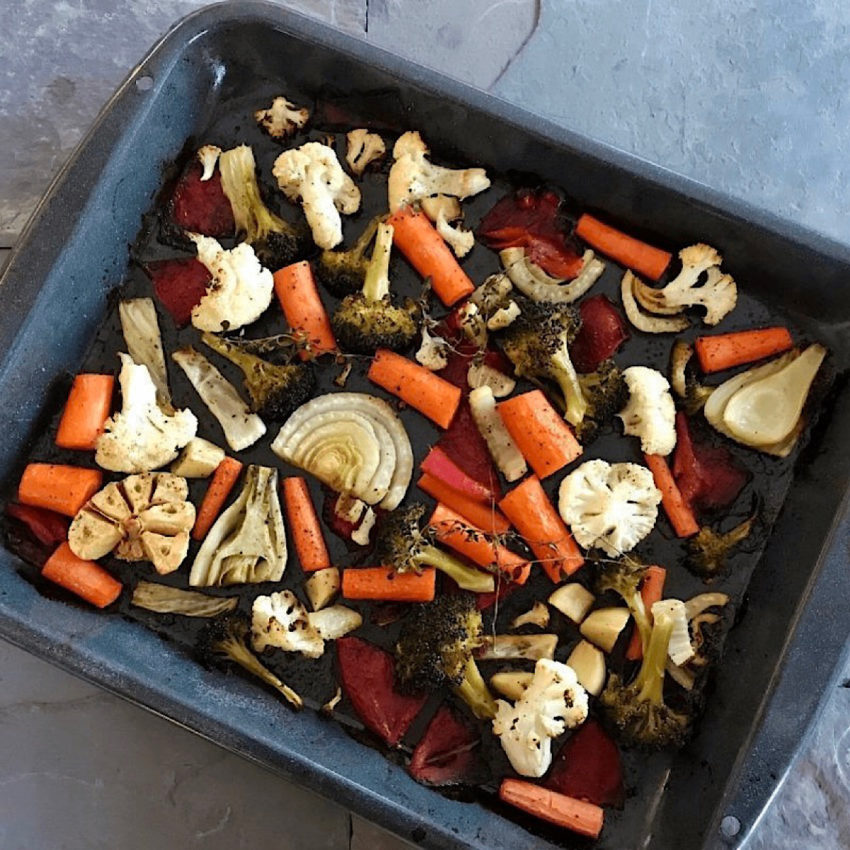
3. Roasting (Sheet Pan Cooking)
Roasting fresh or even frozen veggies is easy! And you can roast in advance, keep refridgerated, and add later to salads or zap in the microwave for a healthy addition to dinner. Check out my post on roasting winter vegetables for more tips. Don’t be afraid to experiment with spices!
I follow these quick steps when roasting veggies:
- Preheat oven to 400 F degrees.
- Toss both frozen or fresh with a bit of olive oil, salt and pepper (do not thaw frozen veggies).
- Get the sheet pan hot in the oven before adding the vegetables.
- Roast for 10 to 20 minutes.
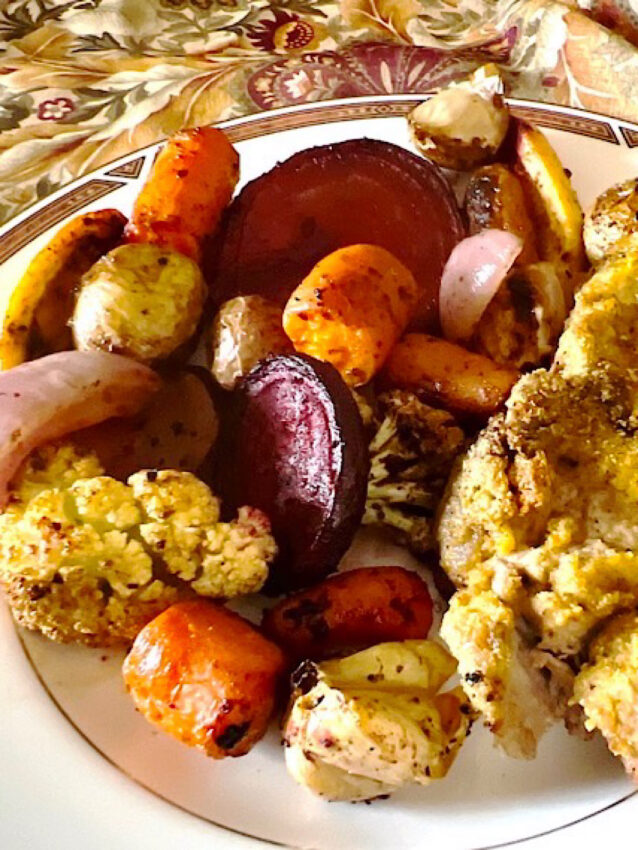
Tip: A great way to add flavor to roasted veggies is to drizzle them with a fruit vinegar (aka shrub syrup) towards the end of cooking. Red wine vinegar can work well also, but fruit vinegars add that mystery flavor that really enhances bland food. You can make your own fruit vinegar, or purchase a fruit vinegar of your choice.
4. Sautéing
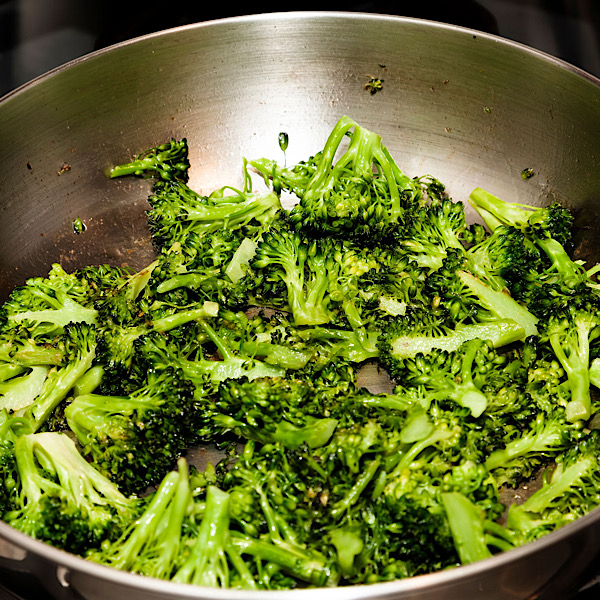
Sautéing low carb fresh or frozen veggies is also easy (don’t need to thaw frozen vegetables). Sautéing (or stir-frying) has the advantage of keeping the beautiful colors bright and is a nice change from roasted veggies.
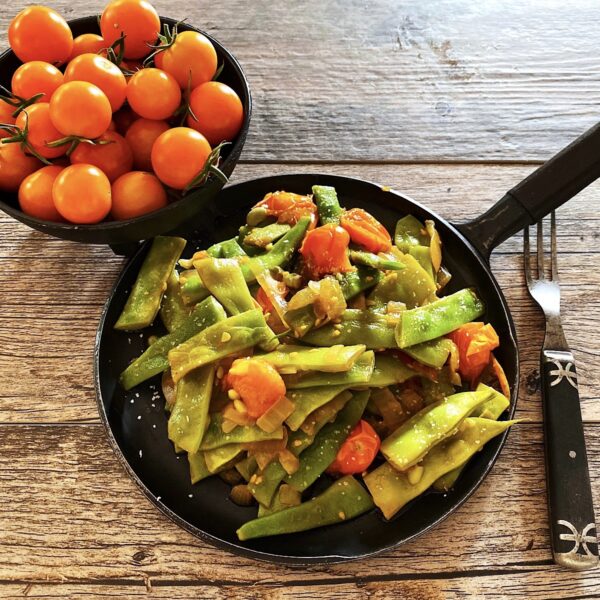
You can sauté with a bit olive oil, butter, or a combination. Adding some minced garlic and/or onion can add both micronutrients as well as terrific flavor. This Mediterranean Sautee (stir-fry) Recipe is a great example of the ins and outs of sautéing.
Solving the Two Biggest Vegetable Challenges
Unfamiliar recipes:
Many American home cooks (myself included) can easily and quickly cook proteins (chicken, pork, red meat) or pasta dishes without a recipe and without much prep. I think that is because we are more familiar with these dishes and don’t have to look up a recipe.
Solution Tip:
Try picking one method for cooking vegetables (i.e., steaming, roasting, or sautéing) and apply it to your favorite nutrient dense vegetable. Cook your chosen vegetable and method 3 times throughout the week. Three times is often the goldilocks number of times to try a new recipe in order to make it familiar, and familiarity equals easy.
Vegetable prep time:
Do you think it is just too much trouble to do all that veggie prepping right before dinner? I certainly did! Washing, trimming, chopping – oh my!
Solution Tip:
Plan a day each week to prep ahead the veggies you will use over the next week, and then keep them ready to go in containers in the fridge. Get your family or a friend to help! Or listen to music or a podcast while prepping. Of course you can always buy your veggies pre-cut at the store, but the quality and price are not optimal.
2nd Tip: Frozen veggies can be a great time-saver. They are generally flash frozen and have their nutrients intact, sometimes more than the older “fresh” vegetables you might find on the grocery shelf.
FAQ
Broccoli. It roasts well, sautés well, tastes good with just salt and pepper, and is very low carb. Master broccoli, then expand.
You can, but you’ll probably get bored. Rotating between raw salads, roasted vegetables, and sautéed greens keeps things interesting.
Often yes. Frozen vegetables are typically flash-frozen at harvest, preserving nutrients. “Fresh” vegetables that sat in a truck for a week may have fewer nutrients than frozen.
Fat, salt, acid, and heat. Roast with olive oil and salt. Finish with a squeeze of lemon or splash of vinegar. Don’t be afraid of butter. Bland vegetables are underseasoned vegetables.
Start with the mildest ones: zucchini, cucumber, romaine lettuce. Roast them with enough olive oil and salt that they taste good. Your palate will adjust over time.
Where did you find the Romano beans? Can’t wait to try this recipe!
They were at St. Paul market in the middle shed about 1/2 way down on the opposite side of the aisle from me. I didn’t get her name, but I’ll be back Saturday for more. Be sure and tell her I sent you. They are really hard to find. I’ve been looking for them for a while!