
Quick Summary: Shrub syrups combine fruit juice, sugar, and vinegar for tangy cocktail mixers or Italian sodas. Cold shrubbing works for soft fruits; hot shrubbing with a steam juicer works for apples and firmer fruits. Basic ratio: 1 part juice, 1 part sugar, 1 part vinegar (adjust to taste). Read time: 10 min | Bonus recipe: Apple Beer Cocktail
Jump to: RECIPE | What is a shrub syrup? | Ingredient Ratios | Cold Shrubbing vs Hot Shrubbing | Infusions | FAQ
We grow a lot of fruit on our farm and in 2012 I started turning the fruit into jams and jellies and shrub syrups, which I sell at the St. Paul Farmers’ Market. Several of the jams and shrub syrups have been Good Food Award winners and I’m always looking for creative ways to use them.
A shrub syrup is just fruit, sugar, and vinegar, flavored with spice infusions and allowed to steep until you get a tangy, complex syrup perfect for cocktails, Italian sodas, or salad dressings.
The tricky part is extracting clear juice from the fruit. This guide covers both cold shrubbing (overnight maceration) and hot shrubbing (steam extraction), plus my favorite piece of equipment for large batches: the Mehu Liisa steam juicer from Finland.
This post may contain affiliate links. As an Amazon Associate, I also earn from qualifying purchases. You can read our disclosure information here–
What is a Shrub Syrup:
Shrub syrups are basically a preserved mixture of fruit, vinegar and sugar. The ratios of each varies widely, as does the process.
Often the shrub syrups are used as an addition to sparkling water (which makes it an Italian soda) or as an enhancement to cocktails. They can also be used as an excellent salad dressing with the addition of a little oil.
I have been making shrub syrups on my farm since 2012 and selling them at farmers’ markets as well as online.
Here are some of the guidelines that will help you if you decide to make your own shrub syrups.
What are the Ratios of Fruit to Sugar to Vinegar?
A shrub syrup is basically extracted juice, sugar and vinegar. The ratios of these 3 ingredients vary greatly depending on whose recipe you use and your own taste.
The most common ratio of shrub ingredients is 1:1:1. That is 1 cup extracted juice to 1 cup sugar to 1 cup vinegar. Of course the type of sugar and the type of vinegar you use will add nuance to your shrub.
For our shrub syrups I typically use organic fruit, apple cider vinegar and organic cane sugar.
Typical ratios that I use are 4 cups extracted juice to 2 1/4 cups sugar to 3 cups apple cider vinegar, but many people like it sweeter than this. It will depend a bit on how sweet the fruit you use it, and your own sweetness preferences.
If you are making a small batch, you’ll need to experiment. The recipe is very forgiving and can easily be adjusted.
Just remember, the vinegar will mellow after it sits with the fruit syrup for a while so the first taste while cooking will be more pungent than the final product.
What are the Differences Between Cold Shrubbing and Hot Shrubbing?
Cold Shrubbing
Cold shrubbing involves extracting the juice by letting the fruit sit overnight in the sugar and then straining before adding vinegar.
After the vinegar is added cover and let the syrup sit for several weeks to mellow.
It works well with soft fruit like strawberries or peaches, but I don’t like to use the cold shrubbing method on apples or pears. The resulting strained syrup is too thick for my taste.
Hot Shrubbing:
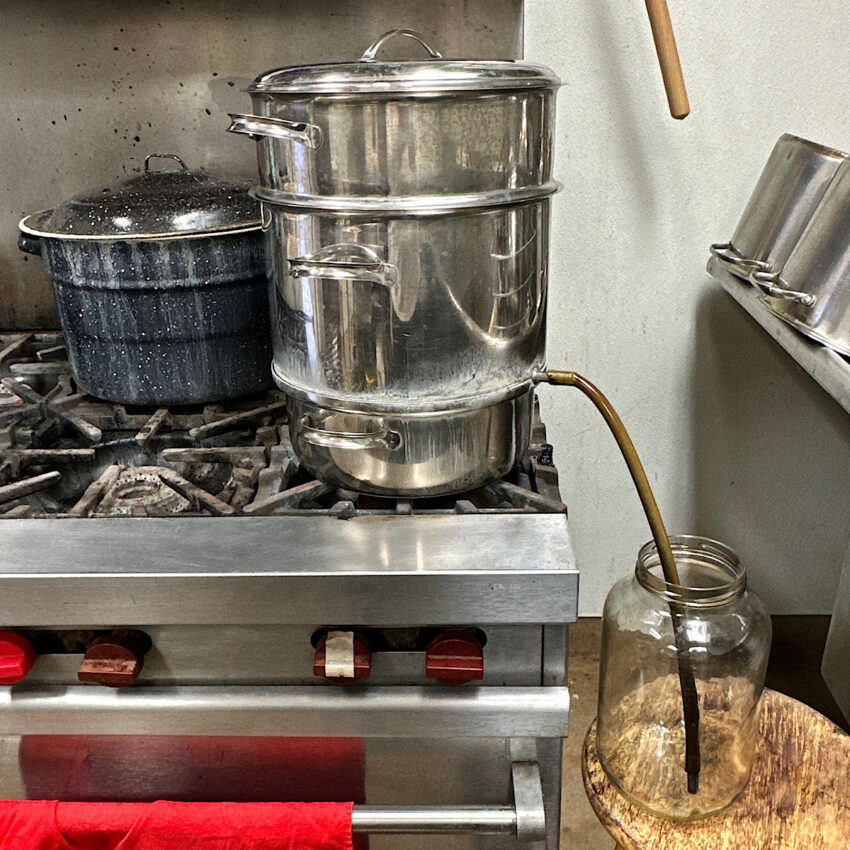
For hot shrubbing I have a stainless steel steam juicer from Finland (called a Mehu Liisa) that I use to extract the juice. It’s somewhat expensive, but you could steam your fruit in a double boiler if you’re just making a small batch and then strain.
If you are making larger batches, the Mehu Liisa works like a charm and definitely saves time and mess.
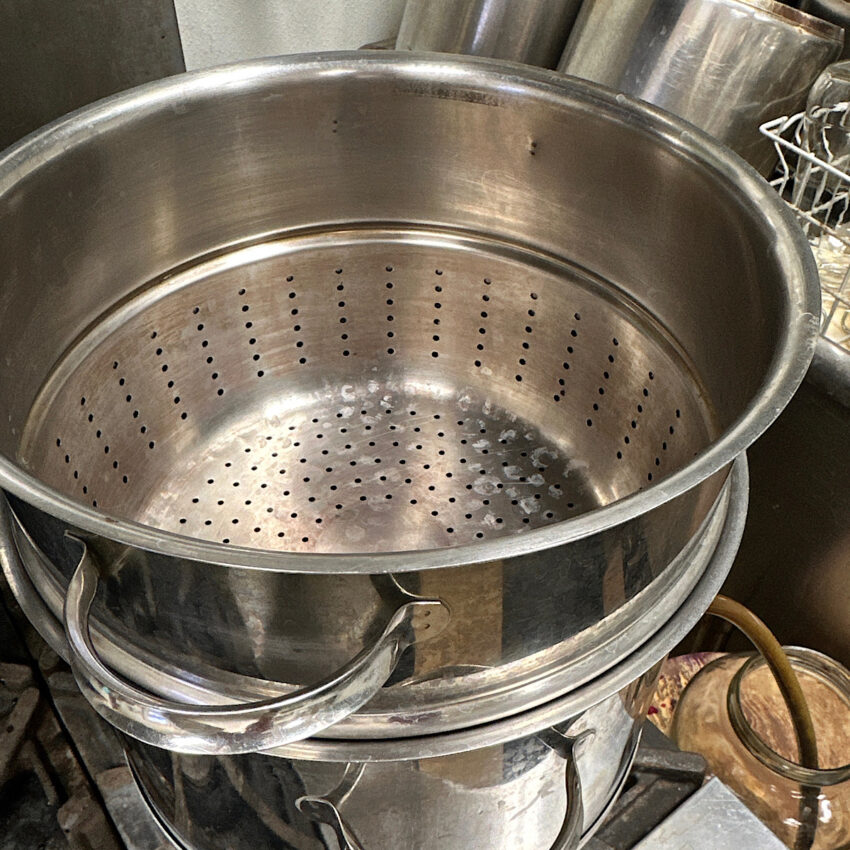
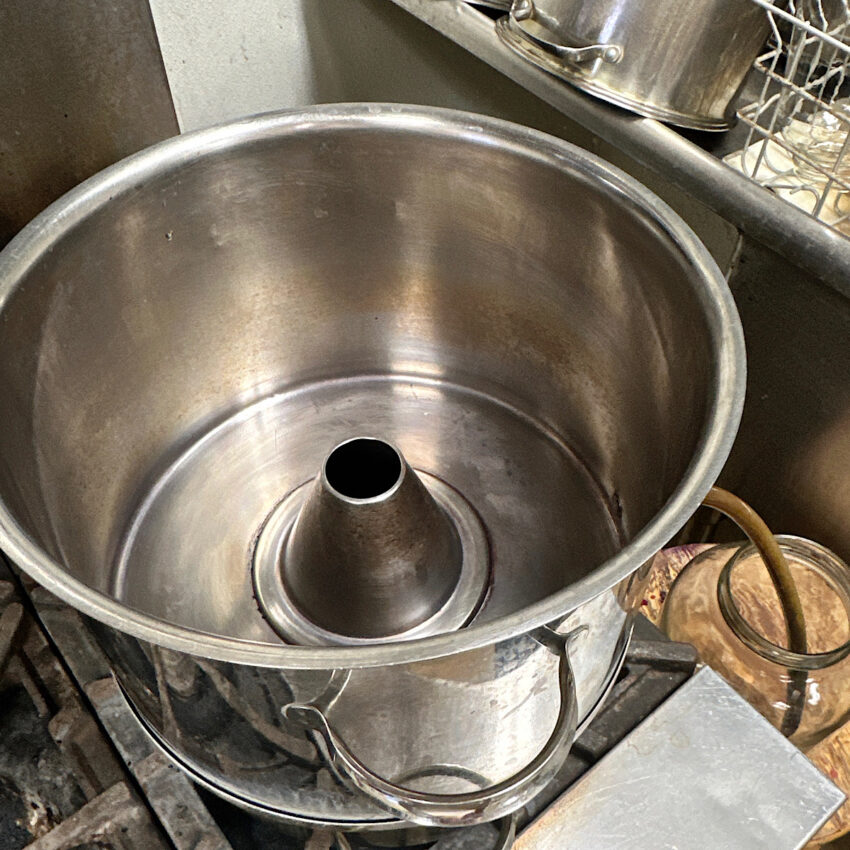
It is essentially a 3-piece double boiler with a strainer on top where you put the whole fruit, a middle section where the juice collects and is gravity-fed through a hose into your end vessel, and the boiler pot on the bottom to heat up the fruit and break it down into juice (see the photos below)
Once you’ve extracted the fruit juice you need to add the sugar and vinegar. Pour the juice into a pot and add the sugar. Heat the mix slowly to dissolve the sugar. You do not need to boil the syrup mixture, just simmer it enough to dissolve the sugar.
I personally like to heat the mixture to about 165 degrees before covering to evaporate some of the volatile elements of the vinegar. I think it mellows the syrup, but it certainly isn’t necessary.
I then bring the heat up to 160 degrees for 5 minutes or so to pasteurize.
How to Infuse Flavor with Spices and Herbs
If you want to add even more flavor to your simple syrup or shrub syrup, you can add whole spices or herbs to the pot as the sugar and fruit juice is heating up.
Bring the mixture to a boil, turn off the heat and let the pot sit for 20 minutes to an hour to infuse the flavors. Then strain the syrup into a bottle and refrigerate until ready to use.
With apples, you could also put them through an apple press. If you go the apple press route however, make sure and pasteurize your apple shrub in the end by bringing it up to 160 degrees for a short time.
This article from the University of Georgia is about making apple cider, but it has some good information on extracting juice from apples and when and why to pasteurize.
More Methods for Preserving Produce:
- Easy Green Tomato Pickles
- Freezing Summer Tomatoes (plus freezer tomato sauce recipe)
- Preserving Fresh Herbs as Herbal Infused Salts
- Freezing Compound Butters made with Fresh Herbs
- Red Pepper & Eggplant Spread for Cheese Trays & Sandwiches
- Homemade Dandelion Jelly
- Salt & Vinegar Cucumber Chips
- Quick & Easy Pickled Onions
- Sun dried tomato butter
FAQ
Simple syrup is just sugar and water. A shrub adds vinegar, which gives it a tangy, complex flavor and acts as a preservative.
Refrigerated, 6 months or longer. The vinegar acts as a natural preservative.
Apple cider vinegar is most versatile. White wine vinegar works for delicate fruits; balsamic works for berries. Avoid distilled white vinegar, as it’s too harsh.
No. For small batches, macerate soft fruit in sugar overnight (cold shrubbing) or simmer and strain through cheesecloth. A steam juicer like the Mehu Liisa just makes large batches easier.
Berries, stone fruits (peaches, plums), apples, pears, and citrus all work well. Soft fruits suit cold shrubbing; firmer fruits benefit from heat extraction.
For detailed guides on making shrub syrups, as well as drink recipes with shrub syrups, check out this category on homemade drink syrups.
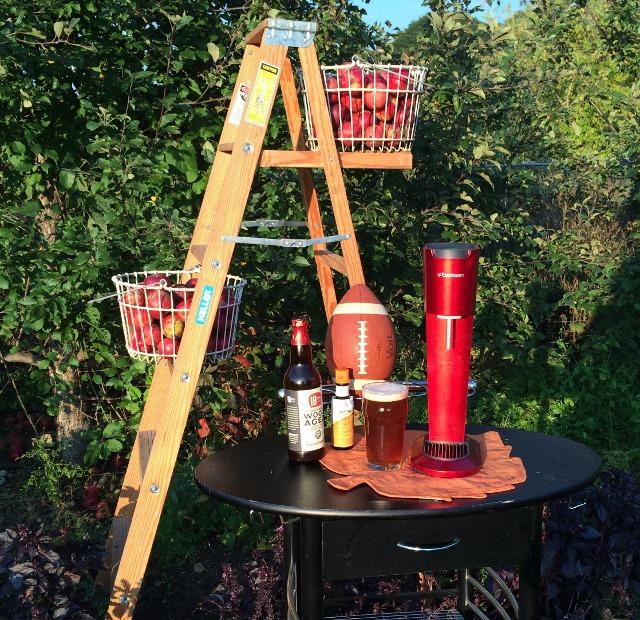
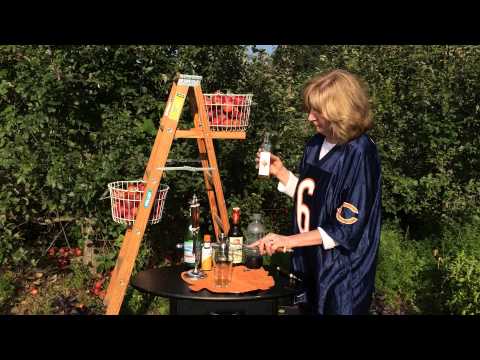
Apple Beer Cocktail
Equipment
- Tall beer glass
- Long stir spoon
Ingredients
- 1 ½ oz. Apple Shrub Syrup (apple juice with a touch of vinegar if you don’t want to make a shrub syrup)
- 6 oz. beer of your choice
- 2-3 dashes orange bitters
- 2 oz carbonated water
Instructions
- In a tall glass, add all of the ingredients except carbonated water and stir gently with a long bar spoon. Make sure all ingredients are really cold for the best drink.1 1/2 oz. Apple Shrub Syrup, 6 oz. beer of your choice, 2-3 dashes orange bitters
- Top it off with a little carbonated water to bring out the fizz.2 oz carbonated water
Video
Is it possible to pasturize shrubs so they don’t have to refrigeated? Would the flavor change?
Yes it is totally possible to bring shrub syrups up to pastuization temps. Depending on how much vinegar and/or sugar you use shrubs don’t really have to be refrigerated. Vinegar and sugar are both pretty heavy preservatives. I like to keep mine refrigerated because it keeps the taste fresher longer, rather than because it’s unsafe.
Hi. This a great post. I keep coming back to it for pointers. I am trying to make my own shrubs but am having difficulty getting a good batch. I have been macerating different fruit concoctions, pear ginger for instance, and tried with several types of vinegar and sugars. Could you tell me what is a good ratio of syrup to vinegar in order to have a good shelf life and taste after aging before use if it is being pastuerized after bottling? If you have any tips it would be greatly appreciated. I would love to talk with a pro. Thanks!
Hi Jeremy, Typically I will use about 1/3 vinegar, 1/3 sugar and 1/3 fruit. It really depends on the fruit however. Some fruits are more delicate tasting and can’t handle quite as much vinegar. Hope that helps!