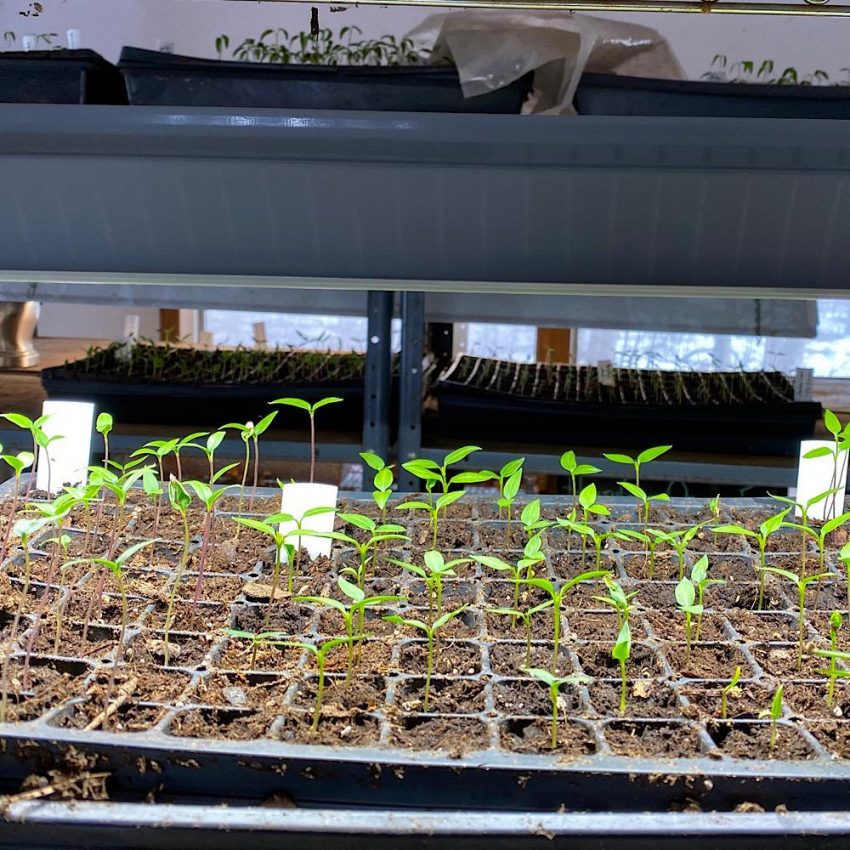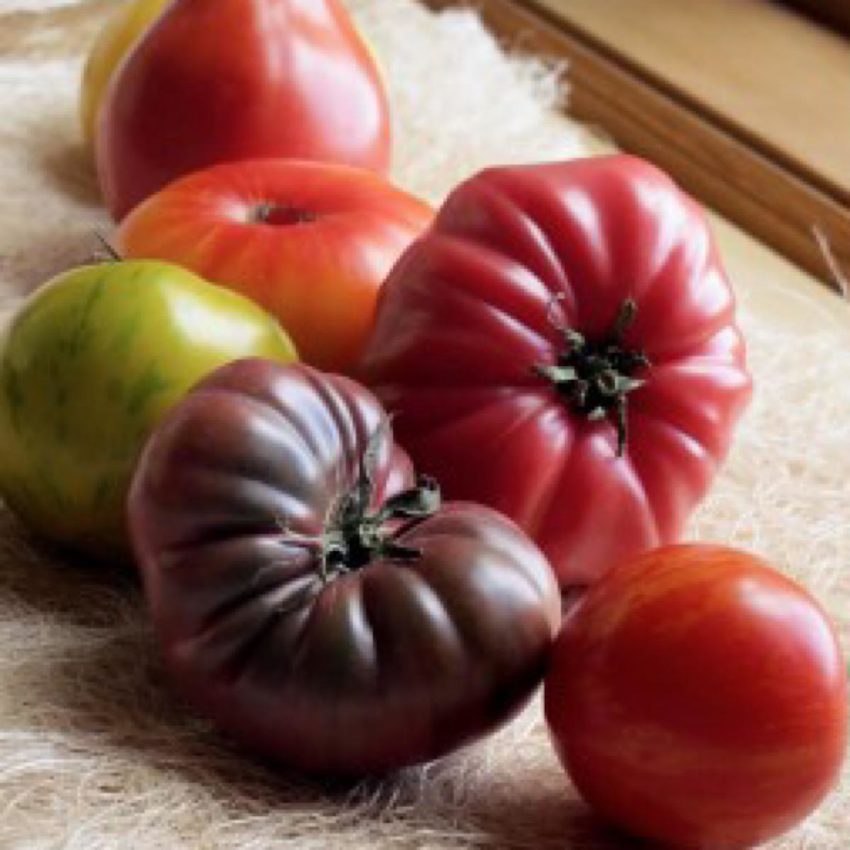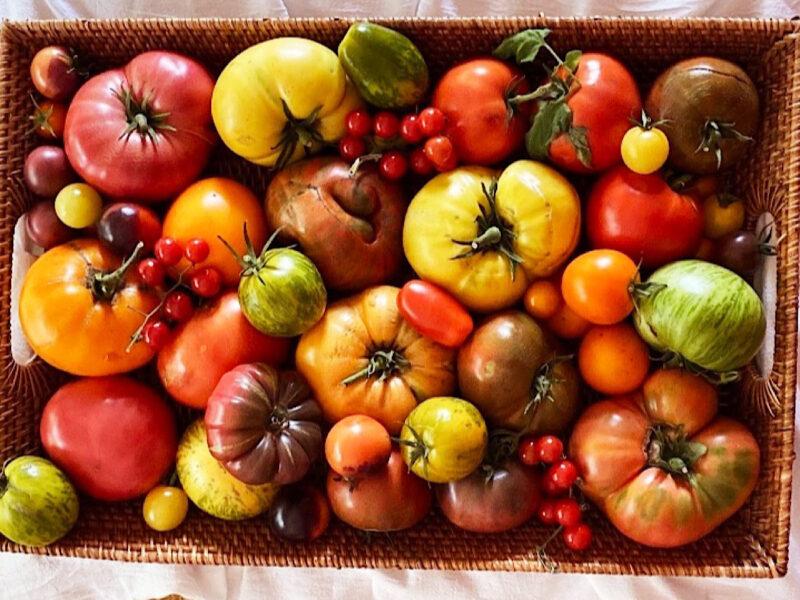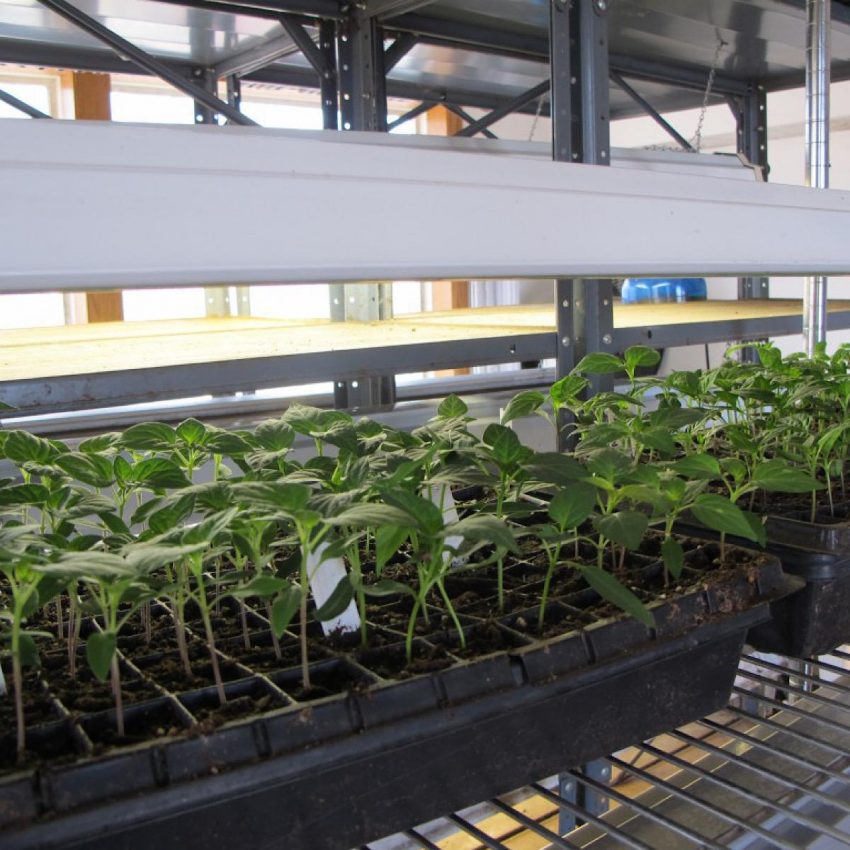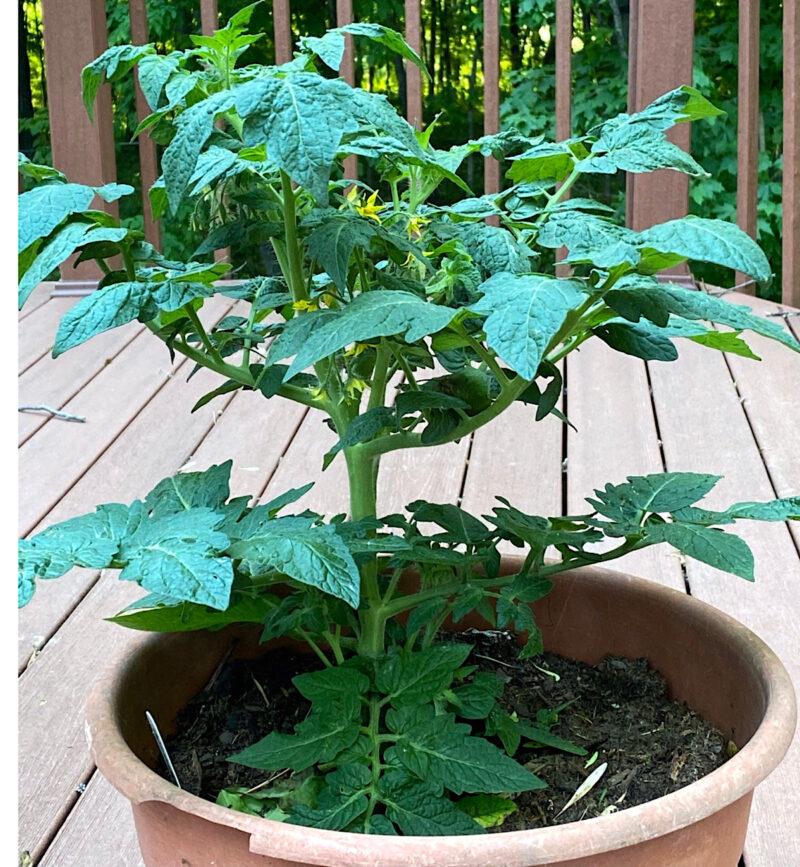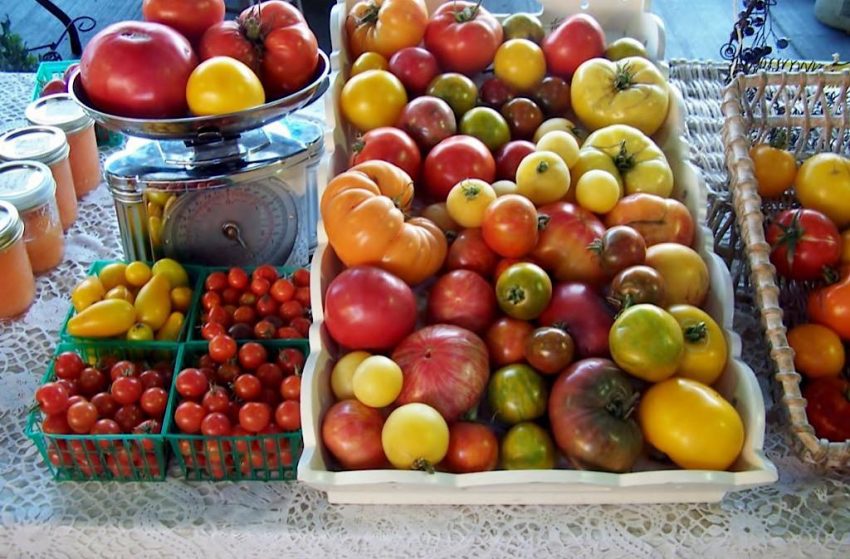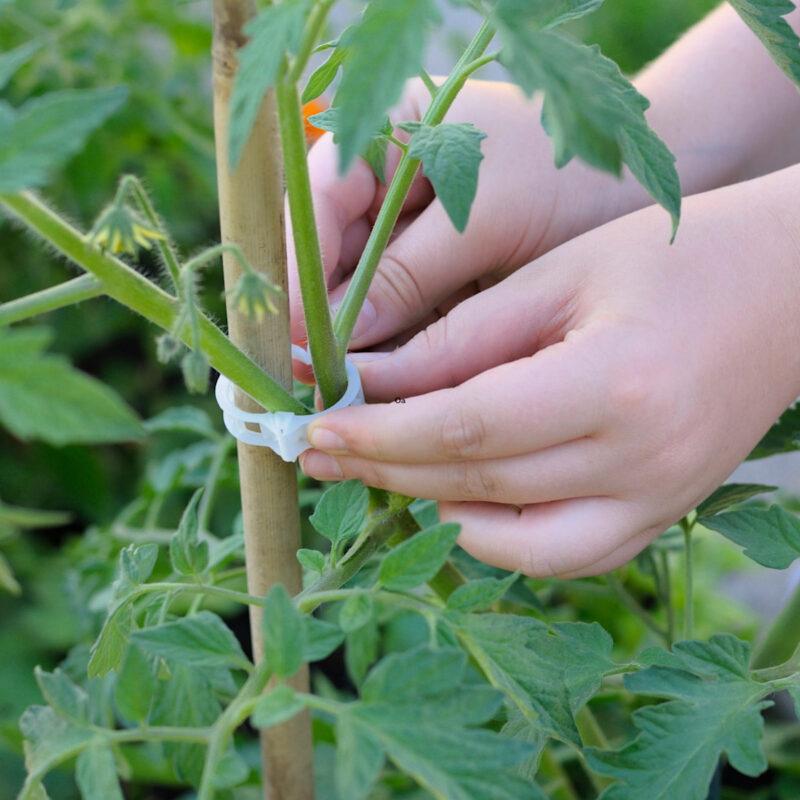
Gardeners, foodies and cooks all crave the tender, rich, juicy tomatoes that their grandparents grew. Heirloom varieties offer that taste memory, and it is the holy grail to grow your own.
This category covers the bases of growing, cooking and selecting the best plant for the intended use.
Quick Summary: A collection of tomato recipes from 20+ years of growing heirlooms at HeathGlen Organic Farm. From fresh summer salads to preserved sauces for winter, these recipes make the most of peak-season tomatoes. Includes savory dishes, drinks, preserving methods, and tips for cooking with different tomato varieties. Jump to: Recipes with Fresh Tomatoes | …
Read More about Best Heirloom Tomato Recipes from a Tomato Farmer
Quick Summary: The short answer is that “low acid tomatoes” as marketed by seed companies are largely a myth. All tomatoes fall within a narrow pH range (4.1 to 4.7), regardless of color. Yellow and orange varieties taste less acidic because they’re higher in sugar, which masks the tartness. If you’re avoiding tomatoes for digestive …
Read More about Are Low Acid Tomatoes Real? What the Research Actually Says
Quick Summary: The best-tasting tomatoes come from healthy plants grown in good sun, watered generously while developing and then tapered off as fruit ripens, and harvested at the breaker stage. Variety selection matters enormously, but so does how you grow them. This guide covers the factors you can control to maximize flavor: watering strategy, fertilizing, …
Read More about Guide for Growing Tomatoes for the Best Flavor
Quick Summary: Heirloom tomatoes aren’t necessarily harder to grow than hybrids, but they have characteristics that make them different to manage. The main challenges are disease susceptibility and shorter shelf life due to thin skins, not the actual growing process. If you select the right variety for your climate and don’t have disease pressure in …
Read More about Are Heirloom Tomatoes Harder to Grow Than Regular (Hybrid) Tomatoes?
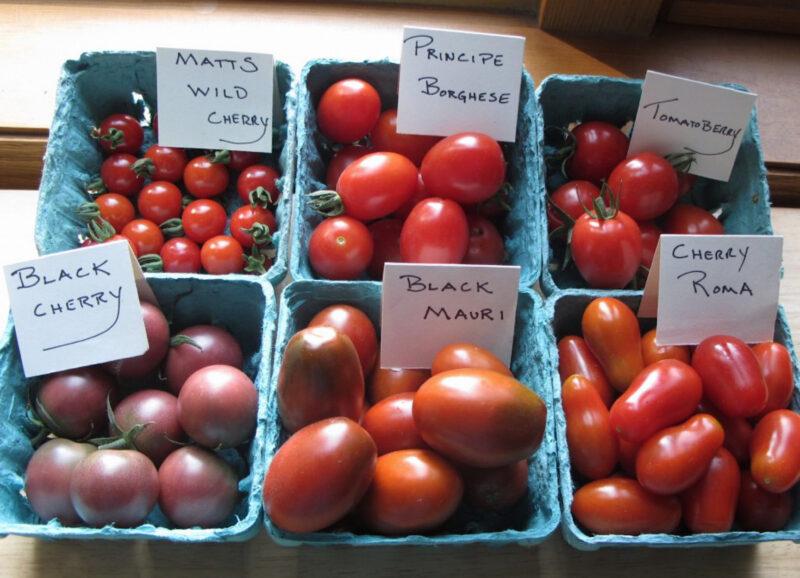
Quick Summary: The essential Italian tomato varieties for home gardeners who love to cook. Includes paste tomatoes for sauces (San Marzano, Schiavone, Corbarino), beefsteaks for salads and sandwiches (Cuore di Bue, Costoluto Genovese), and specialty varieties for drying and storage (Principe Borghese, Piennolo). Tips on growing, container gardening, and troubleshooting. From a farmer who grows …
Read More about Best Italian Tomato Varieties for Your Kitchen Garden
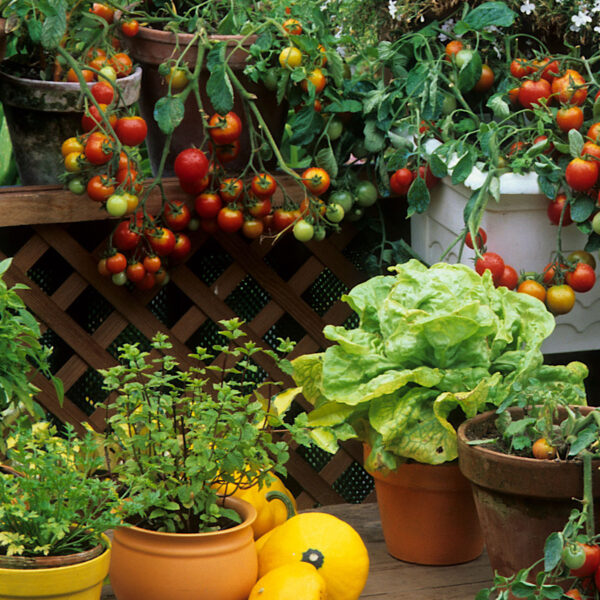
Quick Summary: Container vegetable gardening requires good drainage, appropriately sized pots, sterile potting soil, consistent watering, and regular fertilizing. Determinate tomatoes, peppers, herbs, and salad greens are excellent choices for pots. Prep: Minimal | Difficulty: Beginner Jump to: Growing Vegetables in Pots | Choosing the Right Pot | How to Grow Veggies in Pots | …
Read More about Growing Vegetables in Containers: 6 Keys to Success
Quick Summary: An Italian kitchen garden needs tomatoes (paste, slicer, and cherry types), squash, beans, chicory, peppers, eggplant, kale, broccoli, onions, lettuce, and herbs like basil, oregano, and parsley. Grow in the ground or containers. Most Italian varieties thrive in US gardens with warm summers. Read time: 12 min | Experience level: Beginner to intermediate …
Read More about Italian Vegetable Varieties: What to Grow for Italian Cooking
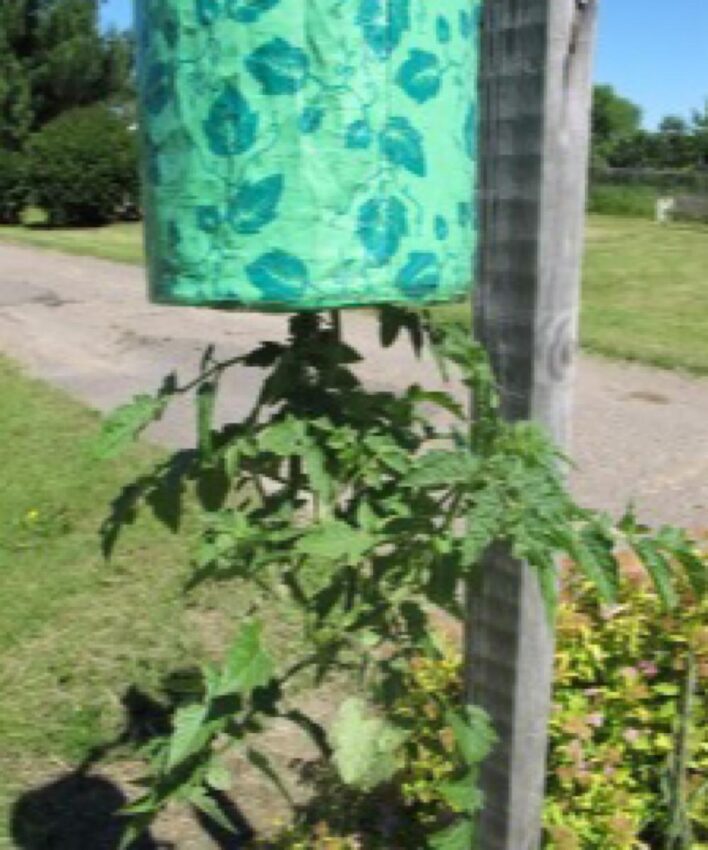
Quick Summary: Grow tomatoes in hanging baskets using small, determinate varieties like Tumbler, Tumbling Tom, or Tiny Tim. Use a sturdy basket at least 12 inches wide and deep with drainage holes. Water daily in summer heat. Fertilize regularly since nutrients leach with each watering. Choose a sunny spot protected from strong wind. Read time: …
Read More about Growing Tomatoes in Hanging Baskets: Best Varieties and Tips
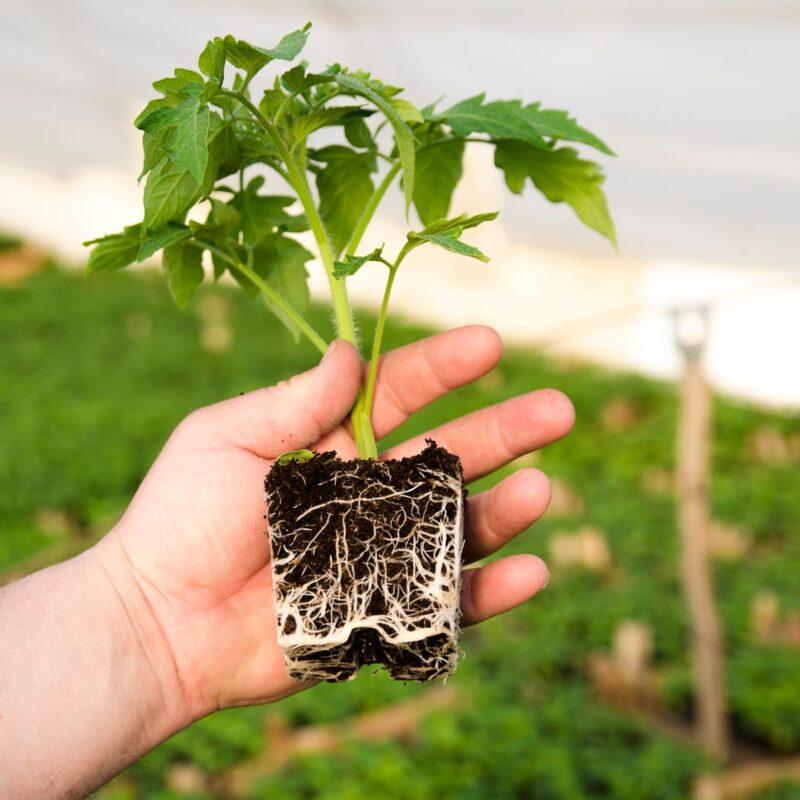
Quick Summary: Root bound tomatoes have roots circling into a dense mat from being in a too-small container too long. Signs include roots spilling from drainage holes, stunted growth, and misshapen leaves. Fix by gently loosening the root ball before transplanting. Prevention: pot up seedlings when they have two sets of true leaves, and use …
Read More about Root Bound Tomato Plants: How to Identify and Fix Them
Quick Summary: Grow bags are reusable for multiple seasons if cleaned and stored properly. After harvest, remove soil, scrub the bag, soak in warm soapy water, rinse, and dry completely before storing flat. Replace potting soil each year for tomatoes to avoid disease buildup, or solarize old soil and add fresh compost. Quality bags last …
Read More about Reusing Grow Bags for Tomatoes: Cleaning, Storage, and Soil Tips
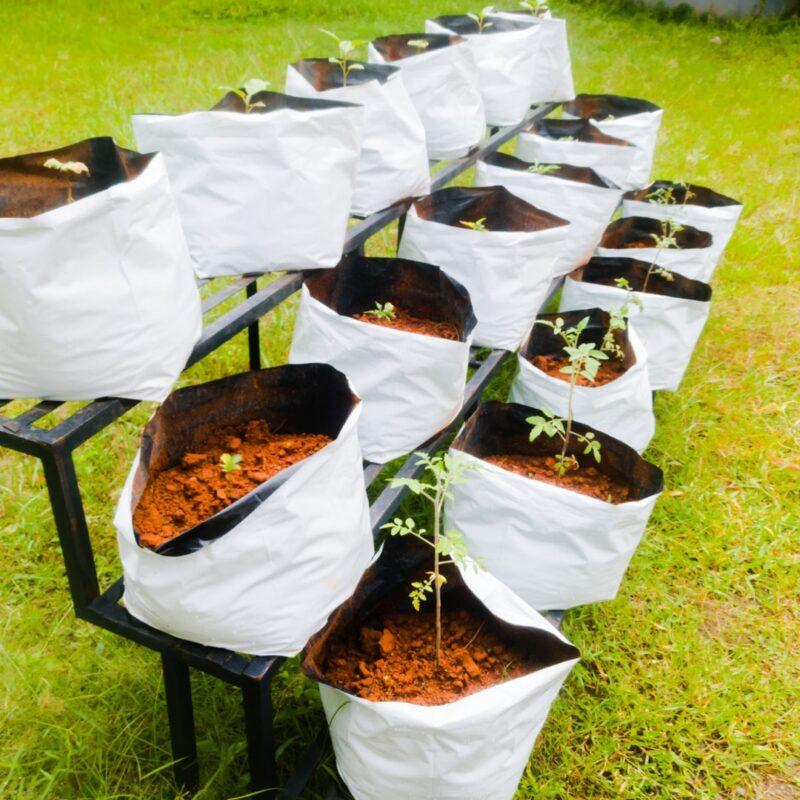
Quick Summary: Grow bags offer excellent drainage and air pruning for tomato roots. Use 7-10 gallon bags for determinate varieties, 15-20 gallons for indeterminate. The porous fabric dries out faster than plastic pots, so check soil daily in hot weather. One plant per bag for best results. Read time: 12 min | Experience level: Beginner …
Read More about How to Grow Tomatoes in Grow Bags: Sizes, Setup, and Tips
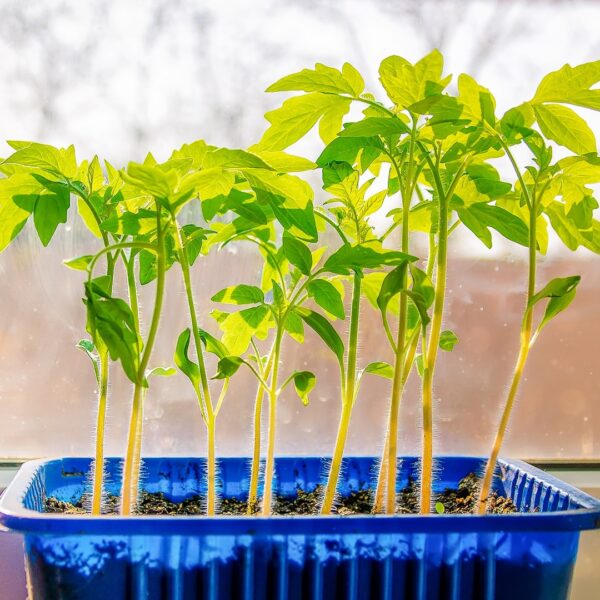
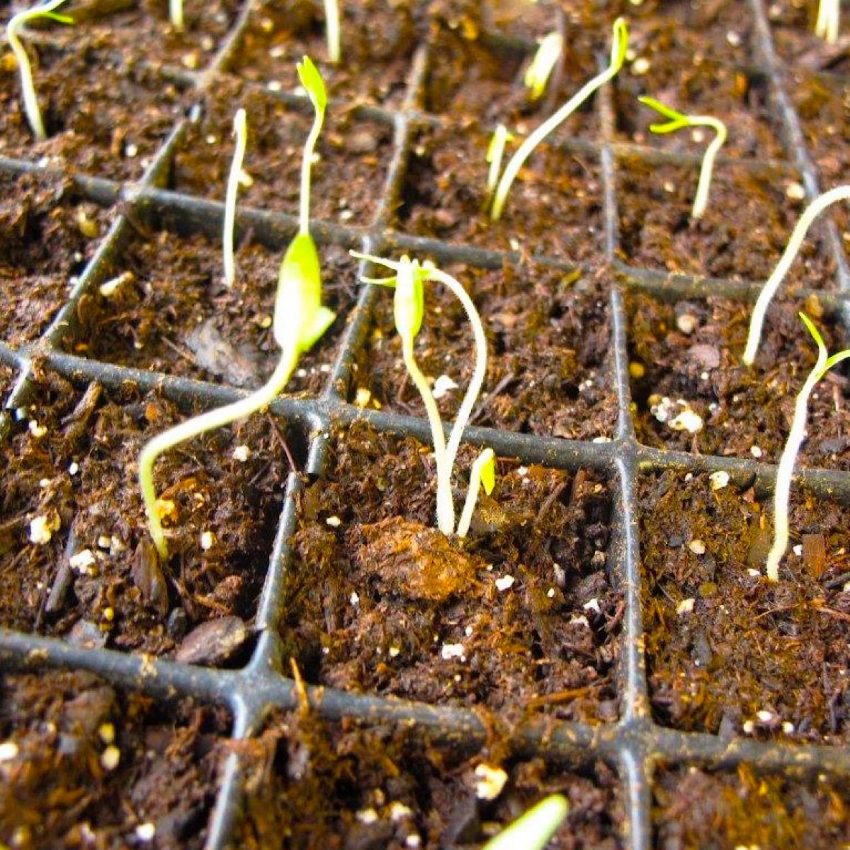
Quick Summary: Leggy tomato seedlings are caused by insufficient light, excessive heat, overcrowding, or starting seeds too early. Fix them by moving grow lights closer, reducing temperature after germination, thinning seedlings, and planting deep when transplanting. Tomatoes grow roots from buried stems, so deep planting corrects legginess. Read time: 8 min | Experience level: Beginner …
Read More about Why Are My Tomato Seedlings Leggy? Causes and Fixes
Quick Summary: Phenology uses nature’s signals (blooming plants, migrating birds, emerging insects) to determine optimal planting times. For tomatoes in Zone 4-5, wait until Memorial Day regardless of warm spring temperatures. Other cues: plant corn when oak leaves are squirrel-ear sized, potatoes when dandelions bloom, peas at apple blossom time, squash and beans when lilacs …
Read More about When to Plant Tomatoes: Using Nature’s Cues (Phenology)
Here’s how to get every last tomato from your plants. Quick Summary: Tomatoes cannot tolerate frost. Extend the season by covering plants when nighttime temps drop below 60°F, removing flowers and small fruit that won’t mature, reducing watering to encourage ripening, and harvesting green tomatoes before a killing frost. Cold-tolerant varieties like Glacier, Stupice, and …
Read More about How to Protect Tomatoes from Frost and Extend Your Harvest