
Quick Summary: A complete guide to stocking your pantry for Mexican cooking, from everyday meals to holiday celebrations. Covers dried chiles, spices, masa, canned goods, and specialty ingredients. Includes guidance on where to source ingredients and how to substitute when needed. Built from years of cooking with friends from the Bajío region of Mexico and teaching Mexican cooking techniques.
Jump to: Celebration Dishes | Dried chiles | Spices | Grains | Canned | Nuts | Baking | Beverages | FAQ
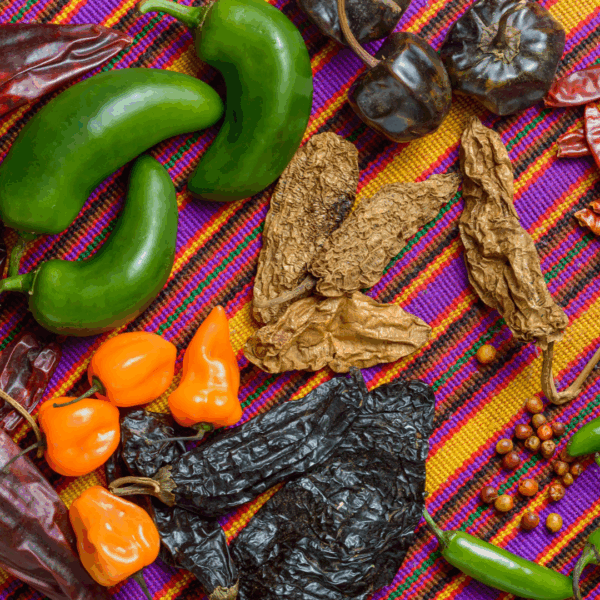
Mexican cooking becomes dramatically easier when your pantry is ready. The difference between struggling through a recipe and enjoying the process often comes down to whether you have the right dried chiles, the proper spices, and a few key staples on hand.
I learned to stock a Mexican pantry from mi amiga from the Bajío region of Mexico, who taught me that authentic Mexican cooking doesn’t require dozens of exotic ingredients. It requires the right foundation: good dried chiles, quality masa harina, a few essential spices, and pantry staples that keep for months.
This guide covers everything you need for Mexican cooking, from weeknight tacos to holiday tamales and moles. Use it as a checklist to build your pantry over time. Once stocked, you’ll be ready to make nearly any Mexican recipe without a special shopping trip.
This post may contain affiliate links. As an Amazon Associate, I also earn from qualifying purchases. You can read our disclosure information here–
Classic Mexican Celebration Dishes
Before diving into pantry ingredients, it helps to understand what you’re stocking for. Mexican celebrations center on dishes that have been prepared the same way for generations.
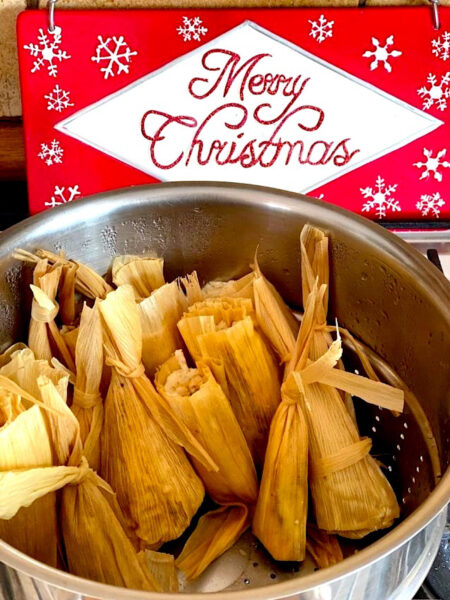
Tamales are the quintessential celebration food. Time-consuming to make (which is why families gather for tamaladas, or tamale-making parties), tamales can be sweet or savory, mild or spicy. They require masa harina, dried corn husks, lard, and fillings of your choice. Step-by-step tamale tutorial
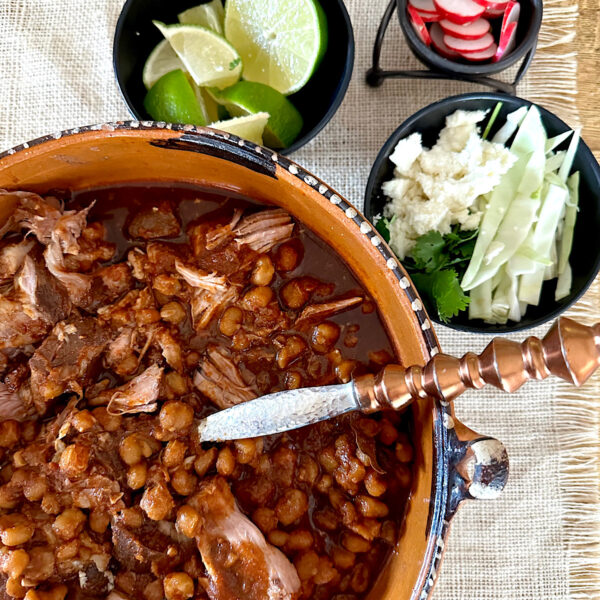
Pozole is one of Mexico’s oldest stews: pork or chicken simmered with hominy in a chile-spiced broth. It’s served at fiestas and family gatherings, more casual than mole but deeply traditional. Traditional pork pozole rojo
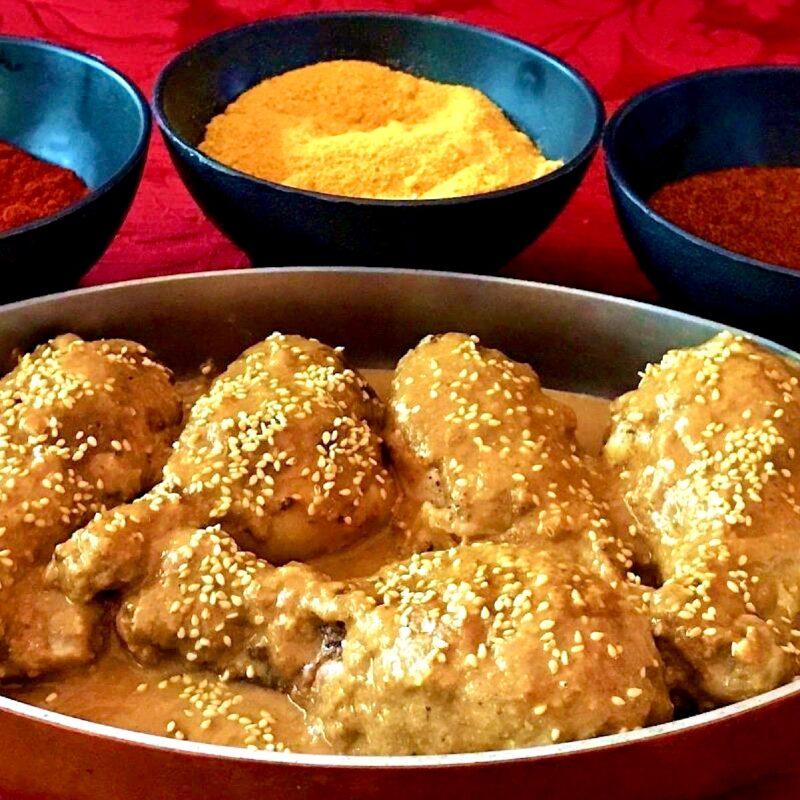
Moles are the complex sauces that define Mexican haute cuisine. Made from dried chiles, nuts, seeds, spices, and often chocolate, moles require the most extensive pantry but deliver extraordinary depth. Chicken mole rojo
Celebration beverages include champurrado (chocolate-masa drink), atole (warm masa beverage), and ponche navideño (warm fruit punch). All require masa harina, piloncillo, and warming spices.

Dried Chiles: The Foundation of Mexican Flavor
Dried chiles are the backbone of Mexican cooking. Understanding even a few varieties opens up most traditional recipes.
- Ancho: Dried poblano pepper. Mild heat, smoky-sweet with notes of dried fruit and chocolate. The most commonly used dried chile. Essential for mole, enchilada sauce, and chile colorado.
- Guajillo: Bright red with tangy, slightly fruity flavor. Mild to medium heat. Often paired with anchos for complexity. Used in salsas, adobos, and pozole.
- Pasilla (Chile Negro): Long, dark, wrinkled. Earthy with berry undertones. Mild heat. Common in moles and table salsas.
- Chipotle: Smoked, dried jalapeño. Smoky heat with tobacco and chocolate notes. Available dried or canned in adobo sauce. Essential for smoky salsas and marinades.
- Chile de Árbol: Small, bright red, very hot. Used for heat rather than complex flavor. Add sparingly to salsas and oils.
- Morita: Smaller smoked jalapeño, fruitier than chipotle meco. Often more affordable.
Storage: Keep dried chiles in airtight containers away from light. They’ll last 6-12 months. Older chiles lose potency but remain usable.
Substitutions: In a pinch, quality chile powder can substitute for whole dried chiles. Use about 1 tablespoon powder per whole chile. The flavor will be less complex but acceptable.
Check out these guides to drying or smoking your own chile peppers:
Spices and Herbs
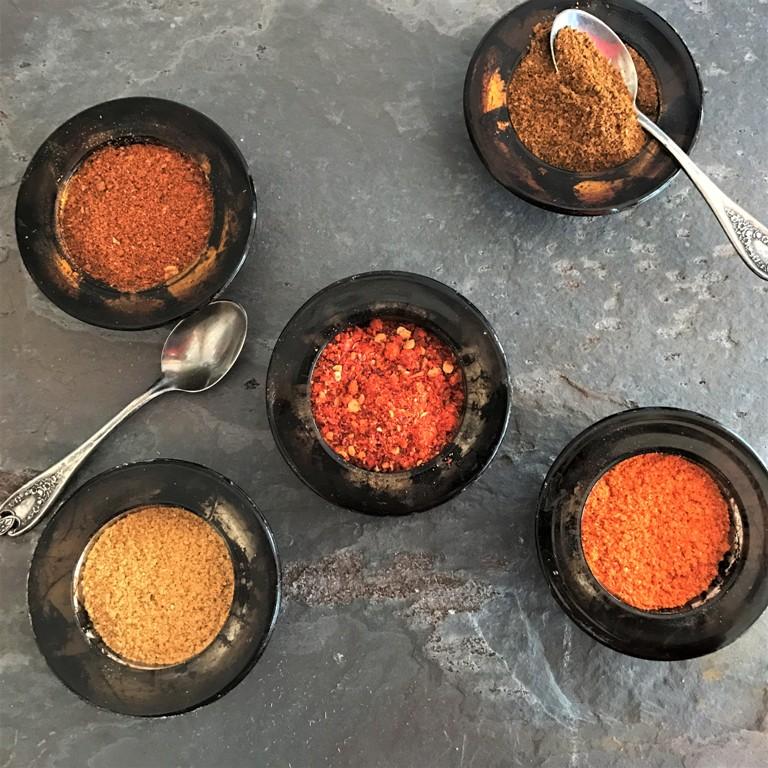
Mexican cuisine uses a distinctive spice palette that differs from other Latin American cooking. Here are some of the most popular spices for Mexican cooking (remember to refresh spices consistently as they do go stale):
Essential spices:
- Cumin (comino): Earthy, warm. Toast whole seeds and grind fresh for best flavor.
- Mexican oregano: Different from Mediterranean oregano. More citrusy and less sweet. Worth seeking out.
- Cinnamon (canela): Mexican cinnamon (Ceylon) is softer and more floral than cassia cinnamon. Used in both sweet and savory dishes.
- Coriander: Warm, citrusy. The seed form of cilantro.
- Cloves: Used sparingly in moles and pickling brines.
- Allspice: Warm, complex. Common in Yucatecan cooking.
- Achiote (annatto): Earthy, slightly peppery. Provides the red-orange color in cochinita pibil and other Yucatecan dishes.
- Tamarind powder
Fresh herbs:
- Cilantro: Essential. No good dried substitute.
- Epazote: Pungent herb used with beans and in quesadillas. Dried works if fresh unavailable
- Bay Leaves
- Thyme
Spice blends: Keep ancho powder, chipotle powder, and a general Mexican chile blend on hand for quick cooking when whole chiles aren’t practical.
Masa, Grains, and Dried Beans
Grains and dried beans are a standard pantry item for any cuisine, but the list below highlights those that are of particular value to Mexican celebration food.
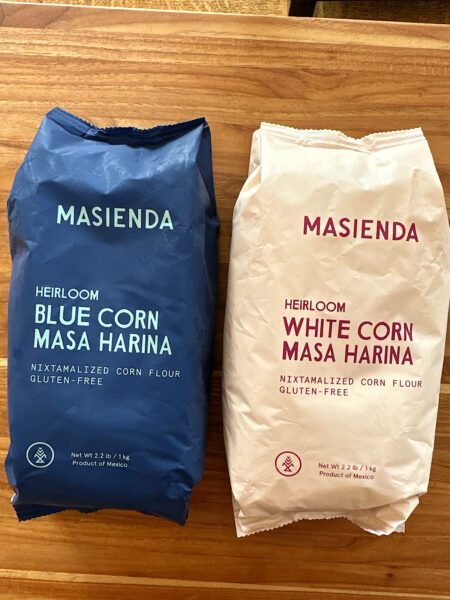
- Masa harina: Corn flour treated with lime (nixtamalization), used for tortillas, tamales, and beverages like champurrado. Maseca is widely available; Masienda offers heirloom varieties.
- Rice: Long-grain white rice for Mexican rice (arroz rojo). Medium-grain for rice pudding.
- Dried beans: Pinto beans and black beans are most common. Dried beans have better texture than canned for refried beans and frijoles de olla.
- Hominy (pozole): Dried or canned corn kernels treated with lime. Essential for pozole. Canned is convenient; dried has better texture.
- Pasta: Fideo (thin vermicelli) for sopa de fideo, a comfort food staple.
- Corn husks: Dried husks for wrapping tamales. Soak in warm water until pliable before using.
- Tortillas: Fresh corn tortillas are ideal. Keep flour tortillas for specific dishes. For longest storage, freeze.
Canned, Jarred, and Pouched Ingredients
Pantry food needs ingredients that have a long shelf life, which usually excludes fresh fruit and vegetables as well as meat. Here are some fruit, vegetable and protein items that would come in handy when you need to make Mexican celebration food in a hurry and don’t have access to fresh ingredients:
- Tomatoes: Canned fire-roasted tomatoes, diced tomatoes, and tomato puree. Rotel (tomatoes with green chiles) is useful for quick salsas.
- Chipotles in adobo: Smoked jalapeños in tangy red sauce. A tablespoon adds smoky heat to anything. Freeze unused portion in ice cube trays.
- Beans: Canned pinto, black, and garbanzo beans for quick meals. Look for low-sodium.
- Hominy: Canned hominy for pozole when dried isn’t practical.
- Broth: Chicken broth is most versatile. Tomato bouillon (caldo de tomate) adds depth to Mexican rice.
- Evaporated and condensed milk: For flans, tres leches, and other desserts.
- Salsa verde: Jarred tomatillo salsa for quick meals. Homemade is better but jarred works.
- Tomato Salsas
- Nut butters (peanut, almond)
- Dried fruit (including raisins)
Nuts and Seeds
Nuts and seeds are used extensively in Mexican cooking. Here are some of the most popular:
- Pepitas (pumpkin seeds): Used in pipián (green mole) and as garnish. Toast before using.
- Sesame seeds: Essential for mole. Toast until golden.
- Peanuts: Used in some moles and as snacks.
- Pine nuts: Traditional in picadillo and some regional dishes. Expensive but distinctive.
- Almonds or Pecans: Used in moles and chiles en nogada filling.

Baking Supplies
Mexican baked goods are extremely popular during the holidays and most of the ingredients needed can be stored in the Mexican pantry for quite a while. Be sure to include:
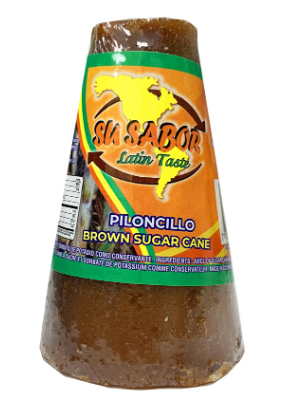
- Piloncillo: Unrefined cane sugar sold in cones. Deep molasses flavor essential for authentic champurrado, candied pumpkin, and some moles. Dark brown sugar substitutes in a pinch.
- Mexican vanilla: Richer and more complex than standard vanilla. Worth seeking out.
- Ibarra chocolate: Mexican chocolate tablets with cinnamon and sugar. Used for hot chocolate and champurrado. Abuelita is another common brand.
- Lard: Traditional fat for tamales and refried beans. Provides flavor and texture that oil can’t replicate. Look for leaf lard for best quality.
- Instant nonfat dry milk
- All purpose flour
- Vinegar (apple cider vinegar)
Beverages and Miscellaneous
- Tequila and mezcal: For drinking and cooking. Blanco tequila for bright flavors; reposado for depth.
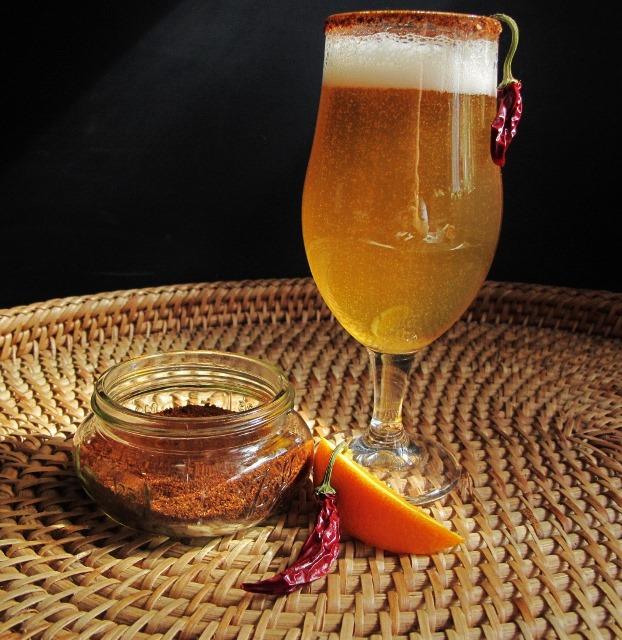
- Mexican beer: For micheladas and cooking.
- Tamarind: Paste or pods for agua fresca, candies, and sauces.
- Hibiscus (jamaica): Dried flowers for agua de jamaica. Tart, cranberry-like flavor.
- Queso fresco, Oaxacan cheese, cotija: Fresh Mexican cheeses for garnishing. Queso fresco crumbles; Oaxacan melts; cotija is salty and aged.
Where to Source Mexican Ingredients
- Mexican grocery stores: Best selection and prices for dried chiles, masa, piloncillo, and specialty items. Staff can often help with questions.
- Mainstream supermarkets: Most now carry basics: canned chipotles, dried chiles, masa harina, Mexican cheeses. Selection varies by region.
- Online: Amazon, MexGrocer.com, and Masienda carry specialty items. Useful for hard-to-find ingredients.
- Farmers’ markets: Fresh chiles in season, sometimes dried chiles from local growers.
FAQ
Ancho and guajillo. Together they cover most recipes: enchilada sauce, chile colorado, pozole, and many salsas. Add chipotle (canned in adobo is fine) for smoky heat.
Yes, but the flavor differs. Mediterranean oregano is mintier; Mexican oregano is more citrusy. Use about two-thirds the amount if substituting Mediterranean.
Mexican grocery stores, the international aisle of some supermarkets, or online. Dark brown sugar (packed) substitutes at roughly 1 cup per cone.
Six months to a year in airtight containers away from light. They lose potency over time but remain usable. If brittle and faded, they’re past prime.
Masa harina is nixtamalized (treated with lime), which changes the flavor and texture fundamentally. Cornmeal cannot substitute for masa harina in tortillas, tamales, or Mexican beverages.
Lard provides traditional flavor in tamales and refried beans. Vegetable shortening or oil can substitute but the taste differs. For tamales especially, lard makes a noticeable difference.
More Classic Mexican Celebration Food
Some of the other classic celebration dishes include:
- Chocoflan (Impossible Cake)
- Calabaza en Tacha (candied pumpkin)
- Chile Colorado with Nopales
- Chile Verde Stew
Your site has been very helpful to me. I had no idea what staples to keep in my kitchen. My husband is Mexican and I like to cook for him but it’s a learning process.plus the differences in peppers of which I have no idea. Have found your site very helpful
Music to my ears! I really try hard to be helpful and I appreciate you taking the time to let me know. Makes my day!