
Quick Summary: A distinctive variation of chile colorado featuring tender pork and fresh cactus paddles (nopales). The nopales add a bright, slightly tangy contrast to the rich red chile sauce. Includes video tutorial on removing cactus thorns. Uses a spice blend for easier preparation. Prep: 40 min | Cook: 40 min | Serves: 4
Jump to: RECIPE | How This Chile Colorado is Different | Cooking with Cactus (Nopales) | How to De-Thorn Nopales | How to Serve Nopales | FAQ
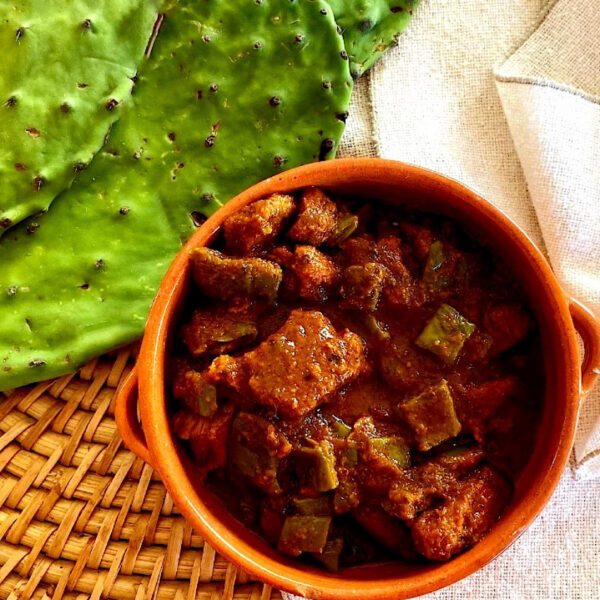
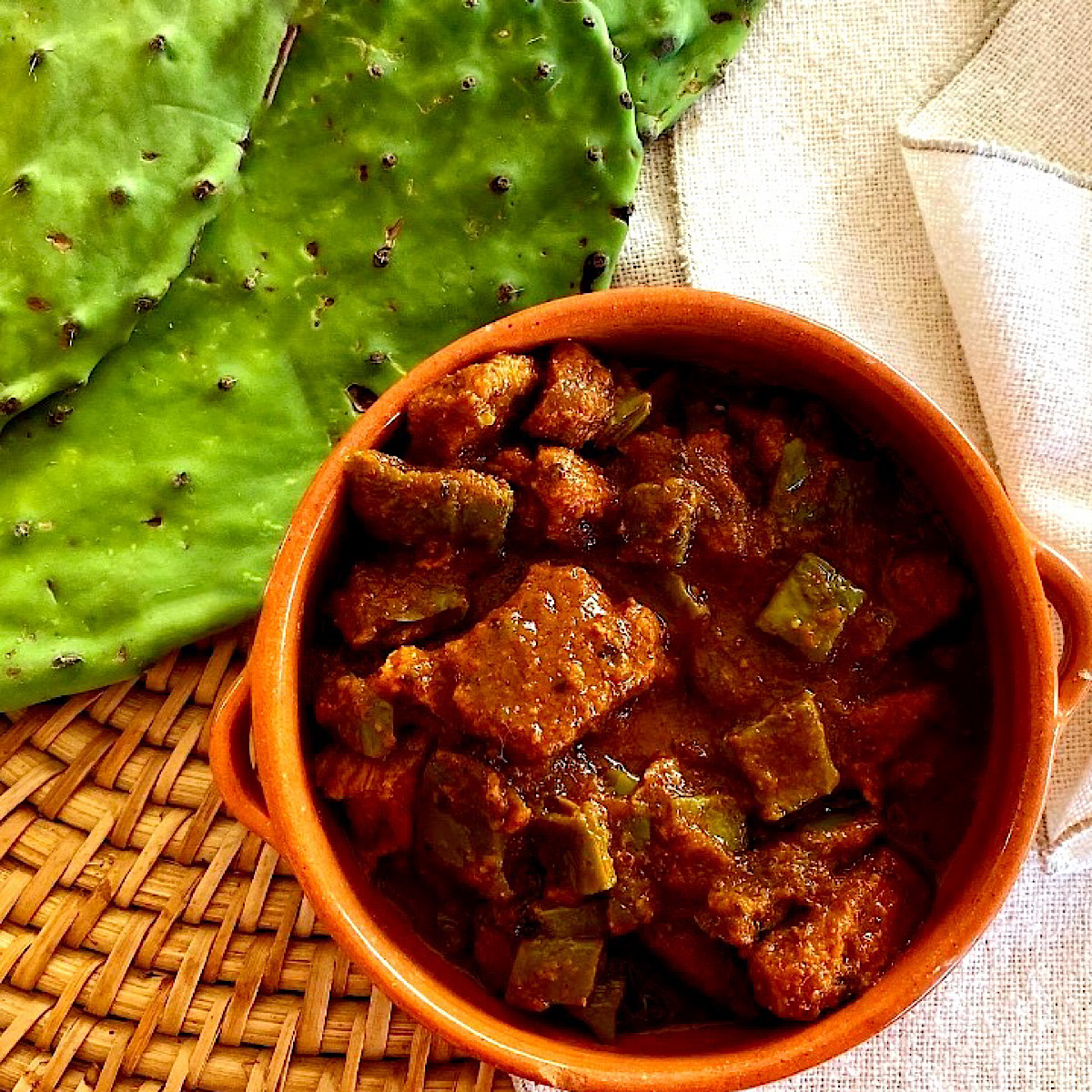
This recipe for pork and nopales (cactus) is a traditional Mexican lunch or dinner. This version of Chile Colorado is made with pork and an enchilada spice blend, rather than using dried, and then rehydrated, peppers.
It saves a lot of time and is much easier to use a good powdered spice blend (recipe for our homemade spice blend is included).
No matter the time of day or the season, this is a super easy recipe, and I’ll also show you how to ”de-thorn” the cactus (nopales).
This post may contain affiliate links. As an Amazon Associate, I also earn from qualifying purchases. You can read our disclosure information here–
How This Chile Colorado is Different
This chile colorado uses pork instead of beef and adds something unexpected: cactus paddles, which are called nopales. If you’ve never cooked with cactus, this is a great introduction.
Nopales have a clean, slightly tangy flavor that cuts through the richness of the chile sauce. They’re a traditional Mexican ingredient that’s becoming easier to find in mainstream grocery stores.
The chile colorado base is the same red chile sauce that defines this dish, made here with a spice blend for convenience. The pork cooks quickly since it’s diced rather than in large chunks. The result is a vibrant stew that’s different from the classic beef version but equally wonderful.
Can You Really Eat Cactus?
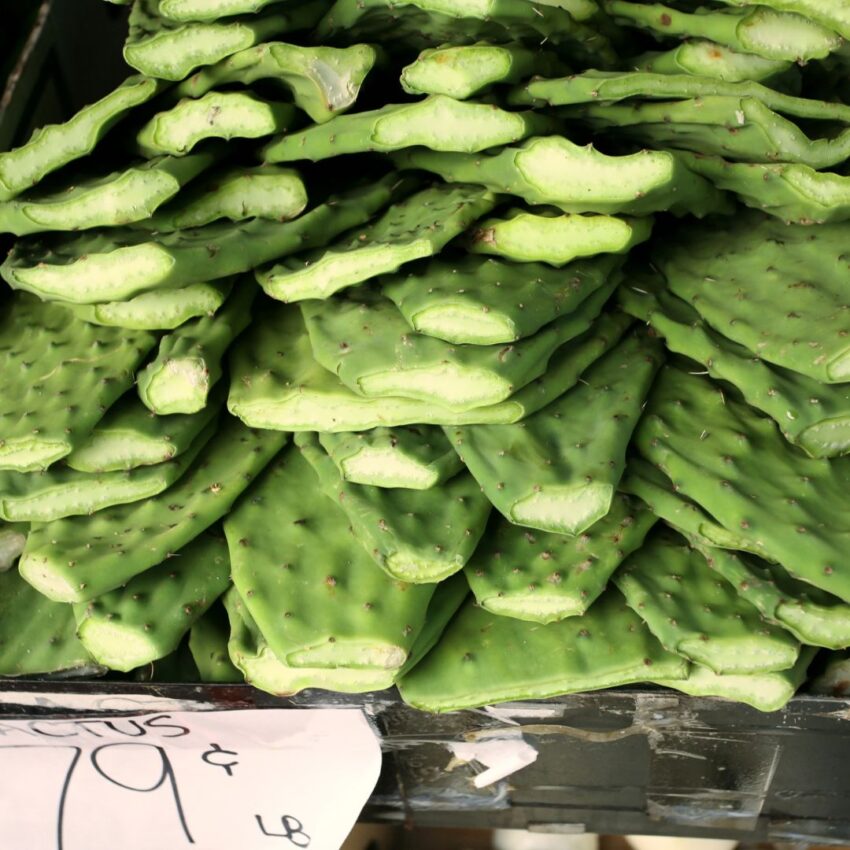
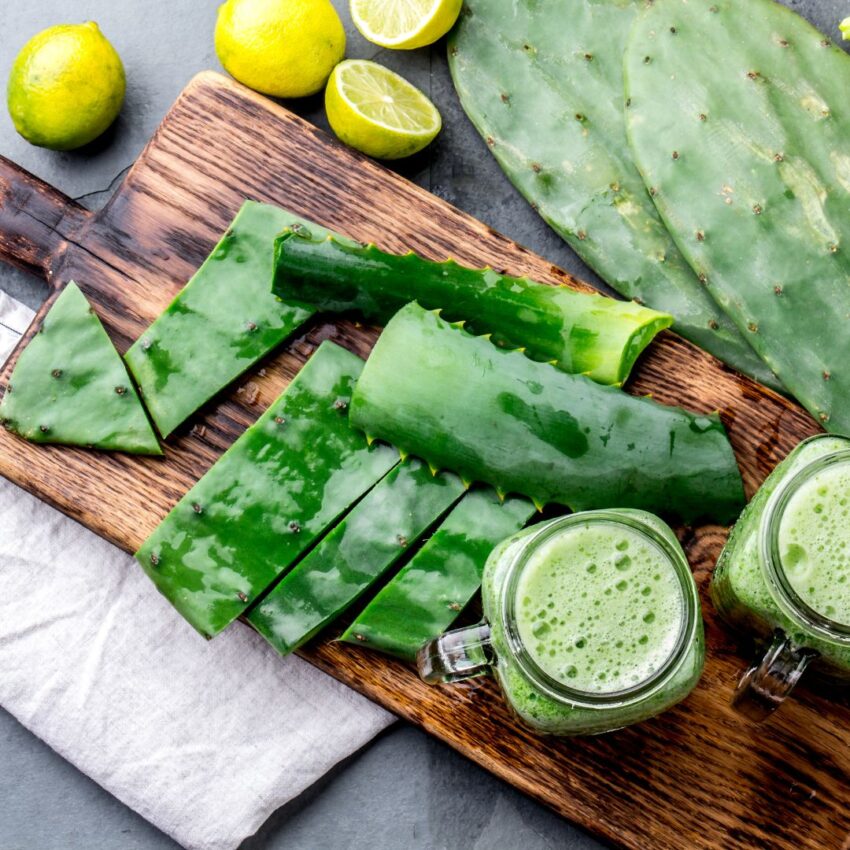
Yes. Nopales (cactus paddles) are a common vegetable in Mexican cooking and have been eaten for thousands of years. They’re nutritious, low in calories, and have a pleasant, slightly tart flavor similar to green beans or asparagus.
The most common edible variety is the Nopal cactus, sometimes called prickly pear cactus. You can find fresh paddles at Mexican grocery stores, many mainstream supermarkets, and even some Asian markets. Canned or jarred nopales are also available and work in this recipe if fresh aren’t available.
Nopales, dried chiles, and Mexican oregano are all staples worth keeping stocked. For the full list, here’s a Mexican pantry stocking guide
The key to cooking nopales is not overcooking them. They release a mucilaginous liquid (similar to okra) when overcooked, becoming slimy. Cook just until they turn from bright green to a paler color, about 10 minutes.
For information on the health benefits of this cactus, see this article in Medical News Today.

What Do Nopales Taste Like?
They have a pleasant, slightly tart flavor similar to green beans or asparagus. The texture can become slimy if overcooked, so do not cook them longer than 10 minutes.
How to Remove Thorns from Fresh Cactus
Fresh cactus paddles come with small thorns that must be removed before cooking. After trying all the methods, from burning the thorns off to soaking the paddles in hot water, this is the method I’ve found works best:
- Hold the paddle with tongs or a fork (to protect your hands).
- Using a small, sharp paring knife, cut off the thick edges of the paddle where thorns cluster.
- Lay the paddle flat and use the back of a spoon to scrape firmly across the surface, removing the smaller thorns.
- Flip and repeat on the other side.
- Rinse under running water and run your hand across the surface to check for any remaining thorns.
- Dice into bite-sized pieces.
This process can be messy. Thorns can fly. Work carefully and check thoroughly before cooking. See the video tutorial in this post for a visual demonstration.
This was definitely a “you live and you learn” moment for me! I was expecting the cactus thorns to easily come out with tweezer or some sort of pincher, but that didn’t work so well.
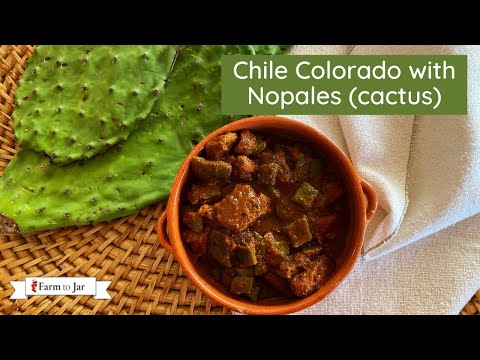
How to Make Pork Chile Colorado with Cactus
The detailed ingredient list and instructions are in the recipe card below. Here is a shortened version:
- Start by preparing the cactus: remove thorns, dice into bite-sized pieces, and set aside in a bowl of water.
- For the pork, place diced pork in a Dutch oven with water and salt. Bring to a boil, then reduce heat and simmer until the water evaporates. Add oil and continue cooking to lightly sear the pork pieces.
- While the pork cooks, cook the cactus separately. Heat oil in a skillet, add the diced nopales and a quarter of an onion. Cook over medium-high heat until the cactus turns pale green, about 10 minutes. Set aside.
- For the sauce, broil fresh tomatoes and onion until charred (or use canned tomatoes). Add to a blender with garlic and your enchilada spice blend. Blend until smooth, adding water if needed for consistency.
- Combine the seared pork, cooked cactus, and blended chile sauce in the Dutch oven. Bring to a boil, reduce to a simmer, and cook for 15-20 minutes until flavors meld. Add epazote or Mexican oregano in the last 5 minutes if using.
- Serve in bowls with warm tortillas, lime wedges, and your choice of accompaniments.
**Tip: Some people can find chile colorado bitter. Adding a little chicken or vegetable broth can remedy this.
How to Serve Cactus (Nopales)
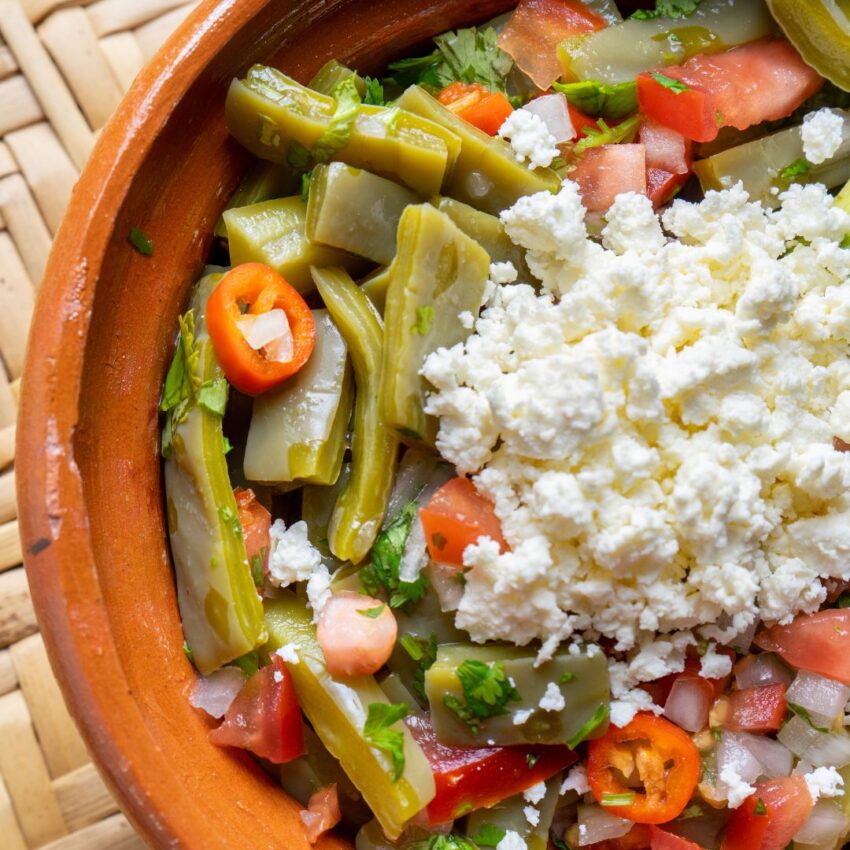
Although nopales are low carb by nature, there are so many ways to serve it, both low and high carb! Here are a few ways we enjoy them:
- In a salad
- With a side of refried beans
- Over a bed of rice
- Over a couple of fried eggs
Similar Recipes You’ll Love
For the beef-only version without cactus, try this slow carb beef chile colorado which uses the same spice blend in a simpler preparation
Check out these other low carb Mexican dishes we love and think you will too!
- Guacamole with nopales for an easy taco bar addition
- Low Carb Beef Chile Colorado
- Instant Pot Tacos al Pastor
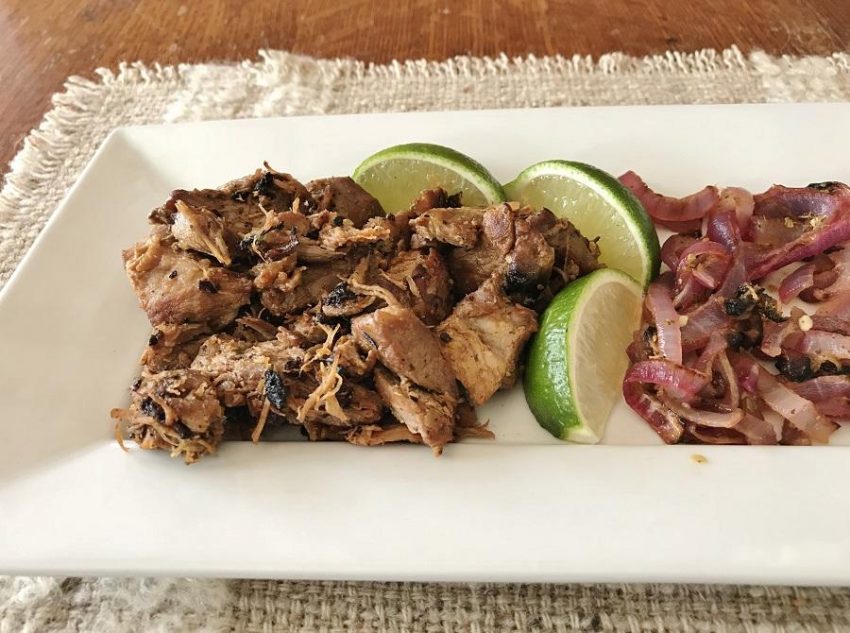
- Low carb Mexican Carnitas
FAQ
Yes. Nopales are very low in carbs and calories, making them one of the best vegetables for slow carb and keto diets. The pork and chile sauce are also compliant. Skip the rice and tortillas to keep the full meal slow carb.
Don’t overcook them. Nopales release a mucilaginous liquid similar to okra when overcooked. Cook just until they turn from bright green to a paler color, about 10 minutes. Some cooks also add a pinch of baking soda to the cooking water, though I skip that step
Where can I buy fresh nopales?
Mexican grocery stores are the most reliable source. Many mainstream supermarkets now carry them in the produce section, especially in the Southwest. Asian markets sometimes stock them too. If you can’t find fresh, canned or jarred nopales work in this recipe.
Yes. Drain and rinse them well. They won’t need the de-thorning step and the cooking time is shorter since they’re already tender. The flavor is milder than fresh but works well in the chile colorado sauce.
Nopales Recipe: Cactus in Chile Colorado with Pork
Equipment
Ingredients
- 2.5 pounds diced pork
- 1 cup water
- 2 teaspoons salt
- 2 tablespoons olive or vegetable oil divided
- 4 tablespoons
enchilada spice mixor 15 whole guajillo chiles- roasted, stemmed, seeded and pureed - ½ onion divided into quarters
- 2-4 cloves garlic minced
- 4 tomatoes roughly chopped, or 1 can (15 oz) diced tomatoes
- 2 sprigs epazote or 2 tsps dried (optional); alternatively use Mexican oregano
- 2 pounds cactus paddles thorns removed (see post) and diced (3 cups diced)
Instructions
- Prepare the cactus – remove thorns by cutting off the thick edges of the cactus and then using a spoon to scrape off the thorns (see video for details). When thorns from one paddle are removed place in a bowl of water while removing from rest of paddles. Run your hands along the paddle to make sure all thorns are removed, and then chop or dice into bite size pieces. Set aside.2 pounds cactus paddles
- Put pork in Dutch oven or nonstick stockpot and turn heat to high. Add water and salt. Heat until almost all of the water has evaporated, stirring occasionally. Once the water evaporates, add 2 tablespoons of oil and stir occasionally to lightly sear the pork pieces.2.5 pounds diced pork, 1 cup water, 2 teaspoons salt, 2 tablespoons olive or vegetable oil
- While the pork is cooking, in a separate pot, heat 1 tablespoon oil over medium-high heat and add cactus and one of the quarters of the onion. Stir to combine and continue cooking until cactus is a pale green – about 10 minutes.1/2 onion, 2 pounds cactus paddles
- If using fresh tomatoes, broil the tomatoes and the remaining half of the onion on high for 5-8 minutes per side. Add garlic and saute for 30 seconds. Set aside to cool slightly. If using canned tomatoes, broil the onion alone until charred.1/2 onion, 4 tomatoes, 2-4 cloves garlic
- To a food processor or blender, add the tomato mixture and a powdered enchilada spice blend. If using whole chiles, stem and seed them and add to the food processor (Some people will roast them first). Blend everything until smooth. Add a small amount of water (1/2 cup – 1 cup) and blend again if the sauce is too thick for you.4 tablespoons enchilada spice mix
- Combine tomato/chile/enchilada mix, seared pork cubes and cooked cactus in the dutch oven. Bring to a boil and then reduce heat to medium low until the chile colorado is at a simmer. Simmer for 15-20 minutes, adding the epazote about 5 minutes before it is ready.2 sprigs epazote
Video
Notes
- I prefer this with corn tortillas, but flour tortillas are fine
- With a side of refried beans
- Over a bed of rice or cauliflower rice
- Over a couple of fried eggs for a easy low carb breakfast
1 thought on “Nopales Recipe: Cactus in Chile Colorado with Pork”