
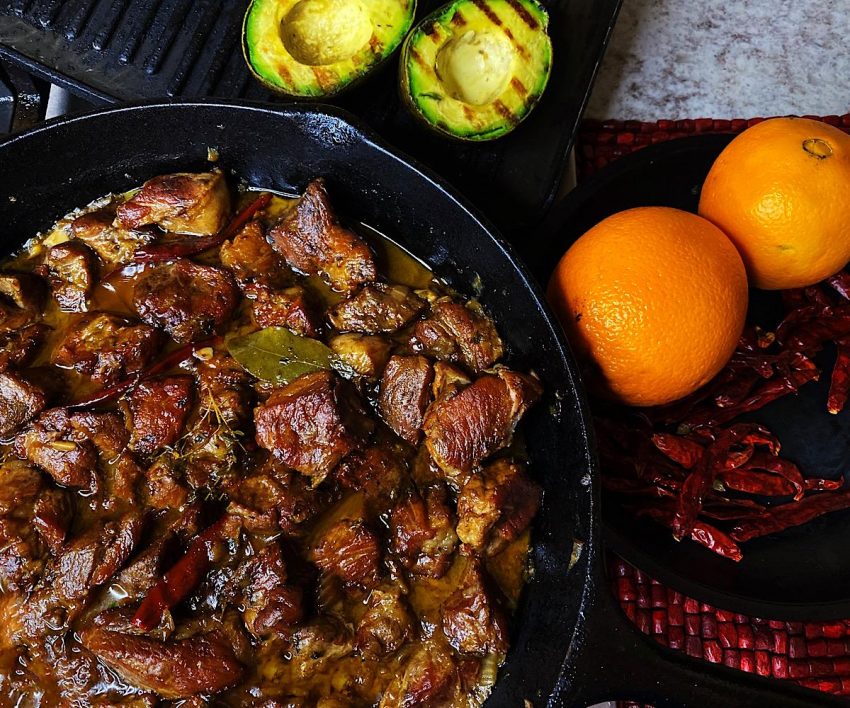
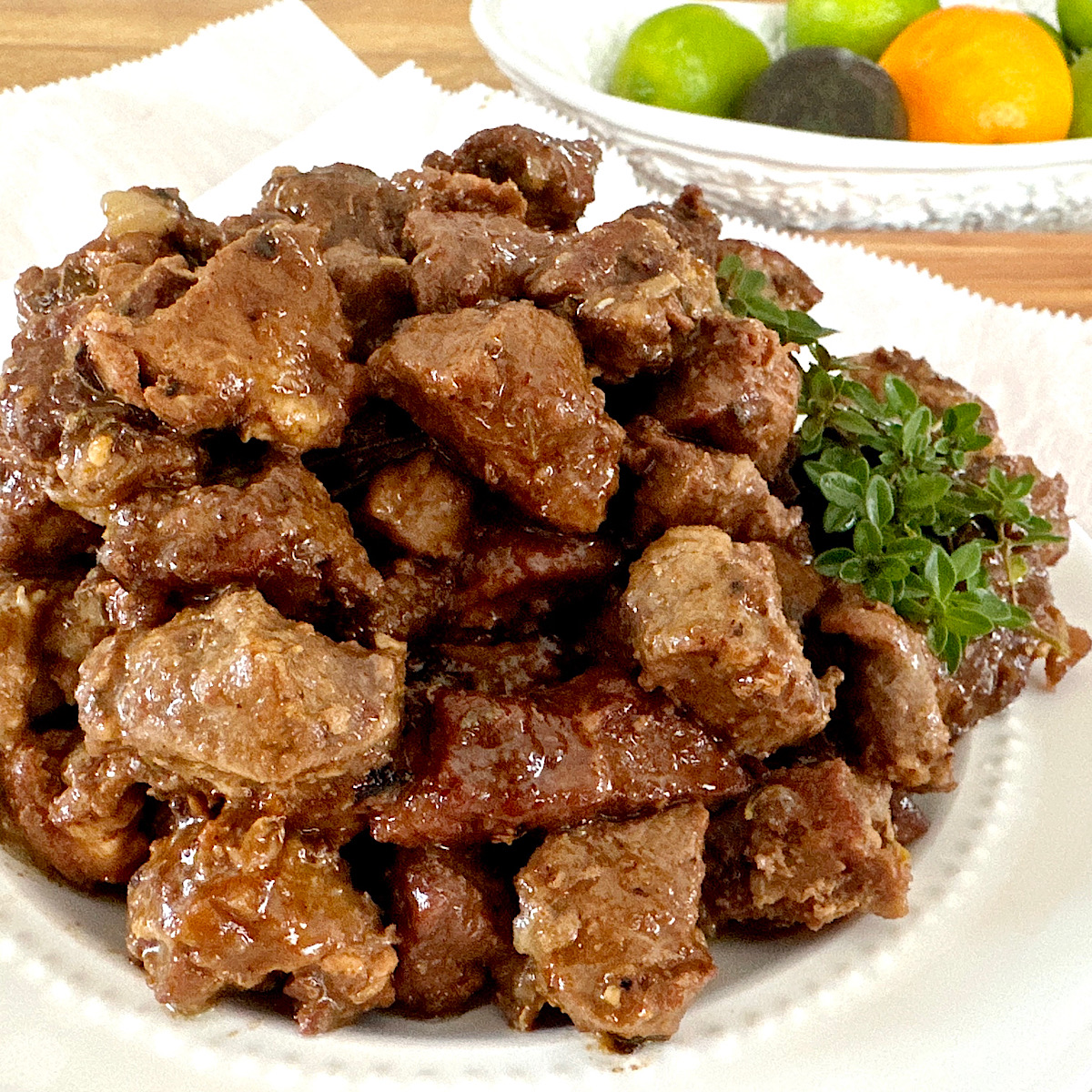
Quick Summary: Pork shoulder braised with orange, thyme, and spices until tender, then seared until crispy on the outside. The defining characteristic of great carnitas is that contrast: crispy exterior, juicy interior. Slow carb compliant. Prep: 30 min | Cook: 2 hours 15 min | Serves: 10
Jump to: RECIPE | Step by Step | Carnitas vs Other Pork Dishes | Cooking with Lard | Side Dishes | FAQ
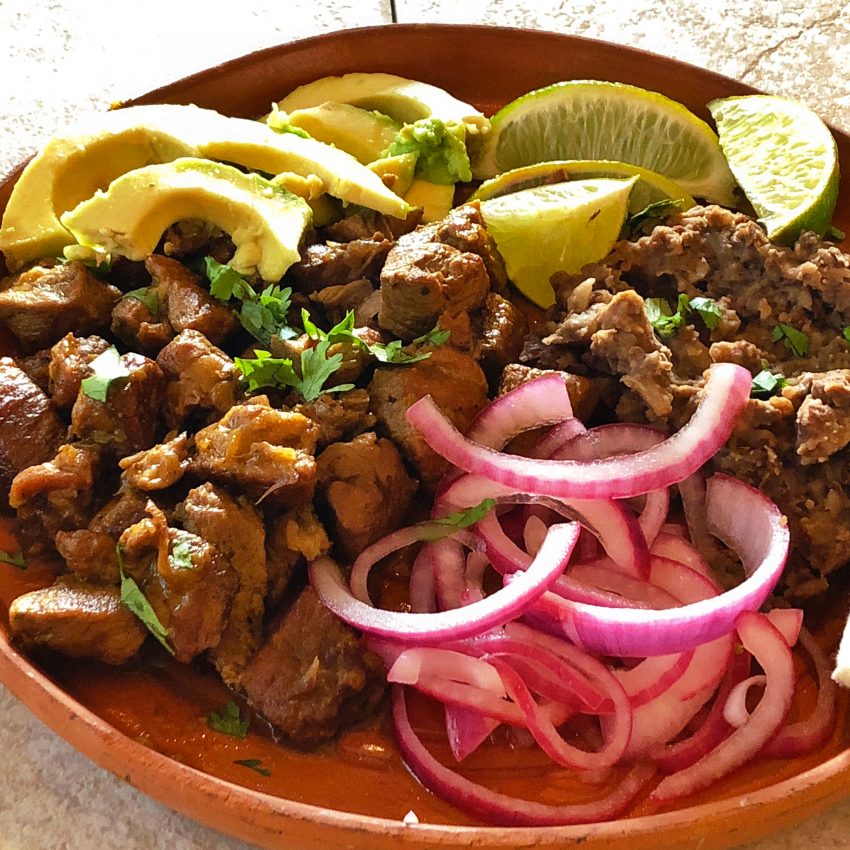
One of my favorite food memories involved perfectly cooked carnitas topped with fresh avocados that I had at a little hole-in-the-wall Mexican restaurant in Riverside California. They were crispy on the outside and warm and tender on the inside, and served simply with fresh avocado.
With respect to slow carb Mexican recipes, tortillas and rice are generally the culprits that add the carbs. In many cases however, rice and thick flour tortillas can actually mask the flavor of the dish.
I think that’s why the carnitas were such a powerful food memory for me. It was simple and perfectly cooked and the flavor was allowed to shine through. My order was accompanied with fresh avocado, cilantro, sour cream and refried beans….all slow carb and all delightful.
Mexican cuisine often has a bad rap in the diet world, but many of the food choices associated with Mexican food are actually quite healthy and can fit into a slow carb or low carb diet beautifully (as does the recipe below).
This post may contain affiliate links. As an Amazon Associate, I also earn from qualifying purchases. You can read our disclosure information here–
Traditional Cooking Method
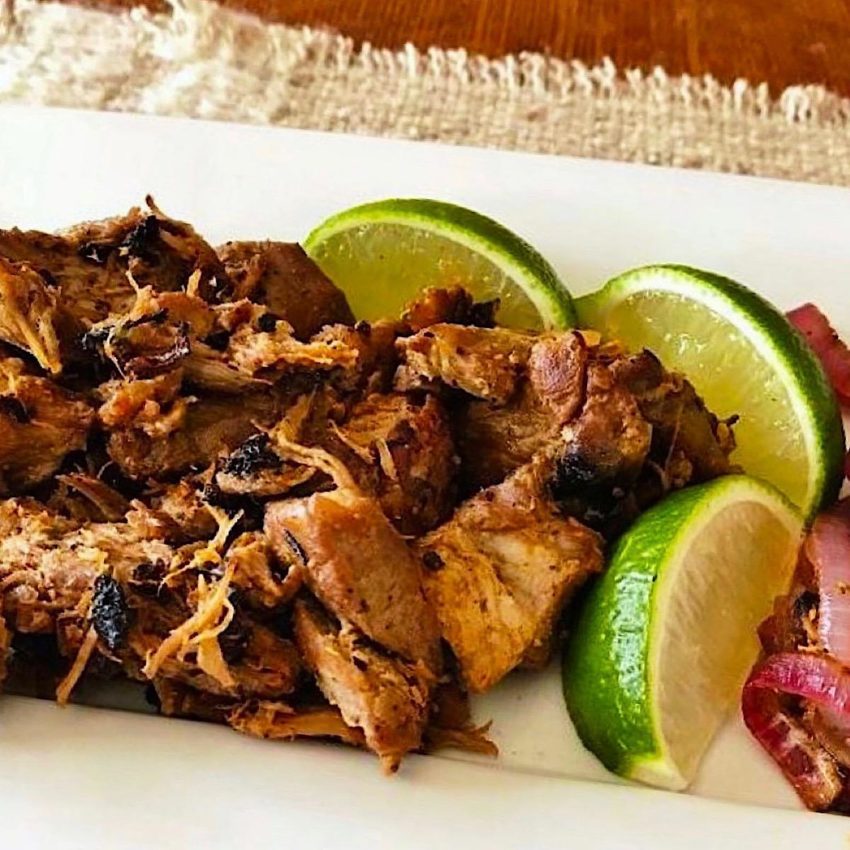
Traditional carnitas are simmered slowly in lard in a heavy-bottomed pot (a Dutch oven works perfectly). The fat disperses heat evenly, similar to making a confit.
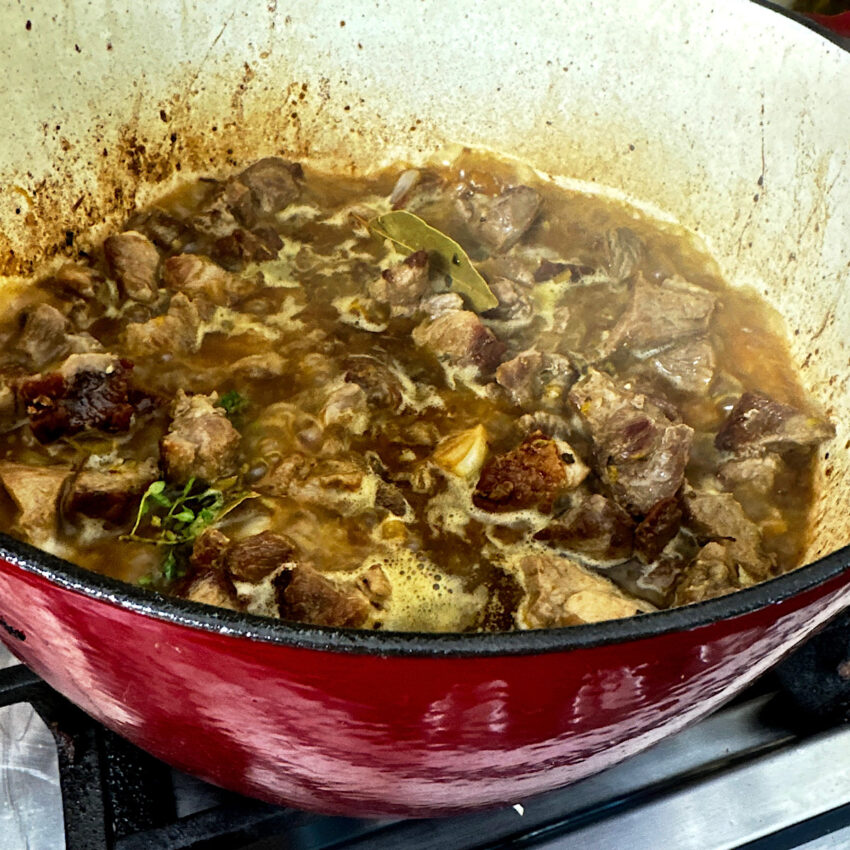
Mexican spices are added as the meat simmers. Once tender (about 2 hours), the liquid is reduced and the heat is turned up so the outside of the pork begins to crisp.
I use a chipotle spice blend that I grow and smoke at Heathglen Farm. For more on which dried peppers work best in different Mexican dishes, check out my chile pepper guide for Mexican cooking.
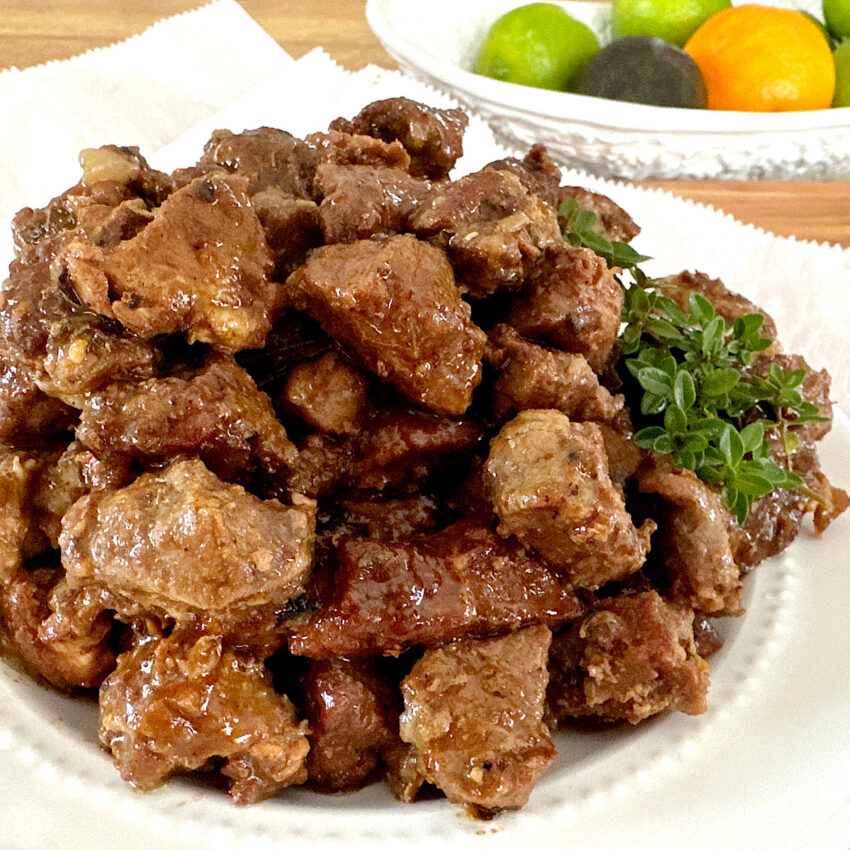
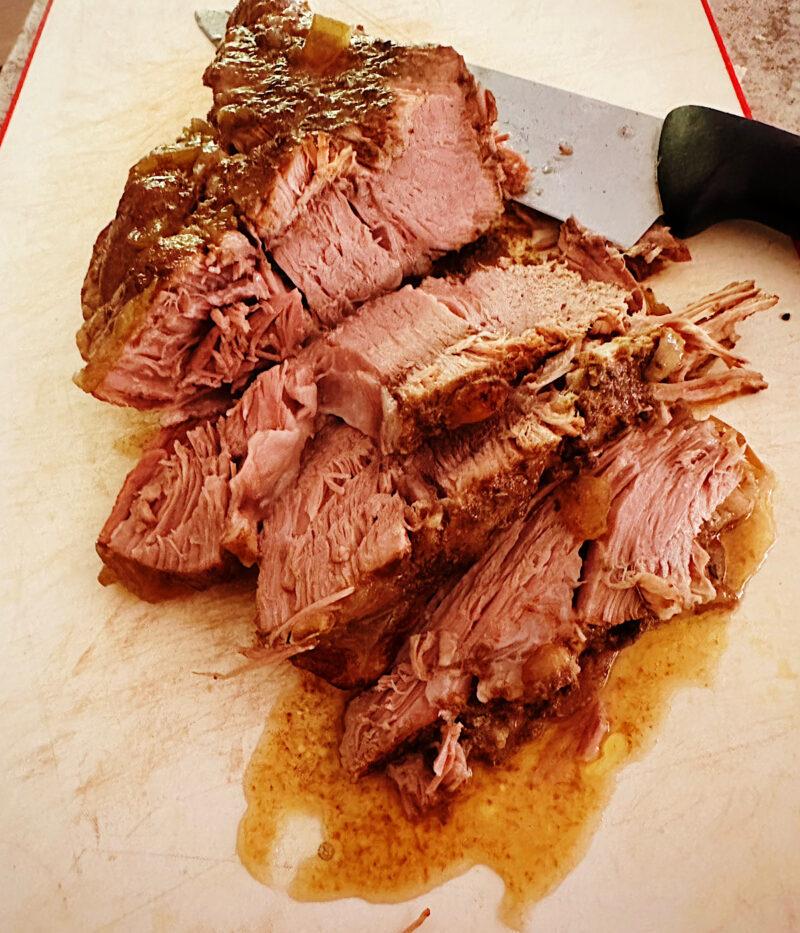
The final searing step is essential. Without it, you have pulled pork. With it, you have carnitas: moist and juicy inside with well-browned, crisp edges outside.
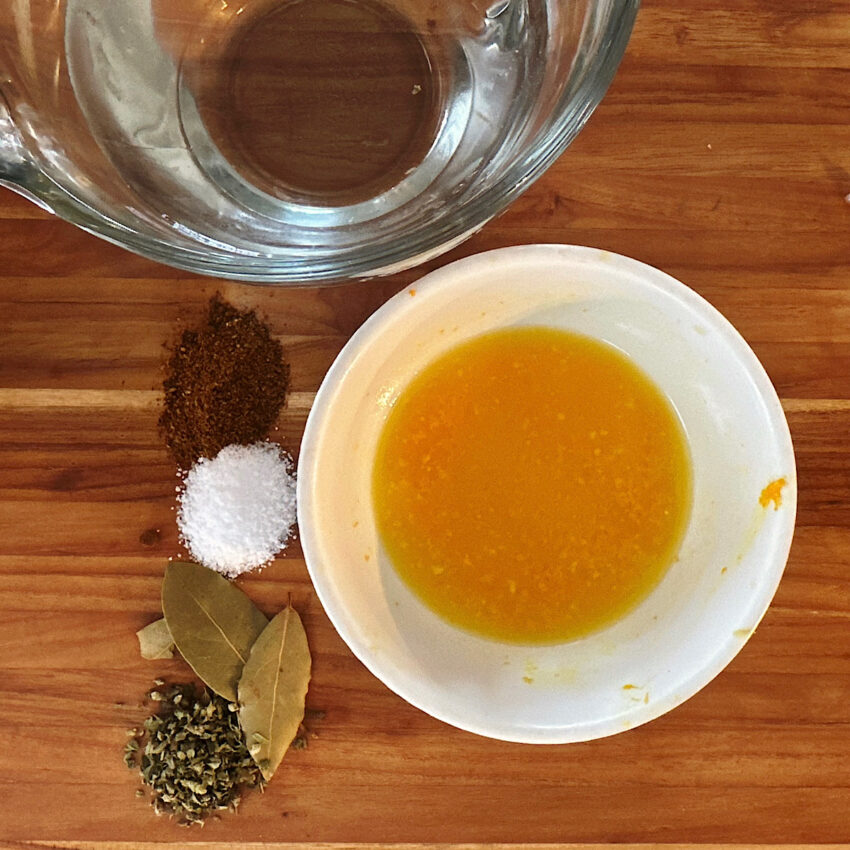
Illustrated Step by Step:
Carnitas vs Other Mexican Pork Dishes
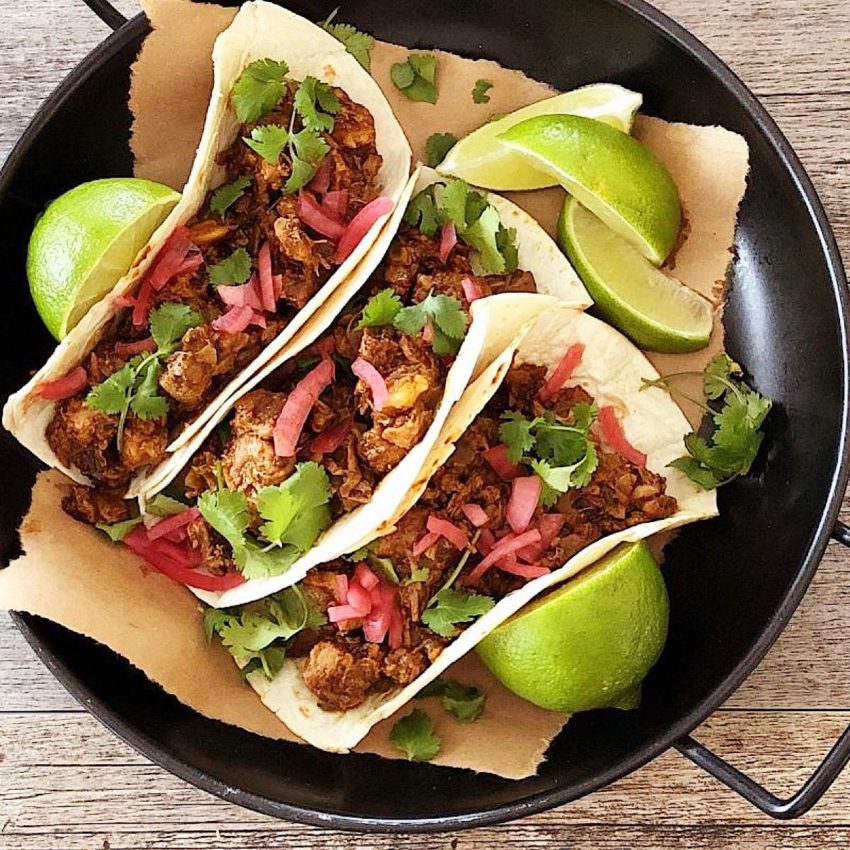
The crisping of the outside of the pork is one of the things that distinguishes carnitas from pulled pork. At their best, carnitas are moist & juicy inside, with plenty of well-browned, crisp edges on the outside.
Since Mexican cuisine has several slow-cooked pork preparations, it’s sometimes difficult to distinguish the differences. Here is a quick summary of the distinctions:
- Carnitas: Shoulder of pork that’s been seasoned, braised until tender with lard and herbs (oregano, marjoram, bay leaves, garlic), pulled apart, and then oven-roasted until slightly crisp, then eaten alone or used as a filling for tacos, tamales, tortas, and burritos.
- Al pastor: Crisp-thin shavings of vertical spit-roasted pork, marinated with guajillo chiles and achiote, then served on tortillas. Pastor means “shepherd,” the name given to Lebanese merchants who immigrated to Mexico City in the early 1900s, bringing the concept of shawarma with them. Try my Instant Pot tacos al pastor for a weeknight version of this classic.
- Cochinita pibil: Whole suckling pig or pork shoulder that’s marinated in citrus with achiote, then wrapped in banana leaves and roasted. Historically, it’s buried in a pit with a fire at the bottom.
- Barbacoa: Traditionally, beef cheek and head that’s covered in leaves from the maguey plant, then slow cooked over a wood fire in a pit in the ground. In America today, it also refers to spicy, shredded, slow-braised beef that’s been made tender, then pulled apart.
- Carne asada: Grilled, marinated pieces of beef (typically sirloin or rib) served inside burritos and tacos.
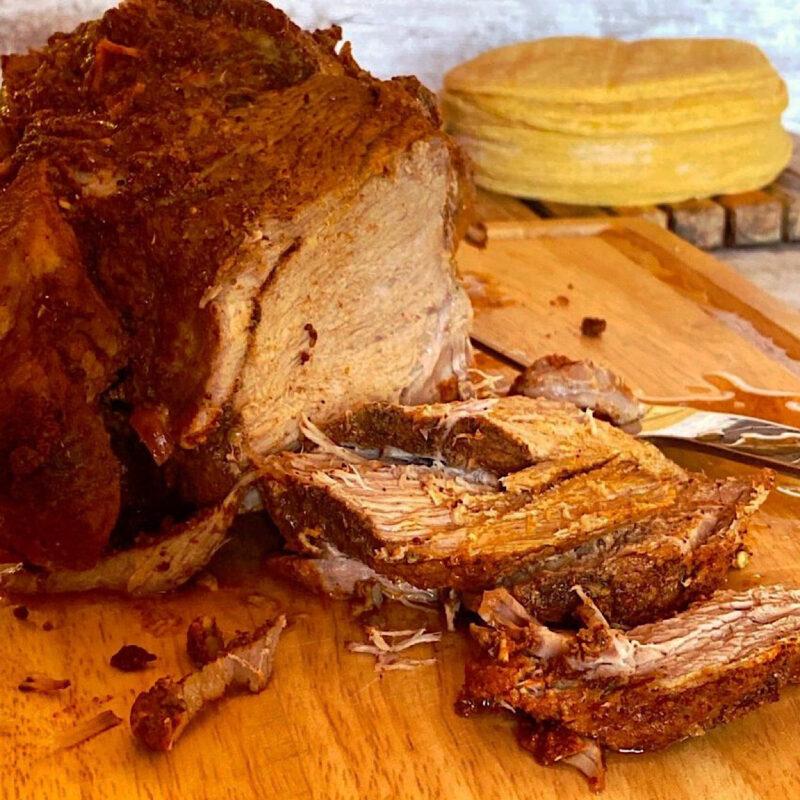
Cooking with Lard
Mexican kitchens have been cooking with lard for a long time, but it has suffered a negative reputation in the U.S. for many years. I think this reputation is largely undeserved however. Here are some facts:
- Pure lard is not a typical saturated animal fat because it contains no trans fats.
- 60% monounsaturated fat (butter is 45%)
- Lard’s smoke point is high, about 190C (375F), making it the ideal frying oil because it makes fried food lighter, fluffier, and crispier in a shorter time, without burning and turning carcinogenic.
- Pork lard is odourless and tasteless when rendered properly.
- Same cholesterol as butter (about 95mg per 100g)
For carnitas, lard creates superior crispiness. Olive oil or avocado oil work if you prefer, but the results aren’t quite the same.
Best Low Carb Side Dishes for Carnitas
Refried beans and rice are typical side dishes that accompany a Mexican dinner.
My all time favorite side to have with robust pork dishes is this quick recipe for pickled onions. They add a bright tangy note to the rich, buttery fat of the pork which is very complimentary.
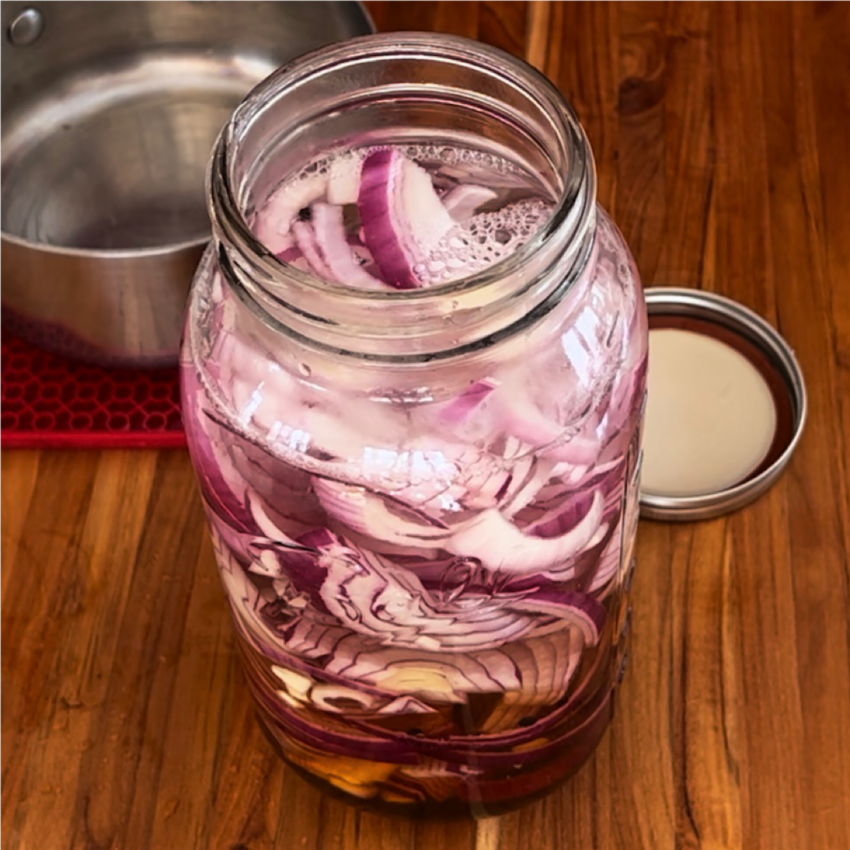
Another classic accompaniment to carnitas is broiled red onions (Cebollas Encurtidas). These onions are often broiled and then soaked in citrus juices and are an often-seen side to carnitas.
Creamy avocados are a classic keto or slow carb ingredient that pairs wonderfully with pulled pork dinners. Grill them for a special dinner, or just slice them and place on top of the crispy carnitas.
Refried beans, while not keto, work well on a “slow carb” diet where beans are one of the mainstay proteins.
Since tortillas and taco shells are not compliant with a low carb or slow carb diet, the meat itself takes on a more important role. You’ll never miss the tortilla if you treat yourself to carnitas cooked to perfection!
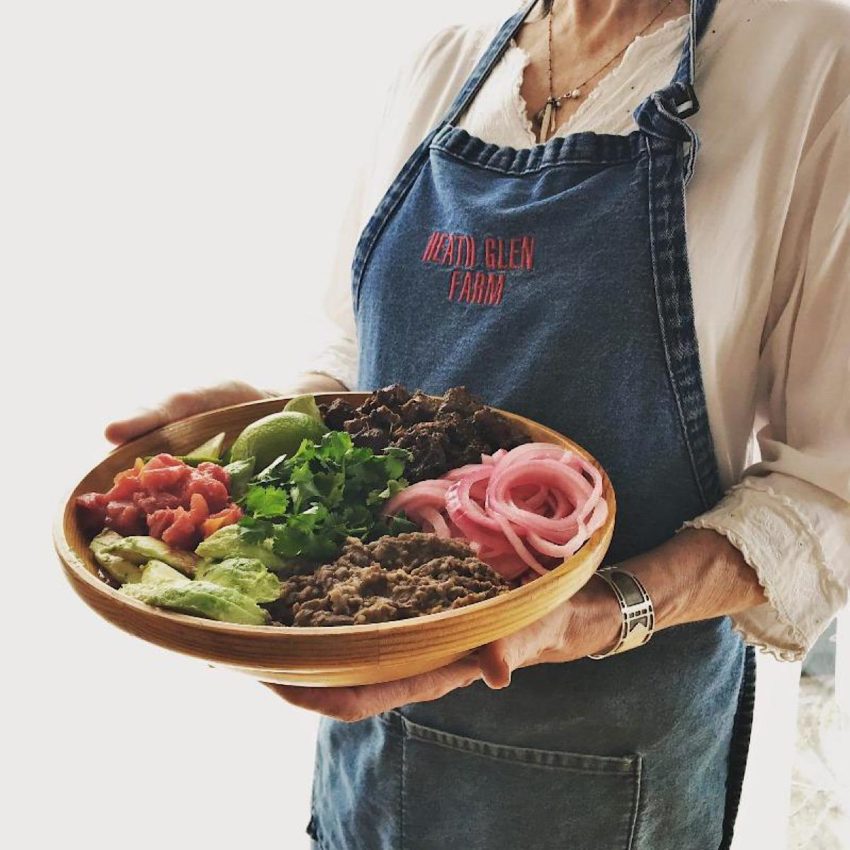
Check out this post about creating low carb carnitas bowls for a gathering.
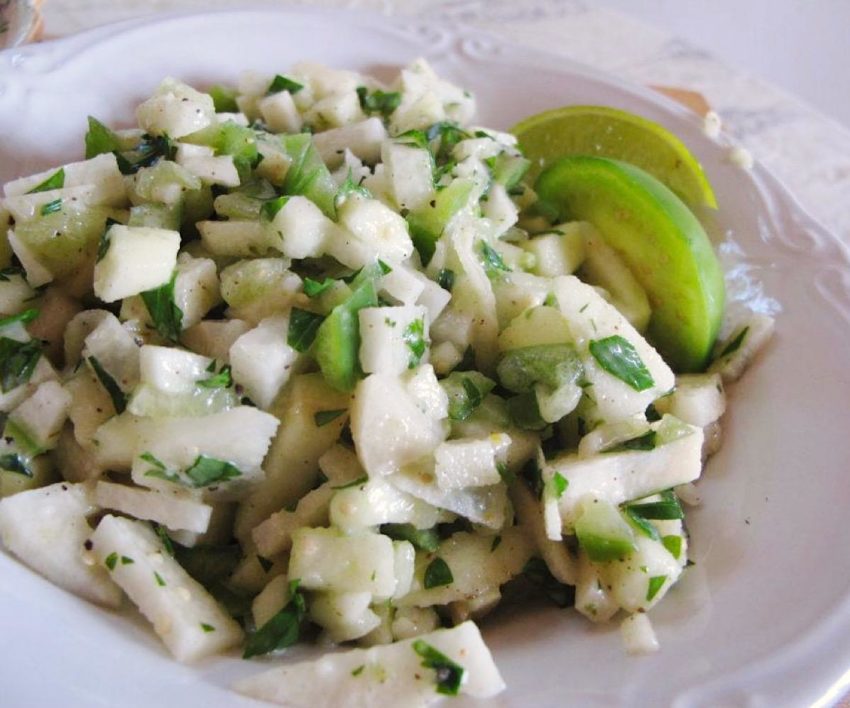
Last but not least is a recipe for a crunchy, bright side dish made with jicama, tomatillos, and green apples.
FAQ
The final searing step. Carnitas are crisped in a hot skillet after braising, creating caramelized edges. Pulled pork is simply shredded after cooking.
Yes. Brown the meat first, then braise on low for 8 hours. You’ll still need to sear in a skillet at the end.
The braised meat (before searing) keeps refrigerated up to 3 days. Sear just before serving for best texture.
Boneless pork shoulder (also called pork butt). It has enough fat to stay moist during the long braise.
Yes. The pork and seasonings are very slow carb. Serve with avocado and skip the beans for strict keto.
Yes. Freeze the braised meat in the cooking liquid for up to 3 months. Thaw, then sear before serving.
Both use pork, but carnitas is braised low and slow, then seared for crispy edges. Al pastor is marinated in chiles and achiote, traditionally cooked on a vertical spit, and shaved thin. Carnitas is richer and simpler; al pastor has a more complex spice profile.
Crispy Pork Carnitas
Equipment
- citrus zester
Ingredients
- 1 orange
- 2 tablespoon lard olive oil if you don’t like lard
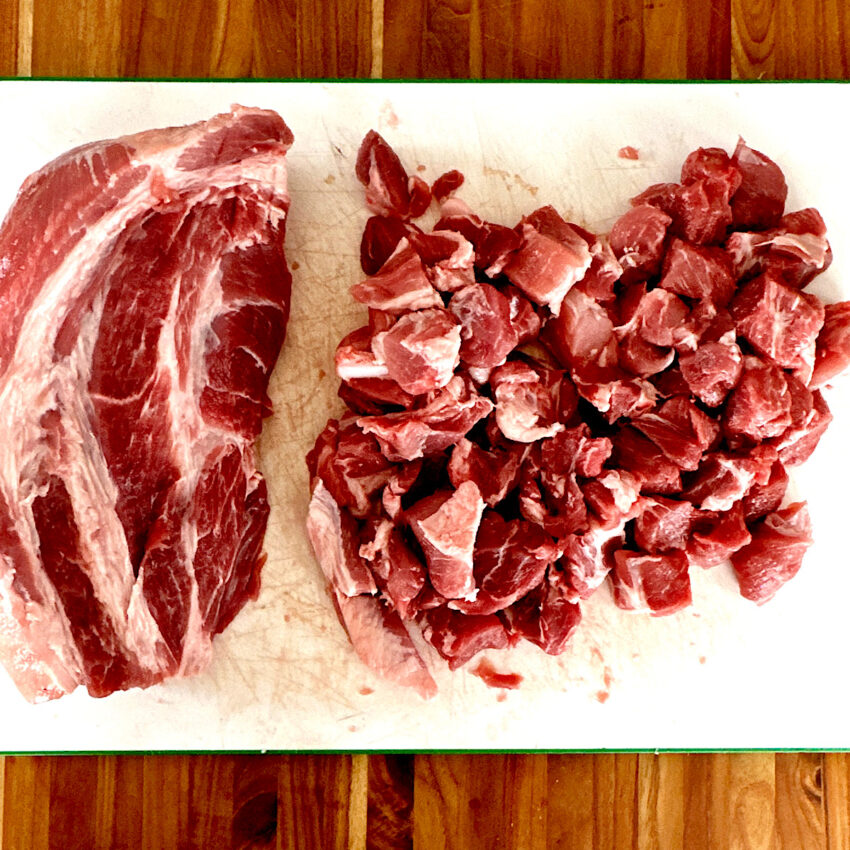
- 3 pounds boneless pork shoulder roast cut into 1-2 inch pieces
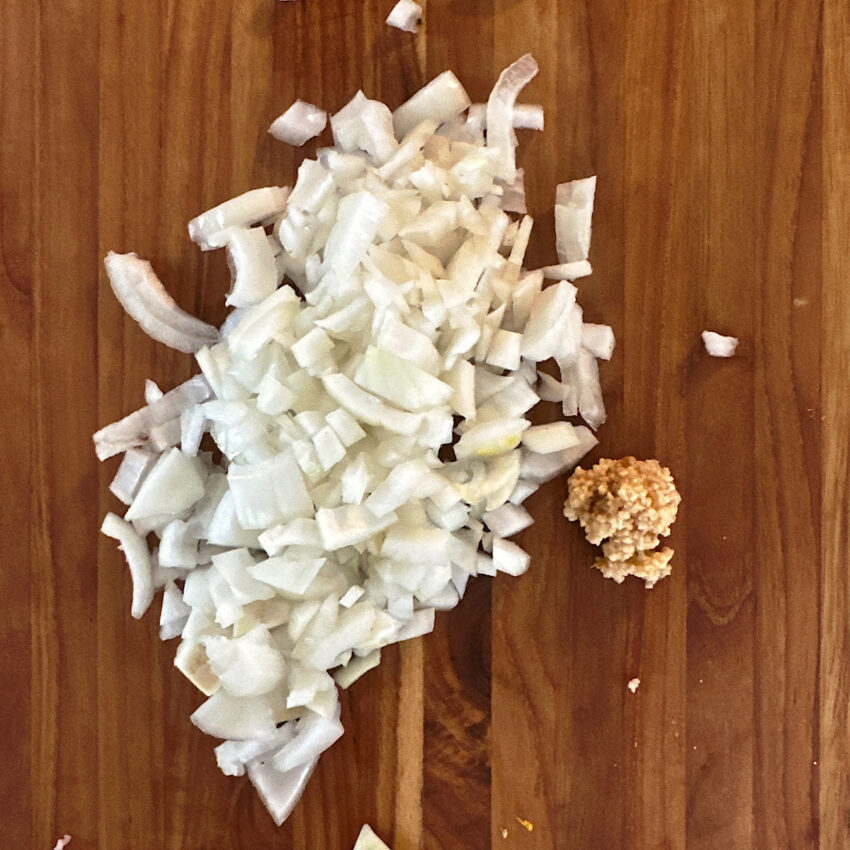
- ½ cup chopped onion
- 3 cloves garlic minced
- 2 cups water
- 4 sprigs fresh thyme
- 2 bay leaves
- 1 teaspoon salt
- 1 teaspoon dried oregano
- 1 teaspoon chipotle spice choose a spice that meets your heat preference
- 3 tablespoons lard or oil
Instructions
- Zest an orange and then squeeze the juice from the orange. Add them together in a bowl and set aside.1 orange
- In a large Dutch oven (or heavy-bottomed pot), heat 2 tablespoons lard over medium-high. Add some of the cut up meat in a single layer to cover the bottom of the pot, being careful not to crowd. Cook first layer of meat until browned, turning with tongs to brown all sides. When that layer of meat is browned, remove to a plate and add the next layer of meat and cook it until browned and then remove to the plate. Repeat until all meat is browned.2 tablespoon lard, 3 pounds boneless pork shoulder roast
- When meat is browned and removed to a plate, add the onion and garlic to the Dutch oven pot. Cook until onions are translucent and caramelized, about 5 minutes or so, stirring occasionally. Return meat to pot.1/2 cup chopped onion, 3 cloves garlic
- Add the reserved orange zest and juice and the next 6 ingredients to the Dutch oven (through the chile pepper). Bring to a boil and then reduce the heat and cover. Simmer for 2 hours.2 cups water, 4 sprigs fresh thyme, 2 bay leaves, 1 teaspoon salt, 1 teaspoon dried oregano, 1 teaspoon chipotle spice
- After 2 hours, bring the pot back up to a gentle boil and cook, uncovered 15 to 20 minutes more or until most of the liquid is evaporated, stirring occasionally. Remove the thyme sprigs and bay leaves and either go to the next step or store the meat until ready. The meat can be stored at this point in the refrigerator for up to 3 days.
- When ready to make the carnitas, heat 1 Tbsp lard over medium heat in a large skillet. Using a slotted spoon, remove the meat from the sauce and spread it in a single layer in the skillet. Cook 5 minutes or until meat starts to crisp, turning occasionally (may need to do this in batches).3 tablespoons lard
- Serve with lime wedges, jalapeno pepper, guacamole (or fresh, sliced avocados), caramelized onions, and refried beans.
Notes
-
- Carnitas: Shoulder of pork that’s been seasoned, braised until tender with lard and herbs (oregano, marjoram, bay leaves, garlic), pulled apart, and then oven-roasted until slightly crisp, then eaten alone or used as a filling for tacos, tamales, tortas, and burritos.
-
- Al pastor: Crisp-thin shavings of vertical spit-roasted pork, marinated with guajillo chiles and achiote, then served on tortillas. Pastor means “shepherd,” the name given to Lebanese merchants who immigrated to Mexico City in the early 1900s, bringing the concept of shawarma with them.
-
- Cochinita pibil: Whole suckling pig or pork shoulder that’s marinated in citrus with achiote, then wrapped in banana leaves and roasted. Historically, it’s buried in a pit with a fire at the bottom.