
Quick Summary: Champurrado (chahm-poo-RAH-doh) is a thick, warming Mexican hot chocolate made with masa harina, Mexican chocolate, and piloncillo (or brown sugar). Traditional for Day of the Dead and Christmas, it’s often served alongside tamales. Prep: 15 min | Cook: 20 min | Serves: 8
Jump to: RECIPE | What is Champurrado? | History of Champurrado | Champurrado vs Atole | Regional Variations | Ingredients | How to Make? | How to Serve | FAQ

Champurrado is a warming, thick hot chocolate that’s been part of Mexican winter traditions for centuries.
At HeathGlen Farm, I grow a wide range of chile peppers that I dry and sometimes smoke. I love to add some of these ground peppers to my champurrado for a little heat against the creamy chocolate and cinnamon.
It’s not traditional, but it is definitely delicious.
In addition to champurrado being a highly flavorful drink, the nice thing is you can make it using less processed ingredients, and the creamy richness of the Mexican chocolate doesn’t really require much additional sugar.
In many families, the champurrado recipe has been passed down for generations, with each family having their own proportions and methods. The recipe below is from mi amiga who hails from the Barijo region of Mexico.
This post may contain affiliate links. As an Amazon Associate, I also earn from qualifying purchases. You can read our disclosure information here–
What Is Champurrado?
Champurrado (chahm-poo-RAH-doh) is the chocolate version of a Mexican atole, a warm corn-based drink that’s thicker and more substantial than regular hot chocolate. The name comes from “champurrar,” meaning to mix or combine, which is fitting for a drink that brings together corn, chocolate, and spices.
The base is masa harina (the same corn flour used for tortillas and tamales), cooked with water or milk until it thickens.
Mexican chocolate, typically Ibarra or Abuelita brands, adds sweetness and cinnamon flavor, while piloncillo (unrefined cane sugar) contributes a caramel-like depth. Whole spices like cinnamon sticks and star anise often simmer in the liquid, making it highly aromatic.
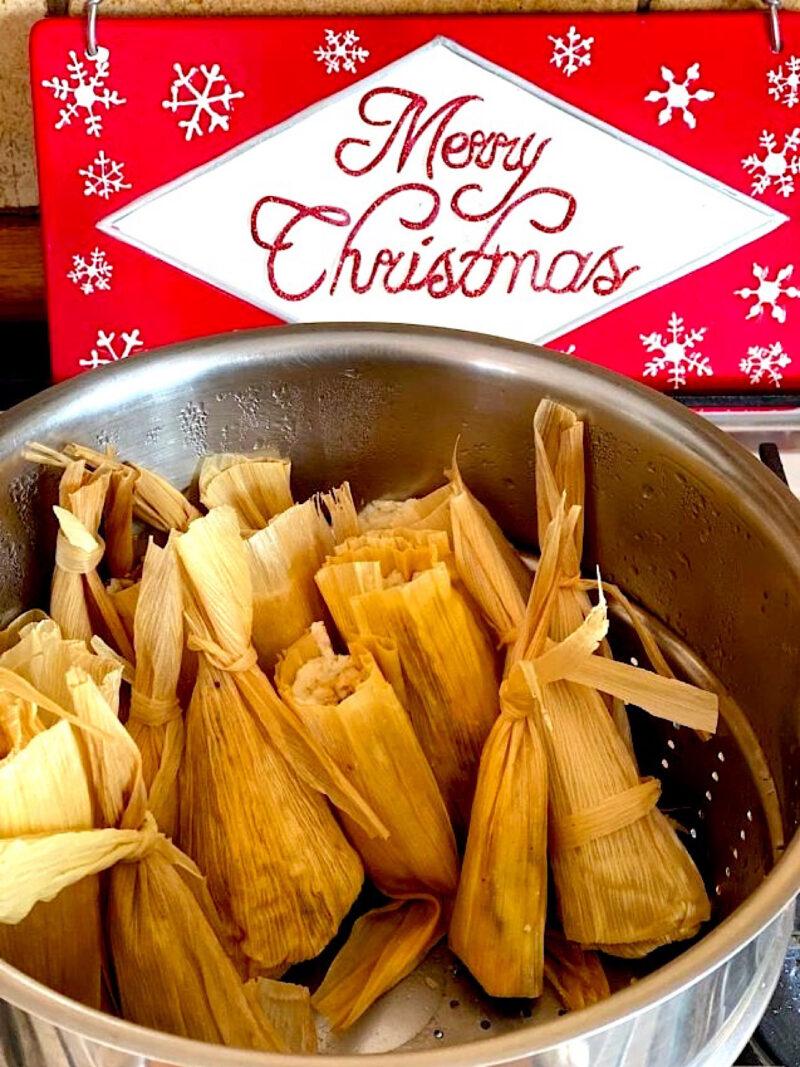
Champurrado is especially popular during Day of the Dead and Christmas celebrations, where it’s usually served alongside tamales.
What Is the History of Champurrado?
Champurrado’s roots trace back to pre-Hispanic Mexico, where the Aztecs and Mayans prepared corn-based drinks called atolli. These warm, thick beverages were consumed daily and held ceremonial significance.
Cacao, considered sacred, was reserved for nobility and special occasions.
Even as time passed, champurrado remained tied to celebration and ritual. During Day of the Dead (Día de los Muertos), it is placed on ofrendas (altars) for the deceased and shared among family members keeping vigil.
At Christmas, it accompanies tamales during Las Posadas celebrations and again on Christmas morning.
What’s the Difference Between Champurrado and Atole?
A basic atole is masa harina cooked with water or milk, sweetened with sugar or piloncillo, and flavored with cinnamon and vanilla.
Champurrado is basically the chocolate version of a Mexican atole, and is most often enjoyed during the winter holiday season. It is often referred to in the U.S. as Mexican hot chocolate.
Here are the other popular variations of the basic atole:
- Atole blanco: Plain, unflavored atole, sometimes served with savory dishes
- Atole de fresa: Strawberry-flavored
- Atole de guayaba: Guava-flavored
- Atole de nuez: Walnut-flavored
- Atole de piña: Pineapple-flavored
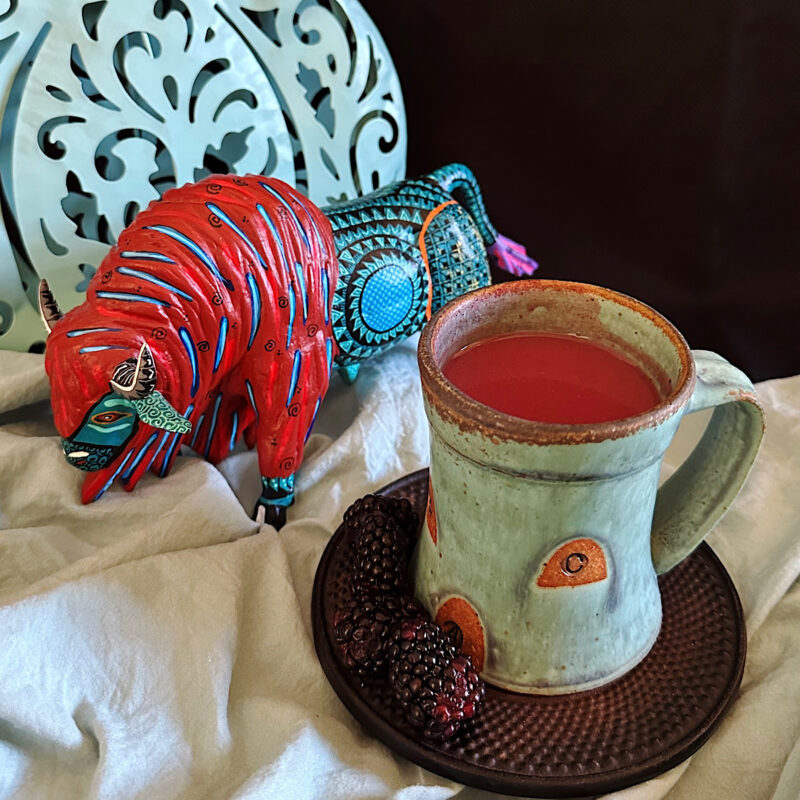
- Atole de zarzamora: Blackberry-flavored
- Champurrado: Chocolate-flavored
All share that distinctive thick, slightly grainy texture from the masa. The consistency should be pourable but substantial. It is thicker than regular hot chocolate but not as thick as pudding (until it cools, anyway).
What are the Regional Variations of Champurrado?
Like most traditional Mexican foods, champurrado varies from region to region and family to family. What’s considered the “right” way to make it depends entirely on where you are and who taught you.
Here are the common regional variations:
- Oaxaca: Oaxacan champurrado often includes ground cacao rather than processed Mexican chocolate tablets, giving it a more intense, less sweet chocolate flavor. Some versions add ground chile peppers; a nod to the pre-Hispanic tradition of combining cacao with spice. The masa may be coarser, creating a more textured drink.
- Central Mexico (Mexico City and surrounding areas): The version most commonly seen in taquerias and street vendors uses Mexican chocolate tablets (Abuelita or Ibarra), piloncillo, and cinnamon. This is probably the most familiar version to people outside Mexico. It tends to be sweeter and smoother than regional variations.
- Northern Mexico: Some northern versions use less masa, resulting in a thinner drink closer to regular hot chocolate. Others add evaporated milk for extra richness, reflecting the region’s dairy traditions.
- Michoacán: Michoacán is known for its artisanal chocolate production. Champurrado from this region often features locally made chocolate with distinctive regional spice blends. Some families add a touch of black pepper or allspice.
- Yucatán: While champurrado isn’t as central to Yucatecan cuisine as it is in other regions, when it’s made there, it may include local spices and sometimes a hint of achiote, reflecting the peninsula’s distinctive flavor preferences.
Family Variations: Beyond regional differences, every family has their own way. Some use all water, some all milk, some a combination. Some add vanilla, some don’t. Some prefer it very thick, others more drinkable.
The “correct” version is simply the one your grandmother made.
Ingredients & Substitutions
The following photo shows you all the ingredients you will need for this recipe. For details on measurements, see the recipe below.

Substitutions
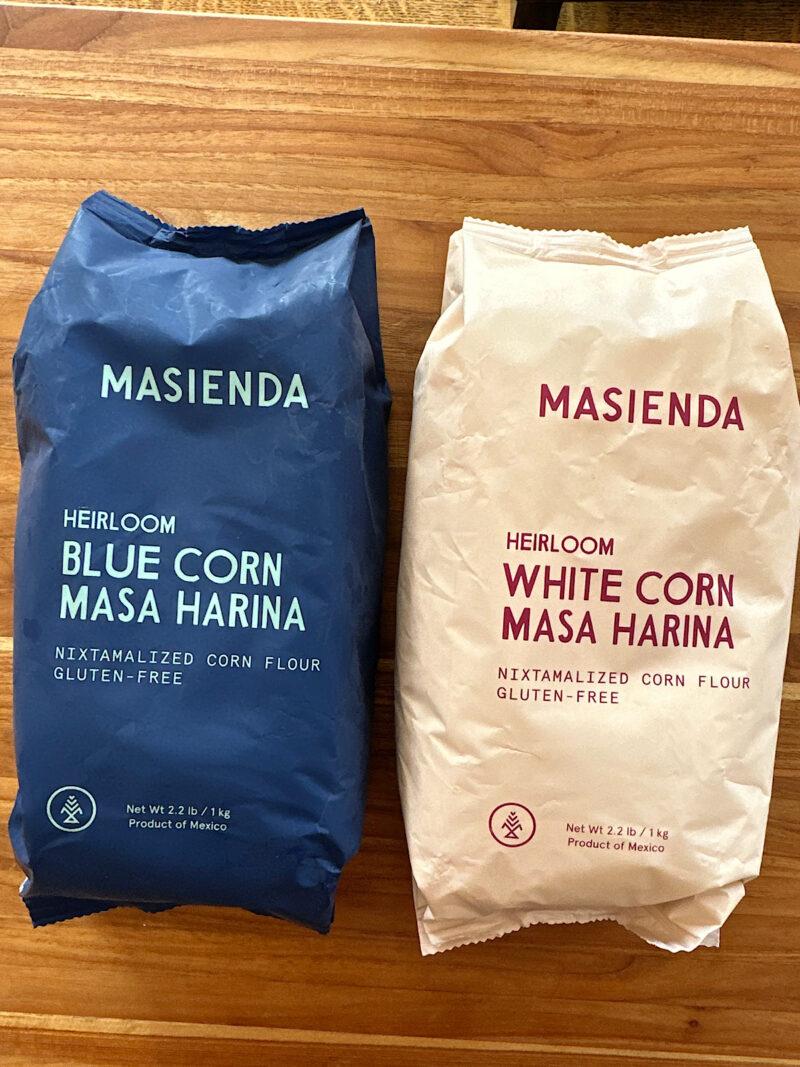
- Corn flour: The masa you want to use for atoles is a finely ground corn flour, known as masa harina. Masa harina is a flour made from nixtamalized corn that rehydrates instantly in water.
- Maseca is a common brand found in most grocery stores now, or you can check out this heirloom masa harina online. Do not use corn starch! It will not taste good and the texture will be awful.
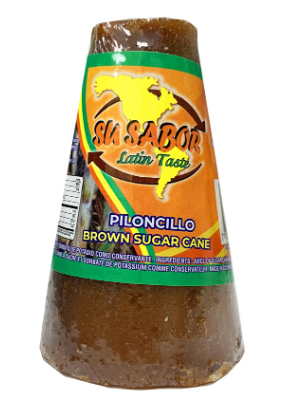
- Sugar: Atoles are traditionally sweetened with piloncillo, a caramelized cane sugar molded into a cone shape. If you don’t have a Mexican market nearby you can use dark brown sugar.
- Chocolate: Mexican chocolate come in round discs and is made with cacao, sugar and cinnamon. It has a grainier texture than other types of chocolate, often referred to as a “rustic” texture. Ibarra or Abeulita are common brands of Mexican chocolate
- If you cannot find Mexican chocolate you can use an equal amount of semisweet chocolate and add 1/2 teaspoon ground. You could also add one drop of almond extract for every ounce of chocolate.
- Liquid: Whole milk makes the richest version of champurrado, but you can mix milk and water to cut some of the richness. For vegan cooks, almond milk can be used.
- Spice: Spicy chile peppers are not traditionally added to champurrado, but I love the addition of something spicy paired with the creamy chocolate and the warm cinnamon. I used ground arbol peppers, which are fairly spicy, but flavor it to your own preference
How to Make Champurrado
The detailed ingredients and instructions are in the recipe card below. In short:
- Simmer water with whole spices (star anise, allspice, cloves) for 10-15 minutes to infuse the liquid with flavor.
- Remove the spices, then add the chocolate, piloncillo (or brown sugar), salt, and vanilla, stirring until everything is melted and dissolved. Add milk and return the mixture to a gentle simmer.
- In a separate blender, combine masa harina with cold water and blend until completely smooth with no lumps.
- Slowly whisk this masa mixture into the chocolate, stirring continuously to prevent lumps from forming.
- Simmer over low heat for 5-10 minutes, stirring frequently, until the champurrado thickens. If it gets too thick, add more water or milk. If it’s too thin, let it simmer a bit longer.
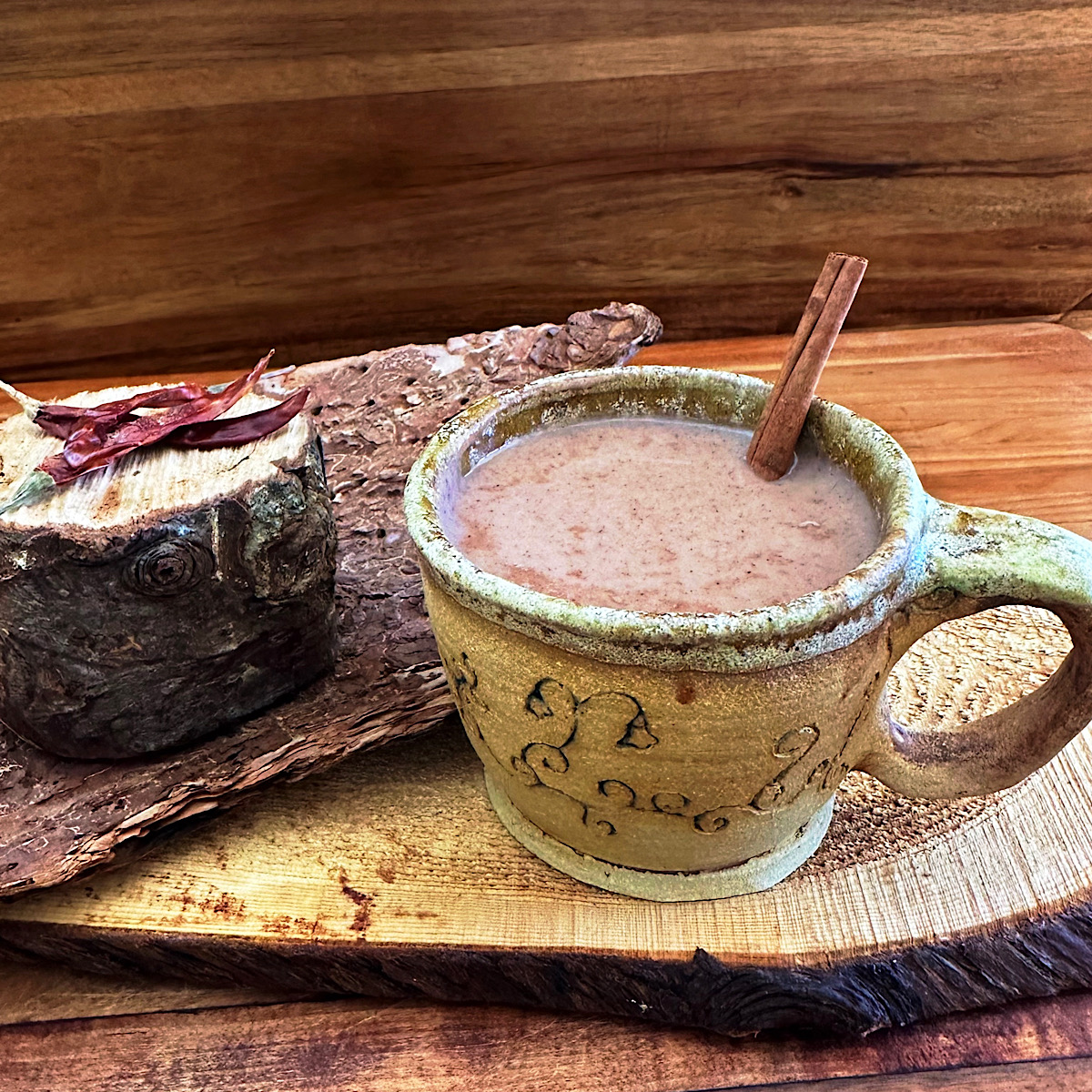
- Serve hot, ladled into mugs and garnished with a cinnamon stick or a sprinkle of ground cinnamon.
How to Serve
Champurrado is always served hot. In Mexico, it’s traditional to froth the drink with a wooden whisk called a molinillo, twirling it between your palms to create foam on top. If you don’t have a molinillo, a vigorous stir with a wire whisk works fine.
The classic food pairing is tamales. The savory richness of the tamales against the sweet, warming champurrado is a traditional combination for Christmas morning and during Las Posadas celebrations.
Once champurrado cools, it thickens considerably and develops a skin on top. To reheat, add a splash of milk or water and warm on the stovetop over low heat, whisking vigorously to smooth out any lumps. Don’t try to microwave it without added liquid, as it will become too thick.

FAQ
Yes, Champurrado can be made up to 3 days ahead. Let it cool completely, transfer to an airtight container, and refrigerate. Reheat with added liquid when ready to serve.
No, masa harina is essential. It provides the distinctive thickness and subtle corn flavor that defines champurrado. Corn starch won’t work as a substitute. Look for Maseca brand in most grocery stores.
Mexican hot chocolate (chocolate caliente) is made with just milk and Mexican chocolate. Champurrado adds masa harina for thickness, plus whole spices like star anise and cinnamon, creating a more substantial, porridge-like drink.
The masa wasn’t blended smooth enough before adding, or it was added too quickly. Blend the masa with cold water until completely smooth, then add it slowly to the chocolate while whisking continuously.
Add a splash of milk or water and warm on the stovetop over low heat, whisking vigorously. The drink thickens considerably as it cools, so added liquid is essential.
Compared to commercial hot chocolate mixes, yes. It’s made from whole ingredients with no artificial flavors or preservatives. Masa harina adds fiber and minerals, and Mexican chocolate has less sugar than most processed cocoa mixes. A serving has about 262 calories, which is substantial but appropriate for a drink that’s more like a meal than a beverage.
About 262 calories per serving in this recipe, which makes 8 servings. The calories come primarily from the Mexican chocolate, masa harina, and whole milk. For a lighter version, use a mix of milk and water, or substitute almond milk.
Champurrado (Chocolate Atole): Healthy Mexican Hot Chocolate
Equipment
- mallet optional (can use a heavy jar instead)
Ingredients
- 4 cups water
- 2 whole star anise
- 2 whole allspice berries
- 2 whole cloves
- ¼ cup brown sugar (or piloncillo) piloncillo if you can find it
- ¼ teaspoon salt
- 1 teaspoon vanilla
- 2 discs Mexican chocolate Abuelita or Ibarra
- 4 cups whole milk
- ¾ cups masa harina Maseca brand if available
- 2 cups water
Instructions
- Fill a pot with 4 cups water and add the star anise, allspice and cloves. Bring the water to a boil, cover the pot turn off the heat and let the spices infuse into the water for 10-15 minutes.While the spices are infusing, pound the chocolate discs into smaller pieces with a mallet or heavy jar so they will dissolve quicker.2 whole star anise, 2 whole allspice berries, 2 whole cloves, 4 cups water
- Remove the whole spices with a mesh spoon or strainer and turn the water back up to medium. Add the sugar, salt, vanilla and chocolate and stir occasionally until sugar is dissolved and chocolate is melted.When chocolate is dissolved, add the milk and return mixture to a simmer.At this point you can add a little powdered hot pepper if desired. It is not traditional, but it is tasty.1/4 cup brown sugar (or piloncillo), 1/4 teaspoon salt, 1 teaspoon vanilla, 2 discs Mexican chocolate, 4 cups whole milk
- While the pot is simmering over low heat, add the masa and 2 cups of cold water to a blender and blend until very smooth.Reduce the heat of the chocolate mixture to medium low and slowly pour in the masa, stirring with a wire whisk continuously to avoid lumps.Simmer the mixture over low heat 5-10 minutes, stirring frequently. If it is thicker than you like, add more water. If it is too thin, add more masa. Just know that it will thicken more after cooling.3/4 cups masa harina, 2 cups water
- Ladle champurrado into cups and serve hot. Garnish with shaved chocolate or a chile pepper or a cinnamon stick if desired.To reheat, add some milk or water and heat up on the stovetop or in the microwave. Whisk somewhat vigorously to get rid of any lumps, as the champurrado thickens to a pudding texture upon cooling.