
Quick Summary: Tomatoes benefit from companion plants that deter pests, attract beneficial insects, and don’t compete aggressively for nutrients. Excellent choices include basil, marigolds, carrots, and lettuce. Avoid fennel, brassicas planted too close, walnut trees, and other nightshades like potatoes. Read time: 12 min | Applies to: Containers and garden beds
Jump to: What is Companion Planting | Why Companion Plant with Tomatoes? | Best Companions for Pots | Best Companions for Garden Beds | Ground Covers | Plants to Avoid | An Italian Kitchen Garden | FAQ
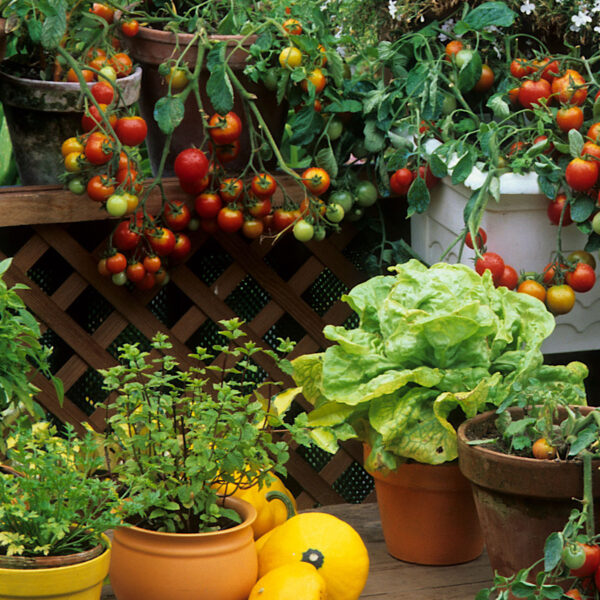
Tomatoes were the second crop I committed to at HeathGlen Farm, and from over 20+ years of growing heirloom varieties, I’ve learned which plants help them thrive and which ones cause problems.
The right companions attract pollinators, deter pests, and make the most of your growing space. The wrong ones compete for nutrients, spread disease, or release chemicals that stunt tomato growth.
This guide covers companion planting for both container tomatoes and garden beds, plus the plants you should keep away from your tomatoes entirely.
What is Companion Planting?
Companion planting means growing two or more plants near each other for mutual benefit, or for the benefit of one of them. The benefit can flow one way or both directions.
Some of the evidence for companion planting is anecdotal, passed down through generations of gardeners. But increasingly, research backs it up. A study from West Virginia University found roughly a 20% yield advantage for tomatoes grown with basil companions.
Research published in Plant Cell Reports showed that basil’s volatile compounds actually prime tomatoes’ wound response systems, making them more resistant to pest damage.
A research study conducted by Minnesota Master Gardeners several years ago found no benefits of growing several plant combinations, including French marigolds with tomatoes. However, the number of growers who completed the study was small and the only information reported was about yields, not beneficial insects.
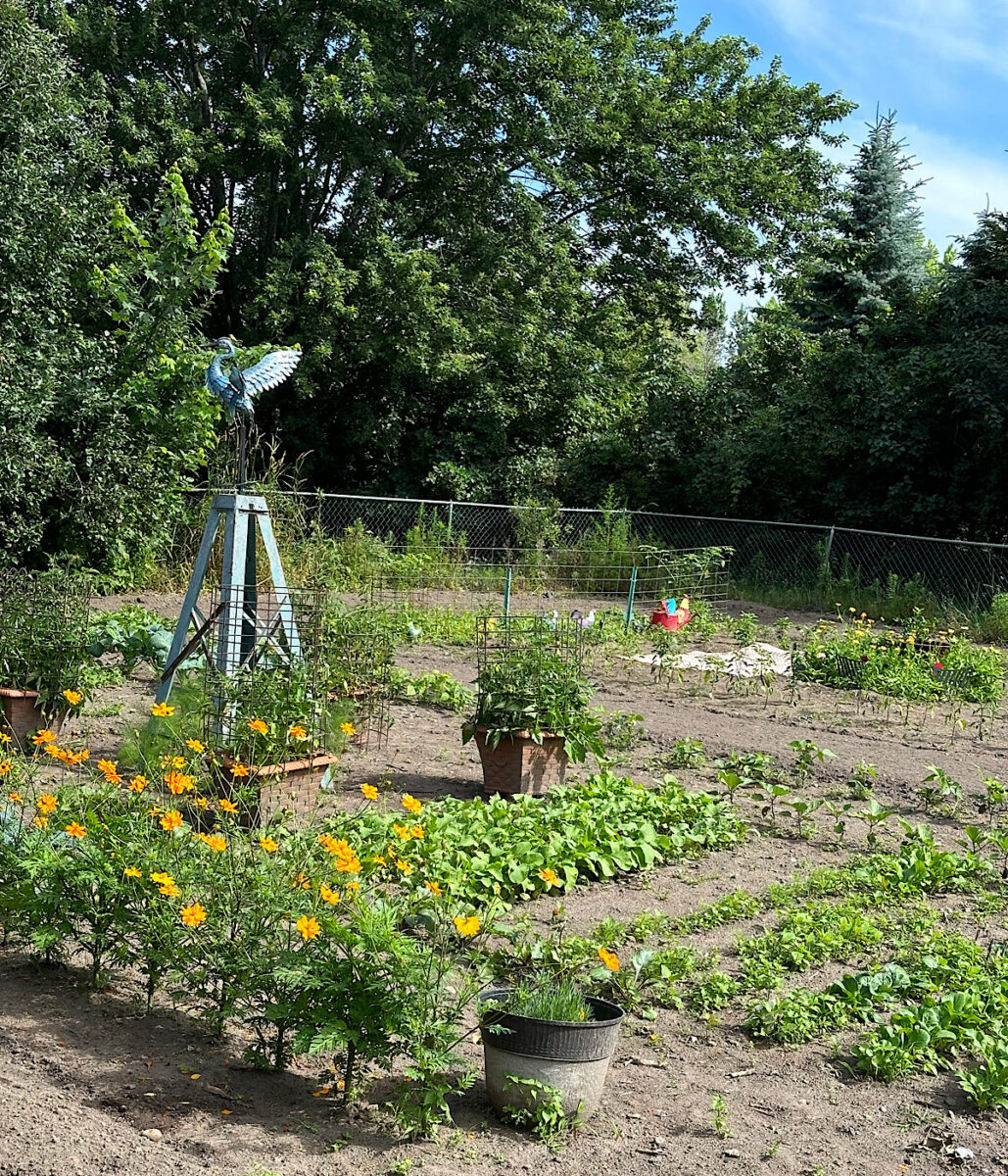
Why Use Companion Plants with Tomatoes?
Here are the top 4 reasons for companion planting with tomatoes:
#1: Pest Control
Tomatoes face a parade of pests: aphids, whiteflies, spider mites, tomato hornworms, and more. Certain companion plants deter these pests through scent, or attract beneficial insects that eat them.
Basil, for example, releases volatile compounds that mask the scent of tomato plants, making it harder for hornworm moths to find their host. Marigolds release alpha-terthienyl from their roots, which is toxic to root-knot nematodes. Nasturtiums act as trap crops, luring aphids away from your tomatoes.
#2: Pollination
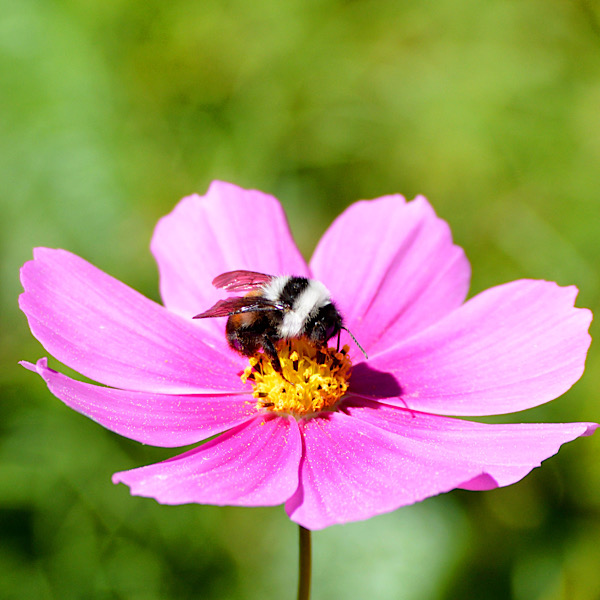
While tomatoes are self-pollinating (they don’t strictly need bees), pollinator visits increase fruit set and can result in larger, better-formed tomatoes. Companion plants that attract bees, butterflies, and other pollinators during tomato bloom time improve your harvest.
#3: Space Efficiency
Tomato plants grow tall and take time to fill out. The space beneath and between them can support low-growing crops like lettuce, carrots, or herbs. You harvest multiple crops from the same square footage.
#4: Living Mulch
Ground-covering companions like creeping thyme or lettuce shade the soil, retain moisture, suppress weeds, and keep soil temperatures stable. This is especially valuable during hot summers when bare soil can overheat.
Best Companion Plants for Tomatoes in Containers
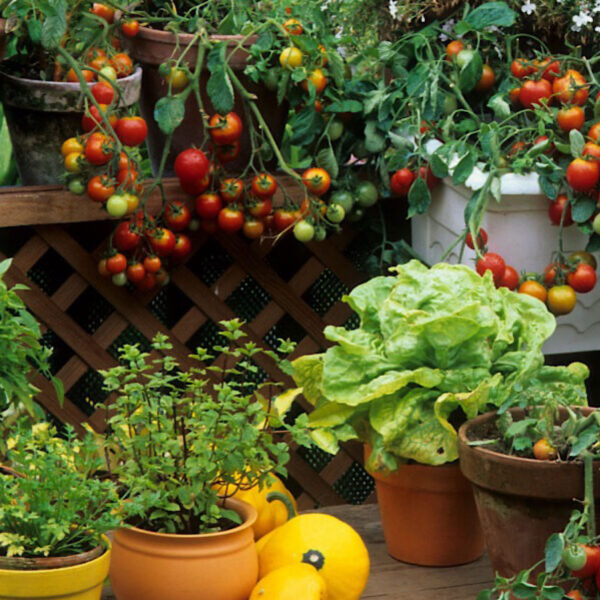
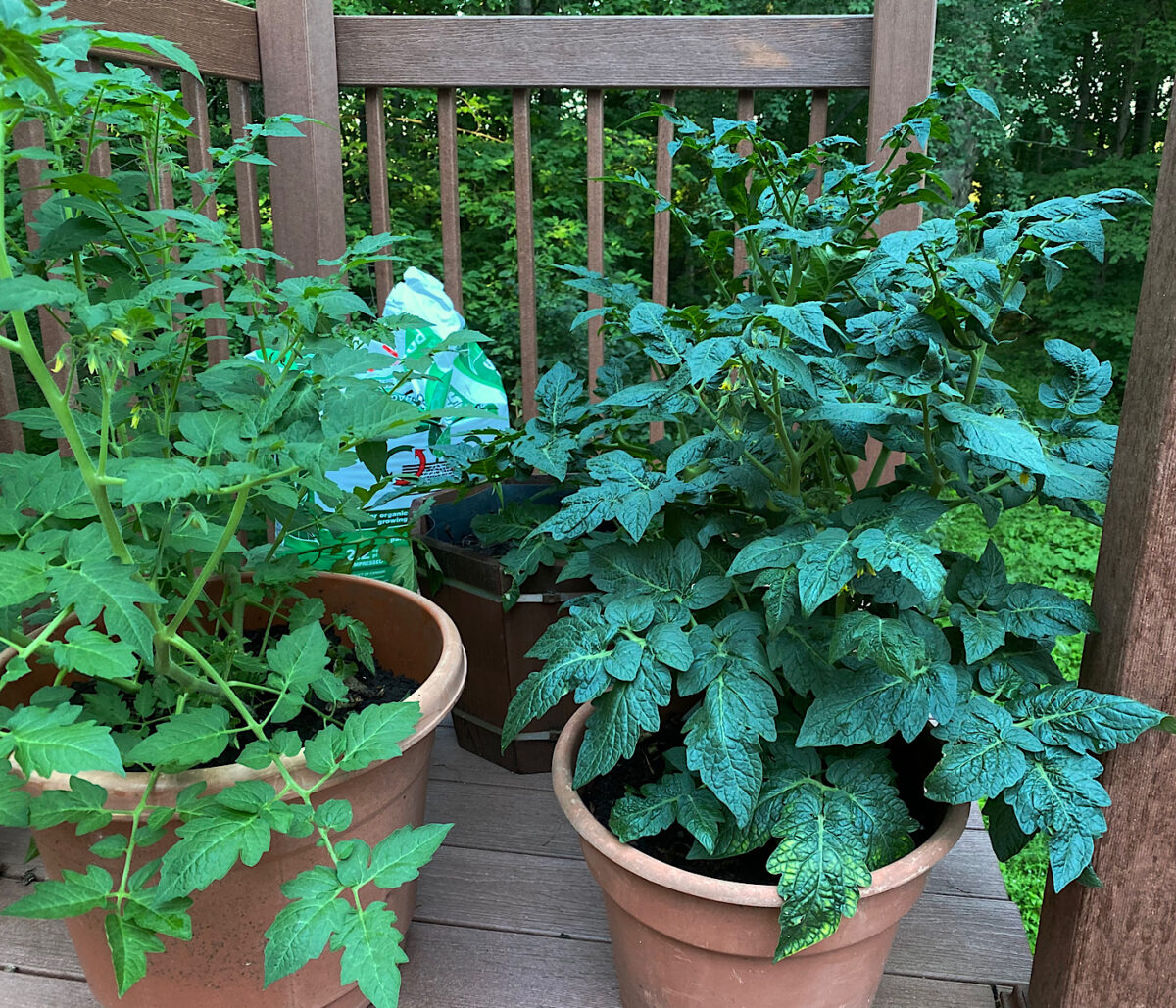
Container gardening has space constraints, so you need companions that stay compact and don’t compete aggressively with your tomato’s roots.
Herbs (the best container companions):
- Basil: The classic pairing, and for good reason. Research shows basil improves tomato plant size, yield, and pest resistance. Plant basil 12-18 inches from the tomato stem. Both plants have similar water and sun requirements.
- Parsley: Attracts hoverflies, whose larvae eat aphids. Stays compact and won’t crowd your tomato.
- Chives: Their oniony scent deters aphids and can help prevent fungal diseases. Pretty purple flowers attract pollinators.
- Oregano: Low-growing, drought-tolerant once established, and the flowers attract beneficial insects.
- Thyme: Makes excellent living mulch in containers. Research from Iowa State found that interplanting tomatoes with thyme reduced egg-laying by armyworms.
Flowers:
- Marigolds (dwarf varieties): French marigolds are particularly effective at deterring whiteflies and nematodes. Choose compact varieties for containers. The flowers also attract pollinators.
- Nasturtiums (trailing): Act as trap crops, luring aphids away from tomatoes. The flowers and leaves are edible, adding a peppery kick to salads.
- Alyssum: Low-growing, fragrant, and attracts hoverflies that prey on aphids. Makes good container filler around tomato stems.
Vegetables:
- Lettuce: Thrives in the shade cast by tomato foliage, especially in hot weather. Harvest before the tomato fully fills out the container.
- Peppers (small varieties): Tomatoes and peppers are in the same family and have similar growing requirements. They make good container neighbors if you have a large enough pot.
Best Companion Plants for Tomatoes in Garden Beds
Without container size constraints, you have more options. Focus on plants with similar sun and water requirements (tomatoes want full sun and consistent moisture).
Herbs:
Everything mentioned above for containers works even better in the garden, where plants have room to spread.
Additional options:
- Borage: Attracts pollinators and is said to improve tomato flavor (though research on flavor enhancement is limited). The blue flowers are beautiful, and both flowers and leaves are edible.
- Sage: Deters flea beetles and cabbage moths. Place at bed edges where it can stay drier.
- Dill (with caution): Attracts beneficial insects like ladybugs and parasitic wasps. However, mature dill can inhibit tomato growth, and it attracts tomato hornworms. Plant it, but harvest it young or keep it at the bed’s edge.
- Mint: Deters aphids and flea beetles. Grow it in a buried pot to prevent it from taking over.
Flowers:
- Marigolds: The single most effective companion plant for tomatoes, backed by solid research. French marigolds are particularly good at suppressing root-knot nematodes. Leave their roots in the soil at season’s end; the nematode-fighting compounds continue releasing as roots decompose. In the book Carrots Love Tomatoes: Secrets of Companion Planting for Successful Gardening
 author Louise Riotte notes that French marigolds need to be grown for at least a full season before they will control nematodes in the soil and thus be beneficial.
 - Nasturtiums: Great trap crop for aphids. Plant them at bed edges or in pathways.
- Calendula: Attracts beneficial insects and adds cheerful color. Also has mild pest-repelling properties.
- Cosmos: Draws in pollinators and aphid-eating insects like hoverflies.
- Sunflowers: Can provide afternoon shade for tomatoes in very hot climates, and attract pollinators. Plant on the west side of your tomato bed.
- Zinnias: Attract pollinators, especially butterflies, and bring beneficial insects to the garden.
 author Louise Riotte notes that French marigolds need to be grown for at least a full season before they will control nematodes in the soil and thus be beneficial.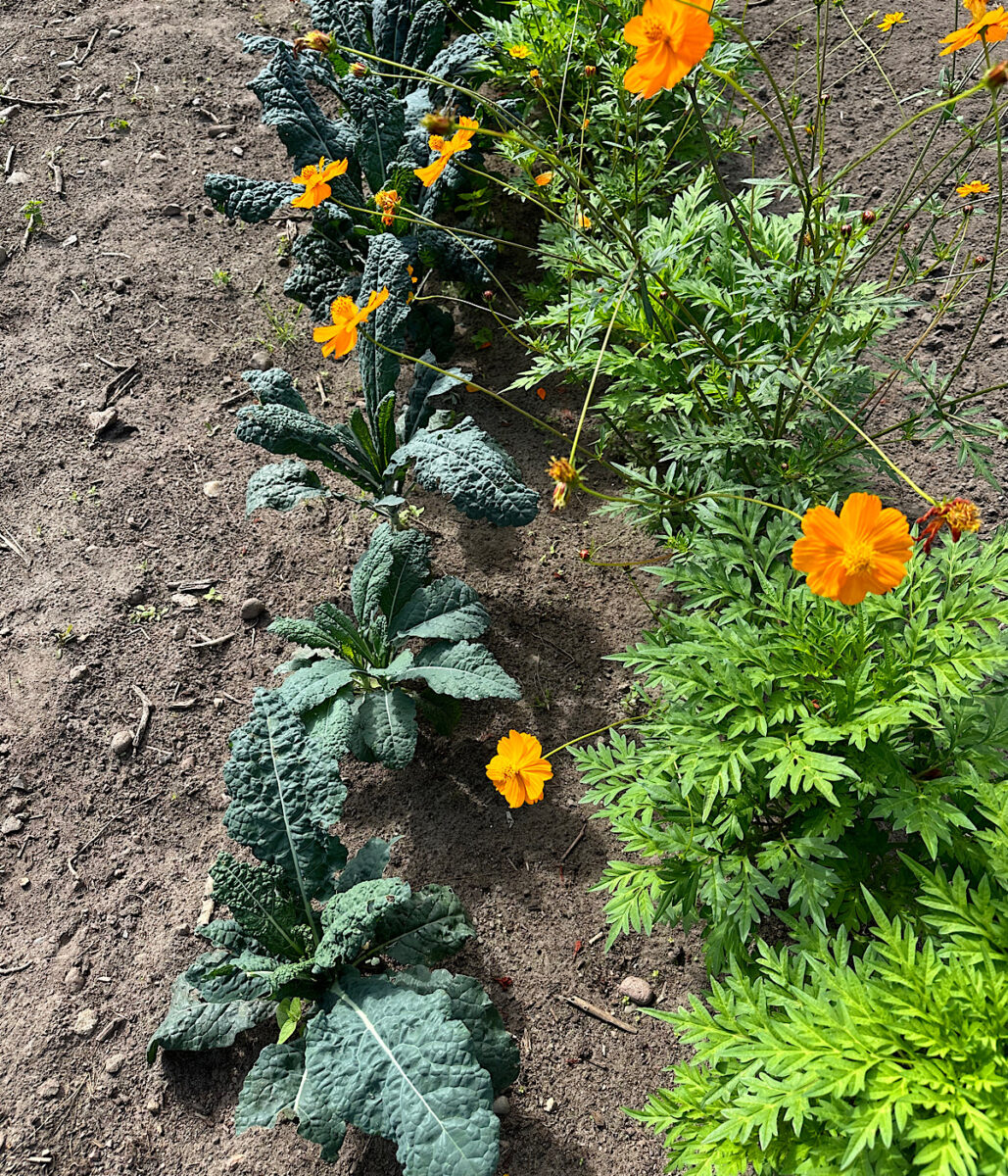
Vegetables:
- Carrots: A classic pairing. Carrots grow underground while tomatoes grow above, so there’s no competition for space. Carrot roots help break up and aerate soil. The shade from tomato foliage benefits carrots in hot weather.
- Lettuce, spinach, arugula: These greens appreciate the shade tomato plants provide and act as living mulch. Harvest them before tomatoes completely fill out.
- Peppers: Both sweet and hot peppers are excellent tomato companions. They’re in the same family with similar requirements. Just ensure you fertilize adequately since both are heavy feeders.
- Garlic and onions: Their pungent scent deters many common tomato pests including aphids, spider mites, and some fungal diseases. Interplant throughout the tomato bed.
- Celery: Its strong smell repels some pests. Plant at bed edges.
- Asparagus: A mutually beneficial relationship. Tomatoes repel asparagus beetles; asparagus repels some nematodes. Since asparagus is perennial, plan your garden layout accordingly.
- Beans (bush varieties): Fix nitrogen in the soil, which tomatoes appreciate. Don’t use pole beans that might shade your tomatoes.
Ground Cover Options for Tomato Beds
Bare soil around tomatoes leads to weeds, moisture loss, and soil temperature swings. Living ground covers solve all three problems while giving you an additional harvest.
- Lettuce and other salad greens: Fast-growing, shade-tolerant, and ready to harvest before tomatoes need the space.
- Creeping thyme: Aromatic, drought-tolerant once established, and stays low. Pollinators love the flowers.
- Oregano: Spreads to fill gaps and provides excellent ground coverage.
- Clover (crimson or white): Fixes nitrogen, attracts pollinators, and suppresses weeds. Can be mowed or cut back if it gets too vigorous.
- Alyssum: Low-growing annual that self-seeds. Attracts beneficial insects.
- Strawberries: Tolerate partial shade and make productive ground cover. Just ensure adequate water for both crops.
Tip: Avoid grass as ground cover around tomatoes. Grass competes aggressively for nutrients and water, and its shallow roots interfere with tomato feeder roots.
How to Design an Italian Herb Garden with Tomatoes
If you’re looking for tomato companions that are both useful in the garden and in the kitchen, check out this detailed guide on designing an Italian kitchen garden around your tomatoes. Everything you need for bruschetta, caprese, pasta sauce, and more, growing together.
The classic combination:
- Basil: The essential partner. Plant generously throughout the tomato bed. Genovese basil for pesto, Thai basil for variety.
- Oregano: Low-growing, spreads nicely, perfect dried for pizza and pasta sauce.
- Parsley (Italian flat-leaf): Attracts beneficial insects and is endlessly useful in the kitchen.
- Garlic: Plant in fall for harvest the following summer, or use garlic chives for a milder flavor available all season.
- Onions or shallots: Interplant throughout for pest deterrence and kitchen use.
Add some peppers (sweet Italian frying peppers are perfect) and you have a complete Italian vegetable garden in one bed.
What NOT to Grow Near Tomato Plants
Some plants actively harm tomatoes or share pests and diseases. Keep these away:
- Fennel: Fennel secretes allelopathic compounds that inhibit the growth of many plants, including tomatoes. Research confirms it suppresses germination and seedling growth. Keep fennel at least 4-5 feet from any tomato bed. Better yet, grow it in a separate area entirely.
- Brassicas (cabbage, broccoli, cauliflower, Brussels sprouts): These heavy feeders compete with tomatoes for nutrients, and they prefer cooler weather. More importantly, they can stunt tomato growth when planted too close. Brassicas are better grown in spring before tomatoes go in, or in fall after tomato harvest.
- Potatoes: Tomatoes and potatoes are both nightshades, which means they share the same pests and diseases, including late blight and Colorado potato beetles. Planting them near each other increases the risk of disease spreading between crops. Keep them in separate areas of the garden.
- Corn: Tomatoes and corn share the corn earworm (which also attacks tomatoes as the tomato fruitworm). Growing them together can increase pest pressure on both crops.
- Walnut trees (and butternut): Walnut roots release juglone, a chemical toxic to tomatoes and many other plants. Tomatoes planted within the root zone of a walnut tree (which extends well beyond the canopy) will yellow, wilt, and often die. If you have walnut trees, grow tomatoes in raised beds with imported soil, or in containers.
- Dill (mature plants): Young dill is fine, even beneficial. But mature, flowering dill can inhibit tomato growth and attracts tomato hornworms. If you grow dill near tomatoes, harvest it before it flowers, or keep it at the far edge of the garden.
- Rosemary: While often listed as a tomato companion, rosemary prefers much drier conditions than tomatoes. The two have incompatible watering needs, which makes one or the other unhappy.
FAQ
Basil is the most studied and most consistently recommended companion for tomatoes. Research shows it improves yield, plant size, and pest resistance. Marigolds are a close second, particularly for their nematode-suppressing properties.
This claim appears frequently, but research is mixed. A West Virginia University study found no consistent flavor preference in double-blind taste tests. Basil definitely improves tomato plant health and yield. Whether it improves flavor is harder to prove.
Yes. Tomatoes and peppers are in the same family and have similar requirements for sun, water, and nutrients. They make excellent companions. Just fertilize adequately since both are heavy feeders.
Both are nightshades and share the same pests and diseases, including late blight. Growing them together increases the chance of disease spreading between crops.
Smaller companions like basil and chives can be planted 12-18 inches from tomato stems. Larger companions like marigolds work well at bed edges. Give tomatoes enough space for good air circulation (at least 24-36 inches between tomato plants), and tuck companions into the gaps.
Yes. French marigolds release compounds from their roots that are toxic to root-knot nematodes. Research also shows marigolds release limonene, which repels whiteflies. Leave marigold roots in the soil at season’s end to continue the benefit.
They can grow near each other, but they share some pests and diseases (aphids, whiteflies, powdery mildew). If you plant them together, ensure good air circulation and monitor closely for problems.
Yes. Grass competes aggressively for water and nutrients, and its shallow root system interferes with tomato feeder roots. Use living ground cover plants or organic mulch instead.
Not directly in the ground within the walnut’s root zone. Walnut roots release juglone, which is toxic to tomatoes. Use raised beds with imported soil, or grow tomatoes in containers if you have walnut trees.
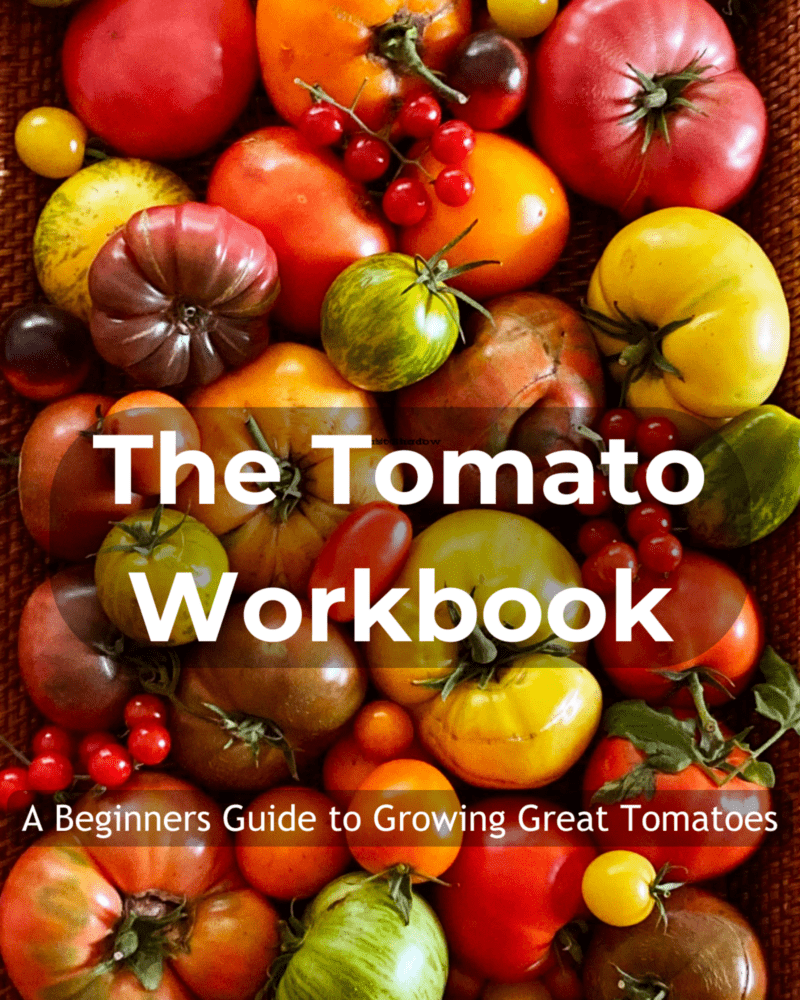
If you want to grow your own tomatoes for recipes like this, The Tomato Workbook for Beginners, covers everything from seed starting to harvest, with variety recommendations for different cooking uses.
You can purchase a digital copy from this website, or purchase a print copy from Amazon. Both are $11.95.
Dorothy,
My wife and I are travelling around Provence, France right now and came across some gardens with interesting companion plants growing next to the tomatoes. What’s got us scratching our heads is that the companion plant seems to be a dried herb of some sort. Have you ever heard of such a thing? Every tomato plant had a dried herb stuck right next to the tomato stalk. Wondering if you can help us identify the herb. I have pics too.
Interesting. I’ve never heard of that practice, but I’m curious. I might be able to identify it with a photo. If you can, upload the photo here and if I don’t know it, some other commenter might. If you can’t upload it here, send it to me via email: dsheathglen@gmail.com