Quick Summary: The best-tasting tomatoes come from healthy plants grown in good sun, watered generously while developing and then tapered off as fruit ripens, and harvested at the breaker stage. Variety selection matters enormously, but so does how you grow them. This guide covers the factors you can control to maximize flavor: watering strategy, fertilizing, harvest timing, and understanding how variety affects taste.
Jump to: Which Varieties? | How Watering Affects Flavor | Fertilizing? | When to Harvest? | Control Disease | Growing in Pots | Homegrown Taste | FAQ

After 20+ years of growing heirloom tomatoes at HeathGlen Organic Farm for the St. Paul Farmers’ Market, I’ve learned that flavor isn’t only about picking the right variety, although that is important. It’s also about how you grow them, when you water, and when you harvest. Two identical plants of the same variety can produce tomatoes that taste completely different depending on these factors.
The good news: much of what affects flavor is within your control. Here’s what actually matters.
Start with a Flavor-Forward Variety
Variety selection is the single most important factor in tomato flavor. You can do everything else right, but if you’re growing a hybrid variety bred for shipping and shelf life, the tomatoes will taste like shipping and shelf life.
As a long time tomato grower, I have found heirloom tomatoes to have much more flavor nuances than any hybrid variety. This guide specific to growing hierloom varieties answers the question people always ask about whether heirloom tomatoes are harder to grow than regular tomatoes (spoiler: the answer is no).
Here are a few specifics on varieties:
Cherry tomatoes concentrate flavor. In almost every taste test, small tomatoes score highest. Their sugars and flavor compounds are packed into a smaller package. Sun Gold, Sweet 100, and Matt’s Wild Cherry consistently rank at the top.
Heirloom tomatoes were selected for taste. Unlike commercial hybrids bred for yield, disease resistance, and thick skins, heirloom varieties were passed down specifically because they tasted good. Brandywine, Cherokee Purple, and Mortgage Lifter have been crowd favorites for generations for a reason.
Color affects flavor profile. This isn’t just visual. The pigments in heirloom tomatoes correlate with different balances of sugars, acids, and volatile compounds. This doesn’t hold for hybrid tomatoes however, as they have been bred for different purposes and the flavor profiles are not as consistent as heirlooms.
- Red heirloom tomatoes tend to have classic “tomato flavor” with good acid-sugar balance.
- Large pink heirloom tomatoes are similar to red but often sweeter.
- Purple/black tomatoes (Cherokee Purple, Carbon, Paul Robeson) have rich, complex, sometimes smoky flavor with lower acid.
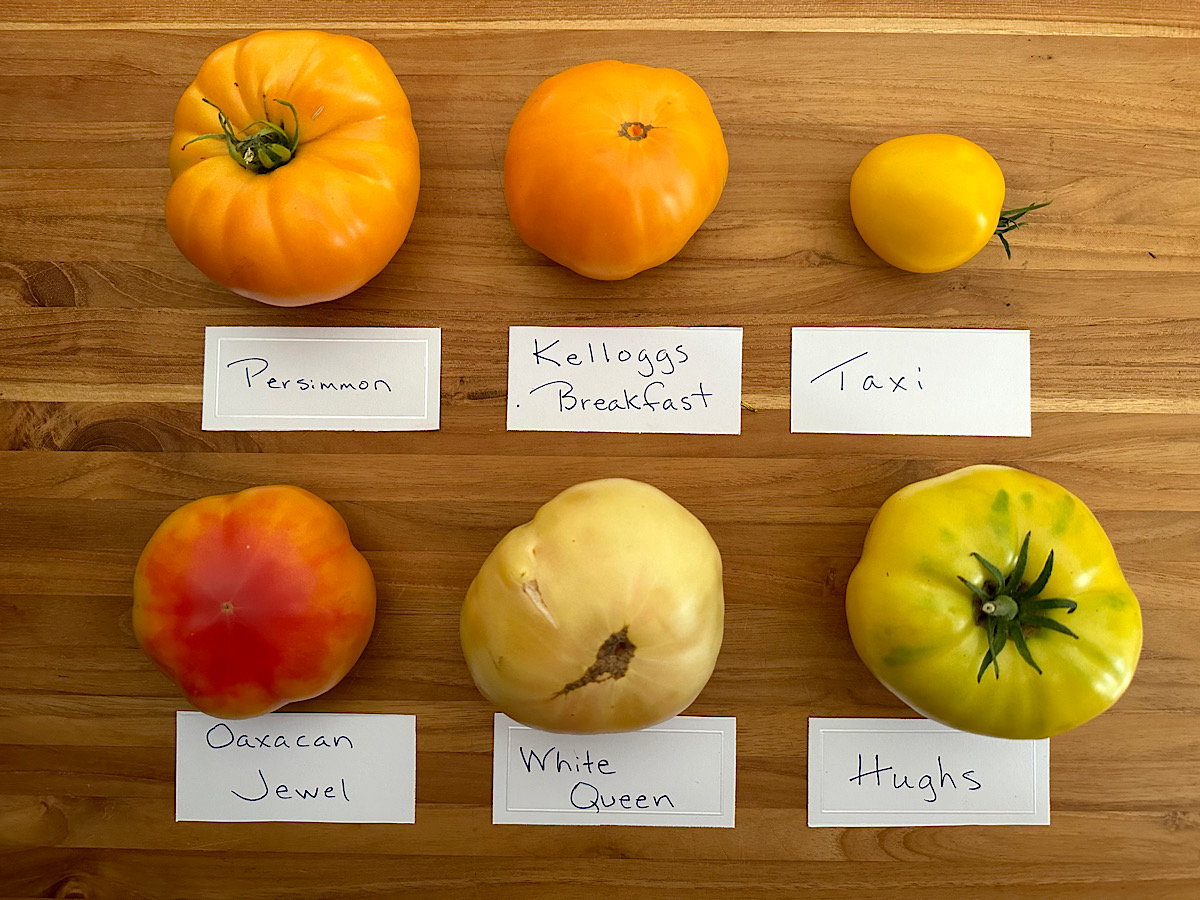
- Orange tomatoes (Persimmon, Kelloggs Breakfast, Jaune Flamme) are sweet and fruity.
- Yellow/white tomatoes tend to be mild, with some exceptions (Hughs and Limmony are more robust yellow heirlooms). Some people find yellow tomatoes bland.
- Green when ripe (Green Zebra) have bright, tangy, high-acid flavor
I’ve written a detailed guide to heirloom tomato flavor profiles by color that goes deeper on specific varieties.
The Watering Strategy That Builds Flavor
This is the factor most gardeners get wrong. The conventional advice is to water tomatoes consistently, and that’s true during the growing phase. But once fruit starts to ripen, the rules change.
Water generously while the plant establishes and sets fruit. Young plants need consistent moisture to develop strong root systems and healthy foliage. During flowering and early fruit development, keep the soil evenly moist. Water stress at this stage stunts growth and reduces the plant’s ability to produce flavor compounds later.
Taper off watering as tomatoes begin to ripen. Once fruit reaches the “mature green” stage (full size but not yet changing color), reduce watering a bit. Research confirms that controlled water stress during ripening concentrates sugars and intensifies flavor. This is the principle behind “dry farming,” a technique some commercial growers use specifically to boost flavor.
The science: when tomatoes get less water during ripening, they produce smaller but sweeter fruit. The sugars don’t get diluted. The flavor compounds concentrate. Too much water during ripening literally waters down your tomatoes.
Don’t let plants wilt severely. Reducing water doesn’t mean no watering. You want the soil to dry out more between waterings, not to abandon the plants entirely. Severe wilting damages the plant.
Rainy weather dilutes flavor. This is why tomatoes that ripen during a string of sunny days taste better than those that ripen during a wet spell. You can’t control the weather, but you can control your irrigation.
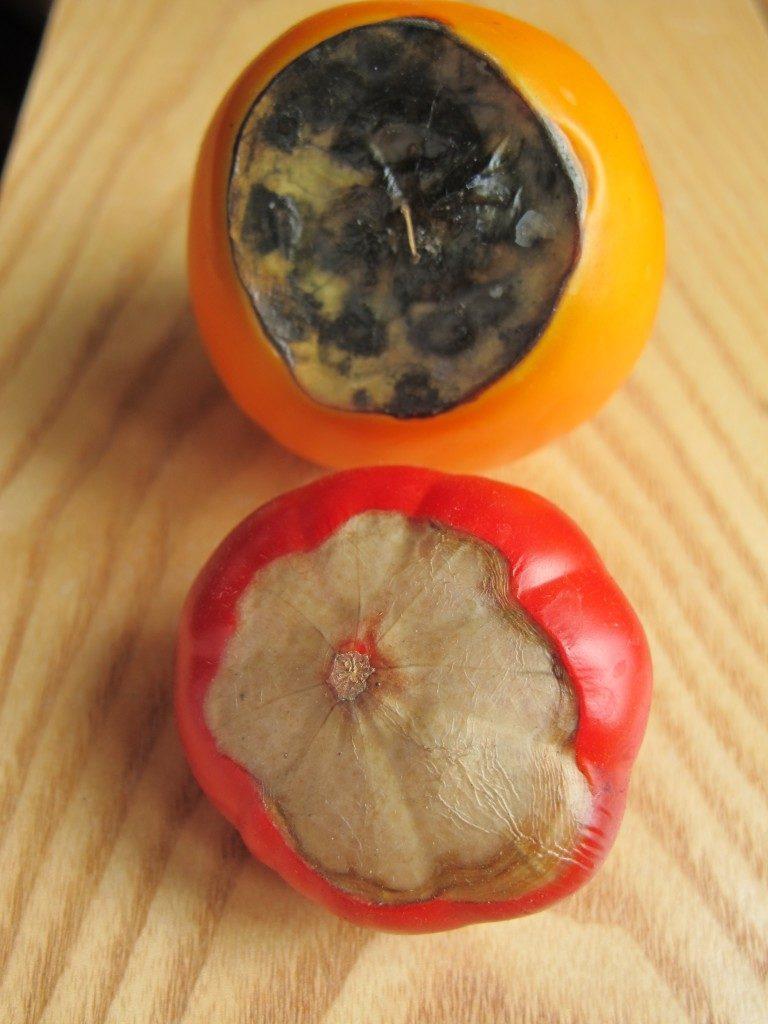
Tip: Some varieties (usually the smaller tomato varieties) will develop blossom end rot if they are watered inconsistently during the growing stage. Consistent water is important here. Details are provided in this guide on solving blossom end rot in tomatoes.
Fertilizing: Less is More After Fruit Sets
Over-fertilizing is almost as common a flavor mistake as over-watering.
Feed plants well while they’re growing. Healthy, vigorous plants with lots of foliage do the best job of producing the sugars and flavor compounds that end up in the fruit. Good soil amended with compost, or a balanced fertilizer at planting, gets plants off to a strong start.
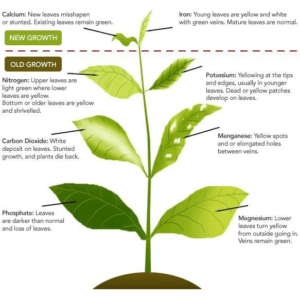
Back off nitrogen fertilizer once flowers appear. Excess nitrogen after flowering pushes the plant to produce more leaves instead of channeling energy into fruit. You get big, lush plants with mediocre tomatoes. Switch to a lower-nitrogen, higher-potassium fertilizer during fruiting, or stop fertilizing altogether if your soil is reasonably fertile.
Potassium matters for flavor. Research shows that adequate potassium during fruit development improves tomato taste. Compost generally provides enough. If you’re fertilizing, look for products with higher potassium (the third number in NPK ratios).
Don’t chase “tomato-specific” fertilizers. As Robert Pavlis at Garden Myths points out, every fertilizer company sells a “tomato fertilizer” with a different NPK ratio. If there were one perfect formula, they’d all be the same. Focus on good soil and don’t overthink it.
When to Harvest: The Breaker Stage
Here’s something that surprises many gardeners: you don’t need to wait until tomatoes are fully red (or whatever their final color) on the vine.
Harvest at the “breaker stage.” This is when the tomato has reached full size and shows the first hint of color change, even just a blush of pink at the blossom end. At this point, a layer of cells has formed across the stem that seals the fruit off from the plant. The tomato has everything it needs to complete ripening on its own.
Tomatoes picked at breaker stage develop the same flavor as vine-ripened. The ripening process continues after harvest. The fruit produces its own ethylene, the hormone that triggers ripening, and the sugars and acids continue to develop. Research shows no significant flavor difference between breaker-picked and vine-ripened tomatoes.
Why harvest early? Once a tomato reaches breaker stage, leaving it on the vine offers no benefit and adds risk: cracking from rain, pest damage, birds, sunscald. I pick at breaker stage and let tomatoes finish ripening on the counter.
Never refrigerate. Cold temperatures destroy flavor compounds. Store tomatoes at room temperature, stem side down, out of direct sunlight.
There is one case where I will refrigerate tomatoes however. If you have ripe heirlooms on your counter and you don’t have time to eat them, their thin skins will cause them to go bad quite quickly. Since they are already fully ripe, they will not lose flavor, although the texture might change some.
This comprehensive guide to starting your own kitchen garden offers information on designing a harvesting schedule for your tomatoes.
Control Disease
Flavor compounds are produced in the leaves and transported to the fruit. Plants that lose foliage to disease can’t produce full-flavored tomatoes. That’s why prevention matters even if you’re not concerned about appearance.
Don’t over-prune. Leaves convert sunlight into sugars. Removing too many leaves reduces the plant’s ability to sweeten the fruit. Remove lower branches to improve air circulation, but don’t strip the plant.
Manage disease before it spreads. Early blight, late blight, and other fungal diseases cause leaves to yellow and drop. If half your plant’s foliage is gone by the time fruit ripens, flavor suffers. Stake plants for air circulation, water at the base (not the leaves), and remove affected foliage promptly.
Full sun is non-negotiable for large tomatoes. Beefsteak types need 6-8 hours of direct sun for best flavor development. More sun means more photosynthesis, which means more sugar production. Cherry tomatoes can get by with less, but even they taste better in full sun.
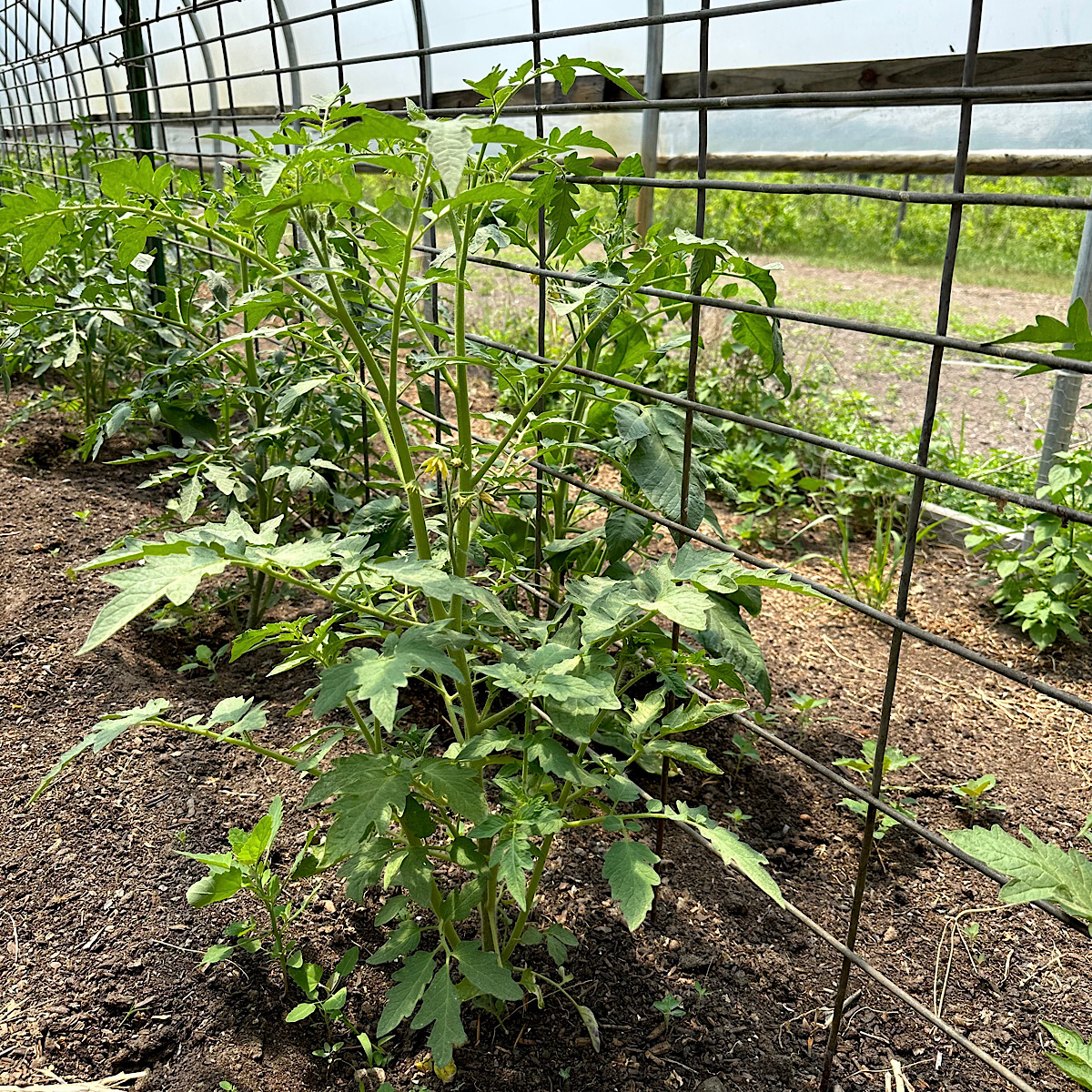
And don’t forget the mulch to keep disease at a minimum.

Growing Tomatoes in Containers
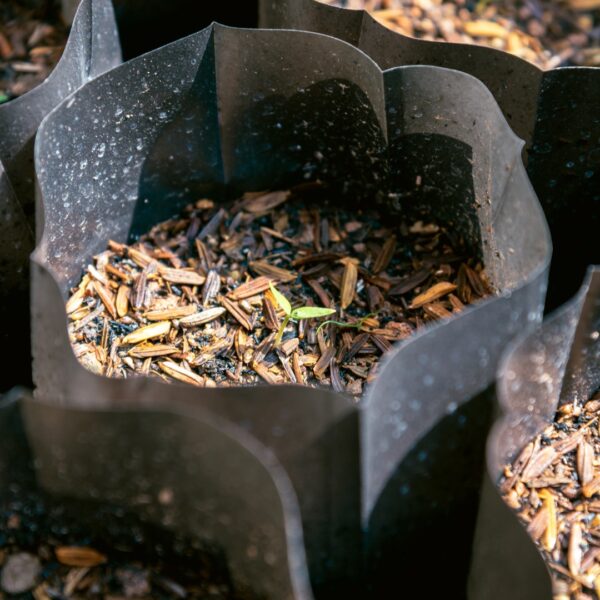
If you want grow tomatoes in containers, most of the variables in this guide apply. There are a few nuances to consider however. Check out these detailed posts specific to growing tomatoes in pots, or growing tomatoes in grow bags for more information.
Why Your Homegrown Tomatoes Taste Better
If you’re reading this, you probably already know that homegrown tomatoes outclass grocery store tomatoes. But understanding why helps you maximize the advantage:
You pick them ripe. Commercial tomatoes are picked green and gassed with ethylene to turn red. They never develop the sugars and volatile compounds that form during natural ripening.
You’re eating them fresh. Even a tomato picked ripe loses flavor after a few days. You’re eating yours hours after harvest.
You can grow varieties selected for taste. Commercial growers choose varieties for yield, disease resistance, and shipping durability. You can choose varieties for flavor alone. Check out this detailed guide on the flavor nuances of heirloom tomato varieties, based around color.
Your soil is alive. Research shows that tomatoes grown in field soil with active microbial life have more complex flavor than hydroponic or greenhouse tomatoes. Your garden soil, especially if you’ve been amending it with compost, is doing things for flavor that a sterile growing medium can’t replicate.
FAQ
Yes. Research confirms that controlled water stress during ripening increases sugar content and concentrates flavor compounds. Reduce watering once tomatoes start changing color, but don’t let plants wilt severely.
At the breaker stage, when they first show the blush of color change. At this point the tomato is sealed off from the plant and will ripen fully on the counter with no loss of flavor. Harvesting early also protects fruit from cracking, pests, and weather damage.
Yes, especially in heirlooms. Red and purple heirloom tomatoes tend to have more traditional “tomato flavor” with good acid/sugar balance. Orange varieties are typically sweeter and fruitier. Green-when-ripe types (like Green Zebra) are tangy and bright. The pigments correlate with different chemical compounds that affect taste.
Generally, yes, because heirlooms were selected for flavor while many modern hybrids were bred for shipping and/or disease resistance. But some hybrids (like Sun Gold) have excellent flavor. The variety and how you grow it matters more than the heirloom vs. hybrid distinction.
Pruning affects plant size, fruit size, and early ripening more than flavor directly. In short seasons, pruning to a single stem can speed ripening. In long seasons, leaving some suckers increases yield without hurting flavor. Don’t strip the plant of leaves, as foliage produces the sugars that end up in the fruit.
It depends on your taste preference. Brandywine and Cherokee Purple are known for their sweetness. Sun Gold is a popular cherry tomato for its tropical flavor. For something robust and meaty, try Druzba. For sweet and fruity, try Jaune Flamme or Persimmon. I recommend trialing several varieties in your own garden since soil and climate affect flavor.
Too much water during ripening, or too much rain. The fruit absorbs water and the sugars get diluted. Taper off irrigation once fruit starts to ripen. You can’t control rain, but you can control your hose.
If you want to grow your own tomatoes for recipes like this, The Tomato Workbook for Beginners, covers everything from seed starting to harvest, with variety recommendations for different cooking uses.