
Quick Summary: Heirloom tomatoes aren’t necessarily harder to grow than hybrids, but they have characteristics that make them different to manage. The main challenges are disease susceptibility and shorter shelf life due to thin skins, not the actual growing process. If you select the right variety for your climate and don’t have disease pressure in your soil, heirlooms grow just as easily as any other tomato. The tradeoff is worth it for the flavor.
Jump to: What is Heirloom Tomato? | Disease Resistance in Heirlooms | Variety Selection | Storage | Growing in Containers | Flavor | Tomato Supports & Microclimate | FAQ

I’ve been growing heirloom tomatoes at HeathGlen Organic Farm in Minnesota for over 20 years, selling them at the St. Paul Farmers’ Market alongside a few hybrid varieties. The question I hear most often from customers is whether heirlooms are harder to grow. The short answer: not really. The longer answer involves understanding what makes heirlooms different and why those differences matter for your garden.
What Makes a Tomato “Heirloom”?
Before we compare difficulty levels, it helps to understand what separates heirlooms from hybrids.
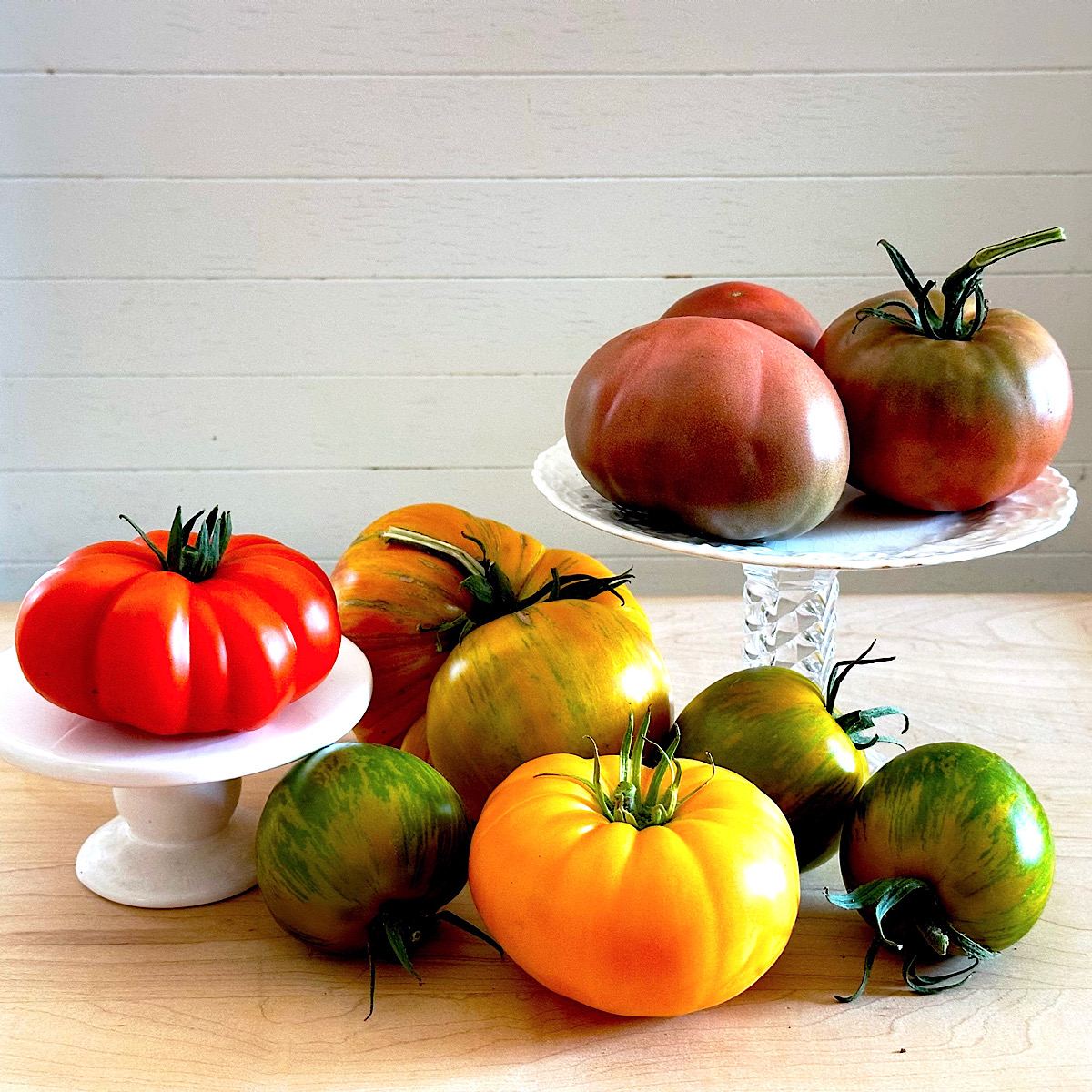
Heirloom tomatoes are open-pollinated varieties that have been passed down for at least 50 years, often within families or communities. They breed true from seed, meaning you can save seeds and grow the same tomato next year. They come in an enormous range of colors, shapes, sizes, and flavors, from deep purple Cherokee Purples to striped Green Zebras to yellow Brandywines.
Hybrid tomatoes are created by intentionally crossing two different parent varieties to produce offspring with specific desirable traits, usually disease resistance, uniform appearance, higher yields, or better shipping durability. Seeds from hybrids won’t produce the same plant, so you need to buy new seeds each year.
The key point: hybrids have been bred for specific performance characteristics. Heirlooms have been selected over generations for flavor, appearance, and regional adaptation.
The Real Differences in Growing
Here’s what actually differs between growing heirlooms and hybrids:
Disease resistance is the biggest challenge. Hybrid tomatoes are constantly being developed to resist common tomato diseases like verticillium wilt, fusarium wilt, early blight, late blight, and nematodes. When you see letters like VFN or VFNT on a tomato tag, those indicate built-in disease resistance.
Most heirloom varieties don’t have this protection. If you have disease pressure in your soil or your region has persistent blight problems, heirlooms are more vulnerable. In wet climates where late blight thrives, this can be devastating. The plant loses foliage, and without healthy leaves to convert sunlight into sugars, even the surviving fruit won’t taste as good.
There are some diseases that can be prevented in heirloom tomatoes the same as hybrids. Blossom End Rot is a non-fatal disease that affects smaller tomatoes that have received inconsistent watering, whether heirloom or hybrid.
Cracking is another problem more prevalent in heirloom tomatoes due to their thin skins. It is also preventable with the right watering regime. This guide on cracking in heirloom tomatoes is helpful.
That said, some heirlooms do have natural resistance. Varieties like Matt’s Wild Cherry, Cherokee Purple, and Black Plum have shown moderate resistance to blight. If you’re in a challenging climate, seek out varieties known to perform well in your conditions.
The growing process itself is the same. Heirlooms need the same things hybrids need: full sun, consistent watering, good soil, and support for indeterminate vines. They’re not more finicky about temperature or feeding. If you can grow a hybrid tomato, you can grow an heirloom.
Heirlooms tend to be indeterminate. Most heirloom varieties are indeterminate, meaning they keep growing and producing until frost. Hybrid tomatoes include many determinate (bush) varieties that stay compact, set all their fruit at once, and don’t require heavy staking. If you want a lower-maintenance plant, hybrids offer more options.
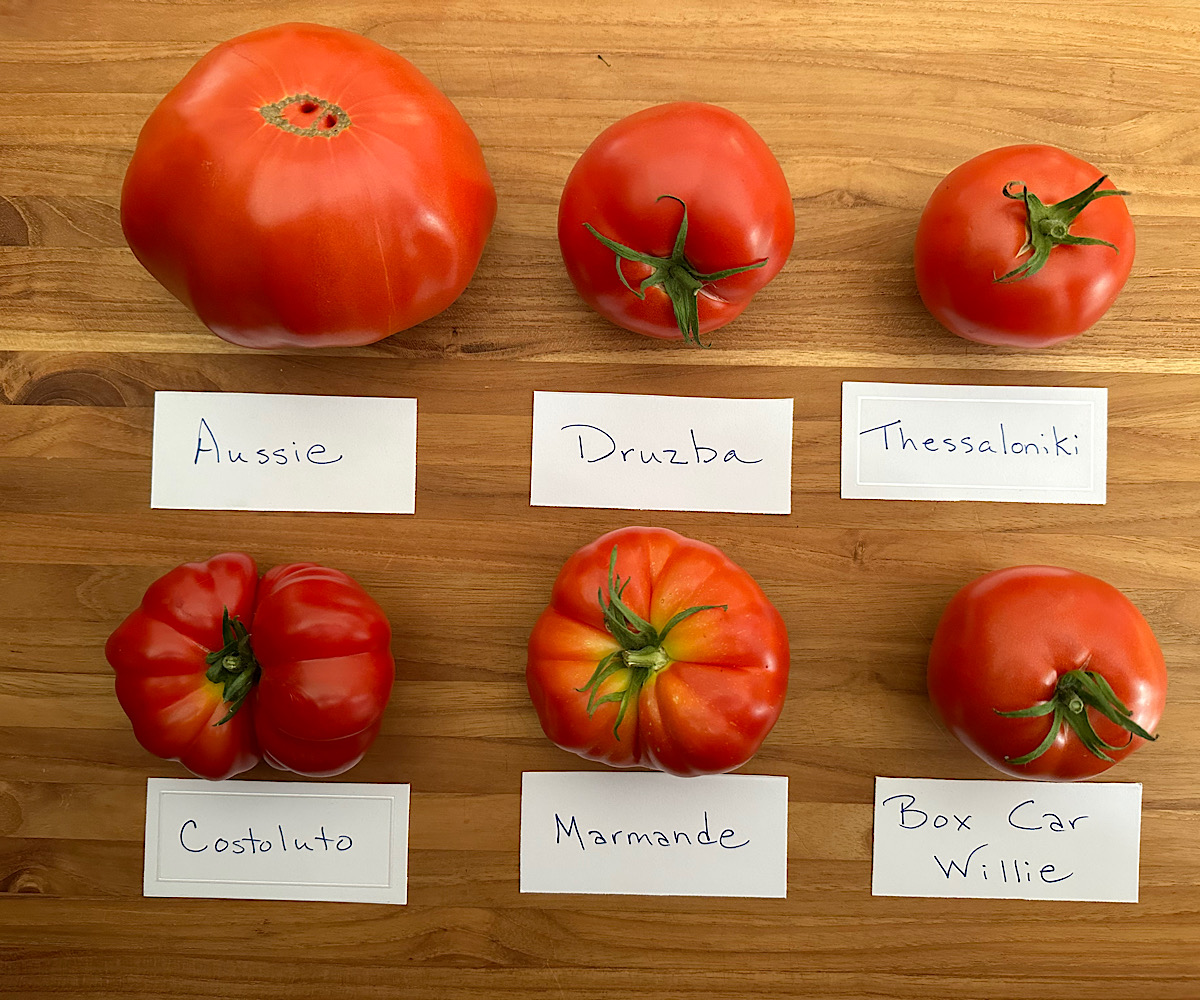
Yields may be lower. Heirlooms often produce fewer tomatoes than hybrids that have been bred for heavy production. But the flavor usually makes up for it. And some heirlooms, like Druzba and Thessaloniki, are known for being vigorous producers.
Why You Won’t See Many Heirlooms at the Grocery Store
If heirlooms aren’t harder to grow, why are grocery stores full of uniform red hybrids?
Thin skins. Heirloom tomatoes have delicate, thin skins. That’s part of what makes them so good to eat, but it also means they bruise easily, crack more readily, and have a much shorter shelf life. Hybrid tomatoes have been bred with thick skins specifically so they can survive being picked, packed, shipped cross-country, and sit on a shelf for days.
Shorter storage window. A ripe heirloom on your counter might last 3-5 days before it’s past its prime. Hybrid grocery store tomatoes can last 1-2 weeks because they were picked green and ripened with ethylene gas during shipping. That extended shelf life comes at a cost: those tomatoes never develop the sugars and acids that make a vine-ripened heirloom taste so good.
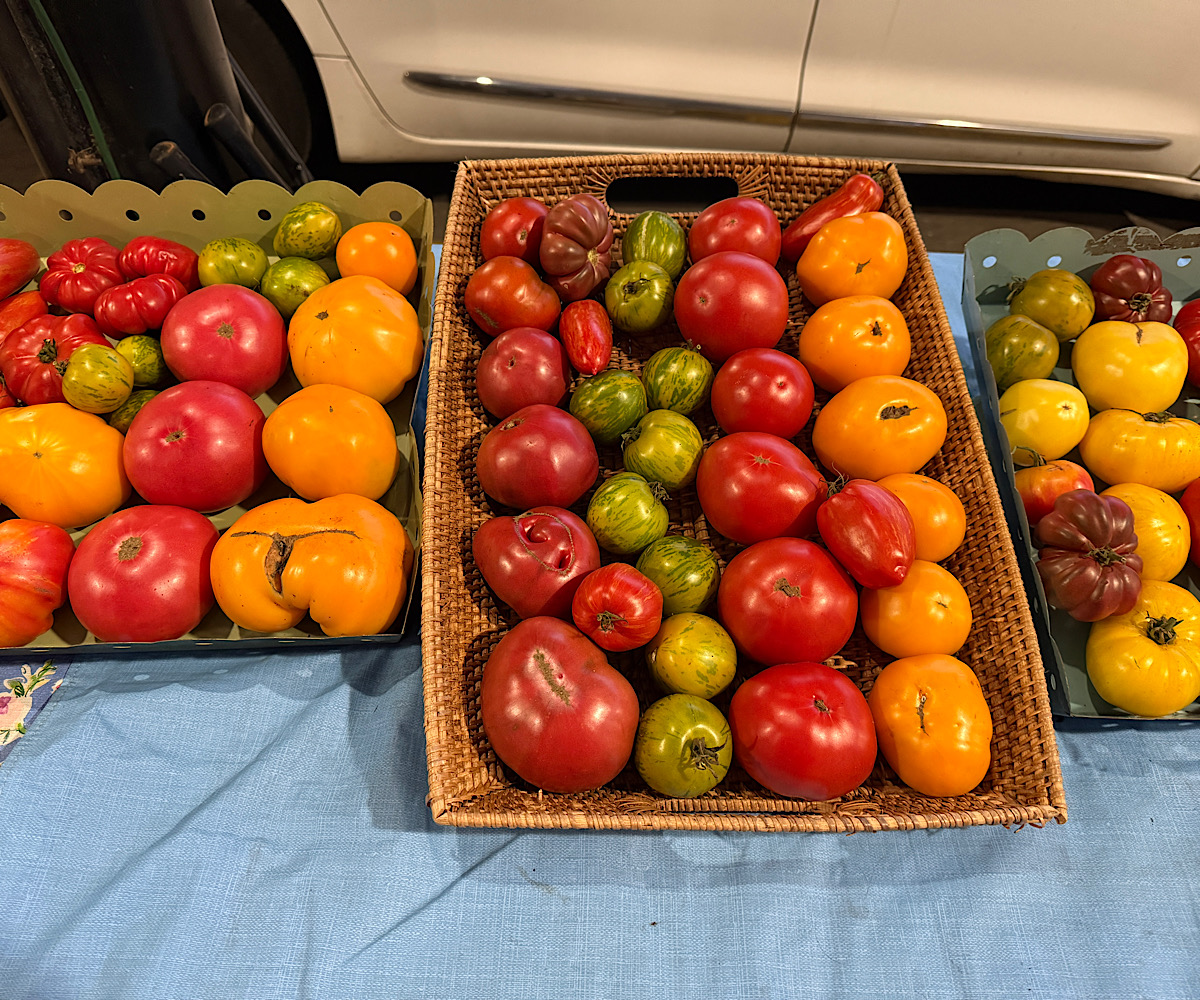
Visual inconsistency. Heirlooms come in irregular shapes, deep cracks, odd colors, and varying sizes. That’s part of their charm for farmers market shoppers, but commercial buyers want uniform, blemish-free fruit. Hybrids deliver that consistency.
This is why heirlooms are a farmers market crop, not a supermarket crop. I pick them ripe the morning of market, and my customers eat them within a day or two. That’s the window where heirlooms shine.
Are Heirlooms Harder to Grow in Containers?
Yes, generally. This is one area where heirlooms do present more difficulty.
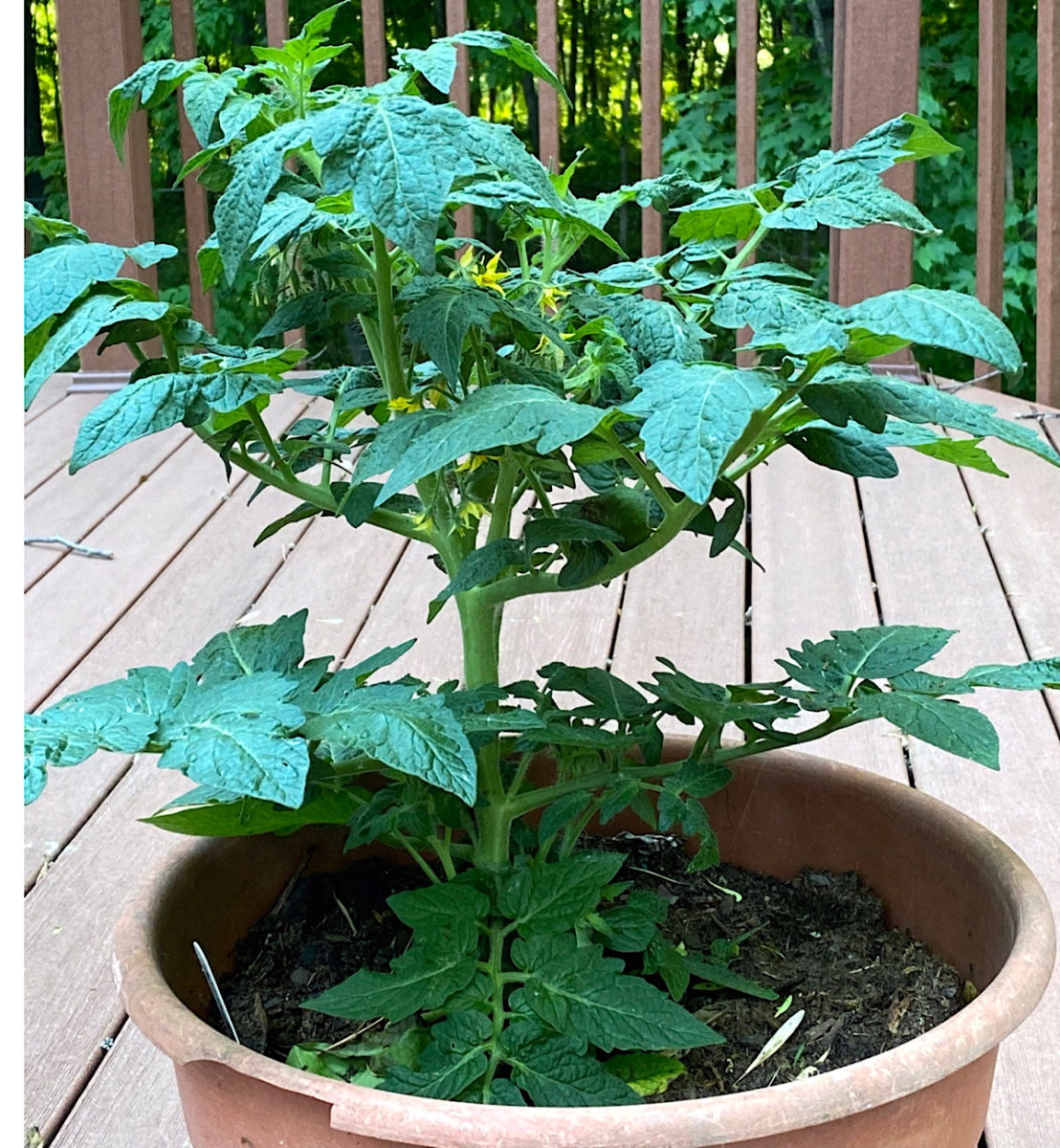
Most heirloom varieties are indeterminate, growing 6 feet or taller with sprawling vines that need serious support. Container growing works best with compact, determinate varieties that stay in the 3-4 foot range and don’t require heavy staking.
The seed industry has responded to demand for container-friendly hybrids. Varieties like Patio, Bush Early Girl, and Tumbler were specifically bred for pot culture. There are far fewer heirloom options.
That said, the Dwarf Tomato Project has developed open-pollinated varieties with heirloom-quality flavor on compact plants. Varieties like Tasmanian Chocolate and Rosella Purple give you heirloom taste in a container-friendly size. And some traditional heirlooms, like Silvery Fir Tree, stay naturally compact.
If you’re limited to containers and want heirloom flavor, you have options, just fewer of them. Check out this guide on how to grow tomatoes in pots for some great tips.
Principe Borghese is a semi-determinate Italian plum heirloom tomato that does quite well in pots and has a lot of concentrated flavor. It is the ultimate tomato for drying and is great in salads, just not a slicer for a BLT.

The Flavor Difference
Here’s why people put up with any extra challenges heirlooms might present: the taste. Every year there are nationwide tomato tastings and heirlooms always come out heads and tail above hybrids. Check out the examples of some of these tasting trials and what they found.
Hybrid tomatoes bred for disease resistance, thick skins, and shipping durability have traded away some of the complex flavors that make a great tomato. When breeders select for one trait, they often lose others. The rich, balanced acidity and sweetness of an heirloom comes from generations of selection for one thing only: how it tastes.
Heirlooms also tend to have more locules, the seed cavities inside the tomato. These locules are packed with volatile compounds that contribute to flavor. Big commercial hybrids often have smaller, fewer locules.
And there’s the ripening factor. Heirlooms are almost always vine-ripened because there’s no point picking them early. They can’t survive shipping anyway. Hybrids picked green and gassed to red in a warehouse simply cannot develop their sugars properly and lose flavor complexity.
Check out this comprehensive guide to growing tomatoes for the best flavor. This guide is a must-have if you want to grow your own tomatoes, heirloom or hybrid.
Choosing the Right Heirloom for Your Garden
The ease of growing heirlooms comes down to variety selection and your local conditions.
Know your climate. Some heirlooms do better in heat, others in cooler temperatures. Arkansas Traveler tolerates heat and humidity. Stupice produces early in short seasons. If you’re in the humid South or wet Pacific Northwest, prioritize varieties with some blight tolerance.
Check your soil history. If you’ve had disease problems in previous years, the pathogens are likely still present. It takes about 5 years of letting the soil rest before the disease is really gone. Practice crop rotation, consider grafting heirlooms onto disease-resistant rootstock, or choose heirloom or hybrid varieties with known resistance.
Start with reliable performers. Mortgage Lifter is often recommended as an “easy” heirloom if you want to stick with a medium-sized red tomato. Kelloggs Breakfast is a reliable orange, fruity variety. Cherokee Purple consistently produces well across different regions. Brandywine is beloved for flavor but can be late to come on. Start with proven varieties, then experiment.
Match the variety to your space. If you’re gardening in pots or have limited room, look for a cherry heirloom like Gardeners Delight or a semi-determinant like Principe Borghese. If you have garden beds with strong trellising, indeterminate giants are no problem.
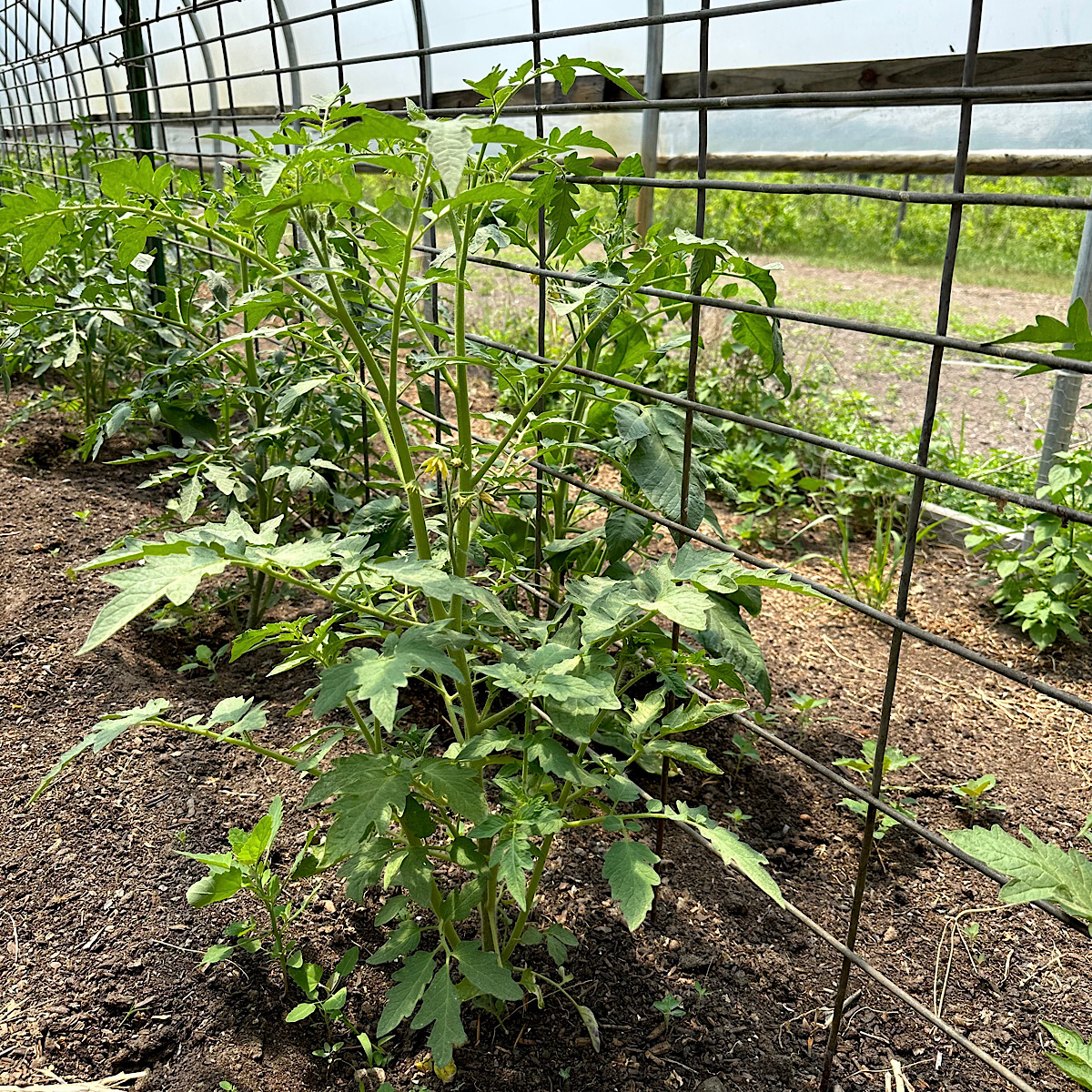
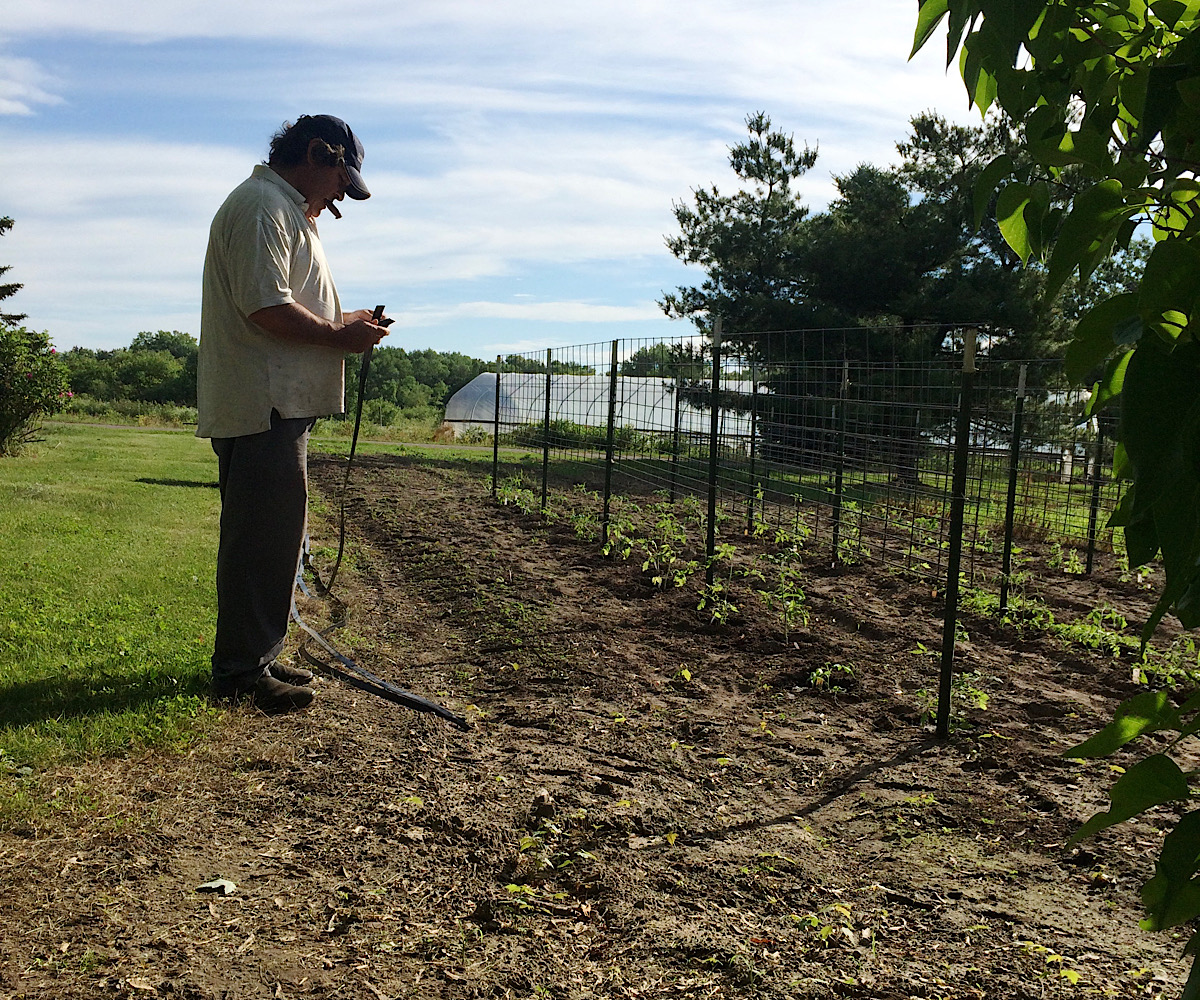
Many heirloom tomatoes are quite large, so you will need to install a sturdy trellis of some sort for them to climb on. At HeathGlen, we use a hogwire fencing system. This detailed post will give you the pros and cons of different tomato support systems.
A Note on Thessaloniki
If you want an heirloom that looks like a “regular” tomato, smooth, round, and red, try Thessaloniki. It’s a Greek heirloom that produces uniform, blemish-free fruit with excellent flavor. It’s proof that not all heirlooms are funky-looking. But the visual diversity is part of what makes heirlooms fun to grow.
FAQ
Are heirloom tomatoes harder to grow than hybrids? Not inherently. The growing process is the same. The challenges are disease susceptibility and shorter shelf life, not the day-to-day care.
Why are heirloom tomatoes more expensive at farmers markets? Thin skins mean more fruit is damaged during harvest and transport. Lower disease resistance means some crop loss. And they simply can’t be mass-produced and shipped like commercial hybrids.
Can I save seeds from heirloom tomatoes? Yes. Heirlooms are open-pollinated and breed true. Save seeds from your best-tasting, healthiest plants and you can grow the same variety year after year.
What’s the best heirloom tomato for beginners? German Johnson, Cherokee Purple, and Brandywine Pink are reliable producers with excellent flavor. For cherry tomatoes, try Matt’s Wild Cherry or Sun Gold (technically a hybrid, but often grouped with heirlooms for flavor).
Are there disease-resistant heirloom tomatoes? Some have natural resistance. Matt’s Wild Cherry, Cherokee Purple, Black Plum, and Old Brooks show moderate resistance to blight. But in general, heirlooms are more vulnerable than hybrids.
Can I grow heirloom tomatoes in containers? Yes, but choose compact or dwarf varieties. Most traditional heirlooms are indeterminate and grow too large for easy container management.
Why do my heirloom tomatoes crack so much? Thin skins and inconsistent watering. When tomatoes absorb water quickly after a dry spell, the skin can’t expand fast enough. Mulching and consistent watering help reduce cracking.
Do heirloom tomatoes taste better than hybrids? Generally, yes. They’ve been selected for flavor over generations. But some hybrids, like Sun Gold, have exceptional taste too. The bigger difference is between a vine-ripened tomato of any kind and a grocery store tomato picked green.
Check out this comprehensive guide to growing tomatoes for the best flavor. This guide is a must-have if you want to grow your own tomatoes, heirloom or hybrid.
Always enjoy your content, thank you for sharing this info.
Heidi
Really happy to hear that Heidi. It means more than you might think to hear that my content was helpful.