Skip to Content

How to Start a Vegetable Garden: A Beginner’s Planning Guide

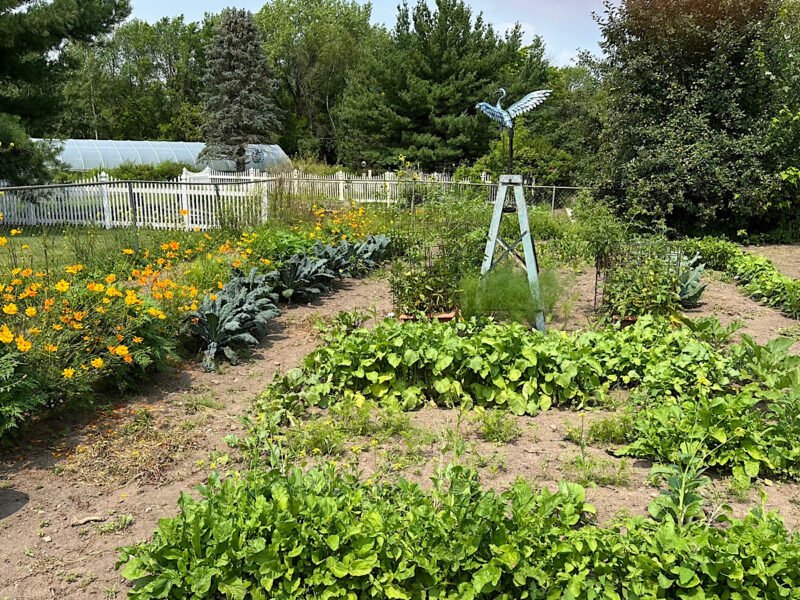
My 20+ years of growing produce for the Minnesota farmers’ markets have taught me that success starts with planning, not just planting. Whether you have a backyard plot or just a few containers on a balcony, the same questions apply: What do you want to grow? How much sun do you have? What’s your soil …

Read More about How to Start a Vegetable Garden: A Beginner’s Planning Guide

Mini Vegetables for Container Gardening: Best Varieties and Pot Sizes

Although I grow vegetables on 23 acres at HeathGlen Organic Farm in Minnesota, I’ve been testing balcony and patio container setups to share with my farmers market customers what actually works in small spaces. Mini vegetables (also called baby vegetables) are ideal for containers because they mature at a compact size while still producing a …

Read More about Mini Vegetables for Container Gardening: Best Varieties and Pot Sizes

Growing Vegetables in Containers: 6 Keys to Success

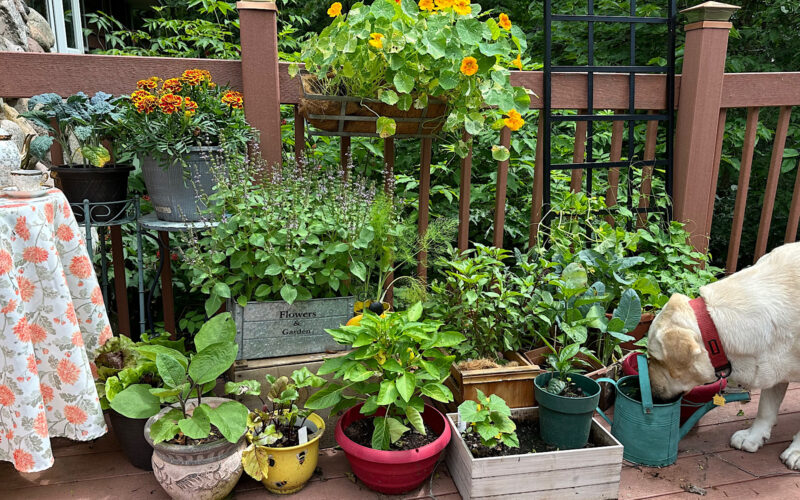
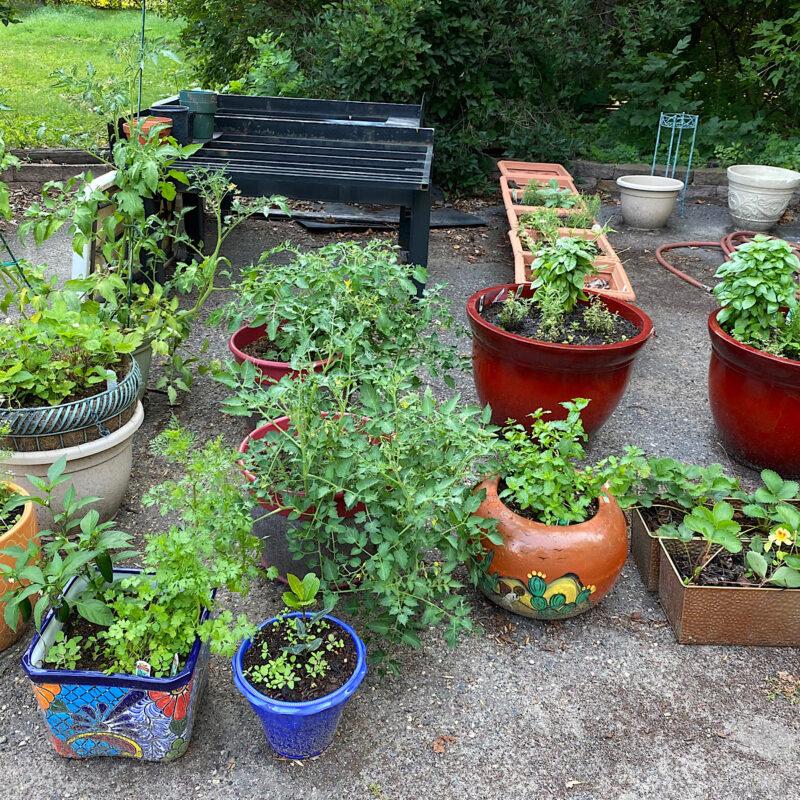
I grow most of my vegetables in the ground at HeathGlen Organic Farm in Minnesota, but I’ve spent years testing container setups to help gardeners with limited space. Growing vegetables in pots works when you get six things right: pot size, drainage, soil, watering, fertilizing, and plant selection. This guide covers each one. Quick Summary: …

Read More about Growing Vegetables in Containers: 6 Keys to Success

Pollination Guide: Which Fruits and Vegetables Need Bees?

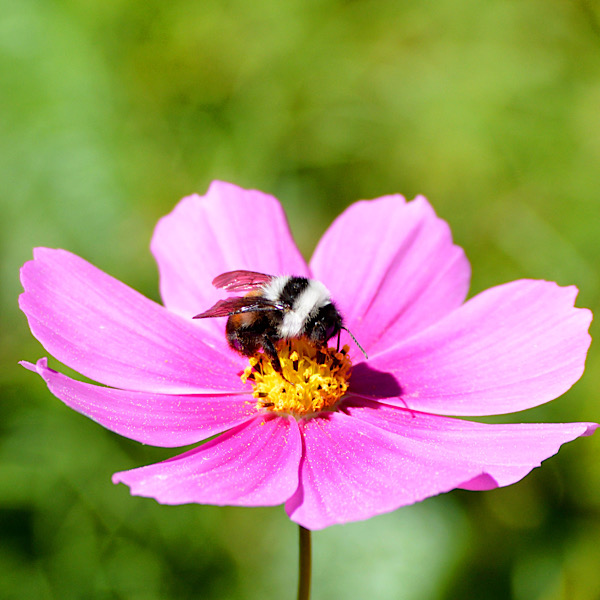
Blueberries are the main crop I grow to sell at the Minnesota farmers markets. I planted 600 blueberry plants in 1998 and made sure they had every advantage. Fortunately we are located in a rural area surrounded by wetlands and woodland, so we have always had the advantage of a strong pollination source in bees. …

Read More about Pollination Guide: Which Fruits and Vegetables Need Bees?

Growing Blueberries in Pots: Container Guide for Decks and Balconies

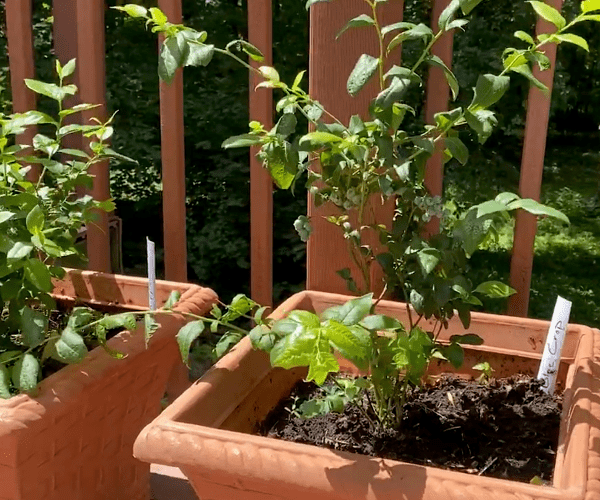
I grow 600 blueberry plants in the field at HeathGlen Organic Farm for selling at the farmers’ market, but I also keep several varieties in pots on my deck. Growing blueberries in containers has real advantages: you can move them to protect from storms, keep them away from deer and rabbits, and bring them inside …

Read More about Growing Blueberries in Pots: Container Guide for Decks and Balconies

Growing Tomatoes in Hanging Baskets: Best Varieties and Tips

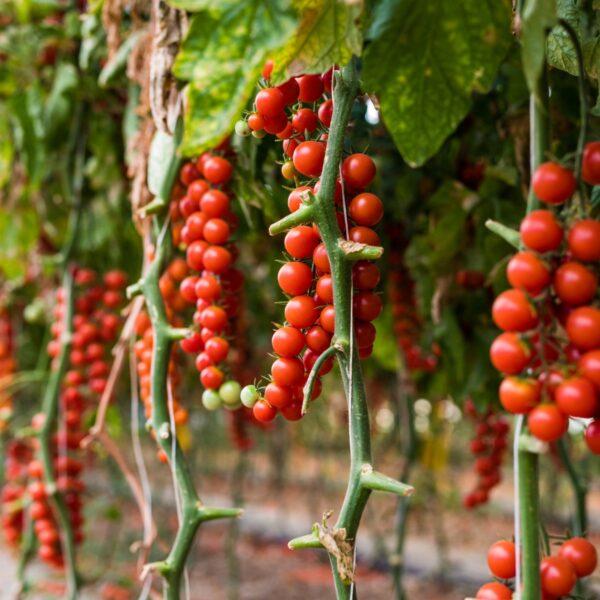
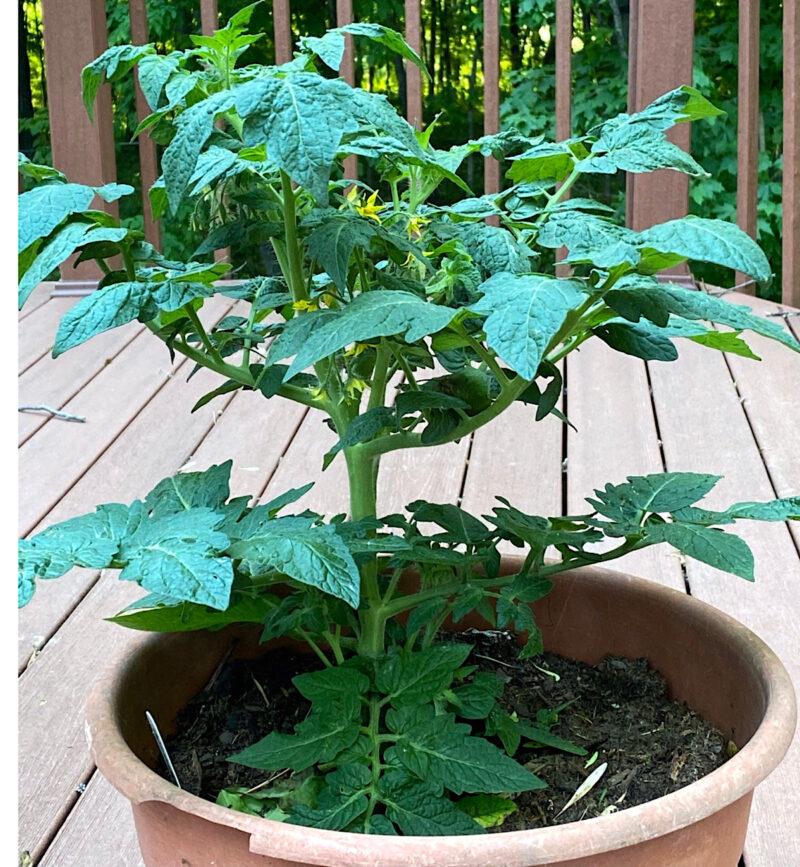
Hanging baskets are one of the best ways to grow tomatoes if you’re short on space. No floor space needed, good air circulation, fewer pest and disease problems, and ripe tomatoes right at eye level. I recommend this approach for balcony gardeners and anyone who wants to add tomatoes without dedicating land for garden beds. …

Read More about Growing Tomatoes in Hanging Baskets: Best Varieties and Tips

How to Grow Tomatoes in Grow Bags: Sizes, Setup, and Tips

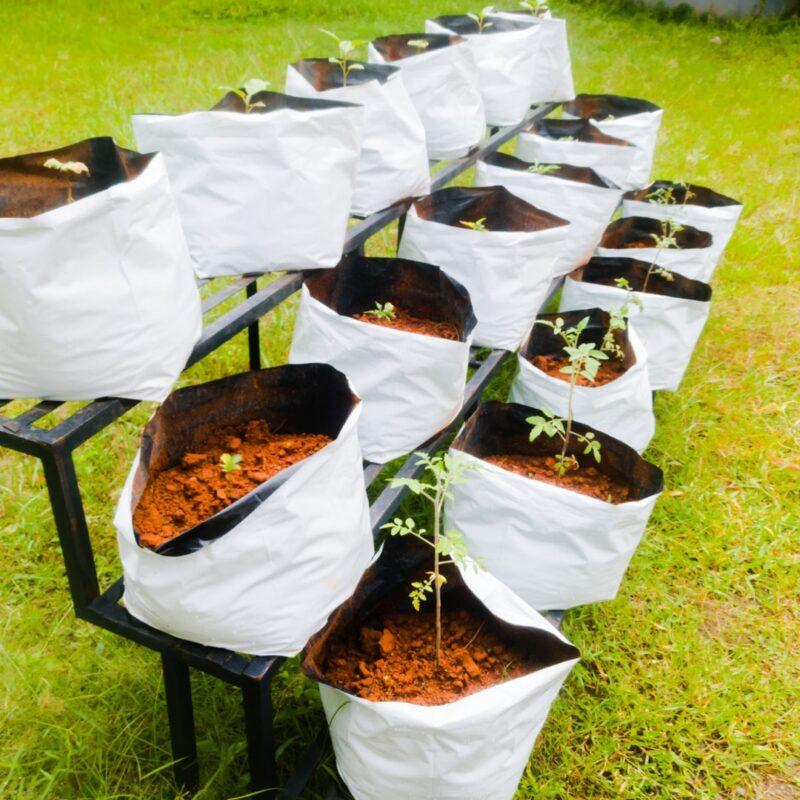
Grow bags are one of the best container options for tomatoes, and I use them at HeathGlen Organic Farm for testing different varieties. The fabric is porous, which means excellent drainage and air pruning for healthier roots. They’re cheaper than large pots, fold flat for storage, and work well on decks and balconies. This guide …

Read More about How to Grow Tomatoes in Grow Bags: Sizes, Setup, and Tips

Indoor Vertical Gardening: A Beginner’s Guide to Growing Food at Home

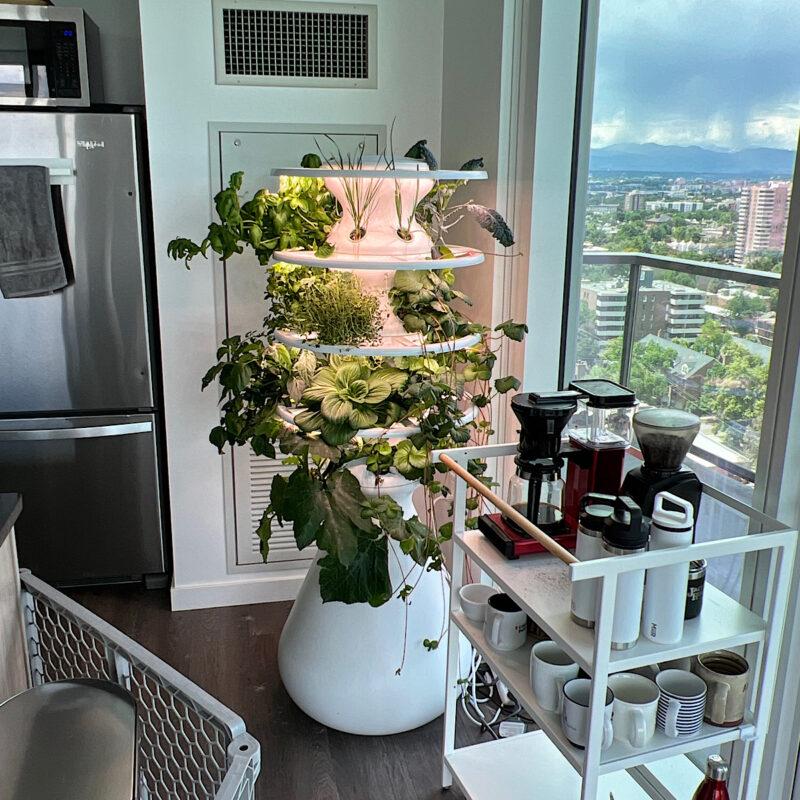
We’re all well aware of the benefits of growing your own food: it’s tasty, it’s cheap and it’s fun. But what if you don’t have a big garden to grow your vegetables, fruits or herbs in? Although I am able to grow my own produce on our 23-acre farm, my son is an apartment dweller …

Read More about Indoor Vertical Gardening: A Beginner’s Guide to Growing Food at Home

Vertical Gardening: How to Grow Food in Small Spaces

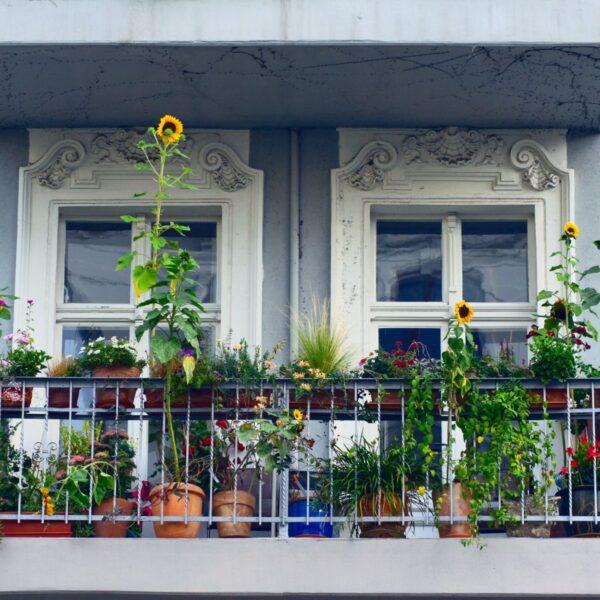
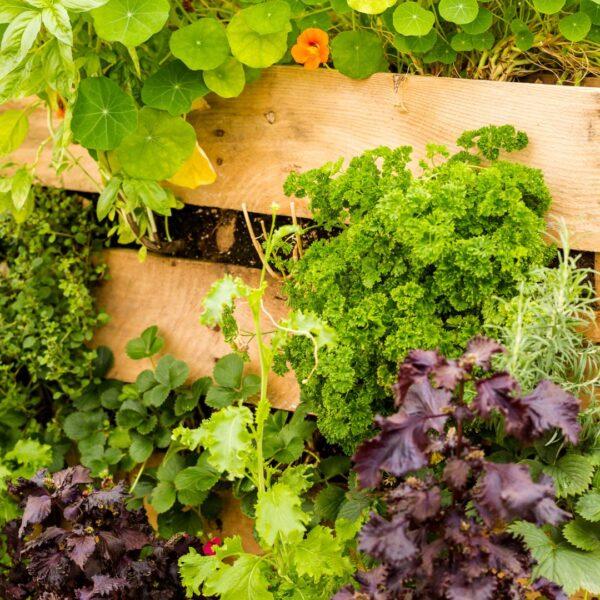
You don’t need land to grow food. A balcony, deck, or small patio can produce vegetables, herbs, and even fruit if you grow vertically. I’ve helped customers at the Twin Cities farmers markets set up vertical gardens, and the results are always better than they expect. This guide covers design options from simple hanging baskets …

Read More about Vertical Gardening: How to Grow Food in Small Spaces

How to Grow a Salsa Garden and Make Salsa Roja

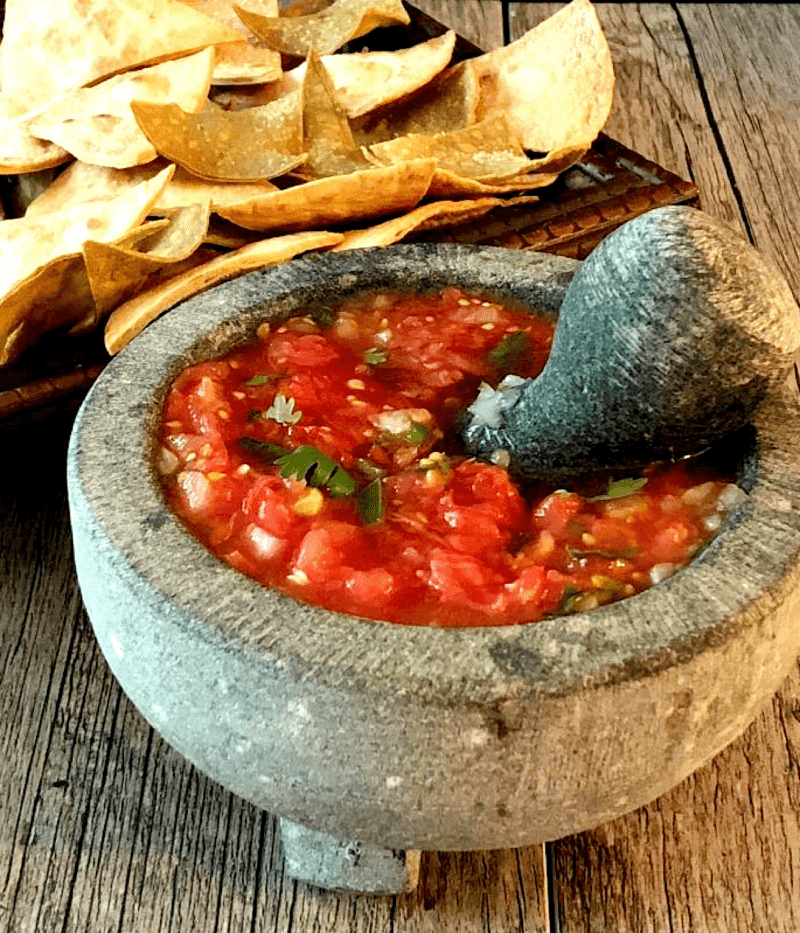
A salsa garden is one of the simplest and most satisfying container projects you can grow. Two pots, a few plants, and by late summer you’re making salsa from ingredients you grew yourself. I’ve been growing the individual ingredients at HeathGlen Organic Farm for over 20 years: heirloom tomatoes, jalapeños, cilantro, onions, and garlic. This …

Read More about How to Grow a Salsa Garden and Make Salsa Roja

How to Attract Butterflies: Best Flowers and Herbs for Your Garden

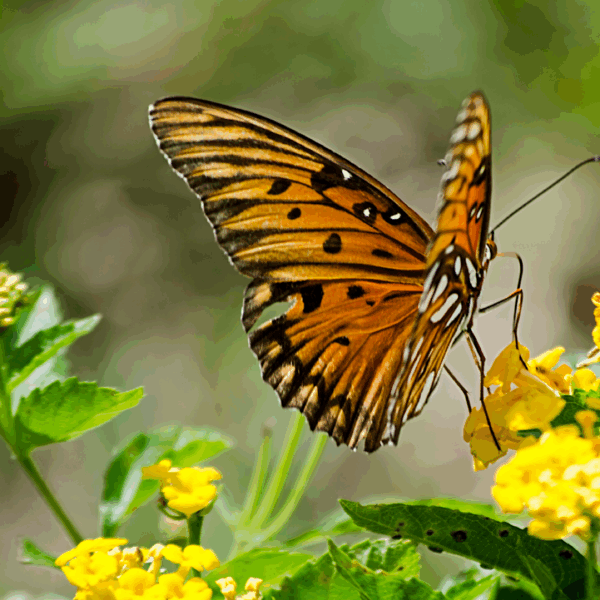
Butterflies are more than beautiful. They’re also important pollinators and a food source for birds. Unfortunately, many species are in decline. The good news: you can help them while enjoying their presence in your garden or even on a balcony. Certain flowers and herbs attract both adult butterflies (for nectar) and provide food for caterpillars. …

Read More about How to Attract Butterflies: Best Flowers and Herbs for Your Garden

Culinary Herb Combinations for Growing in Pots

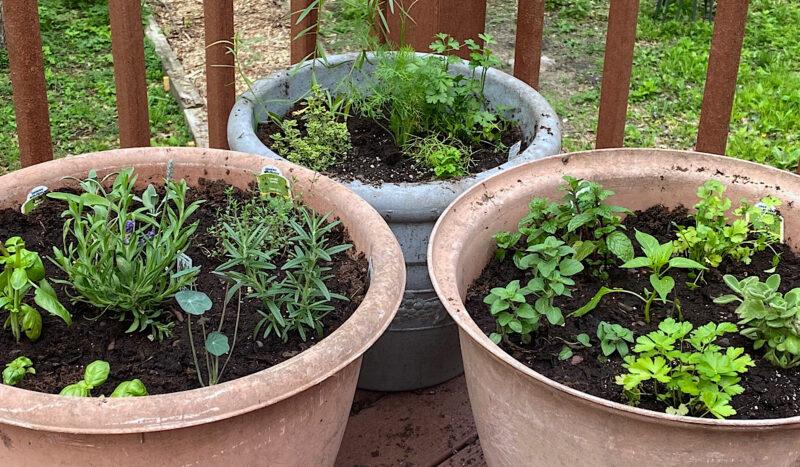
There are so many different uses for herbs, ranging from cooking, to healing, to making craft cocktails. This article offers ideas for how to successfully combine herbs in containers around themes. The garden design themes are focused on six different culinary uses: Mediterranean cooking, Mexican cooking, cooking with seafood, herbal cocktails, herbal teas, and fresh …

Read More about Culinary Herb Combinations for Growing in Pots

Growing Herbs in Containers: Combinations by Cuisine, Climate, and Use

Culinary-themed herb gardens are one of the easiest ways to grow your own food, even if all you have is a balcony small deck. The key to success is grouping herbs that share the same growing conditions: sun-loving Mediterranean herbs together, shade-tolerant herbs together, moisture-lovers together. This guide organizes herbs by culinary theme (Mediterranean, Mexican, …

Read More about Growing Herbs in Containers: Combinations by Cuisine, Climate, and Use