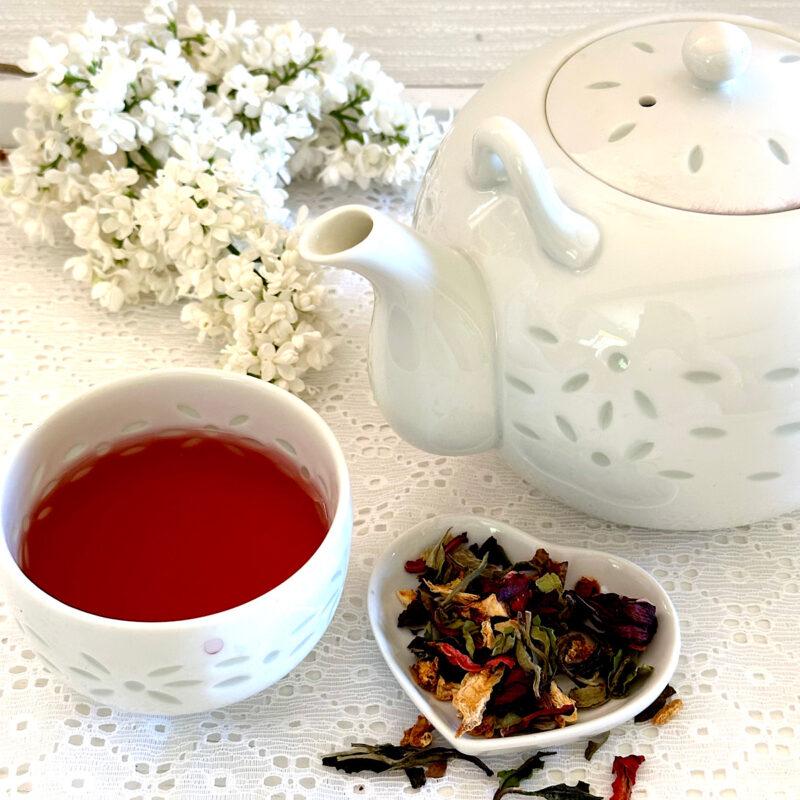
Quick Summary: Dandelion root, milk thistle, burdock root, and turmeric have the most evidence for supporting liver function. Your liver detoxifies your body constantly without help, but certain herbs may support this natural process. Be wary of dramatic “detox” claims — gentle, consistent support is what actually helps.
Jump to: What “Detox” Actually Means | How the Liver Works | Best Herbs for Liver Support | Supporting Herbs | Who Should Be Cautious | Building a Liver-Supportive Practice | What Won’t Help | The Personal Note | FAQ

“Detox” has become one of the most abused words in wellness marketing. Juice cleanses, foot pads, expensive supplements…there is a whole industry built on the idea that your body is full of toxins that need dramatic intervention to remove.
More truthfully however, your liver detoxifies your body every minute of every day. It’s remarkably good at its job. You don’t need to “cleanse” it with a three-day fast or an expensive program.
What you can do is support your liver’s natural function with gentle herbs that have centuries of traditional use and, in some cases, genuine research behind them.
I approach this category carefully. The liver is a vital organ, and liver disease is serious. Tea can support healthy liver function; it cannot treat liver disease. If you have a liver condition, like hepatitis, fatty liver, cirrhosis, or compromised liver function from other health issues, please work with your doctor. Some herbs that support healthy livers can be problematic for damaged ones.
With those caveats in place, let me share what I have researched about the herbs that genuinely support this remarkable organ.
What “Detox” Actually Means
Your body has a sophisticated detoxification system. Understanding it helps separate fact from marketing fiction.
The liver’s job:
Your liver processes everything absorbed from your digestive tract before it enters general circulation. It does the following:
- Converts toxins into water-soluble compounds that can be excreted
- Metabolizes medications and alcohol
- Processes hormones and cholesterol
- Produces bile for fat digestion
- Stores vitamins and minerals
- Regulates blood sugar
This happens continuously, and automatically, without any special intervention.
Phase I and Phase II detoxification:
Liver detoxification happens in two phases:
Phase I: Enzymes (cytochrome P450 family) break down toxins into intermediate compounds. These intermediates are often more reactive than the original toxins.
Phase II: Other enzymes attach molecules (glutathione, sulfur, amino acids) to these intermediates, making them water-soluble so kidneys can excrete them.
Both phases need to work in balance. Supporting one without the other can actually cause problems.
What herbs can do:
Certain herbs appear to support these natural processes by providing antioxidants that protect liver cells, supplying compounds that support enzyme function, or stimulating bile flow to help clear processed waste.
What herbs cannot do:
They cannot “cleanse” a healthy liver (it doesn’t need cleansing), cure liver disease, or undo serious damage from alcohol or hepatitis.
How the Liver Works
A brief overview helps you understand why certain herbs help:
- Blood filtration: The liver filters about 1.5 liters of blood per minute. Everything from your gut passes through it first.
- Bile production: The liver makes bile, stored in the gallbladder, which helps digest fats and carries waste products out through the digestive tract.
- Storage: Your liver stores vitamins A, D, E, K, and B12, plus iron and copper.
- Synthesis: It makes proteins essential for blood clotting and other functions.
- Regulation: It helps regulate blood sugar, cholesterol, and hormone levels.
When the liver is healthy, it handles these jobs effortlessly. When it’s stressed, by alcohol, medications, viral infections, fatty deposits, or systemic inflammation, then function can decline.
Herbs for liver support generally work by:
- Protecting liver cells from damage (antioxidant, anti-inflammatory)
- Supporting bile production and flow (choleretic, cholagogue)
- Providing compounds the liver uses in detoxification pathways
Best Herbs for Liver Support
Milk Thistle (Silybum marianum)
Milk thistle is the most researched liver herb, primarily due to its active compound silymarin. It’s been used for over 2,000 years for liver and gallbladder issues.
What the research shows: Silymarin has demonstrated hepatoprotective (liver-protecting) effects in numerous studies. It appears to stabilize liver cell membranes, act as an antioxidant, promote liver cell regeneration, and reduce inflammation. Clinical trials show benefits for various liver conditions including fatty liver and hepatitis.
How it works: Silymarin protects liver cells from toxin damage, increases glutathione (a key antioxidant the liver needs for Phase II detoxification), and supports protein synthesis in liver cells.
How to use: Milk thistle seeds can be ground and steeped as tea, though silymarin is not highly water-soluble. Milk thistle tea provides gentler support than concentrated extracts. Steep 1-2 teaspoons crushed seeds for 15-20 minutes.
Flavor profile: Mild, slightly bitter, earthy. Better in blends than alone.
Caution: Generally very safe. May interact with medications metabolized by the liver (which is many). Consult your doctor if you take prescription medications.
Dandelion Root (Taraxacum officinale)
The humble dandelion is a powerful liver ally. The root specifically supports liver and gallbladder function, while the leaves are more diuretic.
What the research shows: Animal studies show dandelion root protects against liver damage from toxins and supports bile flow. Human studies are limited but traditional use is extensive across cultures.
How it works: Dandelion root stimulates bile production and flow, helping the liver clear processed waste. It’s rich in antioxidants and appears to have anti-inflammatory effects on liver tissue.
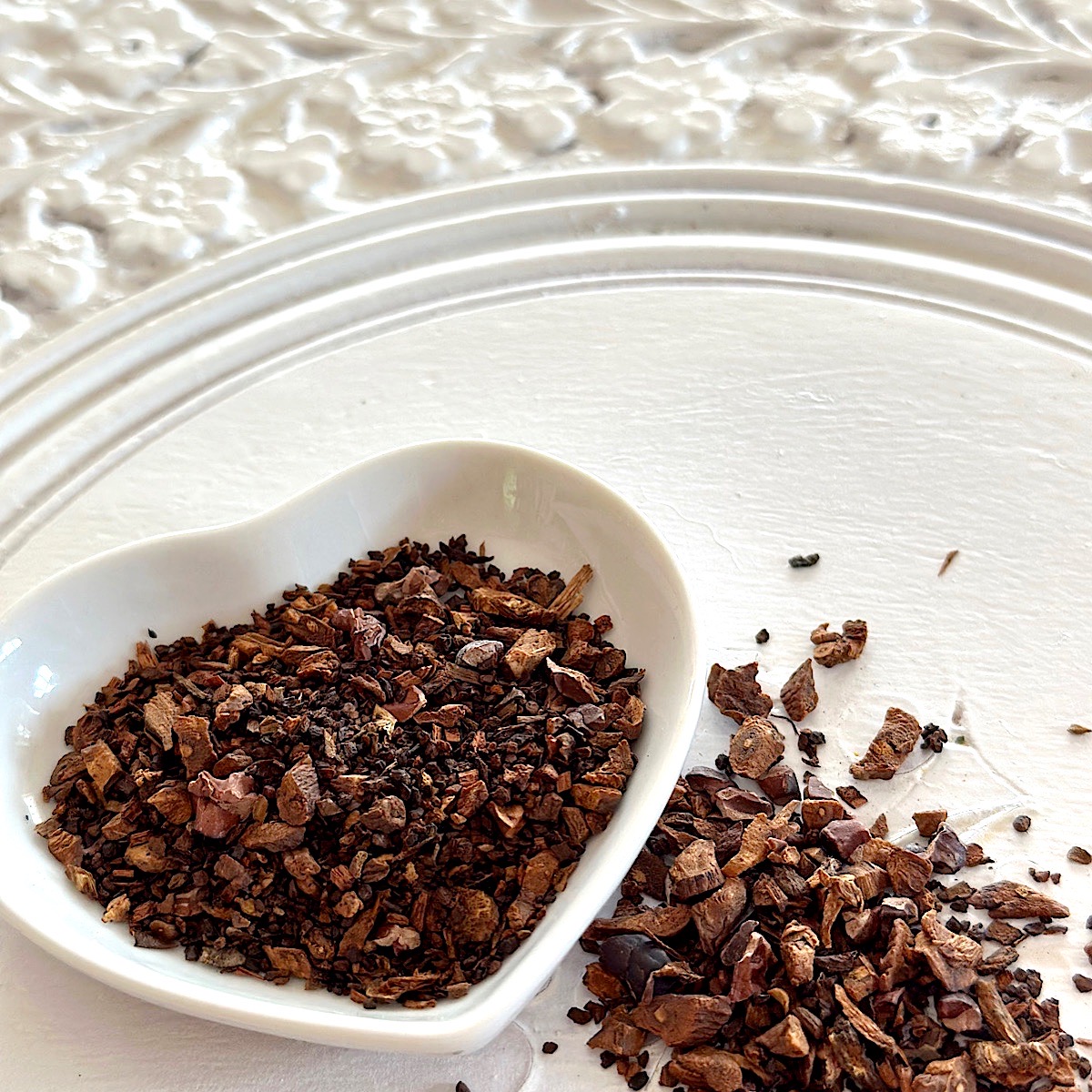
How to use: Roasted dandelion root makes a pleasant, coffee-like tea. Steep 1-2 teaspoons in hot water for 10-15 minutes. Can be drunk daily. I make a blend of dandelion root with roasted chicory root, cacao nibs, honeybush, and cloves. We call it Moka Java and it is usually what I suggest for people that want something tasting more like coffee.
Flavor profile: Roasted root tastes earthy, slightly bitter, reminiscent of coffee. Raw root is more bitter.
Caution: Avoid if you have gallstones or bile duct obstruction (it stimulates bile flow). May interact with diuretics and lithium.
Burdock Root (Arctium lappa)
Burdock is a traditional “blood cleanser” used in many cultures for skin conditions and general detoxification. The connection between liver health and skin is well-established in traditional medicine.
What the research shows: Studies demonstrate antioxidant, anti-inflammatory, and hepatoprotective effects. Burdock appears to help protect liver cells from damage and support healthy liver enzyme levels.
How it works: Rich in antioxidants including quercetin and luteolin. Contains inulin, a prebiotic fiber that supports gut health (gut and liver health are connected). Traditionally used as an alterative, an herb that gradually restores proper function.
How to use: Steep 1-2 teaspoons dried burdock root for 10-15 minutes. Often combined with dandelion root.
Flavor profile: Mildly sweet, earthy, slightly mucilaginous.
Caution: Generally safe. Avoid if allergic to plants in the Asteraceae family (ragweed, daisies, chrysanthemums).
Turmeric (Curcuma longa)
Turmeric’s active compound curcumin is powerfully anti-inflammatory and has demonstrated liver-protective effects.
What the research shows: Studies show curcumin protects against liver damage from toxins, reduces liver inflammation, and may help with fatty liver disease. It supports both Phase I and Phase II detoxification enzymes.
How it works: Potent antioxidant and anti-inflammatory. Increases bile production. Supports glutathione levels.
How to use: Golden milk (turmeric with milk and black pepper) is the most effective delivery because curcumin needs fat and piperine (from black pepper) for absorption. As tea alone, add black pepper and a bit of coconut oil. I also add some ginger root to help with flavor.
Flavor profile: Earthy, slightly bitter, warm.
Caution: High doses may interact with blood thinners. Avoid therapeutic doses if you have gallstones (stimulates bile flow). May interact with medications metabolized by the liver.
For anti-inflammatory support, see my post on teas for joint pain.
Supporting Herbs Worth Knowing
Schisandra (Schisandra chinensis)
An adaptogen with specific affinity for the liver. Traditional Chinese medicine uses it for liver health, and research shows it may protect liver cells and support detoxification enzymes.
Flavor profile: This is called “five-flavor berry” because it is sweet, sour, salty, bitter, and pungent all at once. Unusual but interesting.
Artichoke Leaf (Cynara scolymus)
Stimulates bile production and flow. Research supports its use for digestive complaints and liver support.
Flavor profile: Bitter, vegetal. Better in blends or as extract.
Nettle (Urtica dioica)
Gently supportive of overall detoxification. Rich in minerals. Traditional use as a spring tonic for “cleaning the blood.”
Flavor profile: Green, slightly grassy, pleasant.
Chicory Root (Cichorium intybus)
Supports bile flow and liver function. Also a prebiotic that supports gut health.
Flavor profile: Roasted chicory is coffee-like, slightly bitter.
Peppermint (Mentha piperita)
Supports bile flow and digestion. A pleasant addition to liver-support blends that improves flavor.
Flavor profile: Cool, refreshing, familiar.
Who Should Be Cautious
Liver support herbs are generally safe for healthy people, but certain situations require care:
If you have existing liver disease:
- Some herbs that help healthy livers can stress damaged ones
- Consult your hepatologist or gastroenterologist before using
- Start with very small amounts if approved
If you have gallstones or bile duct obstruction:
- Herbs that stimulate bile flow (dandelion, turmeric, artichoke) can cause problems
- May trigger gallbladder attack or worsen obstruction
- Avoid or use only under medical supervision
If you take medications:
- The liver metabolizes most medications
- Herbs that affect liver enzymes can change how medications work
- This includes milk thistle, turmeric, and others
- Always inform your doctor about herbal use
If you’re pregnant or breastfeeding:
- Many liver herbs lack safety data for pregnancy
- Consult your midwife or OB before using
If you have hormone-sensitive conditions:
- Some liver herbs may affect hormone metabolism
- Discuss with your healthcare provider
Building a Liver-Supportive Practice
Gentle and consistent beats dramatic and occasional.
Skip the aggressive “cleanses.” Your liver doesn’t need a dramatic reset. It needs consistent, gentle support.
Daily habits that support liver health:
- Drink adequate water. Your liver needs hydration to function optimally and your kidneys need it to excrete what the liver processes.
- Reduce alcohol. The single most impactful thing you can do for liver health. Even moderate alcohol stresses the liver.
- Eat bitter foods. Bitter greens, dandelion greens, arugula, endive — bitters stimulate digestive secretions including bile.
- Limit processed foods. Reduces the toxin load your liver must handle.
- Maintain healthy weight. Fatty liver disease is increasingly common and reversible with lifestyle changes.
A reasonable tea practice:
One to two cups of liver-supportive tea daily is plenty. You might:
- Drink dandelion root tea in the morning (coffee-like, grounding)
- Have a liver-support blend after meals
- Take breaks — you don’t need to drink liver tea every day forever
Seasonal support:
Traditional herbalism often emphasizes spring as a time for liver support — after winter’s heavier foods, a gentle cleanse as greens emerge. A few weeks of daily liver tea in spring makes sense historically and practically.
Creating Your Own Liver-Support Blends
Daily Liver Support
- 2 parts roasted dandelion root
- 1 part burdock root
- 1 part chicory root
- 1 part peppermint
Coffee-like, grounding, pleasant daily drink.
Gentle Detox Blend
- 2 parts nettle
- 1 part dandelion root
- 1 part burdock root
- 1 part lemon peel
Lighter, greener, good for spring.
Liver-Protective Blend
- 2 parts milk thistle seed (crushed)
- 1 part schisandra berries
- 1 part turmeric
- 1 part ginger
- Pinch black pepper
More medicinal, for when you want stronger support. Steep 15-20 minutes.
After-Indulgence Tea
- 2 parts peppermint
- 1 part dandelion root
- 1 part chamomile
- 1 part ginger
For the morning after a heavy meal or a few too many drinks. Soothing and supportive.
For digestive support that complements liver health, see my post on teas for digestive health.
What Won’t Help
Dramatic “detox” programs: Multi-day fasts, juice cleanses, expensive supplement protocols — these are unnecessary for healthy people and potentially harmful. Your liver works continuously; it doesn’t need periodic “resets.”
Detox teas with laxatives: Many commercial “detox” teas contain senna or cascara. These cause diarrhea, not detoxification. The weight you lose is water. The “cleansing” feeling is your bowels being irritated. Avoid these.
Activated charcoal: Sometimes added to “detox” products. Charcoal binds to things indiscriminately, including medications and nutrients. It doesn’t “absorb toxins” from your liver.
Expecting tea to undo serious damage: If you drink heavily, take medications that stress the liver, or have liver disease, tea is not treatment. Get medical care.
Overdoing it: More is not better. High doses of liver herbs can actually stress the liver. Gentle, moderate, consistent.
A Note on Scarring and Compromised Livers
I want to address something important. Some people reading this may have liver issues beyond typical wellness concerns; perhaps from hepatitis, medications, autoimmune conditions, or congenital heart conditions that affect liver function.
My daughter was born with a serious heart condition and had a Fontan procedure when she was 5 years old (she is now in her 30s). That type of procedure changes blood flow in ways that can produce scarring of the liver over time. Liver monitoring has become part of her ongoing care.
In these situations, the advice shifts:
Work with your medical team. They understand your specific situation. Ask them specifically about any herbs before using them.
Gentler may be better. Herbs that stimulate the liver (choleretics like dandelion) may not be appropriate. Protective herbs (like milk thistle) may be more suitable, but this needs individualized guidance.
Focus on what you can control. Hydration, anti-inflammatory diet, stress management, and adequate sleep can support liver health without the uncertainty of herbs.
Tea can still be part of your life. Even if specific liver herbs aren’t appropriate, calming teas, digestive support, and simple hydration all help overall health.
If you’re in a situation like this, I’d encourage a conversation with your hepatologist or cardiologist about what gentle herbal support, if any, might be appropriate for your specific circumstances.
FAQ
I’d reframe the question. Your liver detoxifies continuously without special help. The best teas for supporting this natural process are dandelion root, milk thistle, and burdock root. Use them gently and consistently rather than in dramatic “cleanses.”
One to two cups daily during periods when you want extra support. You don’t need to drink liver tea year-round. Many people use it seasonally (spring) or during times of dietary indulgence.
Some research suggests milk thistle and turmeric may help with non-alcoholic fatty liver disease. However, the primary treatment is lifestyle change, like weight loss, reduced sugar and alcohol, exercise. Tea may support but doesn’t replace these changes.
Most people tolerate dandelion well. Avoid if you have gallstones, bile duct obstruction, or allergy to Asteraceae plants. Use caution if you take diuretics or lithium.
This depends on the medication. Liver herbs can affect how the liver metabolizes drugs. Always tell your doctor about herbal use, especially if you take medications with narrow therapeutic windows.
Somewhat. Herbs like dandelion, milk thistle, and peppermint support liver recovery and ease digestive upset. But the best hangover prevention is drinking less alcohol. Tea won’t magically undo alcohol’s effects.
“Cleansing” implies removing built-up toxins, which is mostly marketing. “Support” means providing compounds that help the liver do its normal job efficiently. The liver doesn’t accumulate toxins that need periodic clearing — it processes them continuously.
Signs of liver stress include fatigue, digestive issues, skin problems, and difficulty metabolizing alcohol or medications. However, these symptoms have many causes. If you’re concerned about liver function, get blood work (liver enzymes) rather than guessing.
My Perspective
I include liver support as a wellness category because people ask for it, and because gentle liver herbs are genuinely useful. After holiday eating, during spring, or simply as part of a healthy routine, a cup of dandelion root tea makes sense.
What I won’t do is promise dramatic detoxification or suggest that your body is full of toxins requiring expensive intervention. Your liver is remarkably capable. It evolved to handle far worse than modern life throws at it.
Where I get cautious is with people who have actual liver issues. The herbs that support healthy livers may not be appropriate for compromised ones. If you have a liver condition, please work with your medical team rather than self-treating with herbs.
For most people, though, a simple cup of roasted dandelion root tea in the morning is a pleasant, grounding way to support an organ that works hard on your behalf.
References and Further Reading
- Milk thistle and liver protection: Abenavoli L, et al. “Milk thistle in liver diseases: past, present, future.” Phytotherapy Research, 2010.
- Dandelion and liver function: Pfingstgraf IO, et al. “Protective effects of Taraxacum officinale L. (dandelion) root extract in experimental liver injury.” Antioxidants, 2021.
- Curcumin and liver health: Farzaei MH, et al. “Curcumin in liver diseases: A systematic review of the cellular mechanisms of oxidative stress and clinical perspective.” Nutrients, 2018.
- Schisandra and hepatoprotection: Panossian A, Wikman G. “Pharmacology of Schisandra chinensis: An overview of Russian research and uses in medicine.” Journal of Ethnopharmacology, 2008.
If you want to explore the world of teas and tisanes, check out this Complete Guide to Teas. It includes information on how to grow a tea garden, types of tea, brewing times and temp., recipes for blends, caffeine amounts, and much more.