Skip to Content

Tea for Liver Support: Gentle Herbs That Help Your Body’s Detox System

Quick Summary: Dandelion root, milk thistle, burdock root, and turmeric have the most evidence for supporting liver function. Your liver detoxifies your body constantly without help, but certain herbs may support this natural process. Be wary of dramatic “detox” claims — gentle, consistent support is what actually helps. Jump to: What “Detox” Actually Means | …

Read More about Tea for Liver Support: Gentle Herbs That Help Your Body’s Detox System

Teas and Tisanes for Autoimmune Support: Gentle Herbs for Fatigue, Flares, and Immune Balance

Quick Summary: For those managing autoimmune conditions, chronic fatigue syndrome, long COVID, or fibromyalgia, typical “immune boosting” advice can backfire. The goal isn’t to stimulate your immune system, rather it’s to modulate it, manage inflammation, conserve energy, and navigate flares with gentle support. Reishi, turmeric, green tea, and adaptogens offer help without overstimulating an already …

Read More about Teas and Tisanes for Autoimmune Support: Gentle Herbs for Fatigue, Flares, and Immune Balance

Herbal Tea for Women’s Hormonal Health: What Works for PMS, Perimenopause, and Menopause

Quick Summary: Red clover, black cohosh, vitex (chasteberry), and red raspberry leaf have the most traditional use and research support for hormonal symptoms. They work through different mechanisms and address different life stages. These herbs can help manage symptoms, but hormonal health is complex and tea alone won’t solve significant issues. Jump to: Understanding Hormonal …

Read More about Herbal Tea for Women’s Hormonal Health: What Works for PMS, Perimenopause, and Menopause

Herbal Teas for Joint Pain: Which Herbs Actually Help and How to Use Them

Quick Summary: Turmeric, ginger, willow bark, and nettle have the strongest evidence for joint pain relief. They work through different mechanisms, primarily reducing inflammation and blocking pain signals. Tea alone won’t cure arthritis, but daily use can be a meaningful part of managing stiffness and discomfort. Jump to: How Joint Pain Tea Works | Best …

Read More about Herbal Teas for Joint Pain: Which Herbs Actually Help and How to Use Them

Tea for Skin Health: What Drinking Tea Can (and Can’t) Do for Your Complexion

Quick Summary: Green tea, rooibos, and hibiscus have the most evidence for supporting skin health through antioxidants and anti-inflammatory compounds. Drinking tea can help protect skin from oxidative damage and support overall skin function, but it won’t replace topical skincare or dramatically reverse aging. Hydration and antioxidants are the real benefits here. Jump to: How …

Read More about Tea for Skin Health: What Drinking Tea Can (and Can’t) Do for Your Complexion

Teas for Metabolism: What the Research Actually Shows

Quick Summary: Green tea and oolong tea have the most research support for modest metabolic effects, primarily through caffeine and catechins like EGCG. The effects are real but small. Tea can support weight management efforts but won’t cause significant weight loss on its own. Realistic expectations matter here. Jump to: Realistic Expectations | How Metabolism …

Read More about Teas for Metabolism: What the Research Actually Shows

Tea for Energy: An Alternative to Coffee

Quick Summary: Black tea, green tea, yerba mate, and matcha provide sustained energy through a combination of caffeine and other compounds like L-theanine that smooth out the energy lift. For caffeine-free options, ginger, peppermint, and adaptogenic herbs like ashwagandha offer gentler support. Tea gives you energy differently than coffee, with less of a spike and …

Read More about Tea for Energy: An Alternative to Coffee

Teas for Digestive Health: What Actually Works for Bloating, Indigestion, and Gut Issues

Quick Summary: Ginger, peppermint, fennel, and chamomile have the strongest evidence for digestive relief. They work through different mechanisms. Some relax intestinal muscles, while others stimulate digestive enzymes or reduce inflammation. For chronic conditions like IBS or SIBO, certain teas can help manage symptoms, but they work best as part of a broader approach. Jump …

Read More about Teas for Digestive Health: What Actually Works for Bloating, Indigestion, and Gut Issues

Teas and Tisanes for Anxiety: Which Herbs Actually Help and How to Use Them

Quick Summary: Chamomile, passionflower, lemon balm, and lavender have the strongest evidence for easing anxiety. They work through different mechanisms, from binding to GABA receptors to lowering cortisol, and most are gentle enough for daily use. The ritual of making tea matters almost as much as the herbs themselves however. Jump to: Herbs with Evidence …

Read More about Teas and Tisanes for Anxiety: Which Herbs Actually Help and How to Use Them

What Is Rooibos Tea? A Complete Guide to Red Bush Tea

Quick Summary: Rooibos (pronounced ROY-boss) is a naturally caffeine-free herbal tea from South Africa with a sweet, earthy flavor and no bitterness. It’s not technically a tea at all but rather a tisane made from the leaves of a shrub in the legume family. Rich in antioxidants and gentle on the stomach, rooibos has become …

Read More about What Is Rooibos Tea? A Complete Guide to Red Bush Tea

Tea for Sleep: Which Herbal Teas Actually Work and How to Use Them

Quick Summary: Certain herbal teas (tisanes) have genuine calming effects that can help you wind down before bed. Here’s what the research shows and how to build a tea routine that actually improves your sleep. Jump to: Evidence-Based Sleep Teas | What to Avoid | Sleep Routine | How to Use Effectively | DIY Blends …

Read More about Tea for Sleep: Which Herbal Teas Actually Work and How to Use Them

Microplastics in Tea Bags: What the Research Shows and Why Loose Leaf Is Safer

Quick Summary: Recent studies show that plastic and nylon tea bags can release billions of microplastic particles into a single cup of tea. Even some paper tea bags contain plastic sealants. Loose leaf tea brewed in a glass, ceramic, or stainless steel infuser avoids this problem entirely. Here’s what the research says and how to …

Read More about Microplastics in Tea Bags: What the Research Shows and Why Loose Leaf Is Safer

What Is Pu-erh Tea and Why Is It Aged?

Quick Summary: Pu-erh is a fermented tea from Yunnan, China, that improves with age like wine. Unlike other teas that are best fresh, pu-erh undergoes microbial fermentation that develops complex, earthy flavors over time. It comes in two types: sheng (raw) ages naturally over decades, while shou (ripe) is accelerated to mimic aged tea. Properly …

Read More about What Is Pu-erh Tea and Why Is It Aged?

The Complete Guide to Tea: Types, Brewing, Blending, and Growing

Quick Summary: Everything you need to know about tea, from true teas (black, green, oolong, white) to herbal tisanes, and from basic brewing to creating your own blends. Covers tea types and their differences, how caffeine varies, loose leaf vs tea bags, brewing methods for different styles, and how to blend your own wellness teas. …

Read More about The Complete Guide to Tea: Types, Brewing, Blending, and Growing

How to Make Turmeric Tea Taste Better: 13 Blend Recipes

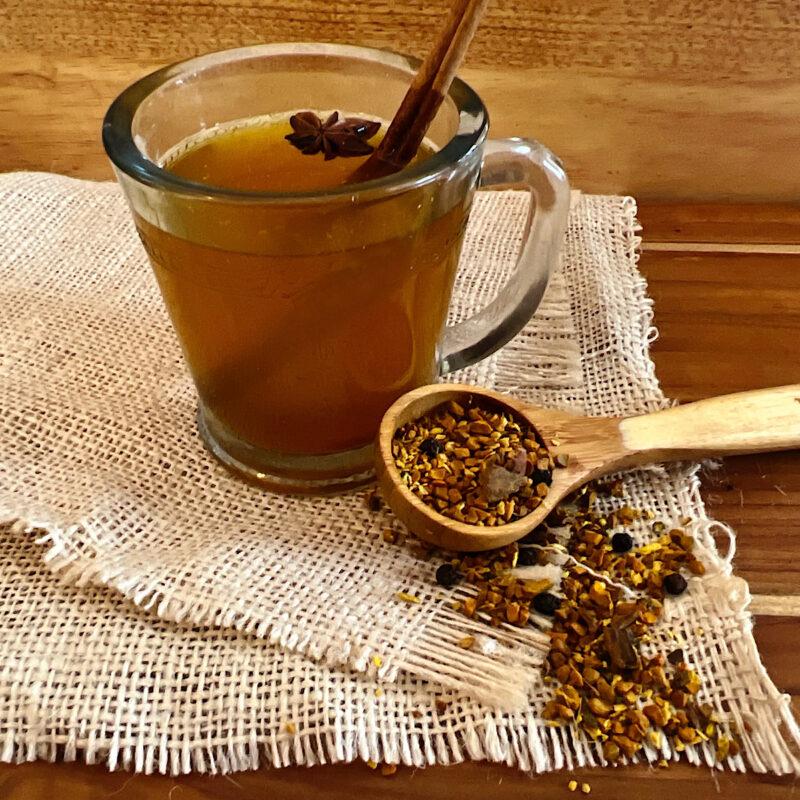
Quick Summary: Turmeric tea tastes best when blended with complementary ingredients like ginger, cinnamon, citrus, or black pepper. These 13 blend recipes range from simple steeping blends to simmered golden milk lattes. Black pepper and fats like milk help your body absorb curcumin more effectively. Recipe for Spicy Turmeric Tea: Prep: 5 min. | Cook: …

Read More about How to Make Turmeric Tea Taste Better: 13 Blend Recipes