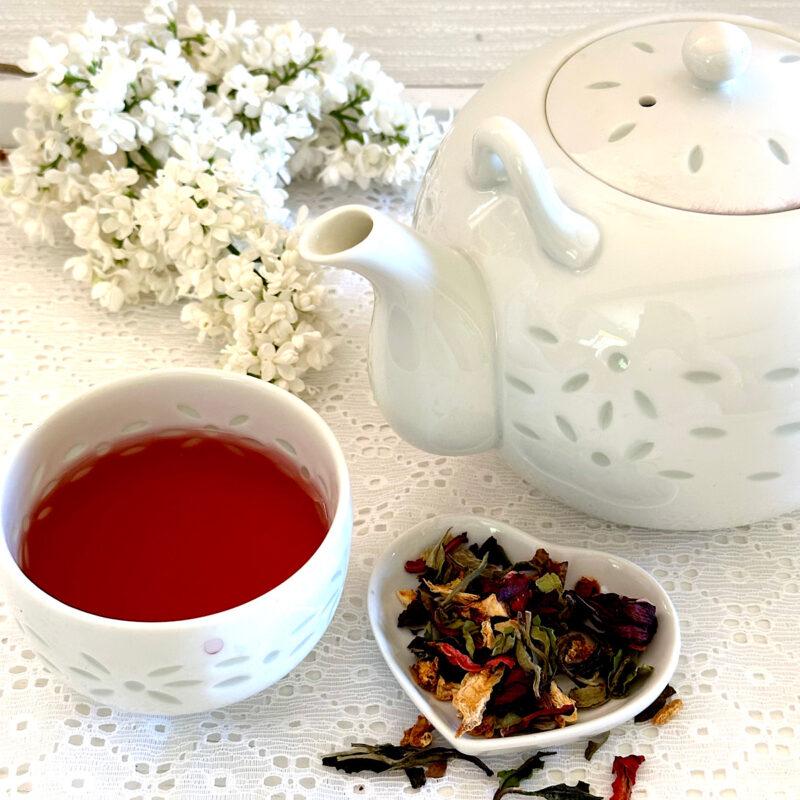
Quick Summary: Chamomile, passionflower, lemon balm, and lavender have the strongest evidence for easing anxiety. They work through different mechanisms, from binding to GABA receptors to lowering cortisol, and most are gentle enough for daily use. The ritual of making tea matters almost as much as the herbs themselves however.
Jump to: Herbs with Evidence for Anxiety | How Herbs Work | Growing Your Own | Herbs to Avoid| Building a Calming Ritual | Blending Your Own | Green Tea | FAQ
I personally don’t suffer from severe anxiety, but I used to have that annoying moderate anxiety and negative self-talk at 3 am. I have all but eliminated it through replacing my evening wine with herbal tea, along with breathing techniques and a little hack called cognitive shuffling.
I can’t say definitely the degree that anti-anxiety herbal tea played a role, but it definitely helped. Your nervous system doesn’t respond to commands, but it does respond to signals, and a warm cup of the right herbal tea at the right time can be one of those signals.
Chamomile is one of those herbs that has some research confirming what traditional herbalists knew. Basically the evidence shows that certain plants contain compounds that influence how our brains process stress.
This guide isn’t about replacing professional treatment for anxiety disorders. It’s about understanding which herbs have real evidence behind them, how to use them effectively, and how to build a tea ritual that becomes one of the aids in your anti-anxiety toolkit.
Herbs with the Best Evidence for Anxiety
Not all “calming” herbs are created equal. The following herbs have solid research supporting their effects on anxiety and stress (resources listed below).
Chamomile (Matricaria chamomilla)
Chamomile is the most studied herb for anxiety, and the research is encouraging. A 2016 clinical trial found that chamomile extract used long term reduced moderate to severe symptoms of generalized anxiety disorder. The key compound is apigenin, a flavonoid that binds to the same brain receptors as anti-anxiety medications, though much more gently.
Chamomile works best with consistent use over time rather than as a one-time rescue remedy. It’s also exceptionally safe, with a long history of use in children and during pregnancy (though always check with your provider).
Flavor profile: Apple-like sweetness with honey notes. One of the most pleasant medicinal herbs to drink.
Passionflower (Passiflora incarnata)
Passionflower increases GABA in the brain, the same neurotransmitter targeted by prescription anti-anxiety medications. Studies show it can improve sleep quality and help manage daily anxiety, particularly the kind that keeps your mind racing.
One study found passionflower comparable to oxazepam (a benzodiazepine) for anxiety, but without the drowsiness and impaired job performance.
Flavor profile: Mildly grassy and slightly bitter. Blends well with sweeter herbs or rooibos tea.
Caution: Not recommended during pregnancy due to potential uterine contractions.
Lemon Balm (Melissa officinalis)
Lemon balm appears to work by boosting GABA and has shown promise for reducing anxiety and improving mood. It’s also been studied for its ability to ease digestive symptoms that often accompany anxiety (that butterfly-in-your-stomach feeling).
Research suggests lemon balm may improve both calmness and alertness, making it useful when you need to stay functional while managing stress.
Flavor profile: Bright, lemony, with subtle mint undertones. Very pleasant alone or blended. This is one of the herbs I recommend to grow if you are starting your own herbal tea garden.
Lavender
Lavender’s calming effects are well-documented, both from drinking the tea and simply inhaling the aroma while it steeps. Studies link lavender to reduced stress hormones and lower anxiety scores.
Some research suggests lavender may have mild estrogenic properties, so those with hormone-sensitive conditions may want to use it sparingly.
Flavor profile: Floral, perfumed, distinctive. Use it sparingly in blends or you will feel like you’re drinking potpourri!
Ashwagandha
Ashwagandha is an adaptogen, meaning it helps your body adapt to stress rather than simply sedating you. Clinical studies show it can reduce cortisol levels and improve how people cope with chronic stress. It’s particularly useful for stress-related exhaustion or burnout.
Flavor profile: Earthy, slightly bitter (the name means “smell of horse” in Sanskrit). It is best blended with other herbs. Many people will add it to turmeric as a variation to blending turmeric teas or golden milk.
Caution: Not recommended during pregnancy or breastfeeding. May interact with thyroid medications.
Can I Grow My Own Herbs for Tea?
If you are interested in growing and blending your own herbal teas, check out these two guides:
How These Herbs Work
Calming herbs work through several different pathways:
- GABA Enhancement: Passionflower and lemon balm increase gamma-aminobutyric acid, the neurotransmitter that slows down nervous system activity. This is the same mechanism as prescription anti-anxiety medications, but gentler and without the same side effect profile.
- Cortisol Reduction: Ashwagandha and green tea’s L-theanine help lower cortisol, the stress hormone that keeps your body in fight-or-flight mode.
- Receptor Binding: Chamomile’s apigenin binds to benzodiazepine receptors in the brain, producing mild sedative effects.
- Nervous System Soothing: Lavender and valerian work on the autonomic nervous system, helping shift from sympathetic (stressed) to parasympathetic (relaxed) mode.
Understanding these mechanisms helps explain why different herbs work better for different people. If your anxiety is in the form of racing thoughts, GABA-boosting herbs like passionflower might help most. If it shows up as physical tension and elevated heart rate, lavender and chamomile may be better choices.
Other Calming Herbs Worth Knowing
These have traditional use and some research support, though evidence is less robust:
- Valerian Root: Nature’s sedative. It shows strong evidence for sleep, but less clear evidence for daytime anxiety. The smell is quite off-putting.
- Holy Basil (Tulsi): An adaptogen used in Ayurvedic medicine for stress resilience. Research is promising but limited. It is easy to grow and I grow it every year in my herb garden.
- Rose: This is a traditional calming herb with some evidence for reducing anxiety in clinical settings. It’s quite visually beautiful in blends.
- Catnip: Yes, the cat herb. It’s actually a mild sedative for humans, related to lemon balm.
- Hops: This is often combined with valerian for sleep. Some studies show it reduces mild anxiety. It is a nice vining plant to grow in your garden.
Herbs and Teas to Approach with Caution
- St. John’s Wort: Effective for mild depression in studies, but interacts with many medications (birth control, blood thinners, antidepressants, and more). Not something to take casually.
- Kava: Shows strong anti-anxiety effects in research, but serious concerns about liver toxicity have led to bans in several countries. I don’t work with kava.
- High-Caffeine Teas: All true teas (black, green, white, and matcha) contain L-theanine, which has calming properties, but the caffeine can worsen anxiety in sensitive individuals. Green tea is sometimes recommended for a calming effect, but if you react poorly to caffeine, stick with caffeine-free herbals.
Building a Calming Tea Ritual
Over my experimentation trials, I have concluded that the ritual matters as much as the herbs. Here are the keys to an effective ritual:
- Timing: Don’t wait until you’re in full anxiety mode. Drink calming tea when you notice early signs of stress, or build it into your daily routine as prevention. Many of these herbs work better with consistently using them 2-3 times a day.
- The Ritual Itself: The act of slowing down to make the tea, the warmth of the cup in your hands, the pause before drinking, these all send signals to your nervous system that it’s safe to relax. Don’t rush this. Let the process be part of the medicine.
- Steep Time: Most calming herbs need 5 to 10 minutes to fully release their compounds. Cover your cup while steeping to keep the volatile oils from escaping.
- Temperature: Warm (not scalding) drinks are more soothing to the nervous system than cold ones.
- Environment: Where you drink your tea matters. Step away from screens if possible. Even two minutes of quiet with your tea can help reset your stress response.
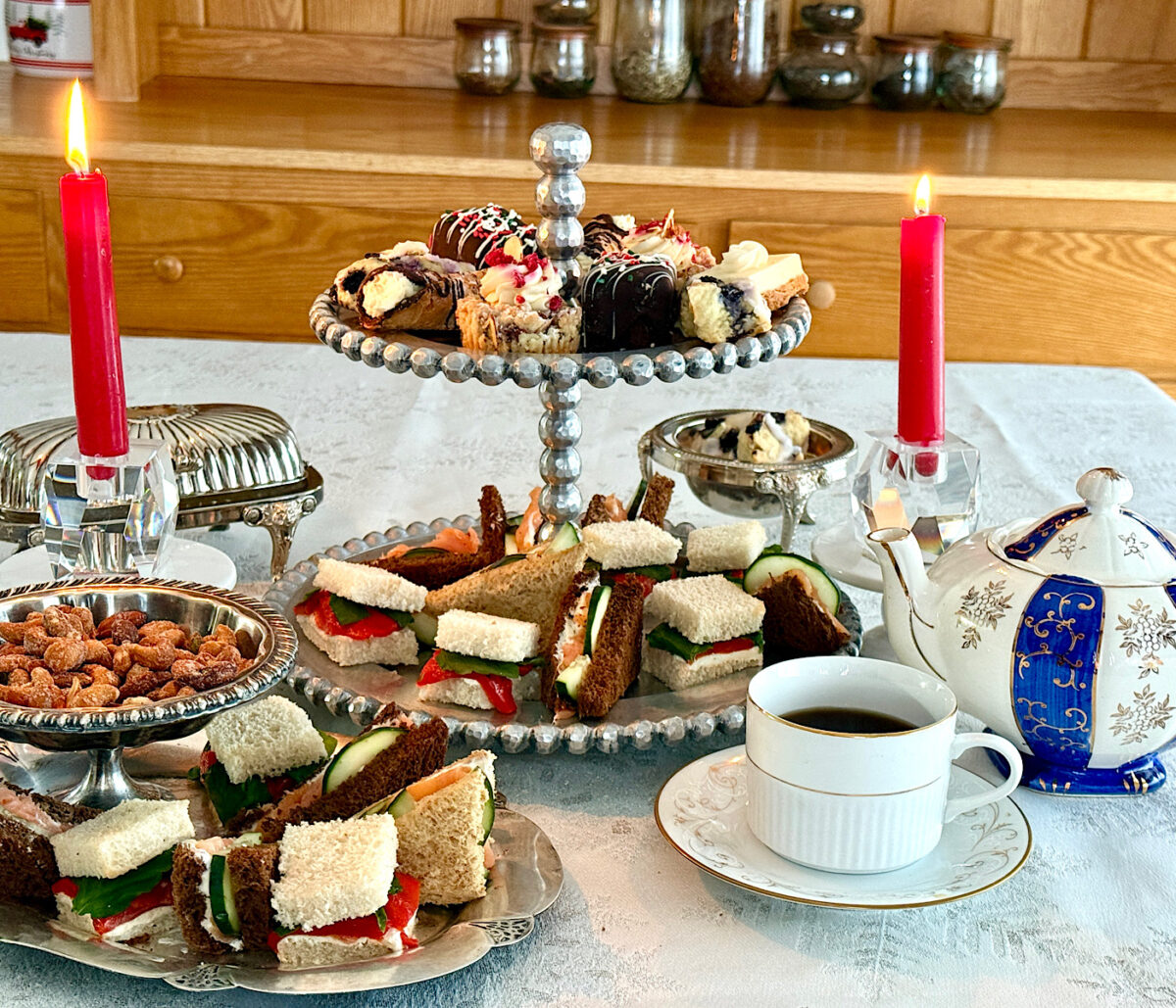
What’s better than an individual tea ritual? Sharing the joy of tea and tisanes with others! Here is a guide to hosting your own tea tasting party.
Creating Your Own Calming Blends
Once you understand individual herbs, you can blend them to suit your needs.
Gentle Daily Calm
- 2 parts chamomile
- 1 part lemon balm
- 1 part rose petals
Light, pleasant, safe for regular use. A good starting point.
Racing Mind Blend
- 2 parts passionflower
- 1 part chamomile
- 1 part lemon balm
Stronger GABA support for when thoughts won’t stop.
Stress Resilience Blend
- 2 parts tulsi (holy basil)
- 1 part chamomile
- 1 part ashwagandha
- Pinch of cinnamon
Adaptogenic support for chronic stress. Best used consistently over weeks.
Nighttime Anxiety Blend
- 2 parts chamomile
- 1 part passionflower
- 1 part lavender
When anxiety interferes with sleep. See also my post on teas for sleep.
What About Green Tea?
Green tea is often touted as health tea with many benefits, including anti-anxiety characteristics. The evidence is nuanced however.
Green tea, like all true teas from the Camellia sinensis plant, contains L-theanine, an amino acid that promotes calm alertness. Research shows L-theanine can reduce anxiety while maintaining focus. However, you’d need to drink 6 to 8 cups of green tea to reach the doses used in most studies (200 mg).
For most people with anxiety, the caffeine in green tea outweighs the L-theanine benefits. If you tolerate caffeine well, matcha (which contains more L-theanine than regular green tea) might offer a gentle mood boost. If caffeine makes your anxiety worse, skip it entirely and stick with herbals.
FAQ
Both. Certain herbs contain real compounds that affect brain chemistry, but the ritual and warmth also matter. Placebo effects are real. If tea helps you feel calmer, that’s meaningful regardless of the mechanism.
Possibly, but check with your doctor first. Some herbs (especially valerian, kava, and St. John’s Wort) can interact with medications. Chamomile, lemon balm, and lavender are generally considered safe, but it’s always worth asking.
Herbal tea isn’t fast-acting enough for acute panic attacks. However, having a calming tea ritual can help prevent the buildup of stress that makes panic attacks more likely. For in-the-moment help, breathing techniques work faster than any herb.
Chamomile and lemon balm are traditional choices for children and are generally considered safe in normal tea amounts. Avoid giving children valerian, ashwagandha, or other stronger herbs without consulting a pediatrician.
Chamomile and lemon balm produce calm without significant drowsiness for most people. Valerian and passionflower are more sedating and better suited for evening. Start with milder herbs during the day and see how you respond.
Chamomile has a long history of safe use during pregnancy, but large amounts or concentrated extracts haven’t been well studied. Moderate consumption (1 to 2 cups daily) is generally considered fine. Passionflower should be avoided during pregnancy.
A Note on Expectations:
Herbal teas can be a genuine tool for managing mild to moderate anxiety. They cannot replace therapy, medication when needed, or addressing the underlying causes of chronic stress.
If anxiety is significantly interfering with your life, please work with a healthcare provider. Herbal tea can be part of your approach, but it shouldn’t be your only approach.
That said, the simple act of pausing to make and drink a cup of tea, of giving yourself permission to slow down for ten minutes, is itself a form of self-care that matters. Sometimes the ritual is the medicine.

References and Further Reading:
- Chamomile for generalized anxiety: Mao JJ, et al. “Long-term chamomile treatment for generalized anxiety disorder.” Phytomedicine, 2016.
- Passionflower compared to anti-anxiety medication: Akhondzadeh S, et al. “Passionflower in the treatment of generalized anxiety.” Journal of Clinical Pharmacy and Therapeutics, 2001.
- Ashwagandha for stress reduction: Chandrasekhar K, et al. “A prospective study of ashwagandha root in reducing stress and anxiety in adults.” Indian Journal of Psychological Medicine, 2012.
If you want to explore the world of teas and tisanes, check out this Complete Guide to Teas. It includes information on how to grow a tea garden, types of tea, brewing times and temp., recipes for blends, caffeine amounts, and much more.