
Quick Summary: Ginger, peppermint, fennel, and chamomile have the strongest evidence for digestive relief. They work through different mechanisms. Some relax intestinal muscles, while others stimulate digestive enzymes or reduce inflammation. For chronic conditions like IBS or SIBO, certain teas can help manage symptoms, but they work best as part of a broader approach.

Jump to: For Quick Relief | How The Herbs Work | More Herbs that Help | For Chronic Gut Issues | When to Drink | DIY Blends | What to Avoid | Pu-erh Tea | FAQ
Digestive complaints are the reason most people first turn to herbal tea. Long before we understood the mechanisms, people reached for peppermint after a heavy meal or ginger for nausea. These weren’t just folk remedies. We now have research explaining why they work.
I came to digestive teas through trying to solve my bout with SIBO (small intestinal bacterial overgrowth). The diagnosis was long in coming and the “cure” was multi-faceted, but certain teas really helped manage the symptoms while I addressed the underlying issues.
This post covers two different situations: immediate digestive discomfort (bloating after meals, indigestion, nausea) and chronic gut conditions (IBS, SIBO, constipation). The herbs used in teas overlap, but how you use them differs.
Best Teas for Quick Digestive Relief
These are your go-to herbs when digestion isn’t going well.
Ginger (Zingiber officinale)
Ginger is the most versatile digestive herb, effective for nausea, bloating, indigestion, and slow stomach emptying. The active compounds (gingerols and shogaols) stimulate saliva, bile, and gastric enzymes while reducing intestinal cramping.
Research consistently supports ginger for nausea, including motion sickness, morning sickness, and post-surgical nausea. It also speeds gastric emptying, helping food move through your system faster.
How to use it: Fresh ginger makes the most potent tea. Slice a thumb-sized piece, simmer in water for 10 to 15 minutes, strain. Drink before or after meals, or at the first sign of digestive upset.
Flavor profile: Warm, spicy, slightly sweet. Pairs well with lemon and honey.
I make a ginger lime syrup to use with green tea or in sparkling water. Here is a simple recipe for it:
Ginger Lime Syrup
- ½ c. Root ginger Sliced into coins
- 2-3 limes juiced
- ½ c. sugar
- ½ c. water
Dissolve sugar in water over medium heat. Bring to a low boil and add ginger slices and lime juice. Turn off the heat, cover and let it steep for 15 minutes.

Peppermint (Mentha piperita)
Peppermint is an antispasmodic, meaning it relaxes the smooth muscles of the digestive tract. This makes it excellent for cramping, gas, and that uncomfortable tightness after eating. The menthol in peppermint also has mild pain-relieving properties.
Peppermint oil capsules are well-studied for IBS, and while the tea is less concentrated, it still provides relief for many people.
Important caution: Peppermint relaxes the lower esophageal sphincter, which can worsen acid reflux and heartburn. If you have GERD, skip peppermint and try ginger or chamomile instead.
How to use it: Steep dried peppermint or fresh leaves in just-boiled water for 5 to 7 minutes. Drink after meals.
Flavor profile: Cool, refreshing, familiar.

Fennel (Foeniculum vulgare)
Fennel seeds have been used for digestive complaints across cultures for centuries. The compound anethole relaxes intestinal muscles and helps expel trapped gas. Research shows fennel is as effective as some over-the-counter medications for reducing flatulence.
Fennel is particularly good for that painful bloated feeling when gas won’t move. It’s also traditionally used for infant colic (as “gripe water”) and is gentle enough for regular use.
How to use it: Lightly crush 1 teaspoon of fennel seeds, steep in hot water for 10 minutes. Drink after meals or when bloated.
Flavor profile: Sweet, licorice-like, mild.
Chamomile (Matricaria chamomilla)
Chamomile is anti-inflammatory and antispasmodic, making it useful for digestive discomfort, especially when stress is involved. It helps relax the muscles of the intestines while reducing inflammation in the digestive tract.
Chamomile is particularly helpful when your stomach upset is connected to anxiety or tension. The gut-brain connection is real, and chamomile works on both ends.
How to use it: Steep in covered water for 5 to 10 minutes. Drink after meals or when experiencing stress-related digestive symptoms.
Flavor profile: Apple-like, honey-sweet, very pleasant.
How Digestive Teas Work
Understanding these herbs work in the body helps you choose the right herb for your situation.
- Antispasmodics (peppermint, fennel, chamomile) relax the smooth muscles of the intestines, relieving cramping and helping trapped gas move through. They’re best for that tight, crampy, bloated feeling.
- Prokinetics (ginger) stimulate movement through the digestive tract, helping food and gas move along rather than stagnating. They’re best for that heavy, full feeling when digestion seems stuck.
- Carminatives (fennel, ginger, peppermint) reduce gas formation and help expel existing gas. Most digestive herbs have some carminative properties.
- Anti-inflammatories (chamomile, ginger, turmeric) reduce inflammation in the digestive tract, which can be helpful for chronic conditions where the gut lining is irritated.
- Bitters (dandelion, gentian) stimulate digestive secretions including bile, which helps break down fats. They’re less commonly used in tea because they taste, well, bitter, but they’re useful when digestion feels sluggish.
More Secondary Herbs for Digestive Support
These are less commonly discussed but worth knowing:
- Lemon Balm: A gentle antispasmodic traditionally used for stress-related digestive issues. Works well combined with chamomile.
- Dandelion Root: Stimulates bile production, which helps digest fats. Also a mild diuretic, which can help with water retention and bloating. The roasted root makes a pleasant, slightly bitter tea that works well as a coffee substitute. I blend dandelion root with chicory root, cacao nibs, honeybush, and cloves for a really delicious herbal tea that I sell at market (see photo below). Caution: Avoid with gallbladder disease or if taking diuretic medications.
- Licorice Root: Soothes and coats the digestive tract, helpful for acid reflux and stomach ulcers. Has a naturally sweet flavor that improves bitter blends. Caution: Can raise blood pressure and lower potassium with regular use. Not for those with hypertension or heart conditions. DGL (deglycyrrhizinated licorice) supplements remove this risk, but regular licorice tea still contains the problematic compounds.
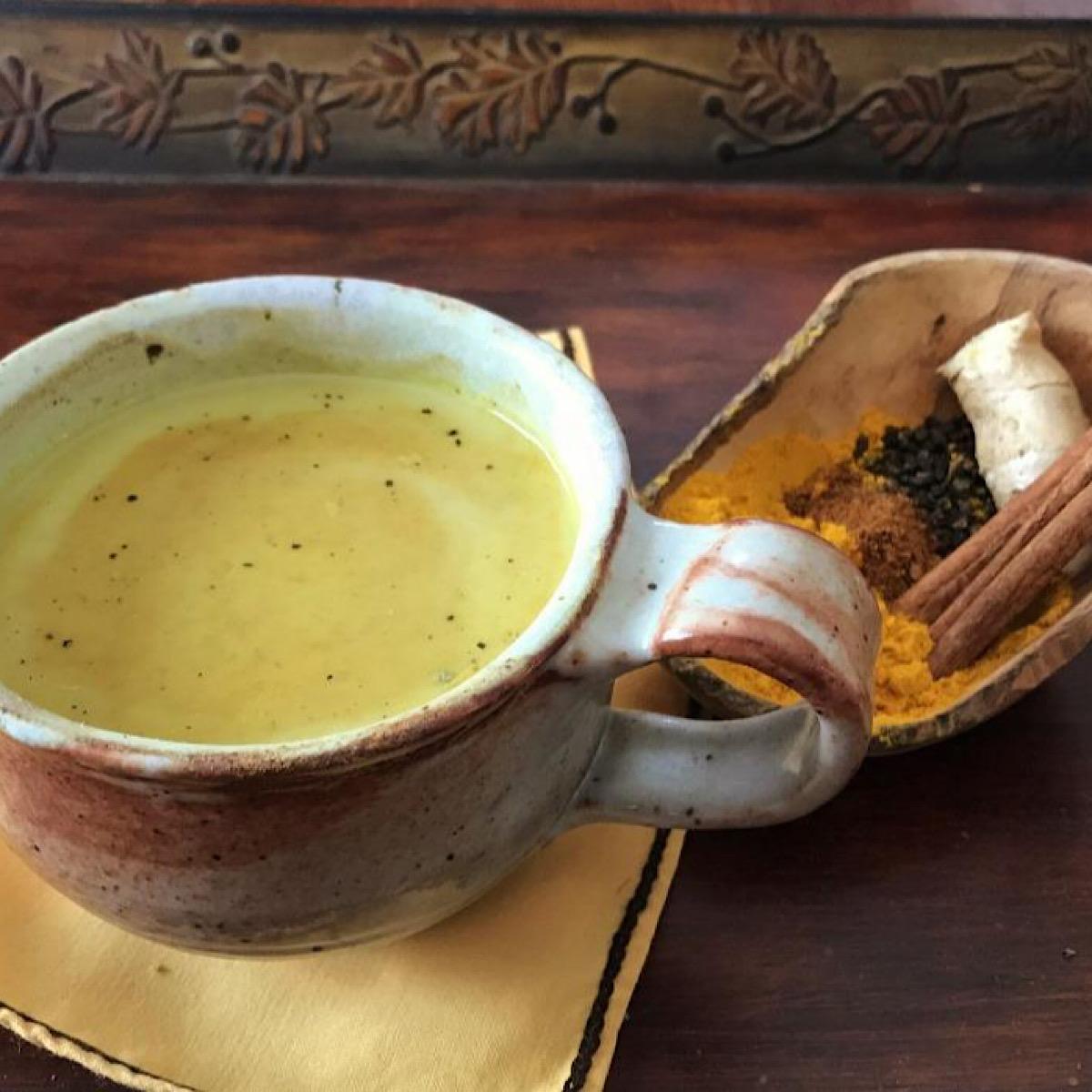
- Turmeric: Anti-inflammatory and supports bile production. Best absorbed with black pepper and some fat. More commonly taken as golden milk or a blend than as a standalone tea, as the taste isn’t all that great. I have a post for different turmeric blends that can really help the flavor.
- Marshmallow Root: Mucilaginous (slippery), coats and soothes irritated digestive tissue. Helpful for acid reflux and inflamed gut lining.
Teas for Chronic Gut Issues
Occasional indigestion is one thing. Chronic conditions like IBS, SIBO, and persistent constipation require a different approach.
For IBS (Irritable Bowel Syndrome)
Peppermint has the most research support for IBS. Studies on peppermint oil capsules show significant reduction in IBS symptoms, and while tea is less concentrated, many people find it helpful for daily management.
Chamomile and fennel also help, particularly for the cramping and bloating that accompany IBS flares.
**Important Note: Tea alone won’t resolve IBS. It works best alongside dietary changes. Many people benefit from a low-FODMAP diet, stress management, and working closely with a healthcare provider to identify triggers.
For SIBO (Small Intestinal Bacterial Overgrowth)
This one is personal for me. I developed SIBO a few years back and it was a long process just identifying what was wrong and the right solutions for my body.
I was able to resolve it with a 6-week low-FODMAP diet, Iberogast twice a day, and cutting way down on sugar. When I was dealing with SIBO, certain teas definitely helped and led me to develop the blends I sell today at the farmers market.
Teas blended with ginger were the most helpful for me. It’s a prokinetic, meaning it helps keep things moving through the small intestine, which is important when bacterial overgrowth is the problem.
For Constipation
Ginger and dandelion both support motility. Warm liquids in general help stimulate the digestive tract.
Senna and cascara sagrada are powerful laxative herbs sometimes found in “detox” teas. I don’t recommend them for regular use. They work by irritating the colon into action, and your body can become dependent on them. Occasional use is fine; daily use creates more problems than it solves.
For chronic constipation, increasing water intake, fiber, and movement usually helps more than any tea.
As you age, motility slows and for me, this caused painful trapped gas. That is where Iberogast really helped me.
For Acid Reflux / GERD
Avoid peppermint, which relaxes the lower esophageal sphincter and can worsen reflux.
Chamomile, ginger, and licorice root (short-term) can help soothe the irritation. Marshmallow root tea coats the esophagus and may provide relief.
When to Drink Digestive Tea
Timing matters for digestive herbal teas. Here are some tips to help with timing:
- Before meals: Bitter herbs (like dandelion root) are traditionally taken 15 to 30 minutes before eating to stimulate digestive secretions. Ginger can also be helpful before a meal that you expect to be heavy.
- After meals: Peppermint, fennel, and chamomile work well after eating to ease the digestive process and prevent bloating. I always wondered about the little plates of fennel you are offered at the counter on the way out of many Indian restaurants
- At the first sign of trouble: Drink the ginger teas at the first wave of nausea, and peppermint teas when you feel cramping start. Don’t wait until symptoms are severe.
- Daily for chronic issues: If you’re managing ongoing digestive symptoms, consistent daily use often works better than occasional rescue doses. I usually recommend these herbal teas 2-3 times a day for the best benefit.
Creating Your Own Digestive Blends
After-Dinner Blend
- 2 parts peppermint
- 1 part fennel seed (lightly crushed)
- 1 part chamomile
Classic, effective, pleasant-tasting.
Nausea Relief
- 2 parts fresh ginger (sliced thin)
- 1 part lemon peel
- Honey to taste
My go-to when stomach is unsettled.
Bloating and Gas
- 2 parts fennel seed
- 1 part peppermint
- 1 part lemon balm
Carminative focused for trapped gas.
Stress-Related Digestive Upset
- 2 parts chamomile
- 1 part lemon balm
- 1 part ginger
When your stomach knots up with anxiety.
Gentle Daily Support
- 1 part chamomile
- 1 part ginger
- 1 part fennel
- 1 part peppermint
Balanced blend for ongoing digestive maintenance.
What to Avoid
- “Detox” teas with senna or cascara: These are stimulant laxatives that can cause dependence and electrolyte imbalances with regular use. They don’t “detox” anything. Your liver and kidneys handle detoxification just fine.
- Very hot tea on an irritated stomach: Let it cool to warm. Scalding liquids can irritate an already upset digestive tract.
- Peppermint if you have acid reflux: It relaxes the sphincter that keeps stomach acid where it belongs.
- Large amounts of licorice root: The glycyrrhizin in licorice can raise blood pressure and deplete potassium. Occasional use is fine for most people; daily use is not.
- Expecting tea to fix everything: Chronic digestive issues usually have underlying causes (food sensitivities, bacterial imbalances, stress, motility disorders). Tea manages symptoms while you address root causes. It’s a tool, not a cure.
A Note on Pu-erh Tea
Pu-erh is a fermented tea from China that’s traditionally consumed after heavy or fatty meals. The fermentation process creates compounds that may help with fat digestion and support beneficial gut bacteria.
Research suggests pu-erh can aid the gastrointestinal system in breaking down fat and may have prebiotic effects. If you enjoy caffeinated tea and want digestive support, pu-erh is worth trying.
It has an earthy, rich flavor that some people don’t care for. I blend it with cocoa nibs, cinnamon chips and a bit of chile spice and it’s my absolute all-time favorite tea.

FAQ
Fennel and peppermint are most effective for gas and bloating. Fennel helps expel trapped gas; peppermint relaxes intestinal muscles so gas can move through. A blend of both covers multiple mechanisms.
Yes, for most herbs. Ginger, peppermint, fennel, and chamomile are safe for daily use. Avoid daily use of senna, cascara, or large amounts of licorice root.
Yes, this is one of the most well-supported uses. Research confirms ginger helps with motion sickness, morning sickness, and post-surgical nausea. Fresh ginger tea is more potent than dried.
It might. Peppermint oil capsules have good research support for IBS symptoms. Tea is less concentrated but many people find it helpful. Worth trying, though results vary.
Chamomile, ginger (in moderation), marshmallow root, and licorice root (short-term) may help. Avoid peppermint, which can make reflux worse.
Green tea contains compounds that may support gut bacteria and reduce inflammation, but it also contains caffeine, which can stimulate the digestive tract in ways that aren’t always comfortable. If you tolerate caffeine well, green tea after meals is a traditional practice in many cultures. If caffeine bothers your stomach, stick with herbal options.
Digestive teas address immediate symptoms: bloating after a meal, nausea, cramping. Gut health is a broader concept involving the microbiome, intestinal lining integrity, and chronic conditions like IBS or SIBO. There’s overlap in the herbs used, but gut health typically requires a more comprehensive approach than tea alone.
If you want to explore the world of teas and tisanes, check out this Complete Guide to Teas. It includes information on how to grow a tea garden, types of tea, brewing times and temp., recipes for blends, caffeine amounts, and much more.
References and Further Reading:
- Ginger for gastrointestinal disorders: Nikkhah Bodagh M, et al. “Ginger in gastrointestinal disorders: A systematic review.” Food Science & Nutrition, 2019.
- Peppermint for IBS: Alammar N, et al. “The impact of peppermint oil on irritable bowel syndrome: A meta-analysis.” BMC Complementary and Alternative Medicine, 2019.
- Chamomile for digestive health: Srivastava JK, et al. “Chamomile: A herbal medicine of the past with bright future.” Molecular Medicine Reports, 2010.
- IBS: Portincasa P, Bonfrate L, Scribano ML, et al. Curcumin and fennel essential oil improve symptoms and quality of life in patients with irritable bowel syndrome. Journal of Gastrointestinal and Liver Diseases. 2016;25(2):151-157.