Quick Summary: Tomato powder can be a secret ingredient to enhancing flavor in any recipe where you want that robust punch of tomato flavor, even in winter. This guide covers conversion ratios for replacing canned products, a two-ingredient tomato salt, rub and dressing formulas, and a quick summary of every other use I’ve found in years of making it for the farmers market. Naturally slow carb friendly, since it is nothing but tomatoes (and maybe some salt).
Jump to: Converting powder to paste/sauce | Tomato Salt | Tomato Rubs | Salad Dressing | More Uses | FAQ
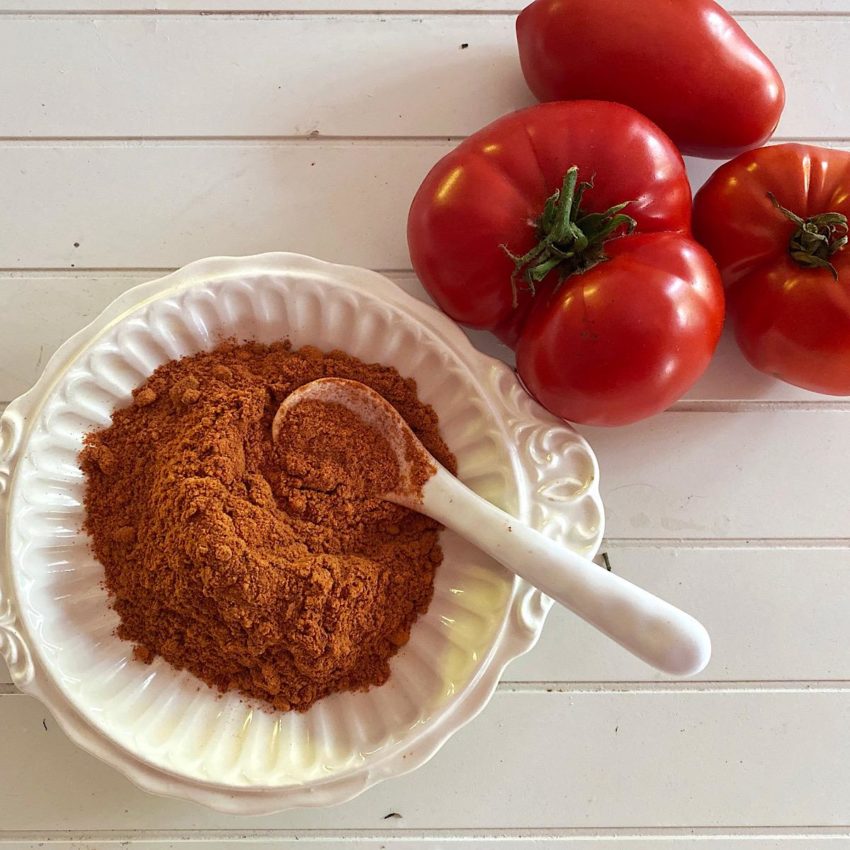
I make tomato powder every August from the heirloom tomatoes I grow at HeathGlen Farm. I sell the powder at the St. Paul Farmers Market as part of my spice collection, and of course I save out plenty for my own home cooking in the winter.
One of the most common questions I get at market is not “what is it” but “okay, what do I do with it.” This post is my answer.
If you have not made your own yet, start with my guide on how to make dehydrated tomato powder, and then return here for ideas on using it. Store-bought powder works for everything below too, though homemade from meaty garden tomatoes has a brightness the commercial stuff cannot match (and no preservatives).
How to Convert Tomato Powder to Paste or Sauce?
This is the workhorse use. The number to remember: about one tablespoon of tomato powder carries the flavor of a can of tomatoes in a stew or sauce.
Tomato Paste
Start with a 1:1 ratio of powder to water and simmer, stirring, until it reaches the thickness you want. Salt to taste. No more buying a whole tube for a recipe that needs two tablespoons and letting the rest mold in the refrigerator door.
Tomato Sauce
One part powder to one part hot water, whisked and simmered briefly, makes a proper sauce: 1/2 cup powder plus 1/2 cup hot water plus salt yields about 8 ounces. Adjust water for the thickness the dish needs.
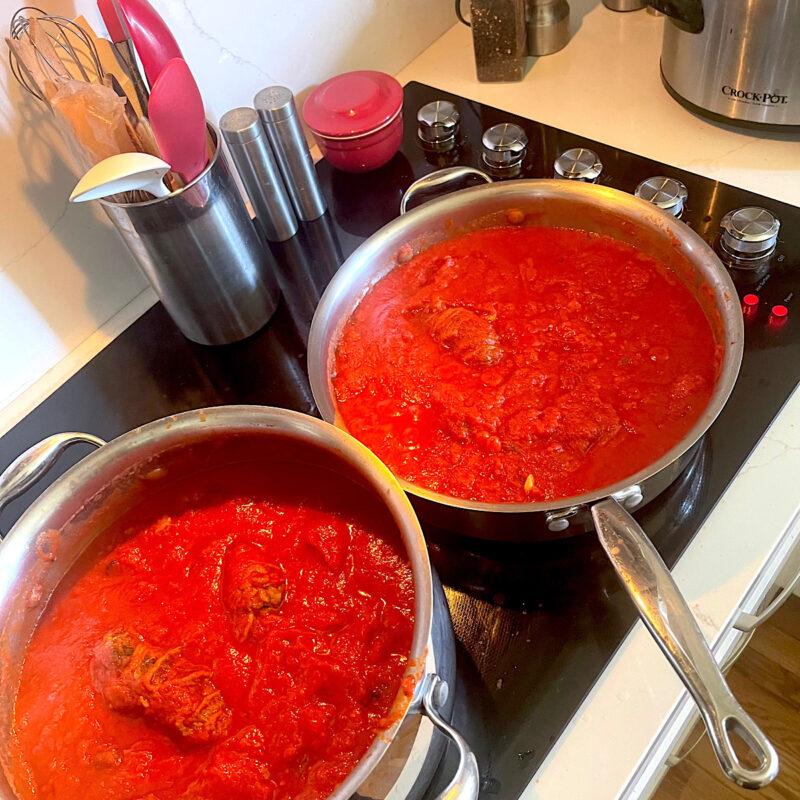
Pizza and Enchilada Sauce
For thinner sauces, stretch the water: 1/2 cup powder to 1 to 1 1/2 cups water, plus salt. Rehydrate, add oregano and garlic for pizza or cumin and chile for enchiladas, and it is ready to spread.
The one rule across all three: simmer or whisk the powder into hot liquid to dissolve it fully. Dumped into cold liquid, it can stay gritty.
How to Make Tomato Salt
This is the simplest recipe using tomato powder, and the one that surprises people most at my market. Blend two parts tomato powder with one part flaky or kosher salt, and you have a finishing salt with real umami behind it.
I have used tomato salt for rimming a Bloody Mary glass (this alone justifies it), sprinkled over eggs, avocado toast, or sliced grocery store tomatoes in winter. I’ve also used it sprinkled on popcorn, or as a finishing salt for roasted vegetables.
I also use tomato salt to rim these tomato martinis, where it pairs perfectly with pepper vodka and tomato water.
It also solves the clumping issue, since salt keeps the powder free-flowing.
If you make one thing from this post, make this salt. It only takes a minute once you have the tomato powder
If you grow or dry herbs, try making some herb infused salts. They are great either as an addition to the tomato salt or as an alternative.

Recipes for Using in Dry Rubs?
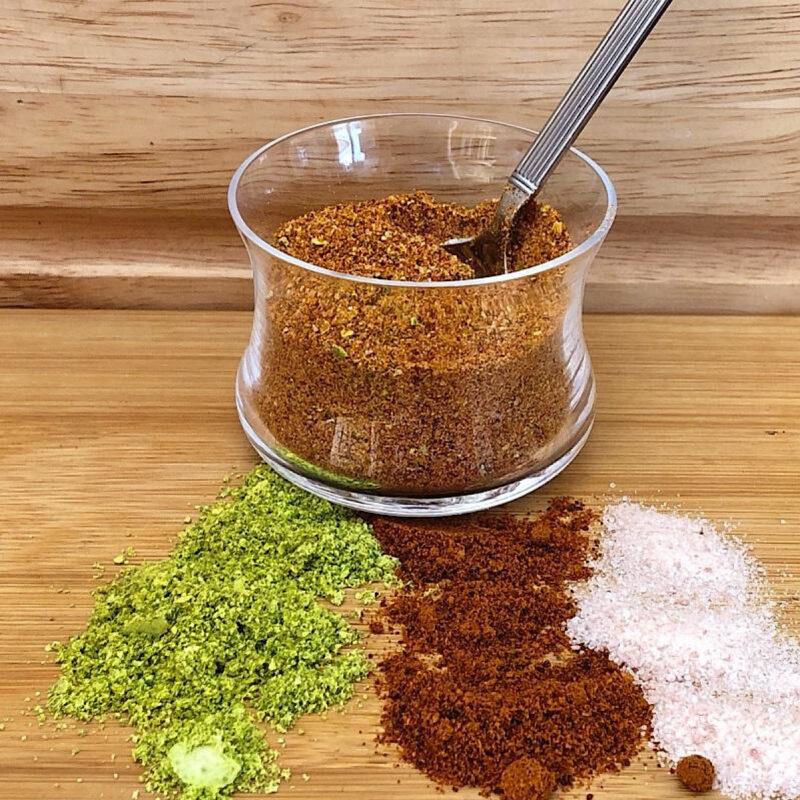
Tomato powder can take a rub from good to great. It brings sweetness, acidity, and depth that plays beautifully with paprika and garlic, and because it is dry, it builds crust instead of making things soggy the way a wet sauce base does.
Here is a starting formula for a sheet pan chicken or grilled beef rub:
- 1 tablespoon tomato powder
- 1 tablespoon smoked paprika
- 1 teaspoon garlic powder
- 1 teaspoon salt, black pepper, and a pinch of your favorite chile powder
- Coat the protein, roast or grill as usual
For an Italian all-purpose blend:
- 1 tablespoon tomato powder
- 1 1/2 teaspoons dried onion
- 1 1/2 teaspoons dried garlic
- 1 1/2 teaspoons dried parsley
- 1 1/2 teaspoons dried oregano
- 1 teaspoon salt.
- Keep it in a shaker by the stove and it improves everything from garlic bread to roasted zucchini.
Does Tomato Powder Work in Salad Dressings?
Yes, and this is the use that converts skeptics who think dried tomatoes belong only in winter stews.
Whisk a teaspoon of powder into a basic oil and vinegar dressing and let it sit five minutes before serving. The powder hydrates in the vinegar and turns a plain vinaigrette into something incredible.
It is equally good stirred into mayonnaise for a sandwich spread, or blended with herbs into cream cheese for crackers.
More Ways to Use Tomato Powder?
Here are a few other of my favorite ways to use tomato powder:
- a spoonful stirred into scrambled eggs with a splash of cream
- a tablespoon deepening a pot of chili or winter stew
- mixed into meatloaf where it seasons without adding moisture
- folded into bread or pizza dough for a savory loaf
- shaken over hummus or deviled eggs as a finishing dust
- added to homemade Spanish rice
- blended with parmesan for popcorn
- stirred into salsa made from winter tomatoes to give it a boost
- in a Bloody Mary (both in the glass and on the rim)
**Tip: if the dish has no added salt, add a small pinch alongside the powder. Salt is what unlocks the tomato flavor, which is why the tomato salt above works so well.
FAQ
Yes. Tomato powder is nothing but dried tomatoes (and optionally salt), so it carries only the modest natural carbs of the tomato itself, concentrated into servings measured in teaspoons. It is one of the easiest ways to add depth to slow carb cooking.
About one tablespoon for flavor in stews and sauces. If you also need the liquid volume of the can, add water along with it.
Not very well. For dressings and mayonnaise it hydrates if you whisk well and let it rest a few minutes. For sauces and soups, always dissolve it in hot liquid while stirring.
Yes, every use works the same. Homemade powder from meaty homegrown tomatoes is brighter and fresher tasting, and you control the salt. If you want to try making it, the full method is in my post on how to make dehydrated tomato powder.
Either a little moisture remains from drying or humidity is getting in. Blending in salt (or making the tomato salt above) prevents it, as does a truly airtight jar. If clumps form, they break up with a spoon and the flavor is unaffected.
Thoroughly dried and stored airtight at room temperature, a year or more without losing flavor, and often indefinitely.
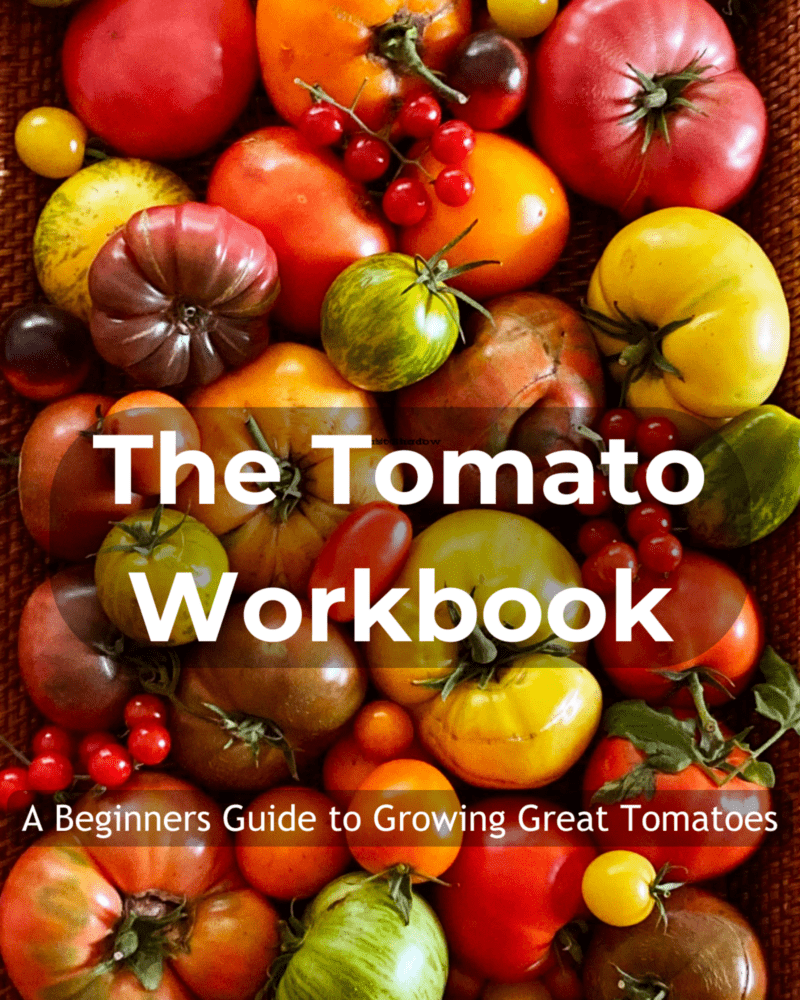
If you want to grow your own tomatoes for recipes like this, The Tomato Workbook for Beginners, covers everything from seed starting to harvest, with variety recommendations for different cooking uses.
You can purchase a digital copy from this website, or purchase a print copy from Amazon. Both are $11.95.