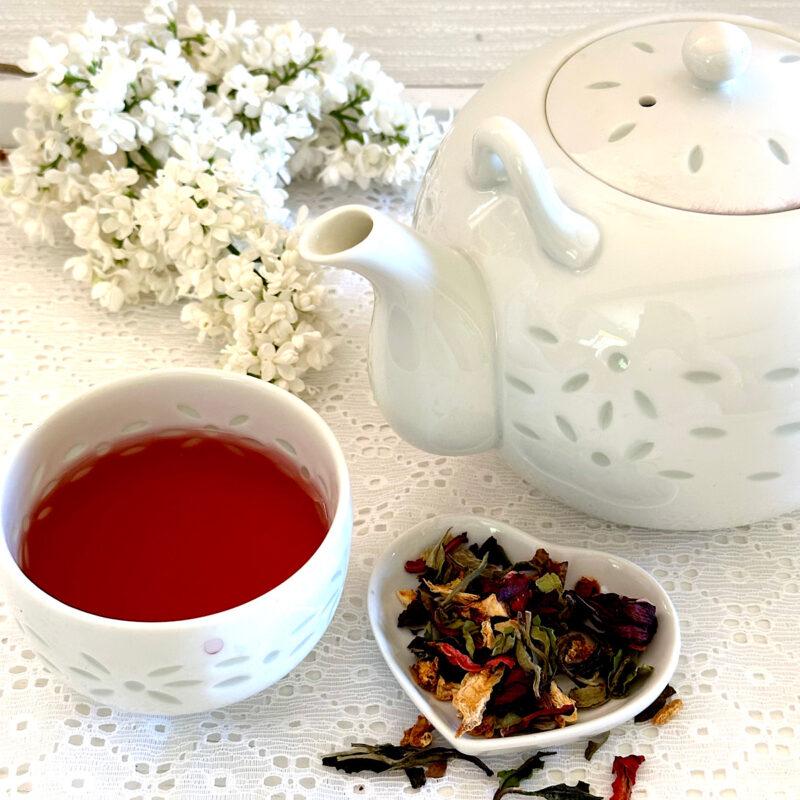
Quick Summary: Black tea, green tea, yerba mate, and matcha provide sustained energy through a combination of caffeine and other compounds like L-theanine that smooth out the energy lift. For caffeine-free options, ginger, peppermint, and adaptogenic herbs like ashwagandha offer gentler support. Tea gives you energy differently than coffee, with less of a spike and a more sustained focus.
Jump to: How Tea Energizes | Best Caffeinated Teas for Energy | Caffeine-Free Options | How to Use Energy Teas | Blending Your Own | What to Avoid | FAQ
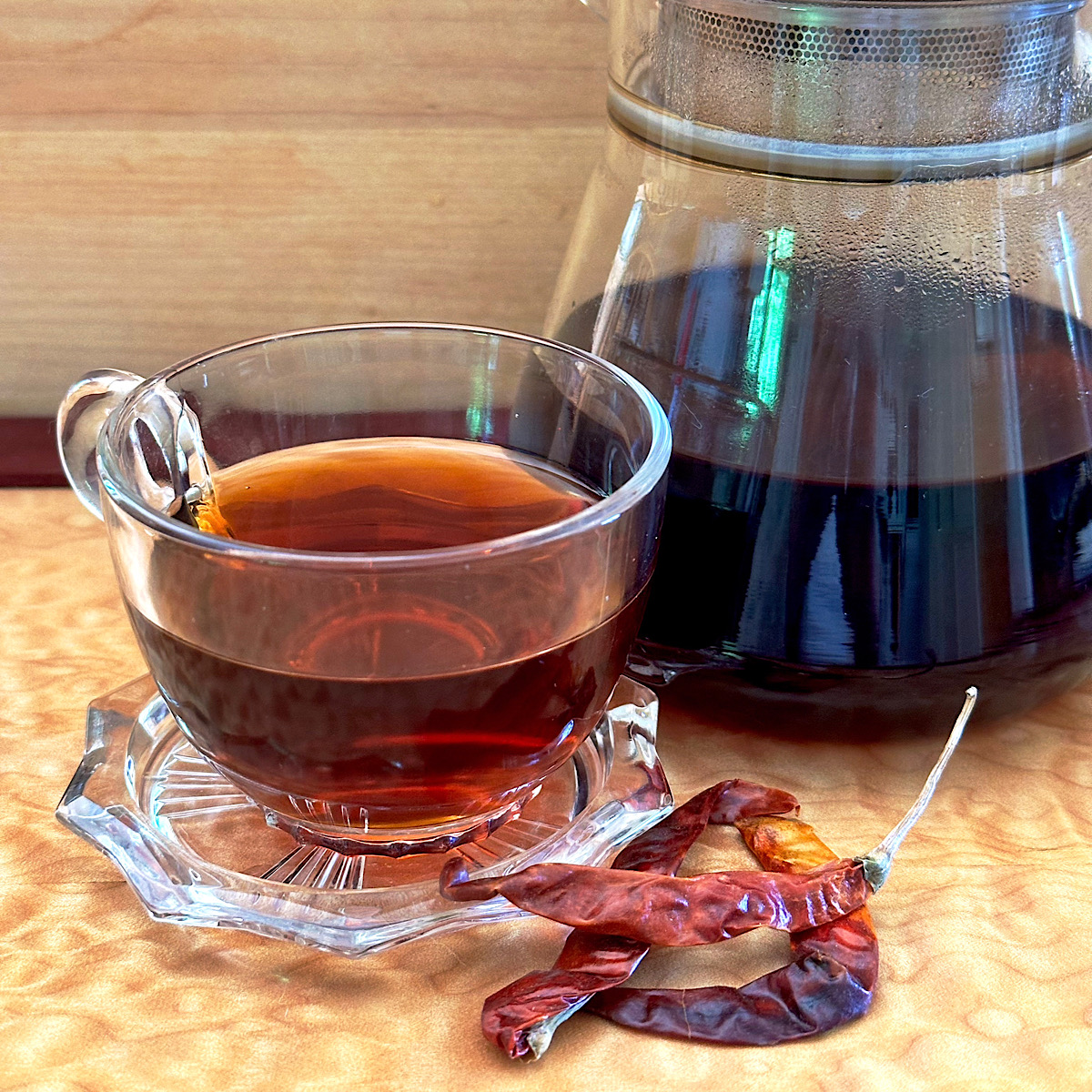
I am an early riser and I so look forward to the first cup of coffee to start the day. Once I’ve eased into the morning however, I switch to tea for a more sustained energy level that will allow me to do focused work without feeling jittery.
Coffee is nice for that immediate jolt of energy, but I’ve found that more than a cup actually starts to decrease my focus, giving me an unpleasant type of energy. Drinking tea mid-morning and early afternoon gives me a longer, steadier energy curve that matches the demands of farm work and online writing work.
If I need an afternoon boost without disrupting my sleep, peppermint with ginger is what I turn to late afternoon.
That said, everyone’s different. Some people thrive on coffee and find tea too subtle. The point isn’t that tea is universally better, but rather that tea offers a different kind of energy that works well for many of us.
This post covers both caffeinated teas (the real energy-boosters) and caffeine-free herbs that can provide a gentler lift when you want alertness without stimulants.
How Tea Energizes Differently Than Coffee
Tea and coffee both contain caffeine, so why do they feel so different?
L-theanine is the key difference
Tea contains L-theanine, an amino acid that promotes calm alertness. L-theanine increases alpha brain waves (associated with relaxed focus) and influences neurotransmitters including GABA, dopamine, and serotonin.
When you consume caffeine with L-theanine, the combination produces a different effect than caffeine alone. It offers you:
- Alertness without jitters
- Focus without anxiety
- Sustained energy without the sharp crash
This is why many people describe tea energy as “calm focus” versus coffee’s “wired intensity.”
Slower caffeine release
The caffeine in tea is bound to tannins and other compounds, which may slow its absorption compared to coffee. This means a more gradual onset and a gentler decline—no sudden spike, no sudden crash.
Lower caffeine per cup (usually)
A typical cup of black tea contains 40-70 mg of caffeine versus 95-200 mg in coffee. This lower dose, combined with L-theanine, produces alertness without overstimulation for most people.
The exception: Matcha delivers caffeine comparable to coffee (70-140 mg per serving depending on preparation) because you consume the whole leaf, but it also delivers more L-theanine, which maintains that balanced effect.
For managing the stress that depletes energy, see my post on teas for anxiety.

Best Caffeinated Teas for Energy
These are your true energy teas—they contain caffeine and will genuinely wake you up.
Black Tea
Black tea is the most caffeinated of the traditional teas and has the most robust flavor. It’s been the morning tea of choice across Britain, Ireland, and India for a long time.
Caffeine content: 40-70 mg per cup (varies by type and steep time)
L-theanine: Present, though less than green tea
Best for: A familiar, reliable morning boost. Those transitioning from coffee often find black tea the easiest switch.
Varieties to try: English Breakfast, Irish Breakfast (stronger), Assam (malty, bold), Earl Grey (with bergamot), Darjeeling (lighter, more complex), China Black blends.
Flavor profile: Robust, malty, sometimes brisk. Takes well to milk if that’s your preference.
One of my favorite black caffeinated teas is this Black Currant-Sage-Rosemary tea shown below. It is quite robust in flavor however and rosemary can overpower the tea flavor if you use too much in your blend. If you are interested in tea blending, check out this guide on using herbs when blending your own teas

Green Tea
Green tea offers moderate caffeine with higher L-theanine levels than black tea, creating that characteristic calm alertness.
Caffeine content: 25-50 mg per cup
L-theanine: Higher than black tea, contributing to focused calm
Best for: Sustained focus without intensity. Excellent for work that requires concentration.
Varieties to try: Sencha (grassy, everyday Japanese green), Dragon Well/Longjing (nutty, Chinese), Gunpowder (stronger, slightly smoky).
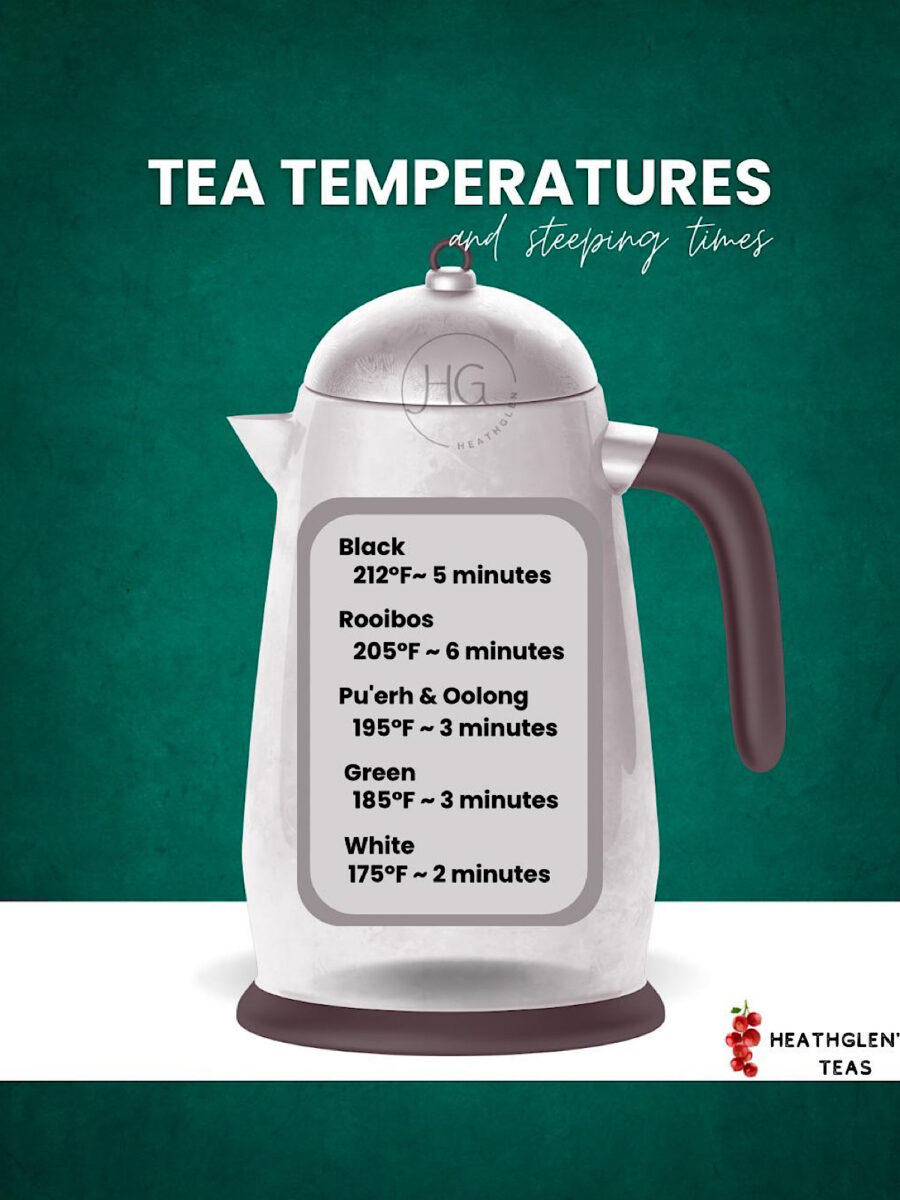
Flavor profile: Vegetal, grassy, sometimes sweet. Quality matters significantly, as cheap green tea can be bitter and unpleasant. Green tea also has a tendency to turn bitter if you steep it too long or use too hot of a temperature (see steeping guide below).
Matcha
Matcha is powdered green tea, meaning you consume the entire leaf rather than steeping and discarding it. This delivers significantly more caffeine and L-theanine per serving.
Caffeine content: 70-140 mg per serving (comparable to coffee)
L-theanine: Very high: this is why matcha provides intense focus without coffee-like jitters
Best for: Those who want coffee-level energy with tea-style smoothness. Pre-workout or demanding mental work.
How to use: Whisk 1/2 to 1 teaspoon matcha powder into hot (not boiling) water. Can also be made as a latte with milk.
Flavor profile: Rich, creamy, vegetal, slightly sweet if high quality. Lower grades can taste bitter or overly grassy.
Yerba Mate
Yerba mate is a South American herb that contains caffeine (sometimes called mateine), theobromine, and other stimulating compounds. It’s not from the Camellia sinensis plant but provides energy comparable to tea or coffee.
Caffeine content: 30-50 mg per cup (varies by preparation)
Additional compounds: Theobromine (also found in chocolate) provides a mood lift; theophylline is mildly stimulating
Best for: Those who want something different from traditional tea, or who find tea too mild and coffee too intense. Very popular in Argentina, Uruguay, and southern Brazil.
Traditional preparation: Steeped in a gourd with a filtered metal straw (bombilla), but can be prepared like any loose-leaf tea.
Flavor profile: Earthy, grassy, slightly bitter, with a distinctive character. Takes some getting used to but becomes addictive for many. I blend my mate with hibiscus which adds a sweet-tart flavor.

Pu-erh Tea
Pu-erh is a fermented tea from China with a unique earthy flavor and moderate caffeine. The fermentation process creates compounds that some people find provide a particularly smooth, sustained energy.
Caffeine content: 30-70 mg per cup
Best for: Those who enjoy complex, earthy flavors. Often consumed after meals in China for both energy and digestion.
Flavor profile: Earthy, rich, sometimes mushroomy or woody. An acquired taste but deeply satisfying once you acquire it. I blend my pu-erh with cinamon chips and cocoa nibs to enhance the flavor.
White Tea
White tea is the least processed tea, made from young buds and leaves. It’s delicate in flavor and moderate in caffeine.
Caffeine content: 15-30 mg per cup (though some white teas can be higher)
Best for: A gentle lift. Those who find green tea too grassy or black tea too strong.
Flavor profile: Delicate, subtle, sometimes floral or honey-like. Requires attention to appreciate.

Oolong Tea
Oolong sits between green and black tea in oxidation level, offering a wide range of flavors and moderate caffeine.
Caffeine content: 30-50 mg per cup
Best for: Afternoon energy without evening sleep disruption. Those who enjoy exploring complex flavors.
Flavor profile: Ranges from light and floral to rich and roasted depending on the specific oolong.
Caffeine-Free Options for Gentle Energy
Not everyone wants caffeine, whether due to sensitivity, health conditions, pregnancy, or simply the time of day. These herbs offer a different kind of lift.
Peppermint
Peppermint doesn’t contain caffeine, but its bright, sharp aroma and flavor are naturally invigorating. Research suggests the scent of peppermint can increase alertness and reduce fatigue.
How it works: Stimulates the senses and promotes alertness through aroma and flavor rather than chemistry. Also aids digestion, which can relieve the sluggishness that comes from a heavy meal.
Best for: Afternoon pick-me-up without caffeine. When energy lag is partly digestive.
Flavor profile: Cool, refreshing, familiar.
Ginger
Ginger is warming and stimulating, increasing circulation and promoting alertness without caffeine. Studies suggest ginger may enhance cognitive function and attention.
How it works: Increases circulation, warms the body, stimulates digestion. The heat itself is energizing.
Best for: Cold mornings, sluggish digestion, when you want to feel invigorated rather than stimulated.
Flavor profile: Warm, spicy, slightly sweet.
Ashwagandha
Ashwagandha is an adaptogen that helps the body manage stress and maintain energy levels. It doesn’t provide an immediate lift but supports sustained energy over time.
How it works: Reduces cortisol, supports adrenal function, improves how your body responds to stress. Stress and exhaustion are linked—addressing stress can restore natural energy.
Best for: Burnout, chronic fatigue, stress-related exhaustion. Works best with consistent use over weeks.
Caution: Not for pregnancy or breastfeeding. May interact with thyroid medications.
Flavor profile: Earthy, slightly bitter. Better in blends or as golden milk than alone.
Rhodiola
Rhodiola is another adaptogen, traditionally used in Scandinavian countries to combat fatigue and increase endurance. Research supports its use for mental and physical stamina.
How it works: May influence serotonin and dopamine levels, support mitochondrial function, and reduce fatigue.
Best for: Mental fatigue, demanding work, recovery from illness or overexertion.
Flavor profile: Slightly bitter, rose-like. Usually taken as capsules or tincture rather than tea.
Rosemary
Rosemary has traditionally been associated with mental clarity and memory. Research suggests its aroma may enhance alertness and cognitive performance.
How it works: Stimulating aroma, antioxidant compounds, circulation support.
Best for: Mental fog, afternoon slumps, when you need to focus.
Flavor profile: Herbaceous, piney, savory. More pleasant in blends than alone.
For calming the energy when the day is done, see my post on teas for sleep.
Citrus Peel (Lemon, Orange)
Citrus peel contains limonene and vitamin C, and its bright aroma is naturally uplifting. While not a stimulant, citrus adds energy to any blend through pure sensory pleasure.
Best for: Adding to other energy herbs to brighten the blend and elevate mood.
Flavor profile: Bright, tart, cheerful.
How to Use Energy Teas Effectively
Time it right.
Caffeine has a half-life of 5-6 hours, meaning half of it is still in your system that many hours later. If you’re sensitive to caffeine, stop caffeinated teas by early afternoon to protect your sleep.
Match intensity to need.
- Morning, need serious focus: matcha or strong black tea
- Midday, sustained work: green tea or oolong
- Afternoon, gentle lift: white tea, peppermint, or ginger
- Avoiding caffeine: adaptogen blend or peppermint-ginger
Steep time affects caffeine.
Longer steep times extract more caffeine. If you want less caffeine from your tea, steep for 1-2 minutes instead of 3-5. If you want more, steep longer.
Black teas are typically steeped for 4-5 minutes to get the full flavor, so be aware that steeping for only 1-2 minutes will result in a weaker tasting tea. Many teas can be successfully re-steeped 2-3 times, but each steep will result in less robust taste and less caffeine.
Stay hydrated.
Tea is hydrating despite its caffeine, but if you’re drinking multiple cups daily, also drink plain water. Dehydration causes fatigue.
Don’t rely on tea to fix sleep deprivation.
Caffeine can mask tiredness, but it can’t replace sleep. If you’re reaching for more and more tea to function, the real fix is better rest.
For calming the energy when the day is done, see my post on teas for sleep.
Creating Your Own Energy Blends
Morning Focus Blend (caffeinated)
- 2 parts green tea
- 1 part ginger
- 1 part lemon peel
Bright, focused energy to start the day.
Afternoon Lift (caffeine-free)
- 2 parts peppermint
- 1 part ginger
- 1 part rosemary
- 1 part lemon peel
Invigorating without caffeine. Good for the post-lunch slump.
Sustained Stamina (adaptogenic)
- 1 part green tea (or rooibos for caffeine-free)
- 1 part ashwagandha
- 1 part ginger
- Pinch of cinnamon
Combines immediate lift with adaptogenic support. For demanding days.
Simple and Strong
- Black tea (Assam or Irish Breakfast)
- Splash of milk if desired
Sometimes the classic is classic for a reason.
What to Avoid
- “Energy” teas with added sugar. The sugar gives a quick spike followed by a crash, undermining any sustained energy benefit. Read labels on commercial blends.
- Excessive caffeine. More isn’t better. Too much caffeine causes anxiety, jitters, increased heart rate, and disrupted sleep—which creates more fatigue the next day. Stick to moderate amounts.
- Using tea to power through chronic exhaustion. Tea can support energy but can’t replace sleep, nutrition, and stress management. If you’re constantly exhausted, something needs to change beyond your tea choice.
- Expecting herbal teas to match caffeine. Peppermint and ginger are lovely, but they won’t wake you up the way black tea or matcha will. Know what you need and choose accordingly.
A Note on Caffeine Sensitivity
Caffeine sensitivity varies enormously between people, based on genetics, tolerance, and overall health.
If you’re highly sensitive to caffeine:
- Start with white tea or lightly steeped green tea
- Try half-caff blends (mixing regular and decaf)
- Focus on caffeine-free options like peppermint and ginger
- Avoid caffeine after noon
If you have high caffeine tolerance:
- You may need matcha or strong black tea to feel effects
- Consider whether you’re relying on caffeine to compensate for insufficient sleep
- Occasional caffeine breaks can help reset tolerance
FAQ
Matcha typically has the most (70-140 mg per serving) because you consume the whole leaf. Among steeped teas, black tea is highest (40-70 mg), followed by oolong (30-50 mg), green tea (25-50 mg), and white tea (15-30 mg). Steep time and leaf quantity affect these numbers.
Yes, for many people. Black tea or matcha provide comparable caffeine with less jitteriness due to L-theanine. The adjustment period takes about a week.
L-theanine, an amino acid in tea, promotes calm while caffeine promotes alertness. The combination creates focused energy without the anxiety-like symptoms caffeine alone can cause.
Yerba mate is consumed safely by millions of people daily in South America. Some studies have raised concerns about very hot mate and esophageal cancer, likely due to the temperature rather than the mate itself. Let it cool slightly before drinking.
Moderate caffeine (under 200 mg daily) is generally considered safe during pregnancy. One or two cups of black tea or green tea typically falls within this range. Avoid yerba mate during pregnancy (some safety concerns), and consult your provider about adaptogens. Peppermint and ginger are generally safe.
Depends on your caffeine tolerance. If you’re a heavy coffee drinker, green tea may feel subtle. If you’re caffeine-sensitive or don’t regularly consume caffeine, green tea provides noticeable, sustained alertness.
References and Further Reading
- L-theanine and caffeine combination: Owen GN, et al. “The combined effects of L-theanine and caffeine on cognitive performance and mood.” Nutritional Neuroscience, 2008.
- Green tea, caffeine, and alertness: Haskell CF, et al. “The effects of L-theanine, caffeine and their combination on cognition and mood.” Biological Psychology, 2008.
- Yerba mate and cognitive function: Heck CI, de Mejia EG. “Yerba Mate Tea: A comprehensive review on chemistry, health implications, and technological considerations.” Journal of Food Science, 2007.
- Peppermint aroma and alertness: Moss M, et al. “Modulation of cognitive performance and mood by aromas of peppermint and ylang-ylang.” International Journal of Neuroscience, 2008.
If you want to explore the world of teas and tisanes, check out this Complete Guide to Teas. It includes information on how to grow a tea garden, types of tea, brewing times and temp., recipes for blends, caffeine amounts, and much more.