
Quick Summary: Green tea and oolong tea have the most research support for modest metabolic effects, primarily through caffeine and catechins like EGCG. The effects are real but small. Tea can support weight management efforts but won’t cause significant weight loss on its own. Realistic expectations matter here.
Jump to: Realistic Expectations | How Metabolism Teas Work | What the Research Supports | Supporting Herbs | How to Use | What Won’t Help | FAQ

This is the wellness tea category related to weight loss and it is where marketing most often outpaces evidence.
You will often commercial teas marketed with the phrases “metabolism boosting” or “fat burning” and they frequently promise dramatic results. The reality is more modest.
Certain teas do appear to have measurable effects on metabolism and fat oxidation. Those effects are real. They’re also small, and they work best as part of broader lifestyle changes, not as a replacement for them.
I include metabolism support teas at my farmers’ market table because people ask for them, and because I’d rather offer something with at least some evidence than have people buy dubious products elsewhere. But I always emphasize to the customer that the tea I offer can support your efforts, but it’s not going to do the work for you.
If that framing works for you, read on. If you’re looking for a miracle, I don’t have one.
Realistic Expectations for Metabolism Teas
Here’s what the research actually shows (references below):
Green tea catechins (potent antioxidant polyphenols) plus caffeine can increase energy expenditure (calories burned) by roughly 4-5% and fat oxidation by 10-16% in some studies. Over 12 weeks, this translated to an average weight loss of 0.2 to 3.5 kg (about 0.5 to 7.7 pounds) more than placebo groups. Most studies showed results that weren’t statistically significant.
Oolong tea shows similar effects to green tea, with some studies suggesting the partially oxidized polyphenols may be particularly effective for fat oxidation.
Black tea polyphenols appear to support gut bacteria that influence metabolism, though the research is less robust than for green tea.
To put this in perspective: the amount of weight loss attributable to tea alone is modest. A Cochrane systematic review concluded that green tea preparations are “unlikely to be clinically relevant” for weight loss on their own.
So why include this category at all?
Because modest effects still matter when they’re part of a larger picture. Because replacing sugary drinks with tea has obvious benefits. Because the ritual of making tea can replace mindless snacking. And because some people do notice that tea helps them feel more energetic and less sluggish, which supports being more active.
How Metabolism Teas Work
The mechanisms are actually well-understood and are listed as follows:
- Caffeine is a stimulant that increases energy expenditure and promotes fat breakdown. This is the most straightforward effect. Caffeine temporarily boosts metabolic rate and helps release fatty acids from fat tissue so they can be burned for energy.
- Catechins (especially EGCG) are antioxidants found in green tea that appear to enhance fat oxidation beyond what caffeine alone provides. EGCG may inhibit an enzyme that breaks down norepinephrine, keeping this fat-burning hormone active longer.
- Polyphenols in various teas may influence gut bacteria in ways that affect how we process and store fat. Black tea and pu-erh tea, which have different polyphenol profiles than green tea, may work partly through this mechanism.
- Thermogenesis is the process of generating heat, which burns calories. Some tea compounds appear to mildly increase thermogenesis after consumption.
- The synergy is relevant: studies suggest caffeine and catechins together produce greater effects than either alone.
Teas with Research Support
Green Tea
Green tea has more research than any other tea for metabolic effects. The combination of caffeine (30-50 mg per cup) and EGCG appears to modestly increase calorie burning and fat oxidation.
What the research shows: A meta-analysis found green tea catechins with caffeine decreased body weight and helped maintain weight after a weight loss period. Effects were more pronounced in Asian populations and in people who consumed relatively little caffeine otherwise. Regular caffeine consumers may see smaller effects due to tolerance.
How to use it: 3-4 cups daily is the range used in most positive studies. Effects are enhanced when combined with exercise. Drink it unsweetened.
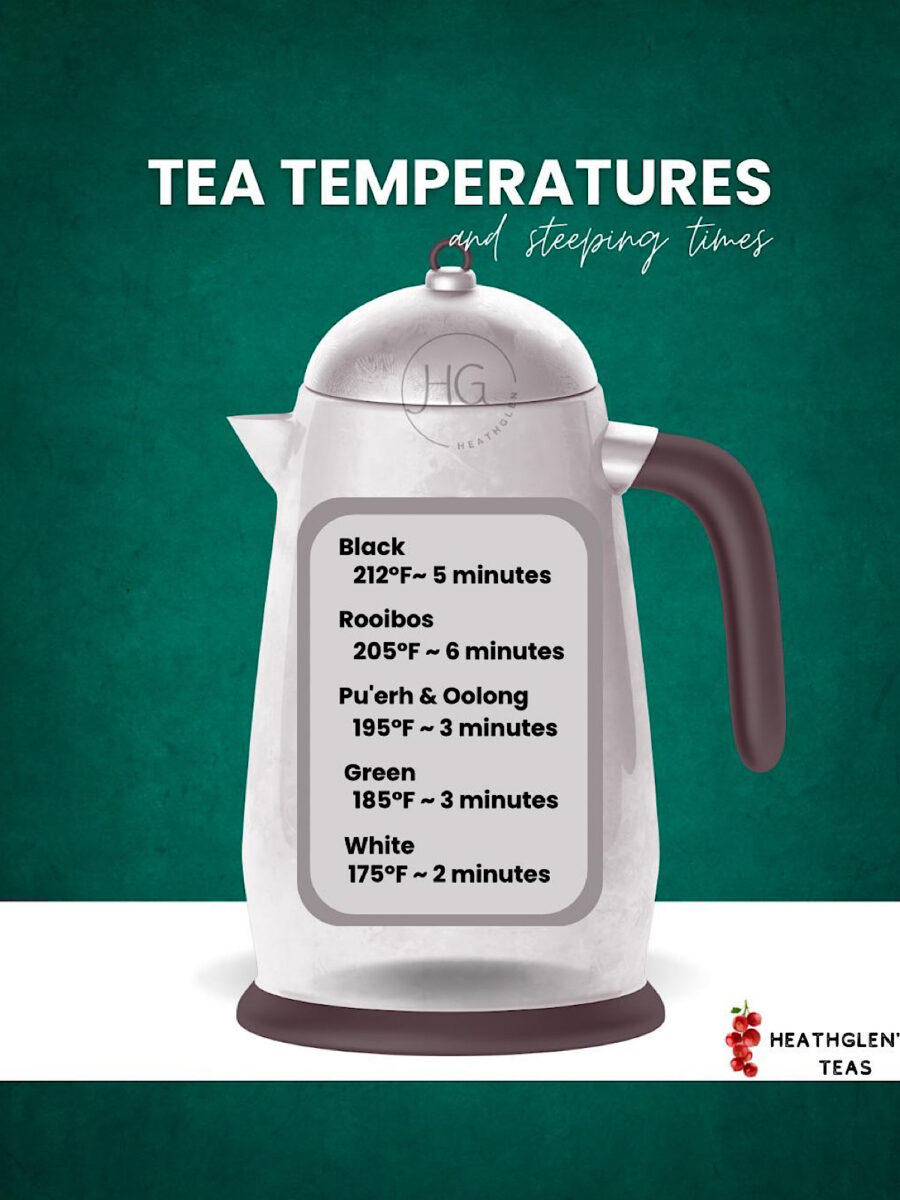
Flavor profile: Grassy, vegetal, sometimes sweet. Quality and proper steeping matter significantly for taste. Green tea can easily become bitter if steeped for too long or at too high of temperatures. See this guide on how to steep teas for the best flavor.
Matcha
Matcha is powdered green tea, meaning you consume the whole leaf rather than steeping and discarding it. This delivers higher concentrations of both caffeine and catechins than regular green tea.
What the research shows: One study found matcha before exercise enhanced fat oxidation during moderate-intensity walking. The concentrated catechins may make matcha more effective per cup than regular green tea.
How to use it: 1-2 cups daily. Particularly useful before exercise if you tolerate caffeine well.
Flavor profile: Rich, creamy when whisked properly, more intense than regular green tea.
Oolong Tea
Oolong is partially oxidized, sitting between green and black tea. Some research suggests its unique polyphenol profile makes it particularly effective for fat oxidation.
What the research shows: Studies indicate oolong can increase energy expenditure and fat oxidation for several hours after consumption. One study found oolong tea increased fat burning by 20% compared to water, and the effect lasted longer than with green tea.
How to use it: 2-4 cups daily. Can be re-steeped multiple times.
Flavor profile: Varies widely from floral and light to roasted and rich, depending on oxidation level or what it may be blended with.
Pu-erh Tea
Pu-erh is a fermented tea from China, traditionally consumed after heavy meals to aid digestion and fat processing. The fermentation creates unique compounds not found in other teas.
What the research shows: Animal studies show promising effects on fat metabolism and cholesterol. Human studies are more limited but suggest pu-erh may help with fat digestion and support healthy cholesterol levels.
How to use it: 1-2 cups after meals, particularly fatty meals. Traditionally believed to help the body process heavy foods.
Flavor profile: Earthy, rich, smooth. An acquired taste for some, deeply satisfying for others. If you don’t like the earthy taste, look for a blend that will offset it.

Black Tea
Black tea is fully oxidized and contains different polyphenols (theaflavins and thearubigins) than green tea. Research suggests these compounds may support metabolism through effects on gut bacteria.
What the research shows: Studies indicate black tea polyphenols can alter gut bacteria in ways that influence fat metabolism, though the research is less extensive than for green tea.
How to use it: As a replacement for other caffeinated beverages. More desirable for many people than green tea because it’s more familiar and the taste is more bold.
Flavor profile: Robust, malty, familiar, frequently blended with other teas or spices.
Supporting Herbs (Caffeine-Free Options)
These herbs are sometimes included in metabolism-support blends. Evidence is limited, but they may offer gentle support:
- Ginger: Increases thermogenesis and may help with satiety (feeling full). Also supports digestion, which matters for overall metabolic health.
- Cinnamon: May help regulate blood sugar, reducing the spikes and crashes that trigger cravings. Add a pinch to other teas.
- Turmeric: Anti-inflammatory properties may support metabolic health indirectly, since chronic inflammation is associated with metabolic dysfunction.
- Dandelion: Traditional use as a digestive bitter and mild diuretic. May reduce water retention (not fat loss, but can affect how you feel).
- Peppermint: May help reduce appetite in some people. Also aids digestion.
- Rooibos: Contains aspalathin, a compound that may help regulate blood sugar and fat metabolism in animal studies. Human research is limited.
These won’t produce measurable weight loss on their own, but they can be part of a supportive daily tea practice.
How to Use Metabolism Teas
Here are some ways to get the most realistically from metabolism teas:
- Replace other beverages. The simplest win: if tea replaces soda, sweetened coffee drinks, or juice, you’re cutting significant calories while gaining modest metabolic support.
- Time it with activity. The fat-oxidation effects of green tea and matcha appear enhanced when combined with exercise. A cup before your walk or workout may help your body burn fat more efficiently during activity.
- Be consistent. Most positive studies used daily tea consumption over weeks or months. This is about sustainable habits, not occasional use.
- Don’t add sugar. This seems obvious, but sweetened tea undermines any metabolic benefit. If you need to ease into unsweetened tea, reduce sugar gradually.
- Manage caffeine timing. These teas contain caffeine. If you’re sensitive, stop by early afternoon to protect your sleep. Poor sleep negatively affects metabolism more than tea positively affects it.
- Keep expectations realistic. Think of tea as creating a slight tailwind, not carrying you to your destination. The real work is still diet, movement, sleep, and stress management.
What to Avoid
- “Detox” teas with laxatives: Many commercial weight-loss teas contain senna or other stimulant laxatives. These cause water loss (not fat loss), can create dependence, and may be dangerous with regular use. The weight you lose comes back as soon as you rehydrate. Avoid these.
- Excessive caffeine: More isn’t better. Very high caffeine intake causes jitters, anxiety, disrupted sleep, and can strain your cardiovascular system. Stick to moderate consumption.
- Tea as a meal replacement: Some weight-loss programs suggest drinking tea instead of eating. This is disordered eating. Tea should complement meals, not replace them.
- Expecting tea to overcome poor habits: No amount of green tea will counteract a diet high in processed foods, a sedentary lifestyle, or chronic sleep deprivation.
- Ignoring how you feel: Some people feel great with several cups of caffeinated tea daily. Others feel anxious and jittery. Listen to your body.
A Note on Individual Responses:
Response to metabolism teas varies significantly between people. Factors include:
- Caffeine tolerance: Regular caffeine consumers see smaller effects
- Genetics: Some people metabolize caffeine and catechins differently
- Baseline metabolic rate: Effects may be more noticeable in some body types
- Gut bacteria: Your microbiome affects how you process tea polyphenols
- Overall diet: Benefits are more apparent when combined with healthy eating
My Personal Perspective
I’ve been at a healthy weight most of my life, which I attribute primarily to farming, not to any particular tea. Physical work and eating real food from my garden have been the foundation.
But I do notice that green tea before a busy market day helps me feel alert and energetic. Pu-erh after a heavy meal settles my digestion. Whether these effects are metabolic, psychological, or both, they’re real to me.
I don’t promise dramatic results. If someone at my market asks for a “weight loss tea,” I hand them green tea or oolong and have a conversation. I tell them what I have learned about the research and my own experiences.
Tea is a small, pleasant, sustainable daily habit that may provide modest metabolic support. That’s enough. It doesn’t need to be a miracle to be worth including in your routine.
FAQ
Green tea and oolong have the most research support, primarily due to caffeine and catechins. Effects are modest. Neither will cause significant weight loss without accompanying lifestyle changes.
Studies showing effects typically used 3-4 cups daily, providing 400-500 mg of catechins and 150-200 mg of caffeine. Start with 2 cups and increase if you tolerate caffeine well.
Per cup, matcha delivers more catechins and caffeine because you consume the whole leaf. If you drink equal amounts, matcha likely provides stronger effects. But it’s also more expensive.
You can try lower-caffeine options like white tea or lightly steeped green tea. Or focus on caffeine-free supportive herbs like ginger and cinnamon, accepting that the metabolic effects will be minimal.
Concentrated supplements deliver higher doses but also carry greater risks, including rare reports of liver toxicity with very high-dose green tea extracts. For most people, regular tea consumption is safer and sustainable.
Before. The fat-oxidation effects of green tea and matcha appear enhanced during exercise that follows tea consumption.
Possibly. Some research suggests milk proteins may bind to tea catechins and reduce absorption. If maximizing metabolic effects, drink tea plain.
Most studies run 8-12 weeks before measuring outcomes. Don’t expect visible changes in the first few weeks. If you notice changes, they’ll likely be subtle: slightly more energy, clothes fitting slightly better over time.
If you want to explore the world of teas and tisanes, check out this Complete Guide to Teas. It includes information on how to grow a tea garden, types of tea, brewing times and temp., recipes for blends, caffeine amounts, and much more.

References:
- Hursel R, Viechtbauer W, Westerterp-Plantenga MS. The effects of green tea on weight loss and weight maintenance: A meta-analysis. International Journal of Obesity. 2009;33(9):956-961.
- Jurgens TM, Whelan AM, Killian L, et al. Green tea for weight loss and weight maintenance in overweight or obese adults. Cochrane Database of Systematic Reviews. 2012;12:CD008650.
- Rothenberg DO, Zhou C, Zhang L. A review on the weight-loss effects of oxidized tea polyphenols. Molecules. 2018;23(5):1176.
- Yang CS, Zhang J, Zhang L, Huang J, Wang Y. Mechanisms of body weight reduction and metabolic syndrome alleviation by tea. Molecular Nutrition & Food Research. 2016;60(1):160-174.
- Asbaghi O, Fouladvand F, Gonzalez MJ, et al. The effects of green tea extract supplementation on body composition, obesity-related hormones and oxidative stress markers: A systematic review and dose-response meta-analysis. British Journal of Nutrition. 2022;127(11):1721-1738.
- Rumpler W, Seale J, Clevidence B, et al. Oolong tea increases metabolic rate and fat oxidation in men. Journal of Nutrition. 2001;131(11):2848-2852.
- Huang J, Wang Y, Xie Z, Zhou Y, Zhang Y, Wan X. The anti-obesity effects of green tea in human intervention and basic molecular studies. European Journal of Clinical Nutrition. 2014;68(10):1075-1087.
- Pan H, Gao Y, Tu Y. Mechanisms of body weight reduction by black tea polyphenols. Molecules. 2016;21(12):1659.