
Quick Summary: Non-starchy vegetables are the foundation of slow carb and low carb eating, and not all of them are created equal. Leafy greens and cruciferous vegetables like broccoli, cauliflower, and Brussels sprouts give you the most nutrition per carb. Starchy vegetables like potatoes, corn, and most root vegetables will stall your progress. This ranked list covers everything in between, including the borderline cases like carrots, peas, and spaghetti squash that come up most often.
Jump to: Best Veg for Low Carb Diets | Lowest Carb Veggies | Higher Carb Veg but Healthy | About Carrots & Peas | How to Choose without a List (by Botanical Characteristics) | FAQ
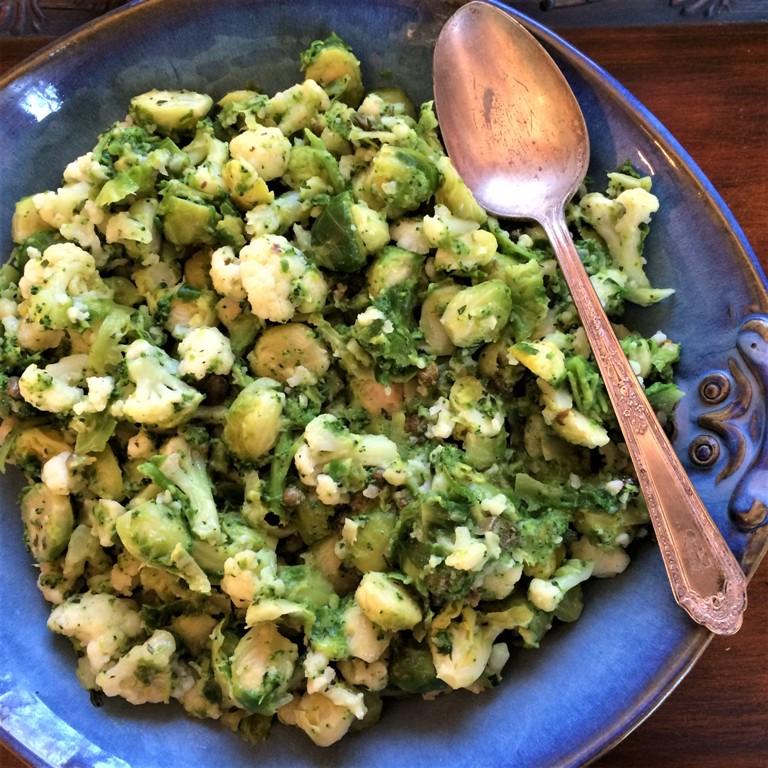
When I coached clients on slow carb diets, vegetables were consistently the hardest adjustment. Many people weren’t cooking with fresh vegetables regularly, and the “which ones are allowed” question came up constantly.
The answer matters because vegetables provide the micronutrients that protein and fat don’t. When practicing a slow carb diet however, the wrong vegetables can stall weight loss as effectively as eating bread.
The short version: non-starchy vegetables are your foundation, starchy root vegetables are mostly off the table during the fat loss phase, and a handful of common vegetables land in a grey zone worth understanding. Here’s the complete breakdown.
This post may contain affiliate links. As an Amazon Associate, I also earn from qualifying purchases. You can read our disclosure information here–
Which Vegetables Are Allowed on a Slow Carb Diet?
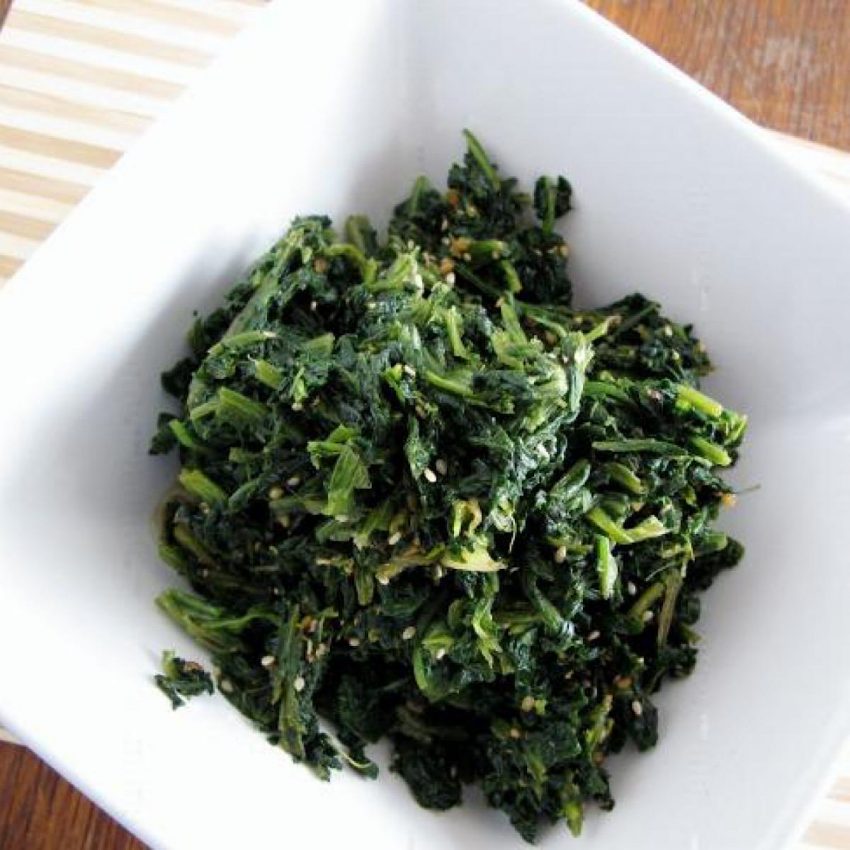
All vegetables are not created equal in the low carb world. It is primarily the non-starchy vegetables that are considered “compliant” or desirable for low carb or slow carb diet lifestyles. Most of these will apply to keto diets also.
The best options for nutrition per carb are leafy greens and cruciferous vegetables like broccoli, cauliflower, Brussels sprouts, and cabbage. These are high in fiber, vitamins, and minerals while being very low in digestible carbohydrates.
Tomatoes, peppers, and onions are allowed but contain more natural sugar, so be mindful of quantities.
Avoid potatoes, yams, corn, and most root vegetables, which are starchy and will spike blood sugar.
For a complete breakdown on what is allowed on a slow carb diet see this detailed slow carb diet food list
Slow Carb Vegetables Ranked from Lowest to Highest
This list is roughly arranged from lowest to highest carbohydrate per serving, but most are non-starchy and generally low in carbohydrates. Remember when counting carbs in vegetables that the fiber is not counted, and can be subtracted from the total.
Lowest Carb Vegetables
- Leafy Greens –spinach, chard, etc.
- Bok Choy
- Bamboo Shoots
- Celery
- Radishes
- Sea Vegetables (Nori, etc)
- Mushrooms
- Cabbage (or sauerkraut)
- Jicama
- Avocado
- Asparagus
- Okra
- Cucumbers (or pickles without added sugars)
- Green Beans and Wax Beans
- Fennel
- Cauliflower
- Broccoli
- Bell Peppers
- Chili Peppers
- Summer Squash
- Zucchini
- Brussels sprouts
- Scallions or green onions
- Snow Peas/Snap Peas/Pea Pods
- Tomatoes
- Eggplant
- Tomatillos
- Artichokes
- Turnips
- Pumpkin
- Rutabagas
- Spaghetti Squash
- Celery Root
- Carrots
- Onions
- Leeks
Vegetables to Limit or Avoid on Slow Carb
The main vegetables to be avoided when reducing carbohydrates for weight loss (distinguish weight loss from health) are the starchier and sweeter vegetables:
- Carrots (some diets flag carrots as a problem, though they are lower in carbs than others in this group)
- Beets
- Peas
- Winter Squashes, such as acorn and butternut
- Water Chestnuts
- Parsnips
- Potatoes in all forms
- Sweet Potatoes
- Corn
- Plantains
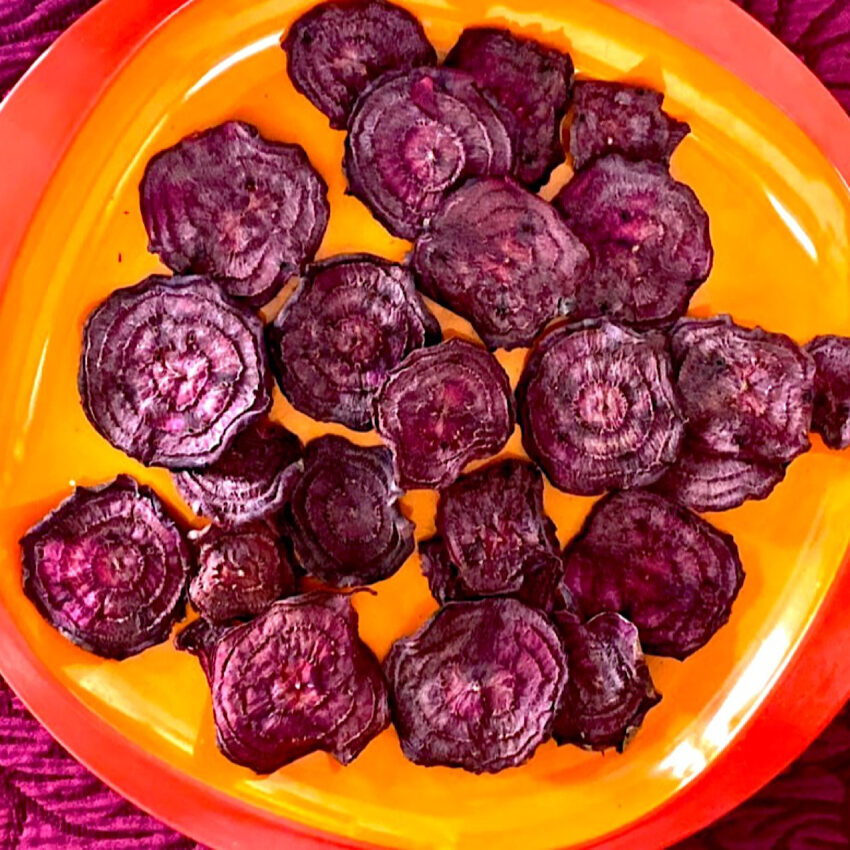
Beet chips are not considered low carb, but they are nutrient-dense and can stand in for a slow carb snack if you limit the amount. They are easy to make and have a long shelf life for a grab-and-go snack.
Are Carrots and Peas Low Carb?
These two come up more than any other specific vegetable question, so they deserve a direct answer rather than a buried mention in the ranked list.
Carrots are borderline. They’re lower in carbs than potatoes, beets, or parsnips, but higher than most other vegetables on the compliant list. A small amount as a flavoring agent in soups or stews is generally fine.
Snacking on carrots as a substitute for chips is where people run into trouble. Portion size matters more with carrots than with leafy greens. If you’re stalling on weight loss and eating carrots regularly, cut them for two weeks and see what happens.
Peas are a similar situation. Snow peas and snap peas are lower in carbs than green peas and are generally fine in moderation.
Green peas are closer to a starchy vegetable in their carb load and behave more like a legume than a vegetable on slow carb. They’re not forbidden, but they’re worth watching. If you’re using them as your primary vegetable rather than as an accent, that’s likely too many.
If you are doing meal planning or going to the grocery store, it is helpful to print out this slow carb shopping list with protein counts.
How to Identify Low Carb Vegetables Without a Chart or List
Grouping vegetables into their botanical characteristics is another, perhaps simpler, way of determining which vegetables are most compliant with a low carb, slow carb, or keto lifestyle.
One of the 16 most common mistakes on a slow carb diet is not eating enough vegetables. Slow carb is not an “all-protein” diet. You need the micronutrients that come from vegetables.
Here are the basic categories of vegetables, grouped according to carb load and insulin response (from low to high).
Leaves:
Leaves have the least amount of carbohydrate, and what little there is is wrapped in so much fiber that there is little, if any, impact on blood sugar (this could be helped by the fact that they all contain enormous amounts of vitamin K).
They are also rich in phytonutrients, vitamins and minerals. Examples: lettuce, spinach, Swiss chard, herbs. Also, alfalfa and other fresh sprouts (but once you grind up sprouts and pack them together, as in some types of bread, all bets are off, blood-sugar wise).
Stems and Flowers:
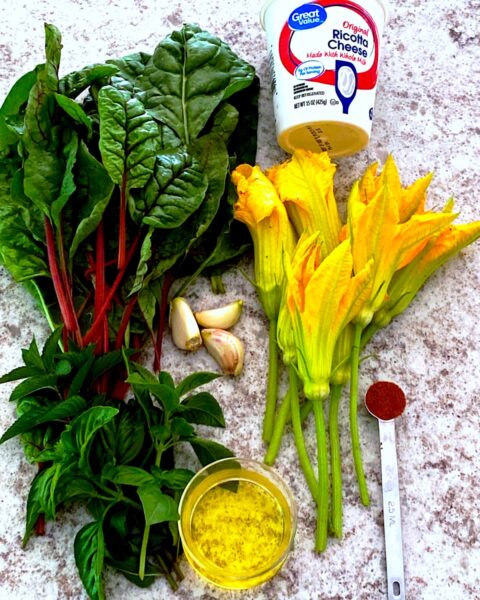
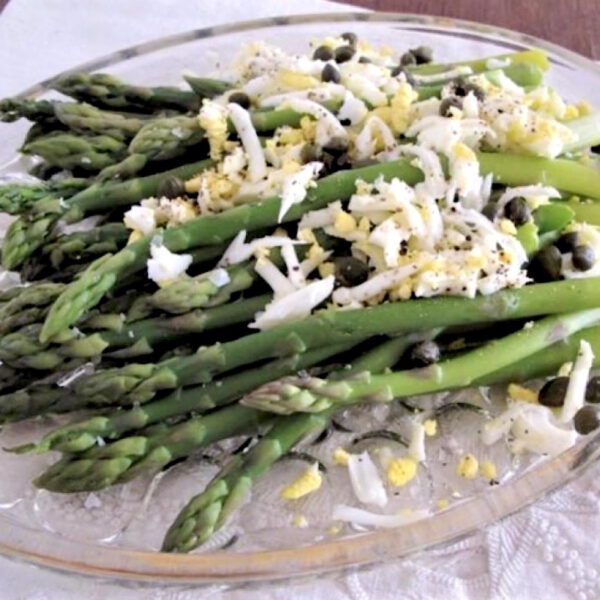
This category would be next in line for low carb veggies. This would include asparagus, cauliflower, broccoli, and maybe mushrooms.
Vegetables considered “Fruits”:
The fruit category refers to the part of the plant that contains seeds. This is botanically the fruit of the plant, although we tend to call it “fruit” only if it’s sweet.
This category includes peppers, squashes of all types, green beans, tomatoes, okra, and eggplant. Avocado is also a fruit, though lower in carbs than the others.
Roots:
Many roots are very high in carbs, such as parsnips, water chestnuts, , potatoes, sweet potatoes and yams.
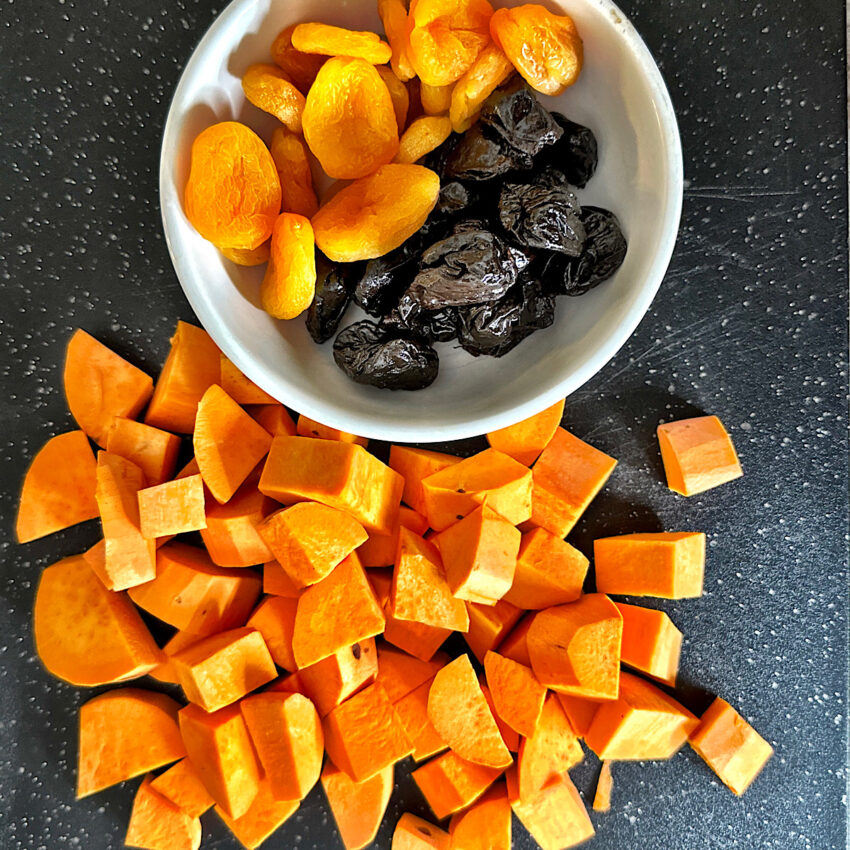
The roots that would be considered low carb vegetables would be things like jicama and radishes. Celery root (celeriac) and carrots are also “lowish”.
FAQ
Carrots are borderline. They’re lower in carbs than potatoes or beets but higher than leafy greens. Small amounts are generally fine, but some people find they stall weight loss. Experiment with your own response.
Beans are allowed on slow carb specifically because they provide calories and fiber that prevent fatigue. Keto excludes beans due to higher carb content. This is one of the key differences between the approaches.
You can eat as much as you want of leafy greens and cruciferous vegetables. Watch portions on higher-sugar vegetables like tomatoes, peppers, and onions.
Most root vegetables (potatoes, parsnips, beets) are starchy and convert quickly to glucose, spiking blood sugar and insulin. Exceptions like jicama and radishes are low in starch.
Botanically a fruit, but treated like a vegetable in cooking. Avocados are low carb and high in healthy fats, making them excellent for all low carb approaches.
Yes, jicama is one of the better root vegetables for low carb eating. Most roots are high in starch, but jicama is primarily made up of inulin, a type of fiber that doesn’t digest the same way starch does. It has a mild, slightly sweet flavor and works well raw in slaws or as a chip substitute. It’s not cruciferous, despite occasionally being grouped with those vegetables.
Spaghetti squash is the most low-carb-friendly of the winter squashes and is generally considered compliant in moderate portions. Other winter squashes (acorn, butternut) are higher in carbs and are better saved for cheat day or maintenance. If you’re using spaghetti squash as a pasta substitute, watch your portion size, as a full half squash adds up

What a beautiful web page. Your presentation is exceptional.
Thank you Joan. I appreciate the feedback!