
Quick Summary: Turn fresh chile peppers into deeply flavored smoked peppers for homemade chipotle and powdered spice blends. Covers three smoking methods for home gardeners: stovetop smoker, charcoal grill, and electric smoker. Includes tips on pepper selection, smoke times, and grinding into powder. From a farmer who sells smoked pepper spice blends at farmers markets.
Jump to: Why Smoke Peppers? | Best Peppers for Smoking | Using Fresh vs Dry Peppers | 3 Methods of Smoking | Drying after Smoking | Powders & Blends | How to Use Smoked Peppers | FAQ
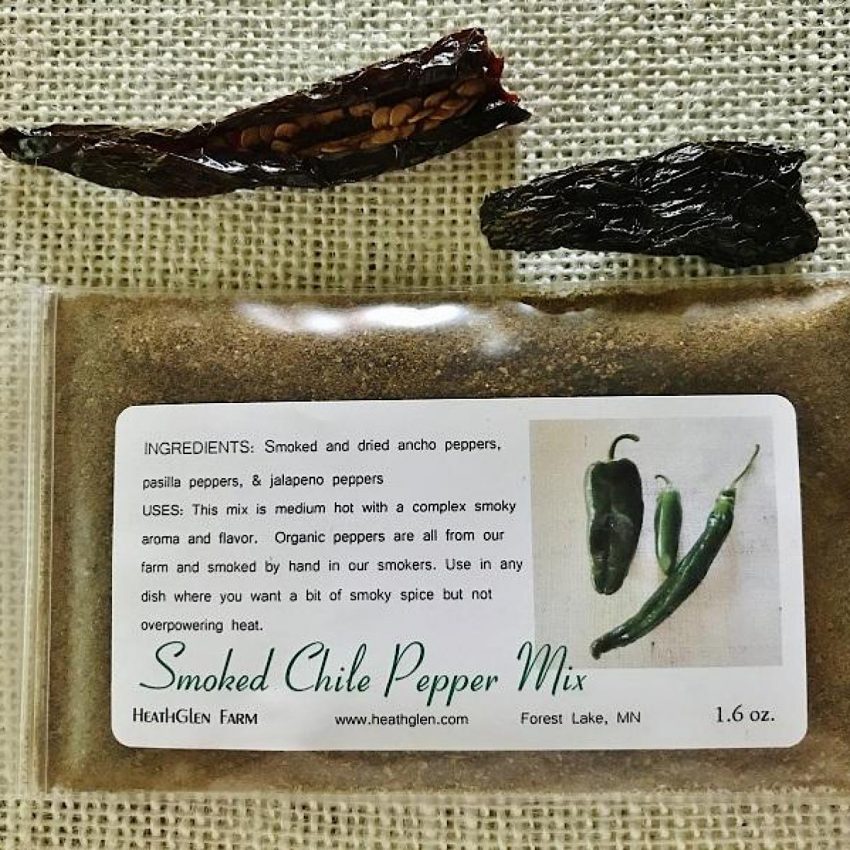
I smoke my homegrown chile peppers and use them in over 20 different spice blends that I sell at the St. Paul Farmers Market. The smoked peppers bring a depth of flavor you simply can’t get from store-bought chipotle powder. When you smoke your own chiles, you control the pepper variety, the wood type, and the smoke intensity.
If you grow chile peppers, smoking them is one of the most unique ways to preserve and intensify their flavor. A single jalapeño becomes a chipotle. A poblano becomes an ancho, and a mild Anaheim becomes something richer and more complex. Sweet peppers take on new character with smoke, resulting in smoked paprika blends.
You don’t need expensive equipment. A basic charcoal grill, a stovetop smoker, or an inexpensive electric smoker all work. Here’s how to do it at home.
This post may contain affiliate links. As an Amazon Associate, I also earn from qualifying purchases. You can read our disclosure information here–
Why Smoke Chile Peppers?
Smoking transforms chile peppers into something altogether different than the original fresh pepper. The process adds a layer of complexity that fresh or simply dried peppers don’t have: earthy, sweet, sometimes bacon-like notes depending on the wood you use.
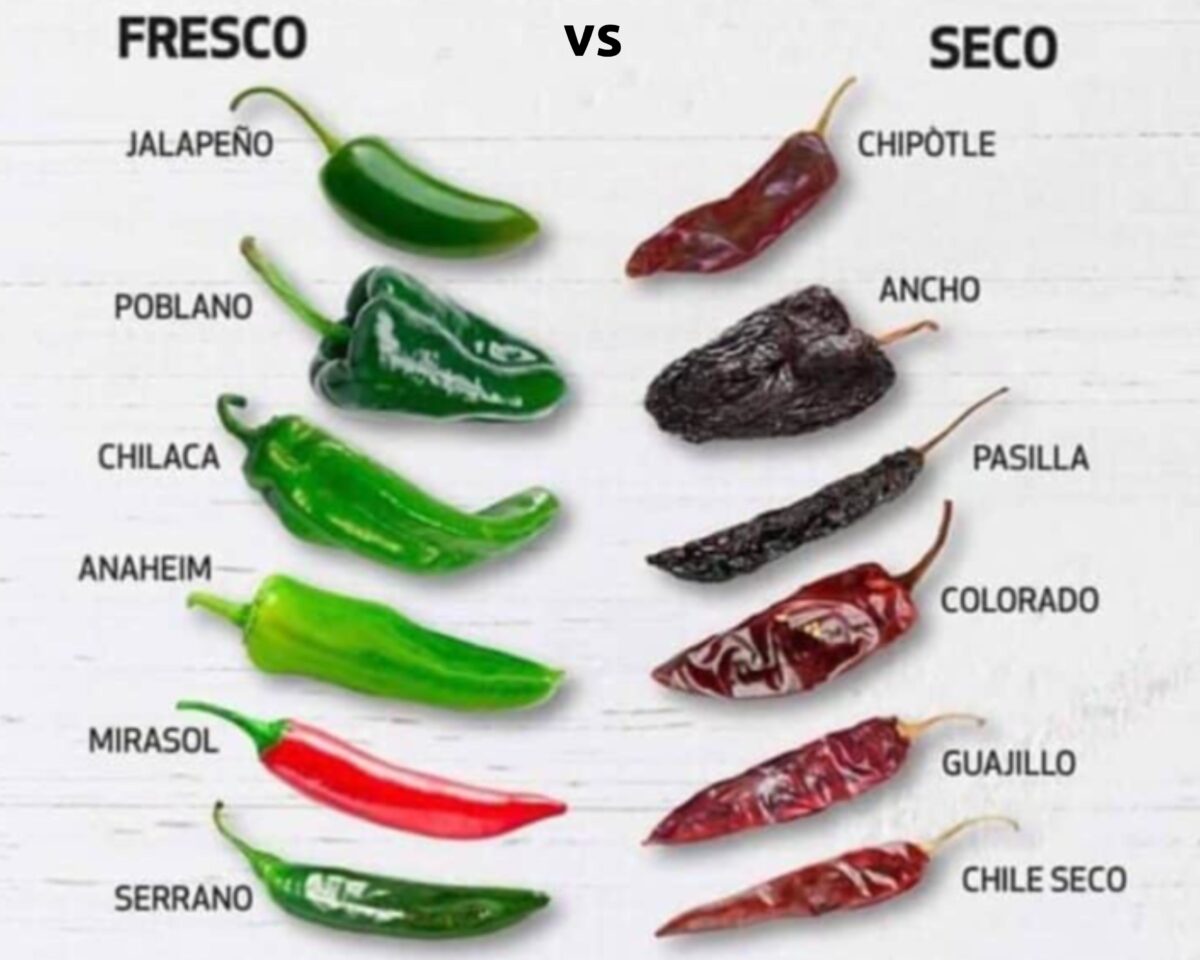
The most famous smoked pepper is the chipotle, which is simply a smoked jalapeño. But any pepper can be smoked. Anchos (dried poblanos) are sometimes smoked. Serranos take smoke beautifully. Even sweet bell peppers develop rich, savory depth when smoked and can turn into a beautiful smoked paprika.
Beyond flavor, smoking is a preservation method. Smoked and dried peppers keep for a year or more. Ground into powder, they become the base for spice blends, rubs, and sauces that taste nothing like what you’d buy in a jar.
I do a lot of cooking of Mexican cuisine, and the smoked peppers add a truly special component to Mexican recipes. Here is a catalog of over 90 Mexican recipes, many of which focus on smoked or dried peppers.
Or check out this article on the specific peppers that work best for Mexican moles.
Best Peppers for Smoking
- Jalapeños: The classic. Smoked jalapeños become chipotles. Choose ripe red jalapeños (called “jalapeño colorado”) for sweeter, fruitier chipotles, or green for more vegetal, sharper heat. Chipotles are a mainstay in making this Mexican chile oil (salsa macha).
- Poblanos: Large, mild, and meaty. Smoked poblanos have an earthy, rich flavor excellent in sauces and stews.
- Serranos: Hotter than jalapeños, they smoke well and make excellent hot powder.
- Anaheims/New Mexico chiles: Mild with thin walls. They dry quickly after smoking and make versatile powder.
- Cayennes: Thin-walled and hot. They smoke and dry fast, perfect for adding heat to blends.
- Habaneros: Intensely hot and fruity. Smoked habaneros are exceptional but require careful handling. A little goes a long way.
- Sweet peppers: Bell peppers and sweet Italian peppers take on surprising depth when smoked. Good for adding smoky flavor without heat.
General rule: Thicker-walled peppers (jalapeños, poblanos) take longer to dry after smoking. Thin-walled peppers (cayennes, Anaheims) dry faster.
Fresh Peppers vs Dried Peppers
It is best to smoke fresh peppers rather than dried. Fresh peppers absorb smoke into their flesh. Dried peppers have already lost their moisture and won’t take on smoke flavor the same way.
The process is: smoke fresh → then dry. Dry by either continuing in smoker at low heat, using a dehydrator, or air drying).
Some commercial chipotles are smoked for days over smoldering fires, simultaneously smoking and drying. At home, it’s often easier to separate the steps: smoke for a few hours to get the flavor, then finish drying in a dehydrator or low oven.
Three Methods for Smoking at Home
You don’t need a dedicated smoker. Here are three approaches from simplest to most involved:
- Stovetop smoker: Quickest setup, works indoors (with good ventilation), best for small batches.
- Charcoal grill: Uses equipment you likely already have. Requires indirect heat setup and monitoring.
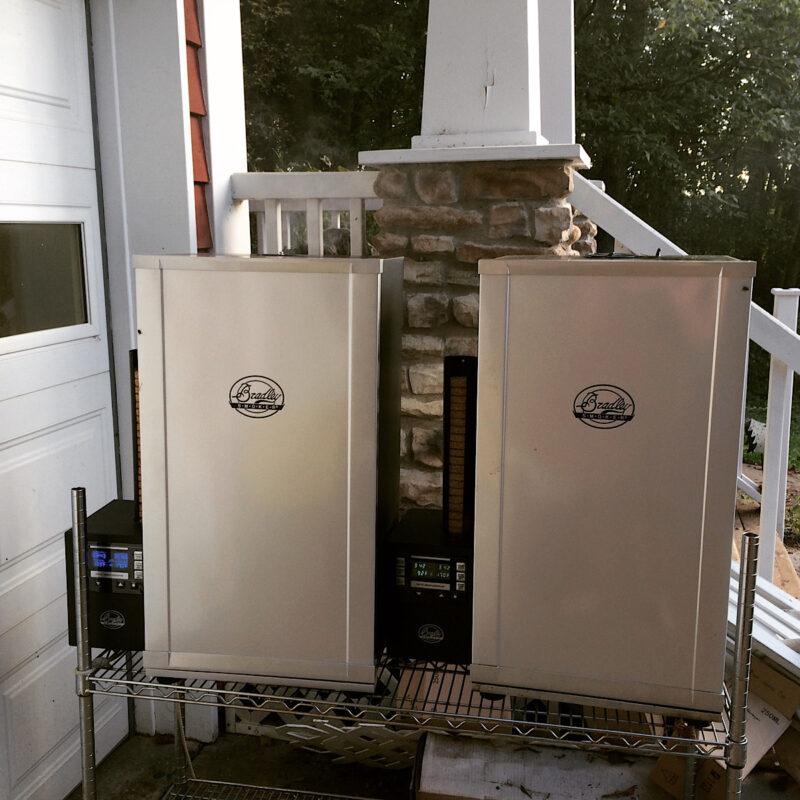
- Electric smoker: Most consistent results, hands-off once set up, handles larger batches. I used Bradley smokers for market production.
All three methods work. Choose based on what you have and how many peppers you’re processing.
Stovetop Smoker Method
A stovetop smoker is a covered pan with a rack and a small amount of wood chips in the bottom. They’re inexpensive and work for small batches.
The best wood chips for smoking Mexican chili peppers (like jalapeños for chipotles) are generally mild, nut, or fruitwoods that complement rather than overpower the peppers. Pecan is considered the traditional choice, but apple, cherry or hickory are good alternatives.
Equipment: Stovetop smoker (or improvise with a wok, rack, and foil), wood chips, ventilation (open windows, run exhaust fan).
Method:
- Place 1-2 tablespoons of fine wood chips in the bottom of the smoker.
- Set the drip tray and rack in place.
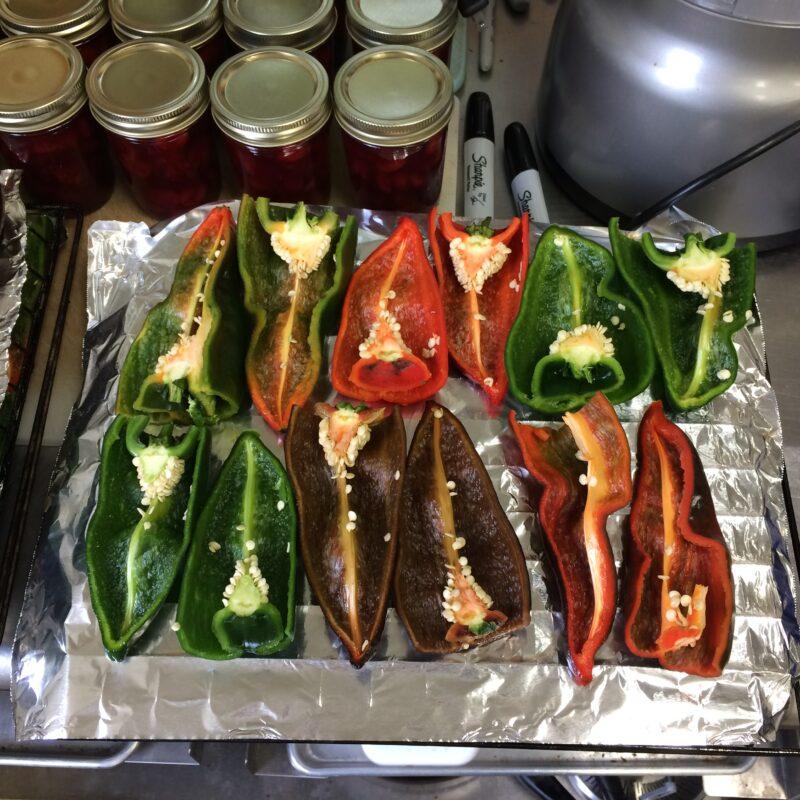
- Arrange whole peppers on the rack in a single layer. Small peppers can stay whole; cut larger peppers in half.
- Cover tightly with the lid.
- Place over medium heat until smoke begins (2-3 minutes).
- Reduce heat to low and smoke for 20-30 minutes.
- Remove from heat and let sit covered another 10 minutes.
- Peppers will be partially cooked and smoky but still moist. Finish drying in a dehydrator.
Best for: Quick smoking of small batches, apartment dwellers with good ventilation, experimenting with different woods.
Charcoal Grill Method
Any charcoal grill can become a smoker with indirect heat and a foil packet of wood chips.
Equipment: Charcoal grill with lid, charcoal, wood chips, aluminum foil, grill thermometer
Method:
- Soak wood chips in water for 30 minutes. Drain and wrap in a foil packet. Poke several holes in the top.
- Light charcoal and let burn until covered with white ash. Push coals to one side of the grill.
- Place the foil packet directly on the coals.
- Set peppers on the grate on the opposite side from the coals (indirect heat).
- Cover the grill. Adjust vents to maintain 200-225°F.
- Smoke for 1-3 hours, depending on pepper size and desired smoke intensity.
- Peppers should be softened and deeply smoky. Finish drying in a dehydrator or continue in a low oven (200°F) until leathery.
Best for: Larger batches, people who already grill regularly, getting deeper smoke flavor.
Electric Smoker Method
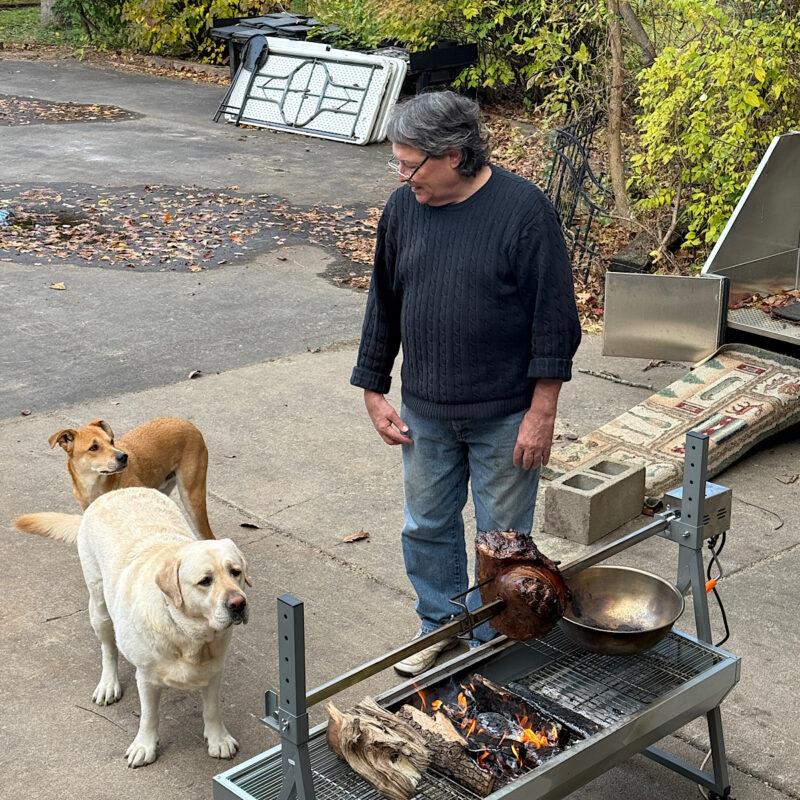
Electric smokers offer the most consistent results with the least monitoring. I used three Bradley smokers during my market production years. They’re reliable and produce excellent results.
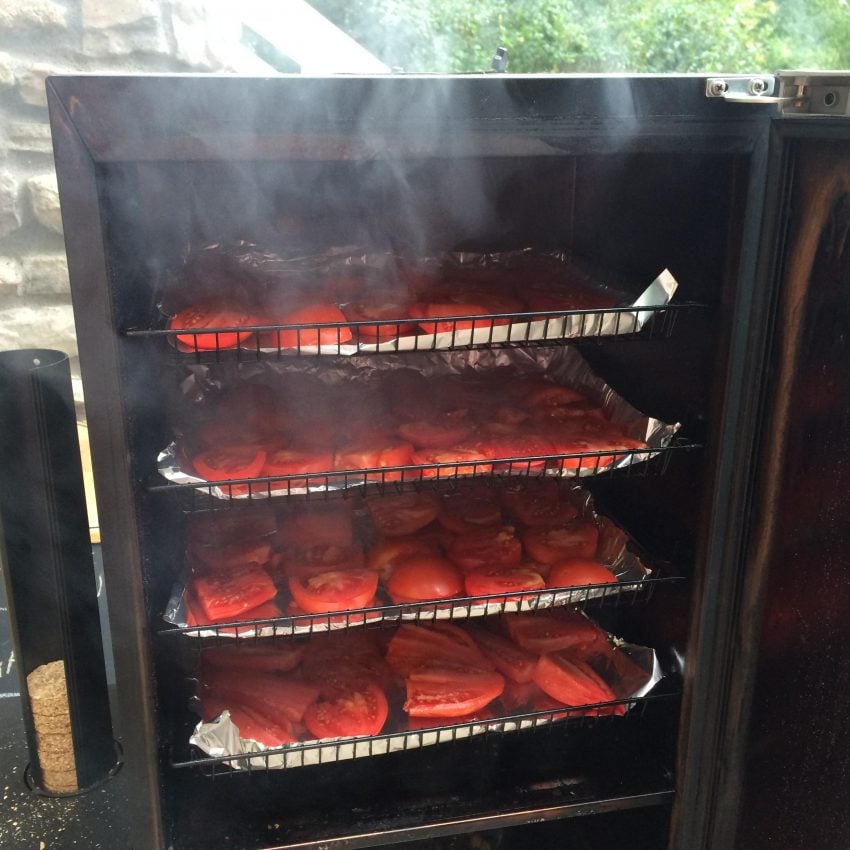
In addition to using the smokers to smoke chile peppers, I used my smokers every year to smoke tomatoes for the smoked tomato jam. My husband uses these smokers year-round for all kinds of meat, like brisket, pork butt and ribs to name a few.
Equipment: Electric smoker (Bradley, Masterbuilt, and Char-Broil are common brands), wood chips or bisquettes, grill thermometer (if your smoker’s built-in thermometer is unreliable)
Method:
- Preheat smoker to 200-225°F.
- Load wood chips or bisquettes according to your smoker’s instructions.
- Arrange peppers on racks in a single layer. Whole small peppers or halved large peppers.
- Smoke for 2-4 hours at 200-225°F. Check occasionally and rotate racks if your smoker has hot spots.
- For simultaneous smoking and drying, continue at 150-175°F for several more hours until peppers are leathery and pliable.
- Alternatively, remove after smoking and finish in a dehydrator at 135°F.
Best for: Larger batches, consistent results, hands-off operation, serious home smoking.
Drying After Smoking
Smoked peppers must be fully dried before storing or grinding. Moisture leads to mold.
Dehydrator method: Spread smoked peppers on dehydrator trays. Dry at 135°F until leathery and brittle. This can take 8-24 hours depending on pepper size and how much moisture remains after smoking.
Oven method: Spread on baking sheets. Dry at 200°F (or your oven’s lowest setting) with the door cracked slightly for airflow. Check every hour. Can take 6-12 hours.
Air drying: In dry climates, smoked peppers can finish drying on screens in a well-ventilated area. Not recommended in humid climates.
How to tell they’re done: Peppers should be leathery to brittle with no soft spots. They should snap or crumble when bent, not flex. Any flexibility means moisture remains.
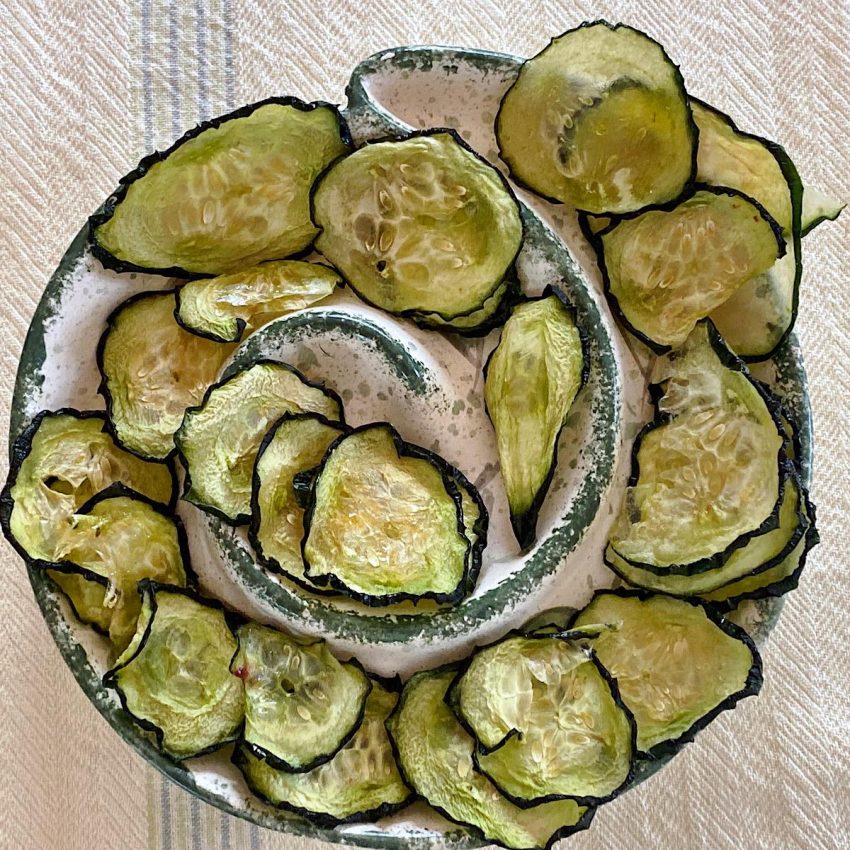
Check out this post on How to Dehydrate Salt and Vinegar Cucumber Chips to get the details on using a dehydrator or oven drying for produce.
Grinding Powders and Making Blends
Once fully dried, smoked peppers can be ground into powder for spice blends.
Equipment: Spice grinder, coffee grinder (dedicated to spices), or high-powered blender
Method:
- Remove stems. Seeds can be included (more heat) or removed (less heat, smoother powder).
- Break peppers into smaller pieces.
- Grind in batches until fine.
- Sift through a fine mesh strainer if you want very smooth powder. Return larger pieces to grinder.
Caution: Grinding hot peppers releases capsaicin into the air. Work in a ventilated area. Avoid touching your face. Some people wear a mask when grinding habaneros or other very hot peppers.
Blending: Combine smoked peppers with other dried peppers, cumin, oregano, garlic, or other spices for custom blends. A simple chipotle blend might be ground smoked jalapeños, a touch of smoked sweet pepper for body, cumin, and Mexican oregano.
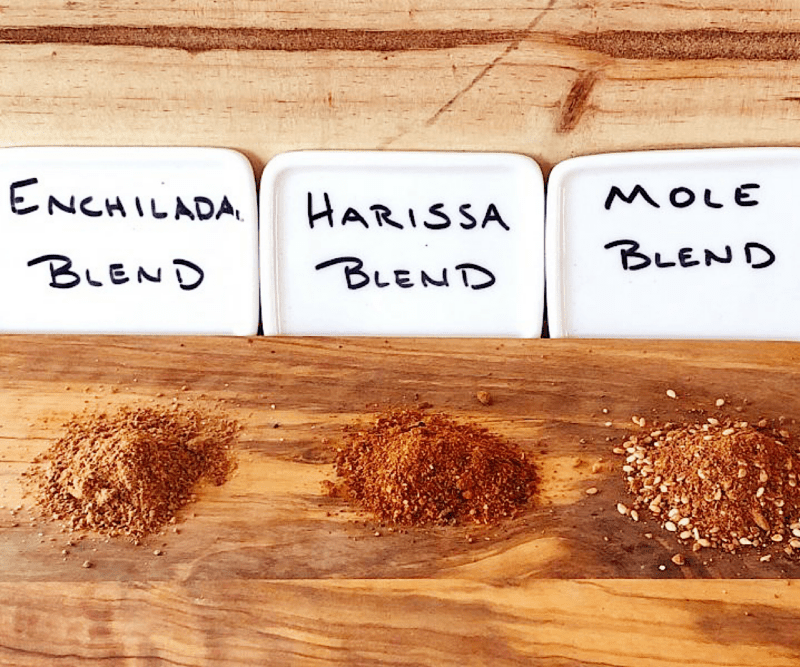
Smoked peppers are central to Mexican holiday cooking. For more celebration dishes that use these peppers, browse my Mexican celebration recipes collection.
Storing Smoked Peppers
Whole dried smoked peppers: Store in airtight containers (glass jars work best) in a cool, dark place. They’ll keep for a year or more.
Ground smoked pepper powder: Store in airtight containers away from light and heat. Best used within 6 months for peak flavor, though they remain usable longer.
Label everything: Write the pepper variety, smoke date, and wood type on the jar. You’ll forget otherwise.
Using Smoked Peppers in Cooking
Smoked peppers add a complexity that is particularly evident in Mexican cooking. Below are some specific ideas for using smoked peppers, but explore this post on best peppers (fresh, dried, or smoked) for Mexican cooking to dig deeper.
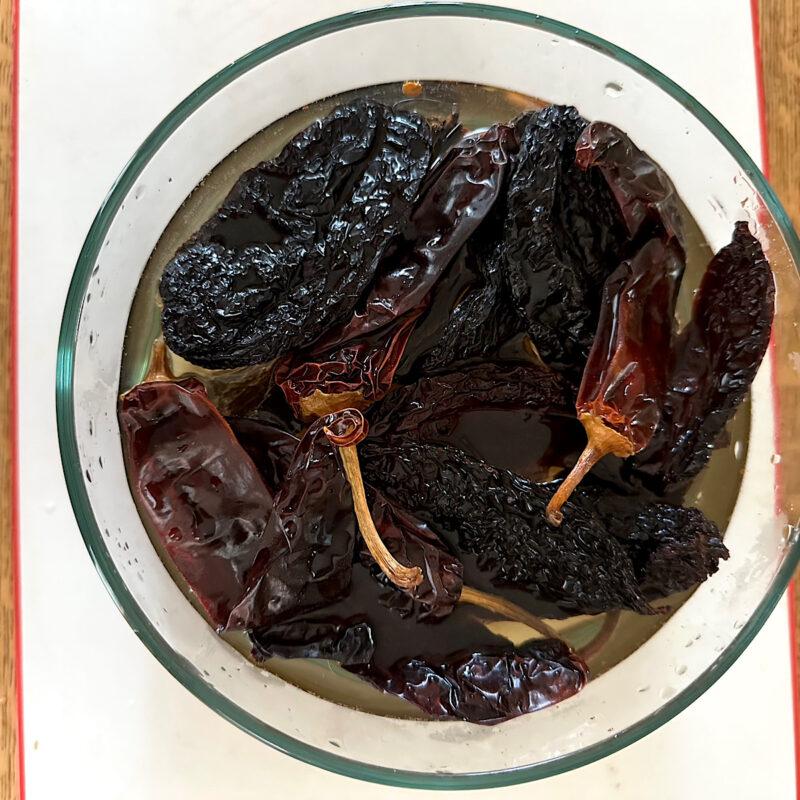
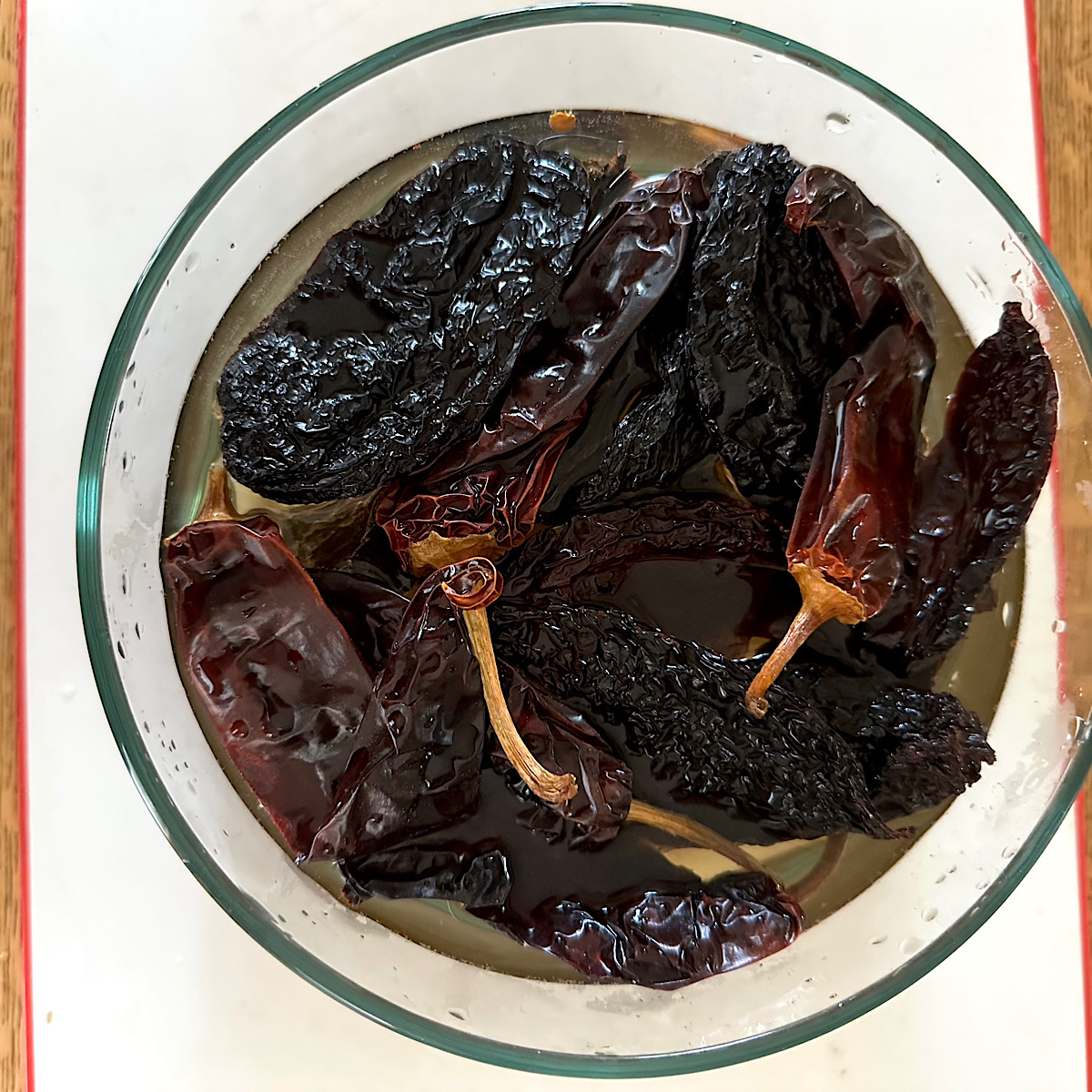
Rehydrating whole peppers: Cover with hot water and soak for 20-30 minutes until pliable. Use in sauces, stews, or blend into adobo.
Chipotles in adobo (homemade): Rehydrate smoked jalapeños, then simmer in a sauce of tomatoes, vinegar, garlic, and spices. Far superior to canned.
Smoked pepper powder: Add to rubs, chili, tacos, eggs, soups, or anywhere you want smoky heat.
Smoked tomato jam: Smoke tomatoes alongside peppers and cook down with sugar, vinegar, and spices. My market customers couldn’t get enough of this.
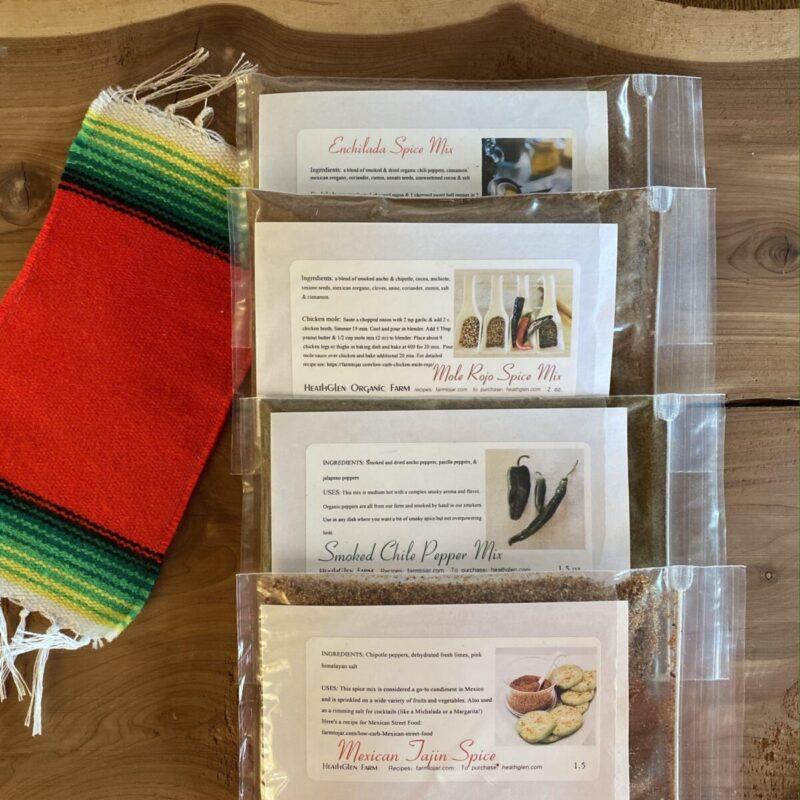
Spice blends: Combine smoked pepper powders with cumin, oregano, garlic, and other spices for custom taco seasoning, BBQ rubs, or finishing salts.
Smoked and dried chiles are the backbone of Oaxacan moles. My guide to chile peppers in traditional Oaxacan moles covers how each pepper contributes to the seven classic moles.
FAQ
Fruit woods (apple, cherry, peach) give milder, sweeter smoke. Hickory and oak are stronger and more traditional. Mesquite is intense and can overpower. I usually used apple or cherry for peppers.
For flavor, 1-3 hours is usually enough. Longer smoking intensifies the smoky taste. Traditional chipotles are smoked for days, but home smoking for 2-4 hours produces excellent results.
Yes, but it’s trickier. Use a smoker box or foil packet of chips over one burner, peppers over another (off) burner. Gas grills leak more air, so you’ll get lighter smoke flavor.
Small peppers (jalapeños, serranos) can stay whole. Large peppers (poblanos, bells) smoke more evenly when halved. Cutting also speeds drying time.
Chipotle specifically refers to smoked jalapeños. The same smoking process applied to other peppers creates smoked anchos, smoked serranos, etc. Only smoked jalapeños are properly called chipotles.
Yes. A foil packet of chips on a charcoal grill works. In a pinch, people have improvised with a wok, rack, and tight-fitting lid on a stovetop. The key is containing smoke around the peppers.
Yes. I sold smoked pepper spice blends at the St. Paul Farmers’ Market for many years. The key is consistency: use the same pepper varieties, wood type, and smoke time for each batch. Label with ingredients, net weight, and your farm name. Check your state’s cottage food laws for any labeling requirements.
Small glass jars with tight-fitting lids, away from light and heat. Label with the blend name, ingredients, date, and pepper varieties. Ground blends are best within 6 months for peak flavor. Whole dried smoked peppers keep a year or more.
Smoked Chile Peppers
Equipment
- Smoker (stovetop, charcoal grill, or electric)
- Wood chips (apple, cherry, hickory, or oak)
- Dehydrator (for finishing
- Spice grinder (if making powder)
Ingredients
- Fresh chile peppers any variety: jalapeños for chipotle, poblanos, serranos, etc.
- Wood chips for smoking
Instructions
- Prepare peppers: Wash and dry peppers. Leave small peppers whole; halve larger peppers. Remove stems if desired (or leave attached for handling).
- Set up smoker: Preheat to 200-225°F. Add wood chips according to your equipment type.
- Smoke peppers: Arrange in single layer on racks. Smoke for 2-4 hours until deeply colored and aromatic. Peppers will soften.
- Dry peppers: Transfer to dehydrator at 135°F. Dry for 8-24 hours until leathery to brittle with no soft spots.
- Store or grind: Store whole in airtight jars, or grind into powder using a spice grinder.
Notes
- Thicker-walled peppers take longer to dry than thin-walled.
- Fully dried peppers should snap or crumble, not bend.
- When grinding hot peppers, work in a ventilated area and avoid touching your face.
- Smoked pepper powder keeps 6+ months in airtight containers away from light.