
Quick Summary: Oaxaca is known as the land of seven moles, each built on specific dried chile peppers. This guide covers the peppers that define each traditional mole, how they differ from simplified US restaurant versions, and how to start making authentic moles at home with accessible ingredients. Read time: 12 min
Jump to: What is Mole? | 7 Oaxacan Moles | Dried Chiles | US Moles | DIY Moles | FAQ
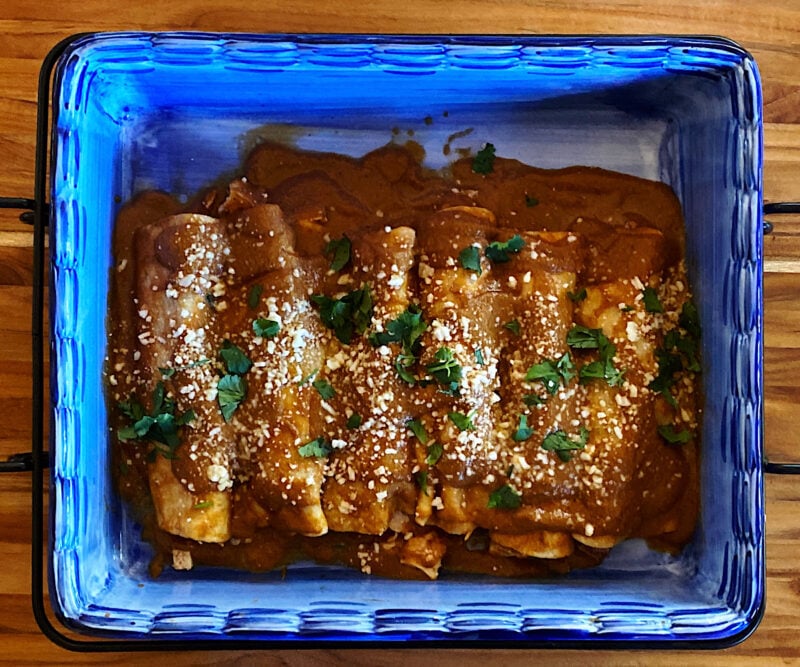
At Heathglen Farm, I grow many of the chile peppers used in traditional Mexican moles. With the help of mi amiga from Mexico and a mole cooking class in Oaxaca through Les Dames d’Escoffier International, I’ve learned how Oaxacan cooks build these complex sauces.
Mole is often misunderstood in the US as “chocolate sauce for chicken,” but that description misses the point entirely. Real mole is a chile sauce. The chocolate (when present) is a background note, not the star. The peppers are everything. Oaxaca, in southern Mexico, is famous for its seven (or eight, depending on who’s counting) mother moles, each defined by specific chile combinations. Here’s what you need to know about the peppers that make authentic mole.
This post may contain affiliate links. As an Amazon Associate, I also earn from qualifying purchases. You can read our disclosure information here–
What Is a Mole?
Mole (pronounced MOH-lay) is a complex sauce that defines Mexican cuisine at its most celebratory. The word comes from the Nahuatl “molli,” meaning sauce or concoction. Unlike simple salsas, moles involve dozens of ingredients, ground together and cooked slowly to develop deep, layered flavors.
Most moles combine dried chiles, nuts or seeds, spices, and often chocolate, though the specific combination varies dramatically by region and family tradition.
What Makes Oaxacan Moles Unique?
Oaxaca is called “the land of seven moles” for good reason. While other Mexican states have their signature moles (Puebla’s mole poblano is perhaps the most famous nationally), Oaxaca developed an entire family of distinct moles, each with its own color, flavor profile, and traditional use.
The seven Oaxacan moles represent different occasions, ingredients, and techniques, all rooted in the indigenous Zapotec and Mixtec culinary traditions combined with Spanish colonial influences.
What distinguishes Oaxacan moles is their diversity and specificity. In Oaxaca, you don’t just make “mole,” you make mole negro for celebrations, rojo for everyday meals, amarillo for weekday dinners, coloradito for family gatherings, chichilo for funerals, manchamanteles for fruit-forward occasions, and verde for its fresh, bright character.
Each has its place in the culinary calendar.
Oaxacan moles are defined by their complexity. A single mole might use four to six different dried chiles, each contributing a distinct flavor layer. The chiles are toasted, soaked, and ground along with spices, nuts or seeds, dried fruit, and sometimes chocolate or bread for body.
The process takes hours. Traditional cooks toast each ingredient separately to control the flavor, grind everything by hand on a metate (stone grinding slab), and simmer the sauce until the oils separate and the flavors meld.
This is not a weeknight dinner sauce. Mole is celebration food—made for weddings, funerals, holidays, and community gatherings. The time investment is part of its significance.
The Seven (or Eight) Moles of Oaxaca
Oaxaca is called “la tierra de los siete moles” (the land of seven moles). Different sources count differently, but these are the traditional Oaxacan moles:
Mole Negro (Black Mole):
The most complex and revered. Deep black color from charred chiles and chocolate. Uses chilhuacle negro, mulato, pasilla negro, and sometimes chipotle. Rich, slightly sweet, with layers of spice.
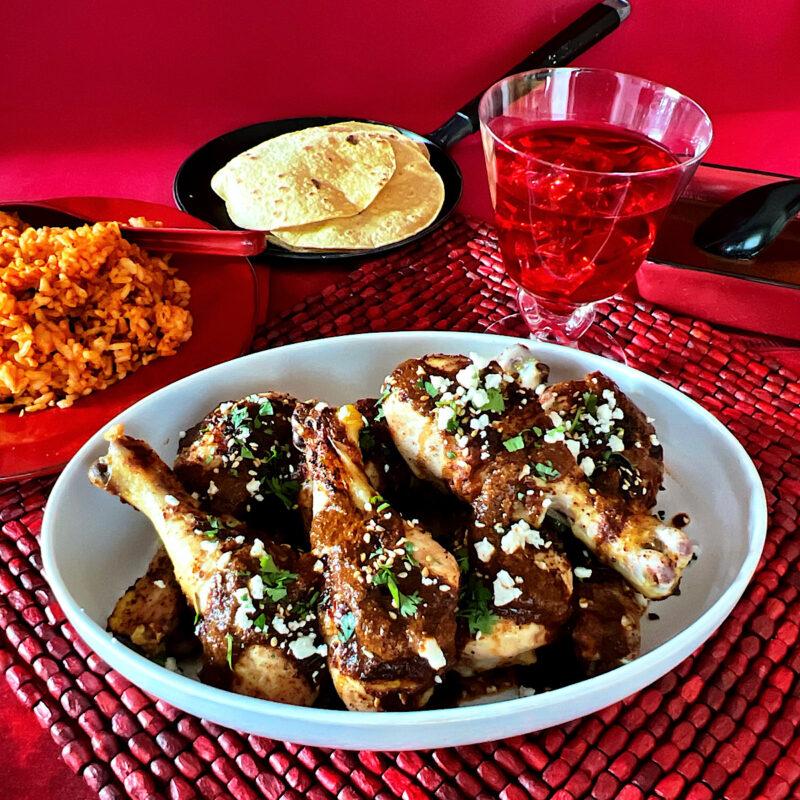
Mole Rojo (Red Mole):
Bright red from ancho and guajillo chiles. Less sweet than negro, more straightforward chile flavor. Often served with chicken or pork. I have a simplified mole rojo recipe using a homemade spice blend that gets close to traditional in under an hour.
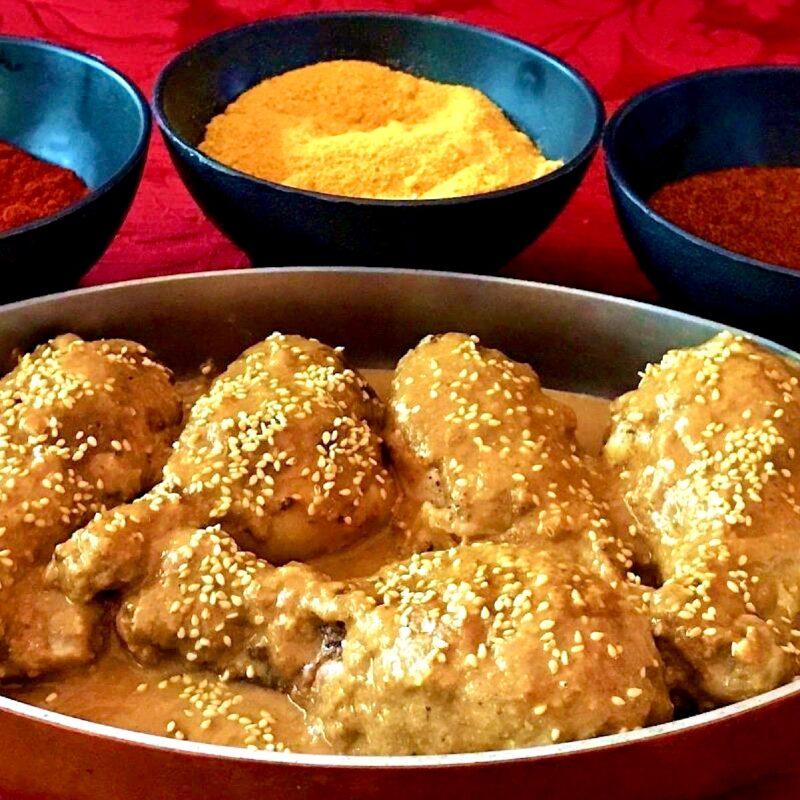
Mole Coloradito (Little Red Mole):
Lighter and sweeter than mole rojo. Uses ancho chiles primarily, with chocolate and piloncillo (unrefined sugar). Brick-red color. My mole coloradito recipe includes both the traditional method and a spice blend shortcut, plus quesadillas.
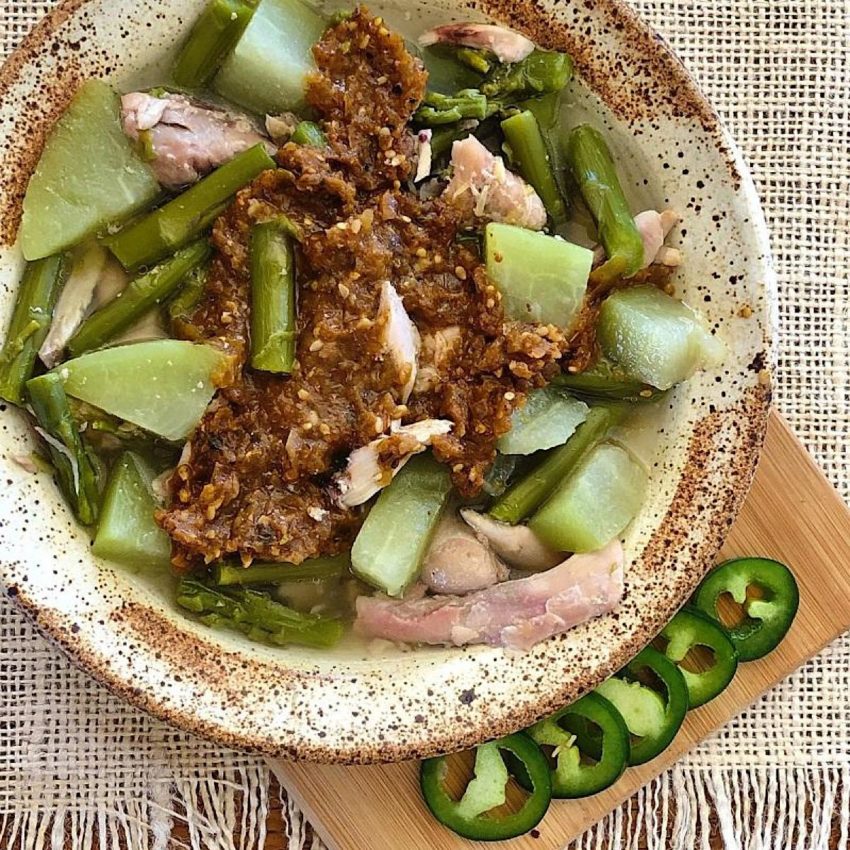
Mole Amarillo (Yellow Mole):
Uses fresh yellow chiles (chilhuacle amarillo or guero) along with dried chiles. Lighter, tangier flavor. Often served with chicken and vegetables in a stew-like preparation.
I have two approaches: a spice blend version and a traditional version with chayote.
Mole Verde (Green Mole):
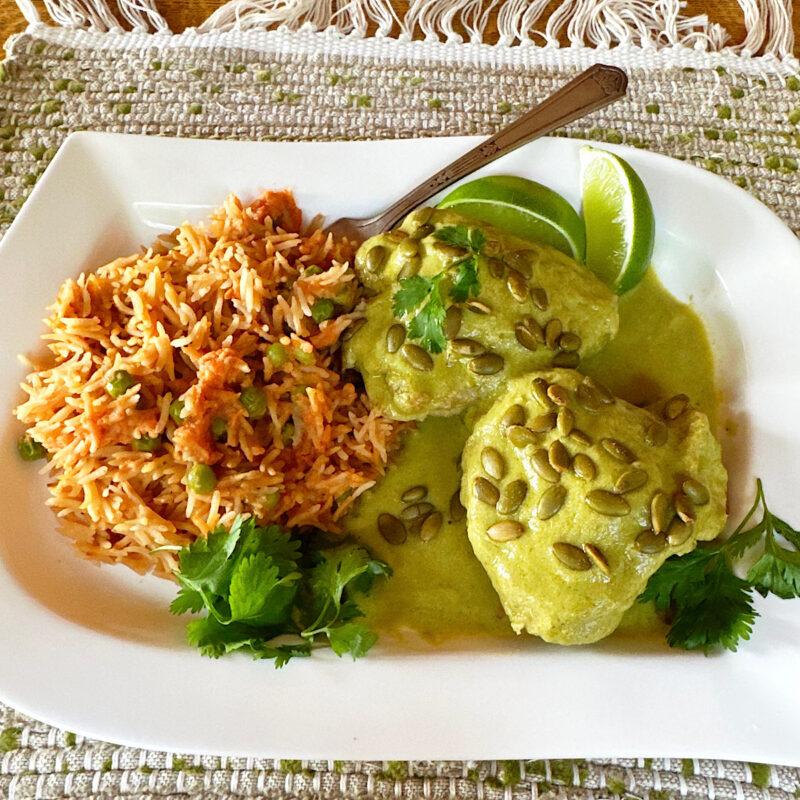
Made with fresh green ingredients: tomatillos, pepitas (pumpkin seeds), hoja santa, cilantro, and green chiles like jalapeño or serrano. No dried chiles. Bright, herbal flavor.
For mole verde/pipián: Try this chicken pipián verde as an entry point to the mole family.
Mole Chichilo:
Dark, almost black. Uses chilhuacle negro and pasilla oaxaqueño, plus avocado leaves for a subtle anise note. Thinner than negro, often served as more of a broth with beef.
Manchamanteles (Tablecloth Stainer):
Fruity mole with pineapple, plantain, and apple along with ancho and guajillo chiles. The name refers to its tendency to stain everything it touches.
Mole Almendrado:
Almond-based mole, lighter colored, often grouped with the seven or considered an eighth variety.
Essential Dried Chiles for Oaxacan Moles
These are the chiles that define traditional Oaxacan moles:
- Chilhuacle Negro Heat: Mild (1,000-2,000 Scoville) Flavor: Fruity, prune-like, with tobacco and licorice notes Uses: Mole negro (essential), mole chichilo Notes: This is THE mole pepper. Large, wrinkled, deep brownish-black. Difficult to find outside Mexico and specialty stores. No real substitute captures its flavor.
- Chilhuacle Rojo Heat: Mild (1,000-2,000 Scoville) Flavor: Fruity, cherry-like, slightly tangy Uses: Mole rojo, mole coloradito Notes: Same pepper family as negro but ripened red. Adds brightness to red moles.
- Chilhuacle Amarillo Heat: Mild (1,000-2,000 Scoville) Flavor: Citrusy, slightly sweet Uses: Mole amarillo Notes: Yellow variety of chilhuacle. Often used fresh rather than dried in mole amarillo.
- Mulato Heat: Mild (1,000-2,000 Scoville) Flavor: Chocolate, tobacco, dried cherry, slight smokiness Uses: Mole negro, mole poblano (Puebla-style) Notes: Dried poblano from a specific variety that ripens brown rather than red. Sweeter and smokier than ancho. Essential for black moles.
- Pasilla Negro (Chile Negro) Heat: Mild to medium (1,000-4,000 Scoville) Flavor: Earthy, herbal, berry-like, hints of licorice Uses: Mole negro, mole chichilo, table salsas Notes: Long, thin, very dark. Part of the “holy trinity” of mole peppers with ancho and mulato.
- Pasilla Oaxaqueño (Pasilla de Oaxaca) Heat: Medium to hot (4,000-10,000 Scoville) Flavor: Smoky, fruity, complex Uses: Mole chichilo, mole negro Notes: A smoked chile unique to Oaxaca. Not the same as regular pasilla. Adds smokiness without the chipotles flavor.
- Ancho Heat: Mild (1,000-2,000 Scoville) Flavor: Sweet, raisin-like, hints of plum and chocolate Uses: Mole coloradito, mole rojo, mole poblano Notes: Dried red poblano. The most commonly available mole pepper. Provides sweetness and body.
- Guajillo Heat: Mild to medium (2,500-5,000 Scoville) Flavor: Tangy, slightly fruity, hint of green tea Uses: Mole rojo, enchilada sauces, adobo Notes: The everyday dried chile. Adds bright red color and clean chile flavor.
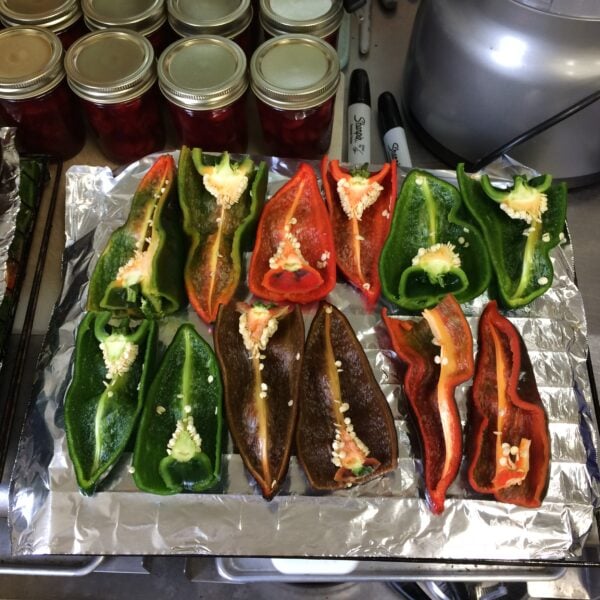
For a broader look at how these and other dried peppers are used across all types of Mexican cooking, see my guide to chile peppers in traditional Mexican cooking.
How US Restaurant Moles Differ from Traditional
Most mole served in US Mexican restaurants is a simplified version, often made from commercial paste or powder. Here’s what’s typically different:
Fewer chile varieties: Traditional mole negro might use five or six different chiles. US restaurant versions often use one or two (usually ancho and guajillo) or commercial chile powder.
More chocolate, less complexity: American palates associate mole with chocolate, so restaurants often increase the chocolate while reducing the chile complexity. Traditional mole has chocolate as a subtle background note, not a dominant flavor.
Thickened differently: Traditional moles get body from ground nuts, seeds, bread, or tortillas. Shortcuts use flour, cornstarch, or commercial thickeners.
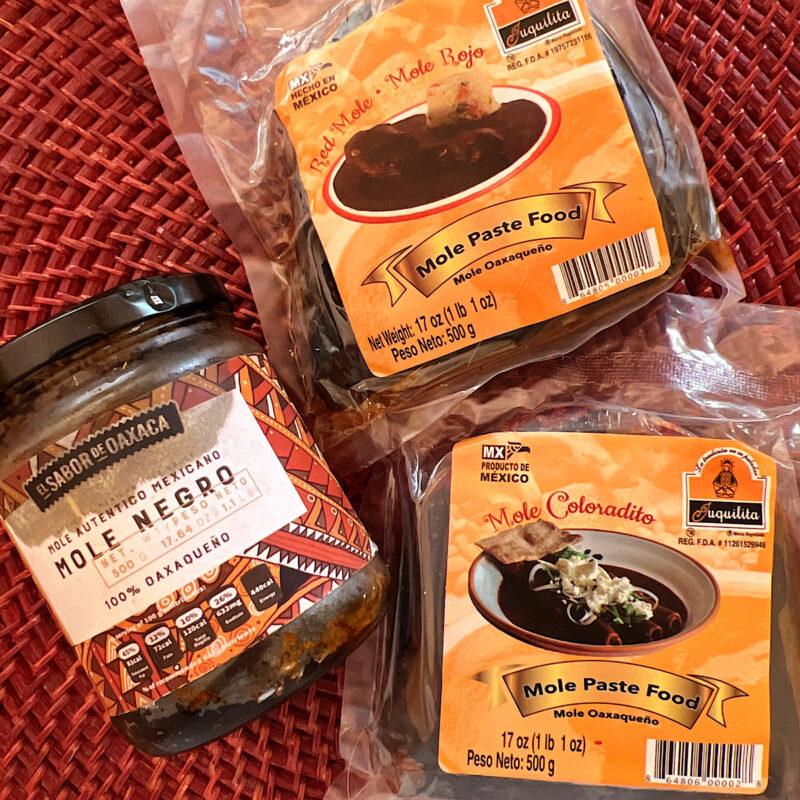
Made from concentrate: Many restaurants use jarred mole paste (like Doña Maria brand) as a base, then thin and adjust. This isn’t necessarily bad—some paste brands are decent—but it’s not the same as grinding from scratch.
Single sauce for everything: Traditional Oaxacan cooking matches specific moles to specific dishes. US restaurants typically offer one “mole” regardless of the protein.
Missing regional chiles: Chilhuacle, the defining chile of Oaxacan mole negro, is rarely used in US restaurant moles because it’s expensive and hard to source. This single substitution changes the flavor profile significantly.
Can You Make Authentic Mole at Home?
Yes, but with caveats.
- Start with mole rojo or coloradito. These use easier-to-find chiles (ancho, guajillo, mulato) and are more forgiving. Save mole negro for when you’ve developed your technique and sourced chilhuacles.
- Source real chiles. Online retailers like MexGrocer, Gourmet Sleuth, and some Amazon vendors carry chilhuacles and pasilla oaxaqueño. Mexican grocery stores in larger cities sometimes stock them. The chiles matter more than any other ingredient.
- Toast everything separately. Chiles, spices, nuts, and seeds all toast at different rates. Toasting in batches and grinding together gives you control over flavor development.
- Accept the time commitment. A proper mole takes 3-6 hours. There are no real shortcuts that preserve authenticity. If you want quick, use a quality commercial paste and doctor it.
- Make a big batch. Mole freezes beautifully. Make enough for multiple meals and freeze in portions.
Where to Find Oaxacan Chiles
Chilhuacles and pasilla oaxaqueño are the hardest to source. Here are options:
Online specialty retailers:
- MexGrocer.com
- Gourmet Sleuth
- Amazon (check seller ratings and reviews)
Local sources:
- Mexican grocery stores in larger cities
- Latin American markets
- Some specialty spice shops
Grow your own: Chilhuacle seeds are available from specialty seed companies. The plants need a long, warm growing season (similar to habaneros). I grow them at Heathglen Farm, but they’re slower and lower-yielding than more common varieties.
FAQ
Mole is a complex sauce made from multiple toasted and ground chiles, spices, nuts or seeds, and sometimes chocolate. Enchilada sauce is simpler, usually just dried chiles simmered with garlic and spices. Mole takes hours; enchilada sauce takes 30 minutes.
No. Mole negro, mole coloradito, and mole poblano typically include chocolate. Mole verde, mole amarillo, mole chichilo, and manchamanteles often don’t. When chocolate is present, it’s a subtle background note, not a dominant flavor.
There’s no perfect substitute. A combination of ancho (for sweetness) and mulato (for smokiness) gets you partway there, but the distinctive fruity, tobacco notes of chilhuacle will be missing. For learning, this works. For authenticity, source the real thing.
Most traditional moles are mild to medium. The chiles used (chilhuacle, ancho, mulato, pasilla) are flavorful but not hot. Mole is about complexity, not heat. You can add heat with chile de árbol or chipotle if desired
Refrigerated, mole keeps 1-2 weeks. Frozen, it keeps 3-6 months. The flavor often improves after a day or two as the ingredients meld.
Most restaurants use commercial paste or simplified recipes to save time. Authentic mole is labor-intensive—not practical for restaurant service. The best restaurant moles come from places that specialize in Oaxacan cuisine and make mole in-house.