
Quick Summary: The essential Mexican chile peppers for traditional cooking, from a farmer who grows over 30 varieties. Fresh peppers for salsas and stuffing, dried peppers for moles and adobo sauces, the mole pepper trinity, and practical substitutions when you can’t find what you need. Includes spice blends I build from these peppers at Heathglen Farm.
Jump to: Fresh Peppers | Dried Peppers | Mole Peppers | Growing | Storing | FAQ
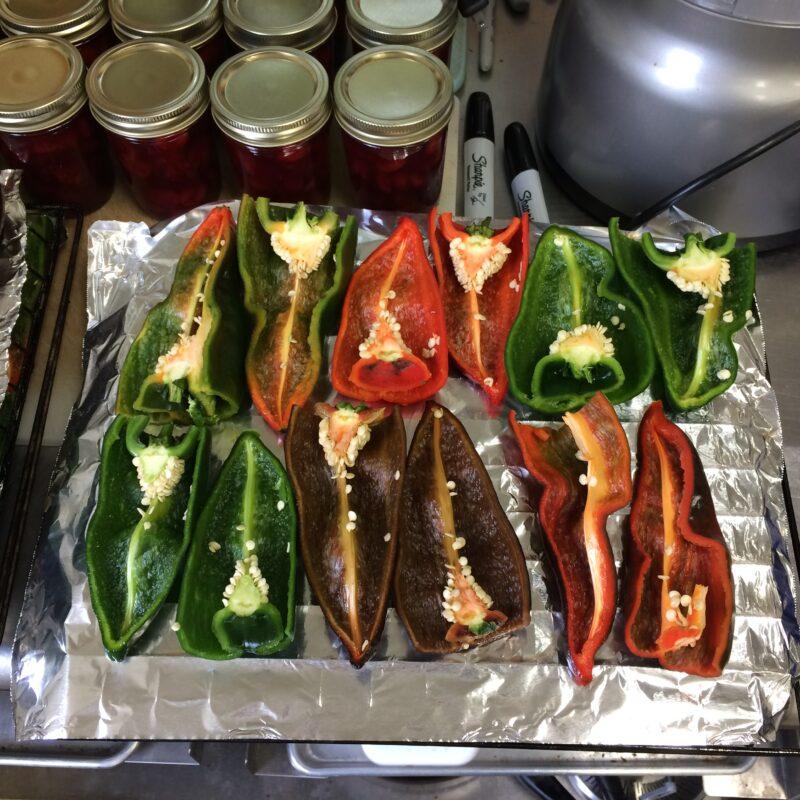
At Heathglen Farm, I grow over 30 chile pepper varieties specifically for Mexican cooking, some of which I dry and smoke and then sell at the St. Paul Farmers’ Market. When customers ask where to start, I tell them the same thing: you don’t need every pepper, just understand the core varieties used in Mexican cooking.
Mexican cuisine relies on specific chiles for specific dishes, and while you can substitute in for certain peppers, substituting randomly doesn’t work as well as it might in other cuisines. Here’s the essential guide to the peppers that matter most.
This post may contain affiliate links. As an Amazon Associate, I also earn from qualifying purchases. You can read our disclosure information here–
Why Do Pepper Varieties Matter in Mexican Cooking?
In Mexican cuisine, peppers aren’t interchangeable. Each variety has a distinct flavor profile, heat level, and traditional use. A mole made with guajillo tastes completely different from one made with ancho, even though both are mild dried peppers.
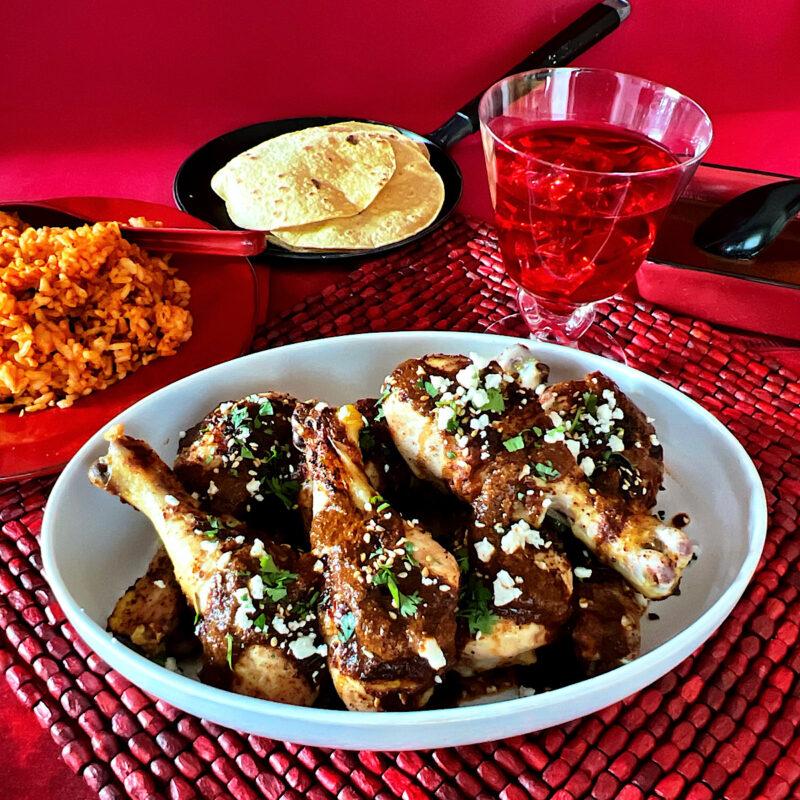
Fresh and dried versions of the same pepper also behave differently. A fresh poblano is grassy and mild, used for chiles rellenos. Dried, it becomes an ancho, which is sweet, fruity, and the backbone of mole sauces. The drying process transforms the flavor.
Mexican cooks choose peppers the way French cooks choose wines for sauces. The pepper isn’t just adding heat; it’s providing the foundational flavor of the dish.
Having the right peppers on hand is half the battle. For the full list of dried chiles, spices, and pantry staples worth stocking, here’s a Mexican pantry guide for everyday cooking and celebrations.
Essential Fresh Peppers for Mexican Cooking
These are the fresh peppers you’ll use most often in Mexican cooking:
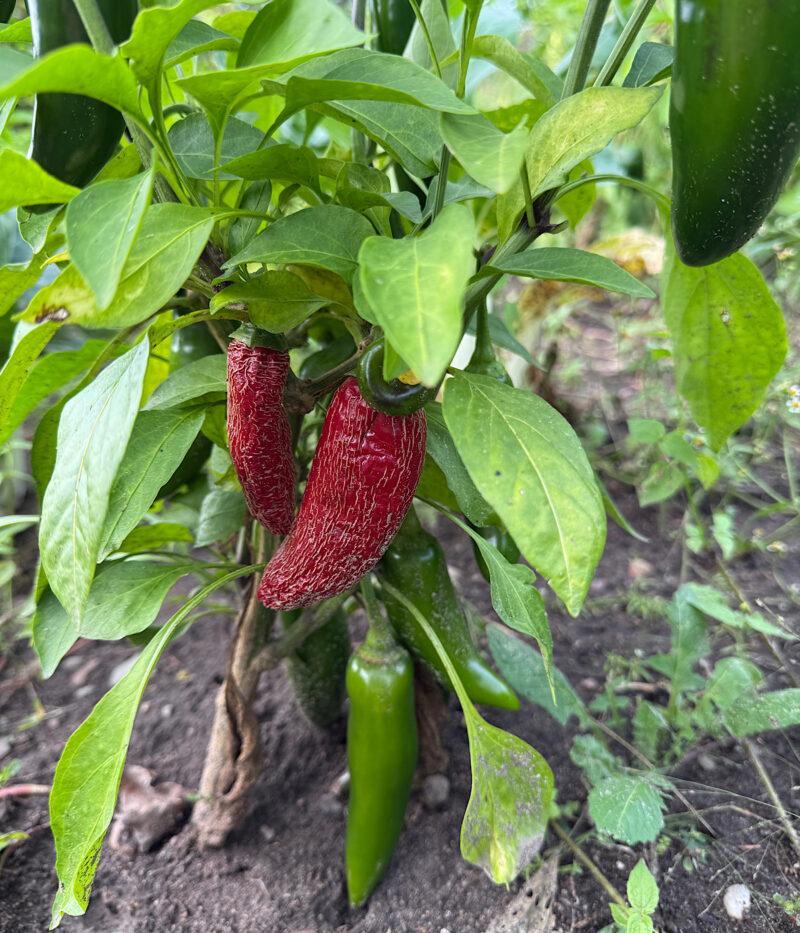
Jalapeño Heat: Medium (2,500-8,000 Scoville) Flavor: Bright, grassy, slightly vegetal Uses: Salsas, pickled (en escabeche), nachos, stuffed Notes: The most widely available Mexican pepper. Green jalapeños are standard; red ones are riper and slightly sweeter. When smoked and dried, jalapeños become chipotles.
Serrano Heat: Hot (10,000-25,000 Scoville) Flavor: Crisp, bright, clean heat Uses: Fresh salsas, pico de gallo, guacamole Notes: Hotter than jalapeños with a sharper, more immediate heat. Preferred when you want heat without the vegetal jalapeño flavor. Doesn’t need to be seeded for most uses.
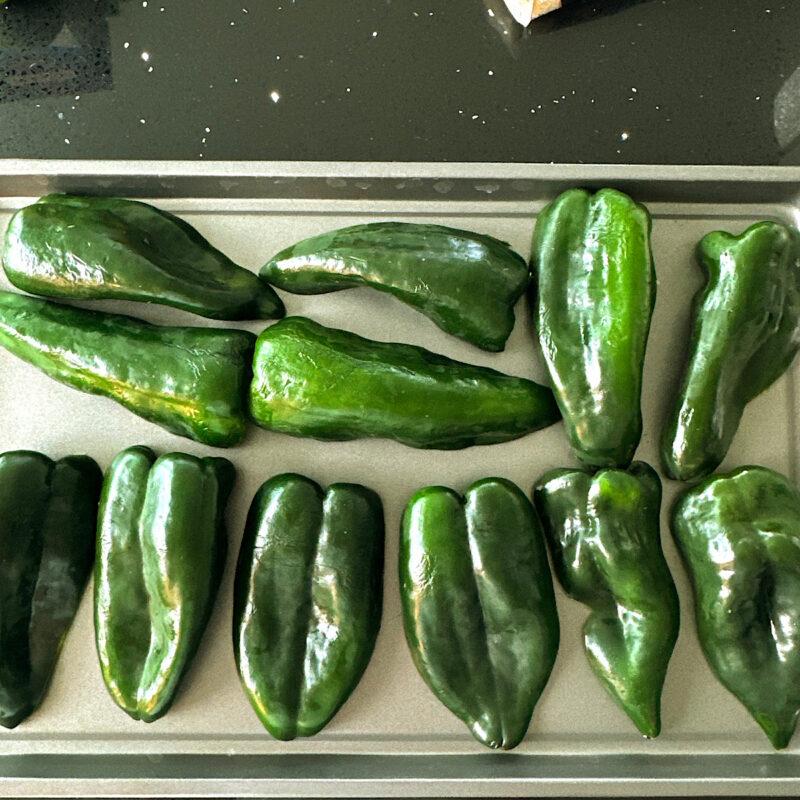
Poblano Heat: Mild (1,000-2,000 Scoville) Flavor: Earthy, slightly smoky, rich Uses: Chiles rellenos, rajas, creamy sauces Notes: The large, dark green pepper used for stuffing. Roast and peel before using. Heat varies—occasionally you get a spicy one. When dried, becomes ancho.
Habanero Heat: Very hot (100,000-350,000 Scoville) Flavor: Fruity, tropical, floral Uses: Yucatecan cuisine, hot sauces, ceviches Notes: Distinctive fruity flavor beneath the intense heat. Essential for Yucatan-style dishes. A little goes a long way. Orange is most common; other colors exist.
Fresno Heat: Medium (2,500-10,000 Scoville) Flavor: Fruity, slightly smoky Uses: Salsas, ceviche, anywhere you’d use red jalapeño Notes: Often confused with red jalapeños. Fresnos have thinner walls and fruitier flavor. Good substitute when recipe calls for red jalapeño.
Essential Dried Peppers for Mexican Cooking
Dried peppers are the soul of Mexican sauces. Stock these:
Guajillo Heat: Mild to medium (2,500-5,000 Scoville) Flavor: Tangy, slightly fruity, hint of berry Uses: Red sauces, enchilada sauce, adobo, birria Notes: The workhorse dried pepper. Deep red color, smooth skin, mild heat. Forms the base of countless red sauces. Often paired with ancho.
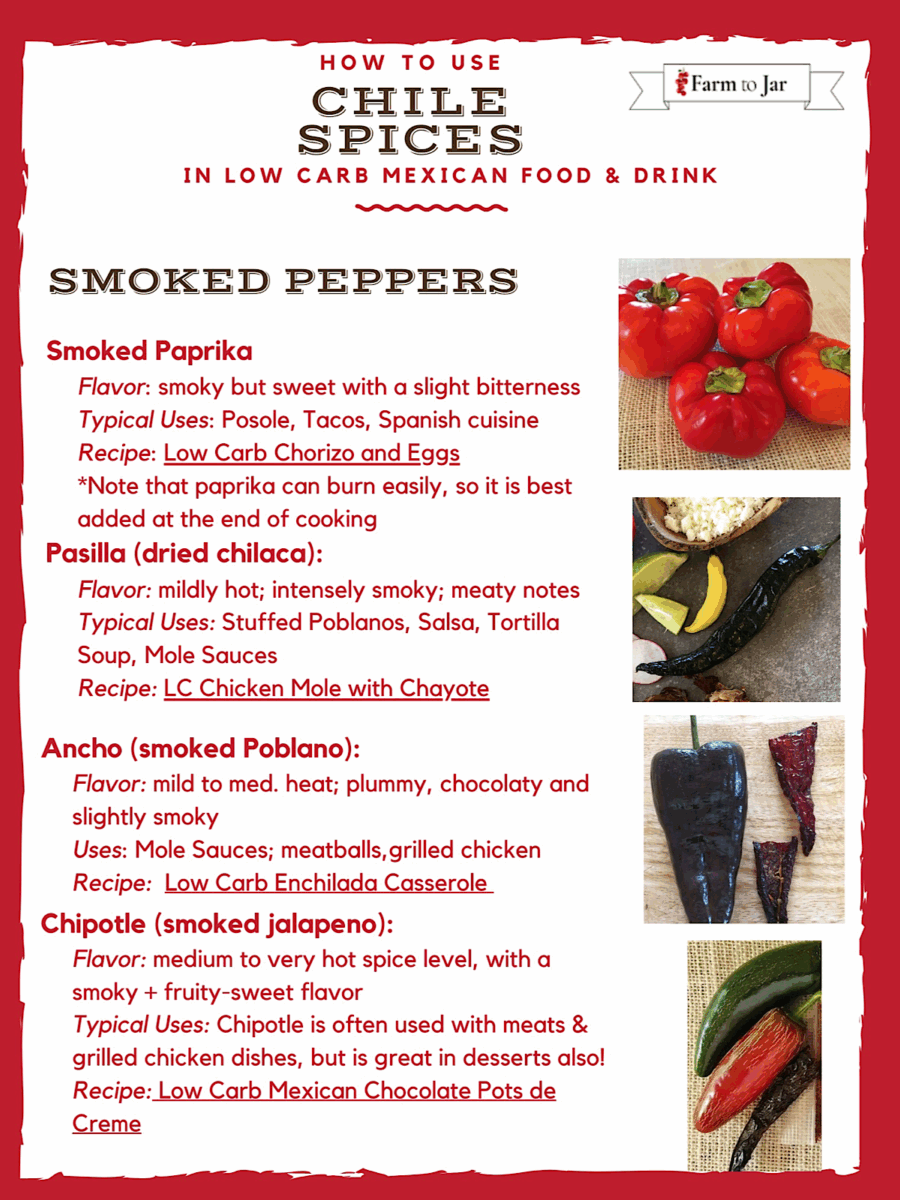
Ancho Heat: Mild (1,000-2,000 Scoville) Flavor: Sweet, fruity, raisin-like, hints of chocolate Uses: Mole, adobo sauces, chili con carne Notes: Dried poblano. Wide, wrinkled, almost black. The sweetest of the common dried peppers. Essential for mole negro and many adobo preparations.
Pasilla (Chile Negro) Heat: Mild to medium (1,000-4,000 Scoville) Flavor: Earthy, herby, hints of berry and licorice Uses: Mole, table salsas, black bean dishes Notes: Long, thin, very dark (almost black). Often confused with ancho in US stores—true pasilla is narrower. Part of the “holy trinity” of mole peppers with ancho and mulato.
Chipotle Heat: Medium to hot (2,500-8,000 Scoville) Flavor: Smoky, earthy, slightly sweet Uses: Adobo sauces, salsas, marinades, anywhere you want smoke Notes: Smoked, dried jalapeño. Usually purchased canned in adobo sauce, but also available dried. The smoky flavor is distinctive and irreplaceable.
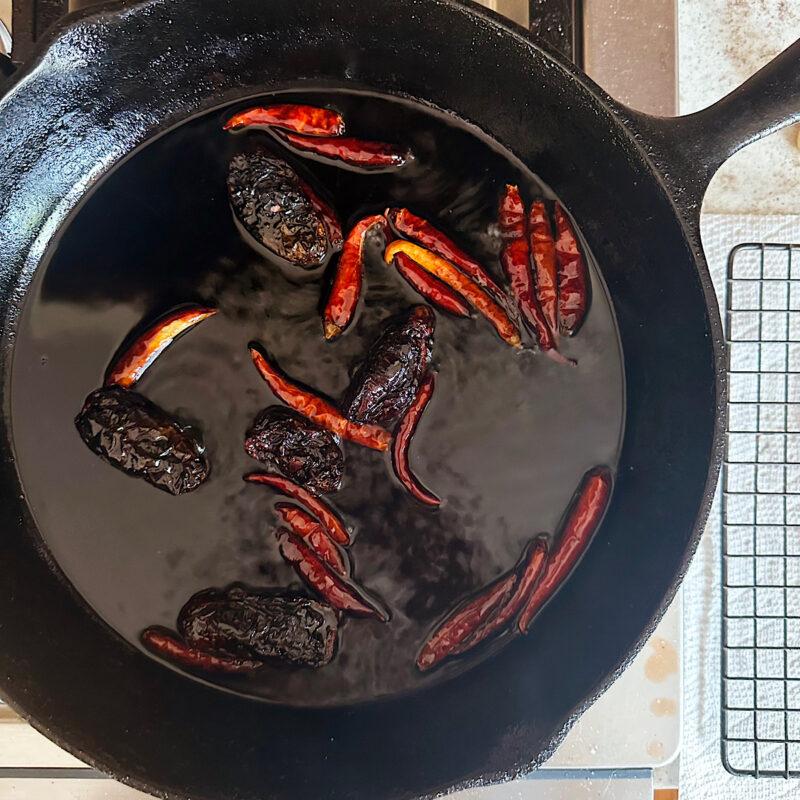
Chile de Árbol Heat: Hot (15,000-30,000 Scoville) Flavor: Nutty, grassy, acidic Uses: Table salsas, oils, fried as garnish Notes: Small, thin, bright red. Adds heat without overwhelming other flavors. Often toasted in oil until crispy. Keeps well dried.
Morita Heat: Medium to hot (5,000-10,000 Scoville) Flavor: Smoky, fruity, less intense than chipotle Uses: Salsas, adobo, anywhere chipotle would work Notes: Another smoked jalapeño, but smaller and smoked less time than chipotle. Fruitier and less intensely smoky. Good chipotle substitute when you want subtlety.
The Holy Trinity of Mole Peppers
Traditional mole sauces are built on three dried peppers:
Ancho provides sweetness and body Pasilla provides earthy depth Mulato provides chocolate notes and smokiness
Mulato is harder to find in the US. It’s a dried pepper from a specific poblano variety that ripens to brown rather than red. Sometimes you can find it online. If you can’t find mulato, increase the ancho and add a small amount of unsweetened cocoa.
Different moles emphasize different peppers. Mole negro leans on pasilla and mulato. Mole rojo emphasizes guajillo and ancho. Understanding these building blocks lets you adjust recipes to your taste.
How to Substitute Mexican Peppers
Substitutions are imperfect but sometimes necessary:
Fresh pepper substitutions:
- Jalapeño → Serrano (hotter, adjust quantity down)
- Serrano → Jalapeño (milder, adjust quantity up)
- Poblano → Anaheim (similar size, less earthy)
- Habanero → Scotch bonnet (similar heat and fruitiness)
Dried pepper substitutions:
- Guajillo → New Mexico chile (similar heat, less complex)
- Ancho → Mulato or pasilla (different flavor but similar application)
- Chipotle → Morita (less smoky) or smoked paprika (in a pinch)
- Pasilla → Ancho (sweeter, less earthy)
- Chile de árbol → Cayenne (similar heat, less flavor)
The best approach is to stock the core peppers and avoid substituting when the pepper is the star of the dish. For background heat, substitutions matter less.
Which Peppers Can You Grow at Home?
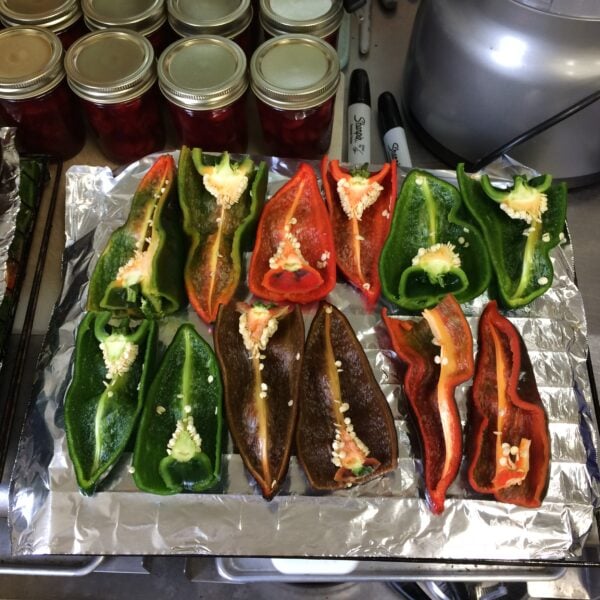
All of these peppers grow well in home gardens, though some are easier than others:
Easy to grow:
- Jalapeño (prolific, reliable, fast)
- Serrano (productive, compact plants)
- Poblano (larger plants, need space)
- Cayenne/árbol types (productive, easy to dry)
Moderate difficulty:
- Habanero (needs long, hot season)
- Ancho/pasilla types (need time to fully ripen before drying)
Growing tips: Start seeds indoors 8-10 weeks before last frost. Peppers need heat to germinate. Don’t transplant until soil is consistently warm. Full sun, consistent water, and patience. Most peppers need 70-90 days to mature.
For drying, let peppers fully ripen on the plant (red, not green), then dry in a dehydrator at 125-135°F or string them in a warm, dry location.
I’ll cover growing Mexican peppers in detail in a separate post.
How to Store Mexican Peppers
Fresh peppers: Refrigerate in a paper bag or loose in the crisper drawer. Use within 1-2 weeks. Don’t wash until ready to use.
Dried peppers: Store in airtight containers away from light and heat. Properly stored, they last 1-2 years, though flavor fades after about 6 months. Freezing extends life further. Oddly enough mice really like hot peppers, the hotter the better. Make sure your containers are airtight and sealed.
Rehydrating dried peppers: Toast briefly in a dry skillet to wake up the oils, then soak in hot water for 20-30 minutes until pliable. Reserve the soaking liquid—it’s flavorful and can be added to sauces.
Spice Blends You Can Build from These Peppers
Once you have the core dried peppers stocked, building your own spice blends is straightforward and produces far better results than commercial blends.
At Heathglen Farm, I grow, dry, and smoke many of these peppers, and I’ve developed blends for specific styles of cooking. Each blend recipe is included in the recipe post where it’s used.
Enchilada Spice Blend: Built around guajillo and ancho with supporting spices. This is the all-purpose blend for red enchilada sauce, chile colorado, and Mexican short ribs. A good starting blend if you’re new to making your own. Used in my chile Colorado with nopales and Mexican short ribs.
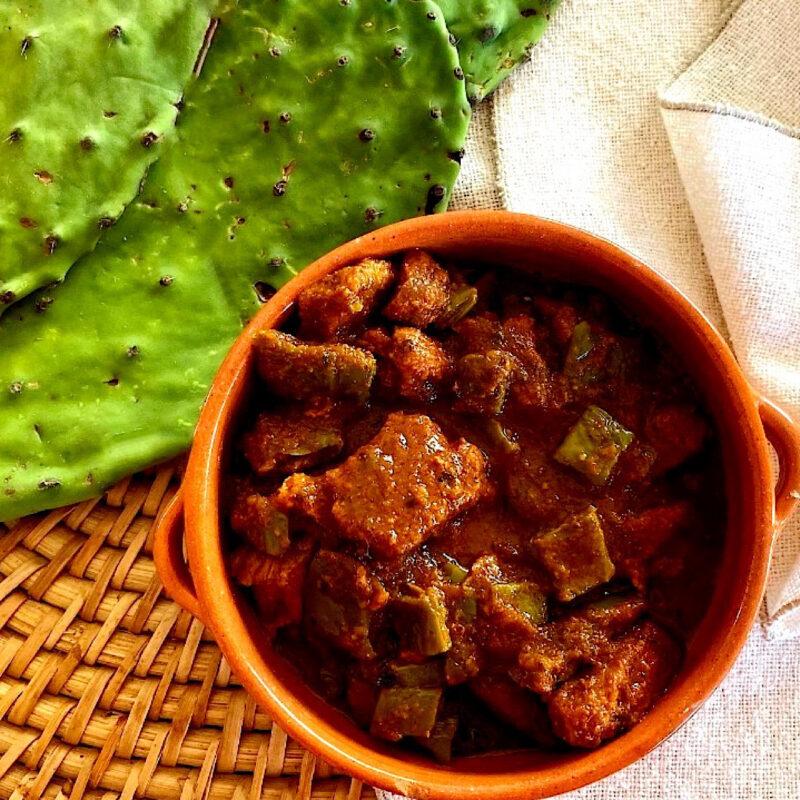
Smoked Chile Blend: Ancho, chipotle, and smoked pasilla create a deeply smoky base for beef stews. The backbone of my beef chile colorado or turkey butternut squash chili.
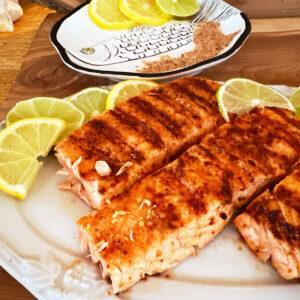
Chipotle-Lime Fish Rub: A 5-ingredient blend that pairs fresh, spicy chile peppers with lime for grilled or baked fish. Used in my Mexican grilled salmon.
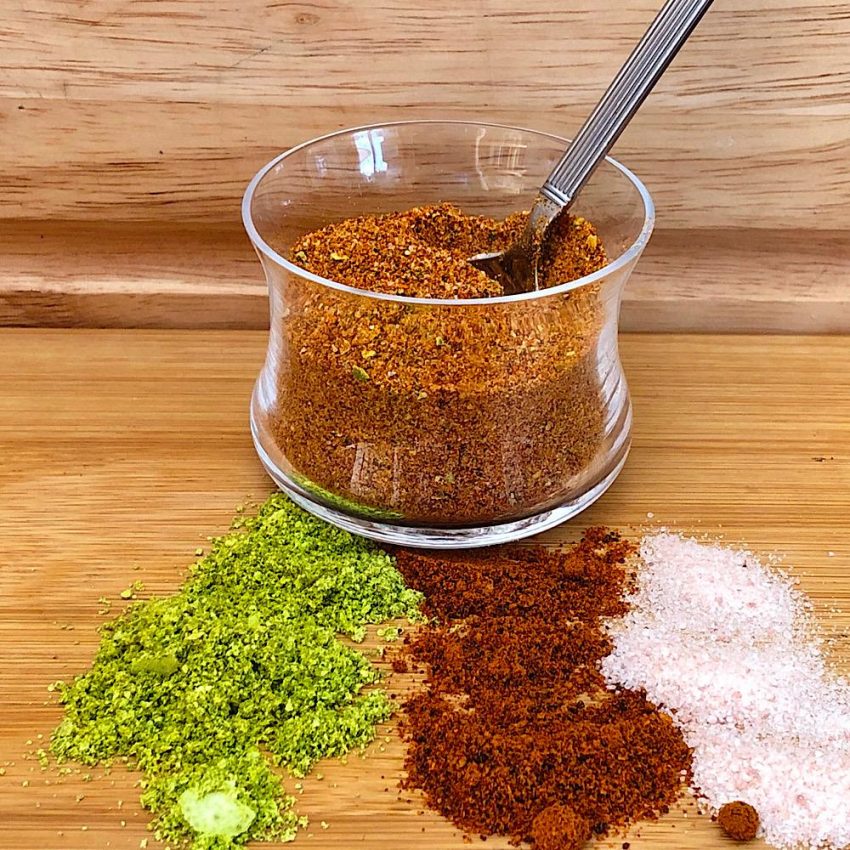
Chile-Lime Salt (Tajín-style) — Three ingredients: dried chile, lime zest, and salt. Sprinkle on fruit, rim cocktail glasses, or season street food. Used in my Mexican fruit salad, as an addition to chamoy sauce on fruit, and as a ubiquitous spice used on Mexican street food.
Chile de Arbol Cream Sauce: A bottleable sauce built around toasted chile de árbol. Used in my sausage banderillas.
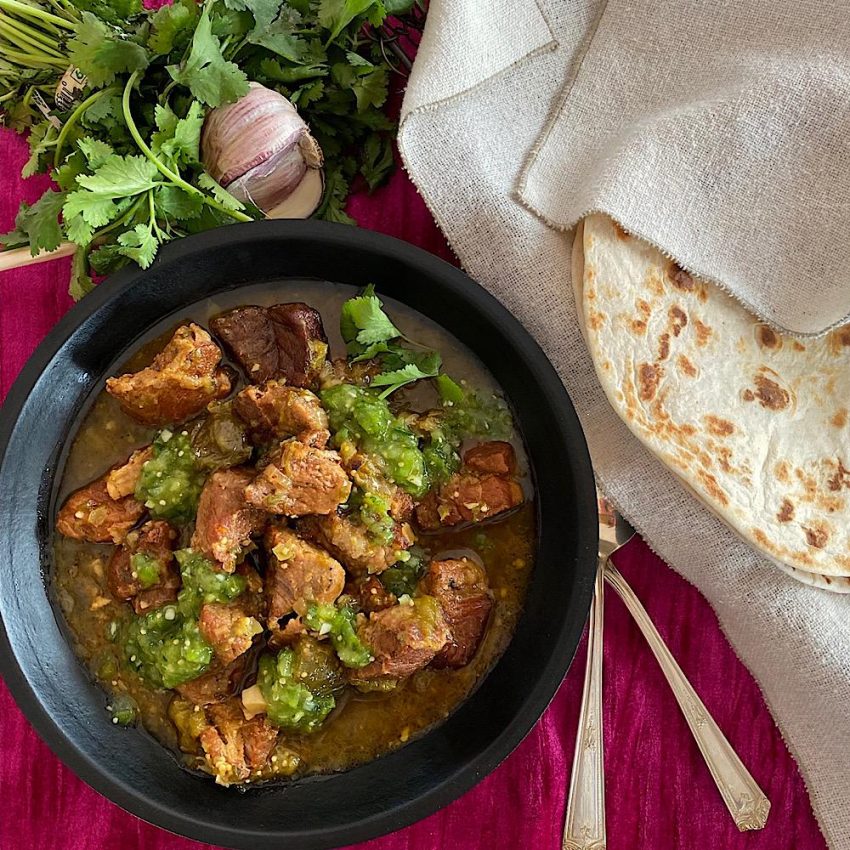
Mexican Stew Seasoning: A 4-ingredient blend for pork and green chile stews. Used in my pork chile verde.
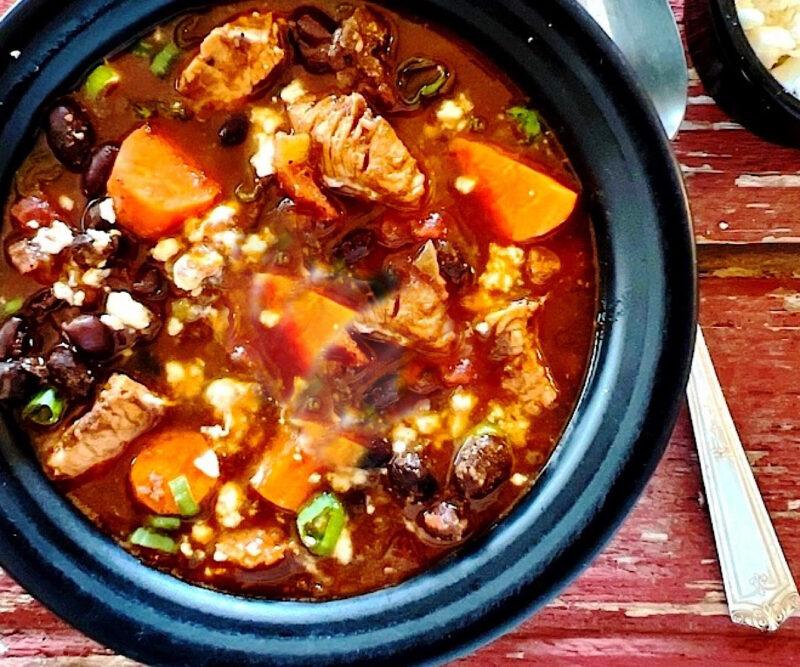
Mexican Mole Blend: This blend includes smoked chile peppers, cocoa powder, and warming spices such as cinnamon, coriander and cloves. Combining my mole dry spice blend with peanut butter (for the nut richness) and chicken broth, produces a sauce remarkably close to a traditional mole sauce which can be used in many Mexican dishes, such as the turkey and squash chili we have every Thanksgiving with leftover turkey.
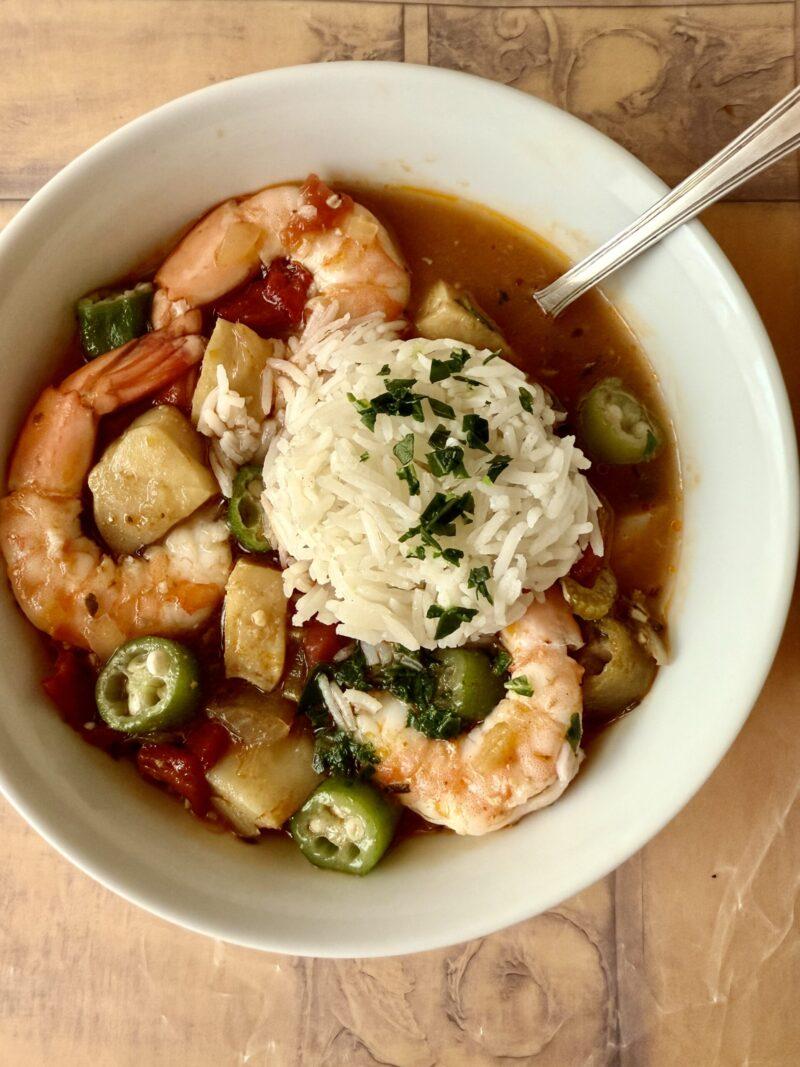
Cajun Spice Blend: Not Mexican, but built from the same pepper family. Cayenne-forward with paprika and aromatics. Full recipe in my Creole seafood gumbo.
Harissa Spice Blend: A North African blend of chile peppers with cumin, coriander, caraway, and cinnamon. Used in my Moroccan chicken stew.
FAQ
Jalapeño for fresh peppers, guajillo for dried. These two cover most enchilada sauces, basic moles, and adobo preparations. Add chipotle (canned in adobo is fine) for smoky dishes.
Not necessarily. Mexican cuisine uses the full heat spectrum, from mild ancho (1,000 Scoville) to extremely hot habanero (100,000+ Scoville). Heat level depends on the specific variety and the location in which it was grown.
Nothing, they’re the same thing. “Chile” is the Spanish spelling, “chili” is the anglicized version, and “pepper” is the English term. In Mexican cooking context, “chile” is more common.
Not really. American chili powder is a blend that includes cumin, oregano, garlic, and other spices. It doesn’t taste like pure ground chiles. For authentic Mexican flavor, use whole dried peppers and grind them yourself.
Poblano heat varies based on growing conditions. Stress (inconsistent water, extreme heat) increases capsaicin production. It’s normal to occasionally get a spicy poblano; taste a small piece before using if heat level matters for your dish.
For a classic American-style chili, ancho and guajillo provide the base flavor, with a small amount of chile de árbol or cayenne for heat. For a smokier chili, add chipotle. Avoid generic “chili powder” from the grocery store, which is a pre-mixed blend with cumin and other spices already added. Building your own blend from individual dried peppers gives you much more control over the flavor.
The two most common are chipotle (smoked jalapeño) and morita (a smaller, less intensely smoked jalapeño). Ancho and pasilla are sometimes lightly smoked as well. At Heathglen Farm, I smoke several pepper varieties for my spice blends, including jalapeños, pasillas, and paprika peppers. The smoking process transforms the flavor, adding depth that you can’t get from dried peppers alone.