Quick Summary: Yes, you can grow Camellia sinensis (the tea plant) in American home gardens, but success depends on your climate. Tea plants thrive in USDA zones 7-9 with acidic soil, consistent moisture, and partial shade. In colder zones, grow them in containers and overwinter indoors. You can then harvest and process your own tea leaves.
At HeathGlen Organic Farm in Minnesota, I grow herbs for the tea blends I sell at the St. Paul Farmers’ Market, but I don’t grow true tea plants outdoors. Our zone 4 winters would kill them. Still, customers ask me regularly whether they can grow Camellia sinensis at home, and for many American gardeners, the answer is yes, with some caveats. Here’s what you need to know about growing your own tea.
Jump to: What Is Camellia Sinensis? | Growing Conditions? | Harvesting | FAQ
This post may contain affiliate links. As an Amazon Associate, I also earn from qualifying purchases. You can read our disclosure information here–
What Is Camellia Sinensis?
Camellia sinensis is the plant that produces all true tea: black, green, white, oolong, and pu-erh. The differences between these teas come from processing methods, not different plants. The same leaves can become green tea (minimal oxidation), black tea (full oxidation), or anything in between.
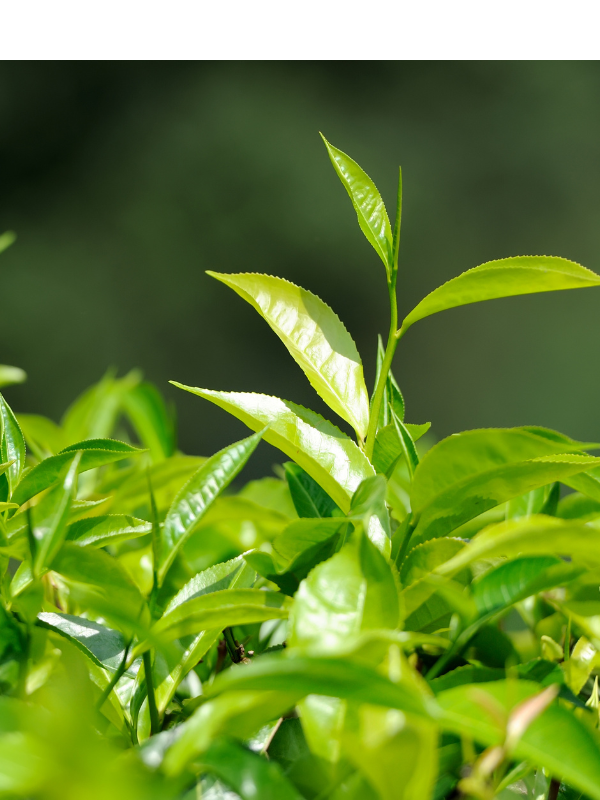
The plant is an evergreen shrub native to East Asia. In the wild, it can grow into a small tree, but cultivated tea plants are typically kept pruned to waist height for easier harvesting.
There are two main varieties:
- Camellia sinensis var. sinensis (Chinese tea): smaller leaves, more cold-tolerant, better for home gardens in temperate climates
- Camellia sinensis var. assamica (Assam tea): larger leaves, prefers tropical conditions, less suited to most American gardens
For home growing, look for the Chinese variety.
Where Can Tea Plants Grow in the United States?
Tea plants are hardy in USDA zones 7-9, which covers much of the South, the Pacific Northwest, and coastal California.
Best regions for outdoor tea growing:
- Pacific Northwest (mild, moist climate similar to tea-growing regions)
- Southeast (Georgia, South Carolina, parts of North Carolina)
- Gulf Coast
- Coastal California
- Parts of Texas
Marginal regions (zone 6): Tea plants can survive zone 6 winters with protection (heavy mulching, sheltered location). They may die back but often recover from the roots. Expect slower growth and smaller harvests.
Cold climates (zones 5 and below): Outdoor growing isn’t practical. Tea plants will die in prolonged freezing temperatures. Container growing with indoor overwintering is your option.
How to Grow Tea Plants in Containers
If you live in a cold climate like I do in Minnesota, containers let you grow tea plants and bring them indoors before frost.
Container requirements:
- At least 5 gallons for young plants, larger as they mature
- Excellent drainage (tea plants hate soggy roots)
- Acidic potting mix (pH 5.5-6.5)—use azalea/camellia mix or add sulfur to regular potting soil
Care:
- Partial shade outdoors; bright indirect light indoors
- Consistent moisture but never waterlogged
- Bring indoors when nighttime temperatures drop below 40°F
- Tea plants don’t like dry indoor heat; mist regularly or use a humidity tray
Container-grown tea plants won’t produce large harvests, but you can pick enough leaves to process small batches of homemade tea.

What Growing Conditions Do Tea Plants Need?
Tea plants have the following specific preferences:
Soil: Acidic (pH 5.5-6.5), rich in organic matter, well-draining. They’re related to azaleas and camellias and need similar soil conditions. If your soil is alkaline, container growing is easier than amending garden soil.
Light: Partial shade is ideal. Tea plants evolved as understory shrubs and don’t like full blazing sun, especially in hot climates. Morning sun with afternoon shade works well.
Water: Consistent moisture. Tea plants need regular water, especially in their first few years, but their roots rot in soggy soil. Mulch heavily to retain moisture and protect roots.
Temperature: They tolerate light frost but suffer below about 20°F. Hot, dry conditions stress them more than mild cold.
Fertilizer: Feed with an acidic fertilizer (formulated for azaleas or camellias) in early spring and again in midsummer.
How Long Until You Can Harvest Tea Leaves?
Tea plants are slow to establish. Expect to wait 3-5 years before your first meaningful harvest.
Young plants need time to develop a strong root system and bushy growth. Pruning in the first few years encourages branching, which eventually produces more harvestable growth.
Once established, tea plants can be harvested multiple times during the growing season. In commercial operations, the flush (new growth) is picked every 1-2 weeks from spring through fall.
For home growers, you’ll harvest smaller quantities less frequently, but the leaves you pick are genuinely usable for making tea.
How to Harvest and Process Your Own Tea
Harvesting tea is simple: pick the young, tender leaves and buds at the tips of branches. The standard pluck is “two leaves and a bud,” which gives the best flavor.
Processing determines what type of tea you make:
Green tea (no oxidation): Immediately heat the leaves to stop oxidation. You can pan-fire them in a dry skillet over medium heat, stirring constantly for 2-3 minutes until they soften. Then roll and dry.
White tea (minimal processing): Simply dry the leaves. Spread them in a single layer in a shaded, well-ventilated area for 2-3 days until completely dry.
Black tea (full oxidation): Wilt the leaves for several hours, then roll them firmly to break the cell walls. Let them oxidize in a humid environment until they turn dark (12-24 hours). Then dry with low heat.
Home processing takes a lot of experimenting Your first batches won’t taste like commercial tea, but they’ll be drinkable and quite satisfying to make on your own.

Where to Buy Tea Plants?
Tea plants are increasingly available from specialty nurseries. Look for:
- Camellia Forest Nursery (North Carolina)
- Greer Gardens (Oregon)
- Your local camellia society or specialty plant sales
Make sure you’re getting Camellia sinensis, not one of the ornamental camellias (Camellia japonica), which are beautiful but don’t make tea.
Expect to pay $15-30 for a young plant. Starting from seed is possible but slow; seeds need cold stratification and can take months to germinate.
FAQ
Not outdoors year-round. Grow in containers and bring indoors before frost. With proper care, container tea plants can thrive for years in cold climates.
A mature, well-maintained plant can produce a few ounces of finished tea per year under home garden conditions. Commercial yields require many plants and ideal growing conditions.
Yes. Camellia sinensis is a member of the Camellia genus. It’s closely related to the ornamental camellias grown for their flowers. They have similar soil and care requirements.
No. Tea bag contents are dried and processed leaves that won’t grow. You need a live plant or viable seed.
Unpruned, they can reach 15-30 feet, but that takes decades. Regular pruning keeps them at a manageable 3-5 feet for easier harvesting and healthier growth.
Yes, as long as you haven’t treated the plant with pesticides or chemicals not intended for edible plants. Use organic practices and your tea is perfectly safe.
If you want to explore the world of teas and tisanes, check out this Complete Guide to Teas. It includes information on how to grow a tea garden, types of tea, brewing times and temp., recipes for blends, caffeine amounts, and much more.