
Pheasant Normandy is a classic French stew made with ingredients the Normandy region is famous for: apples, apple cider, and Calvados (apple brandy). The pheasant (or chicken) is braised in butter until golden, then long-simmered with caramelized onions and cider, and finished with cream and sautéed apples. I
t’s rich, elegant, and perfect for cold weather dinners when you want something special without too much fuss.
Quick Summary: Pheasant (or chicken) braised in butter, then simmered with caramelized onions, apple cider, and brandy, finished with cream and sautéed apples. A rich, elegant comfort food dish perfect for cold weather entertaining. Works equally well with chicken thighs or legs. Prep: 20 min | Cook: 2.5 hours | Serves: 6
Jump to: RECIPE | Pheasant vs Chicken | Helpful Equipment | Preventing Dry Meat | Step by Step | FAQ

This post may contain affiliate links, and you can read our disclosure information here–
Pheasant Normandy vs Chicken Normandy?
Both Pheasant Normandy and Chicken Normandy are based on a famous French dish made with ingredients that the Normandy region of France is renowned for; which includes apples, apple cider and brandy (specifically Calvodos or apple brandy).
Both pheasant and chicken versions are typically made with the leg sections, but I made the dish with pheasant breasts because that is what was available to me.
I have also made it with chicken thighs rather than legs and it was just as delicious.
Ingredients:
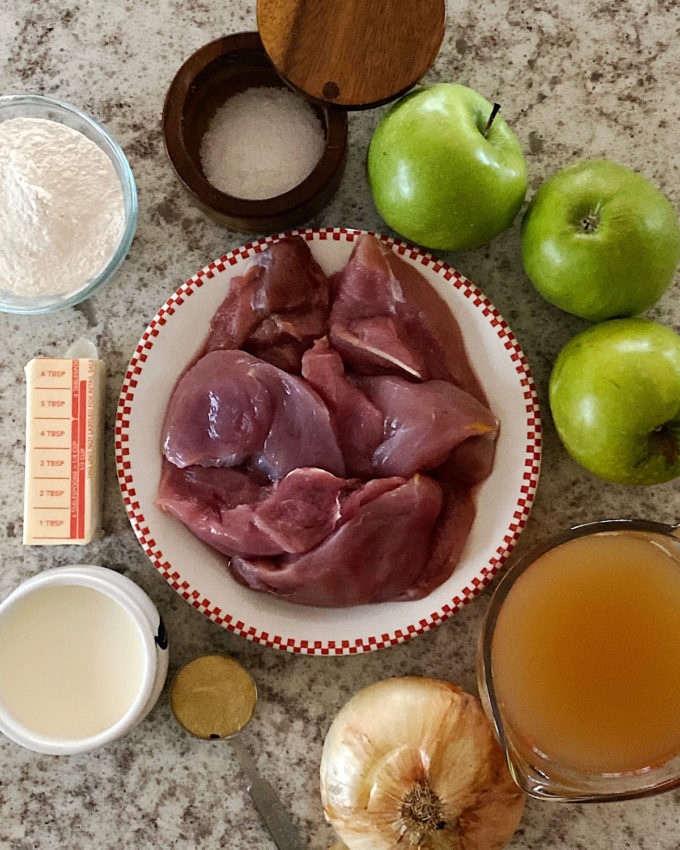
The following photo shows you all the ingredients you will need for this recipe. For details on measurements, see the recipe below.
What Kitchen Equipment Do You Need?
- Saucepan (I prefer a cast iron skillet)
- Large pot (My go-to is an enameled cast iron dutch oven)
- Measuring cups and spoons
- A sharp knife
- Spatula
What Apples Work Best for Normandy Stew?
When cooking anything with sautéed apples, opt for apples that will hold together the best under high heat. You want to end up with a golden-brown color and a firm-yet-tender texture.
I usually go with granny smith apples, but Pink Lady could work here also.
Cook the apples over medium low heat and make sure to use real butter.
Don’t be afraid of the butter and cream in this dish! It is French you know, and the rich buttery sauce flavored with tart apples on carmelized onions is what makes it so famous.
What Brandy is Best for Pheasant or Chicken Normandy?
Deglazing the pot with brandy gives the sauce a great depth of flavor. I used an American apple brandy, and you can certainly just use a generic brandy if that is all you have.
If you want to get the most depth (and be the most true to the French dish) however, try to get your hands on some Calvados.
Calvados Brandy is the famous apple brandy that is produced in the Normandy region of France and must be aged in oak casks for at least two years. The wood flavors are usually quite pronounced.
American producers, on the other hand, often go with a process where the apple flavor is more dominant.
The main thing to know is that apple brandy should be made from apples and nothing else. Something like Applejack is distilled with a mix of apples and grain and will not be as rich or complex.
How to Prevent Dry Chicken or Pheasant
If you use the breast meat of either bird, just don’t sear it as long as you would the legs or thighs. The white breast meat tends to get dry if seared too long.
Pheasant also tends to dry out quicker than chicken in general, so just be aware of shortening the searing time and perhaps lengthening the simmering time if you are using pheasant rather than chicken.
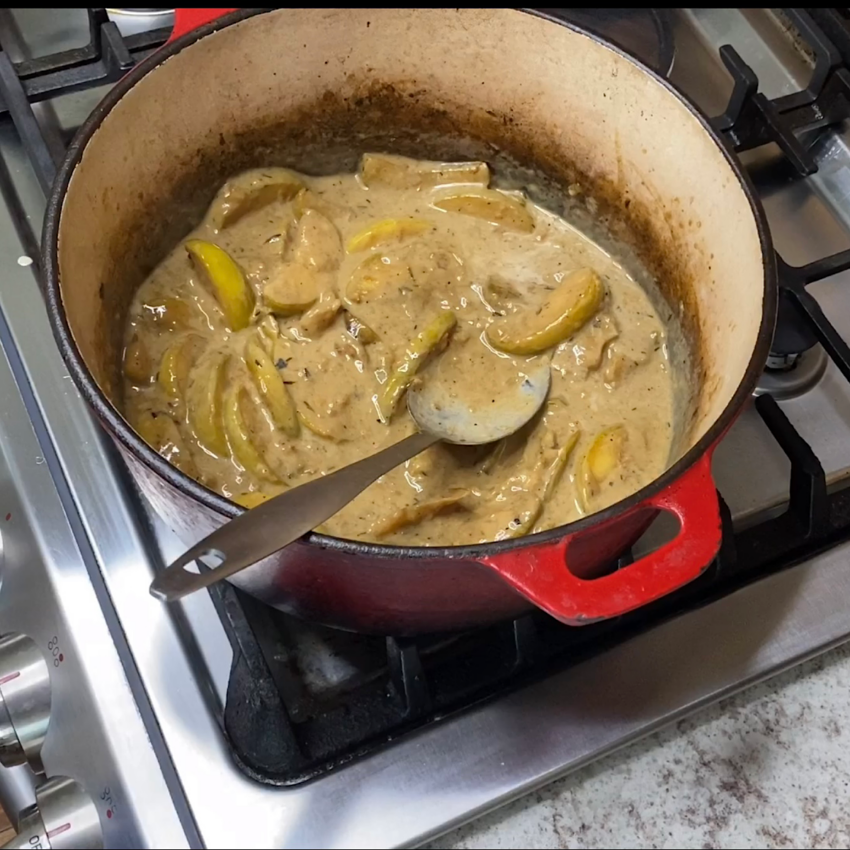
Most stews smell and taste great, but are lacking in visual appeal. Not so with Pheasant Normandy.
The granny smith apples and the fresh thyme add shades of green and the creamy cider sauce highlights the darker pheasant. All in all it is an elegant Autumnal sight to behold!
How to Make Pheasant Normandy (Step by Step)
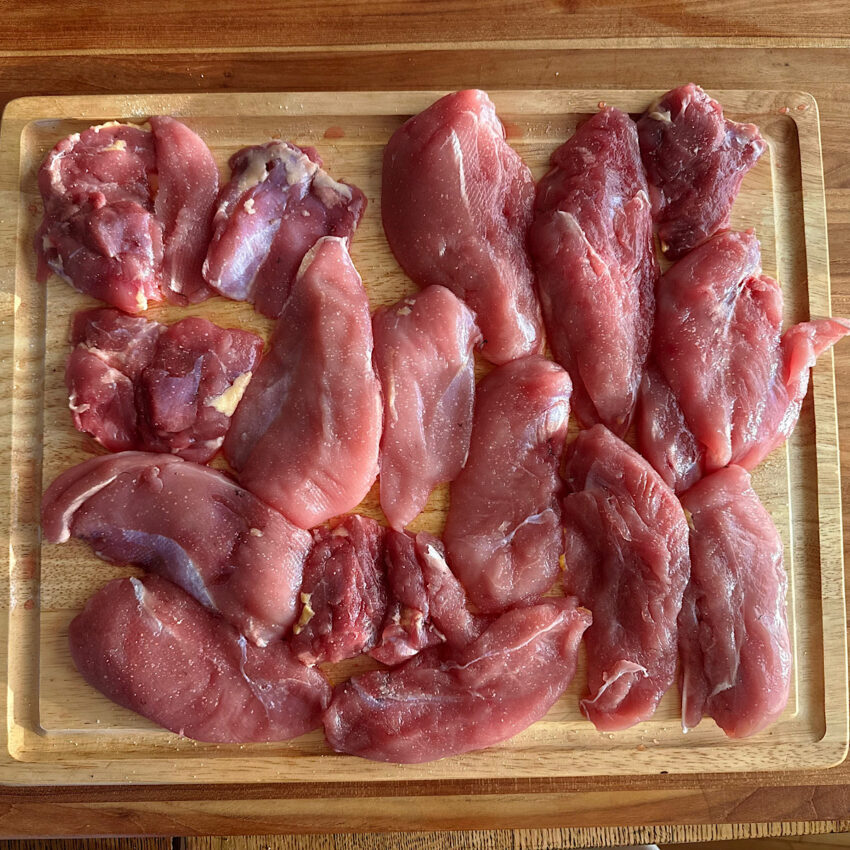
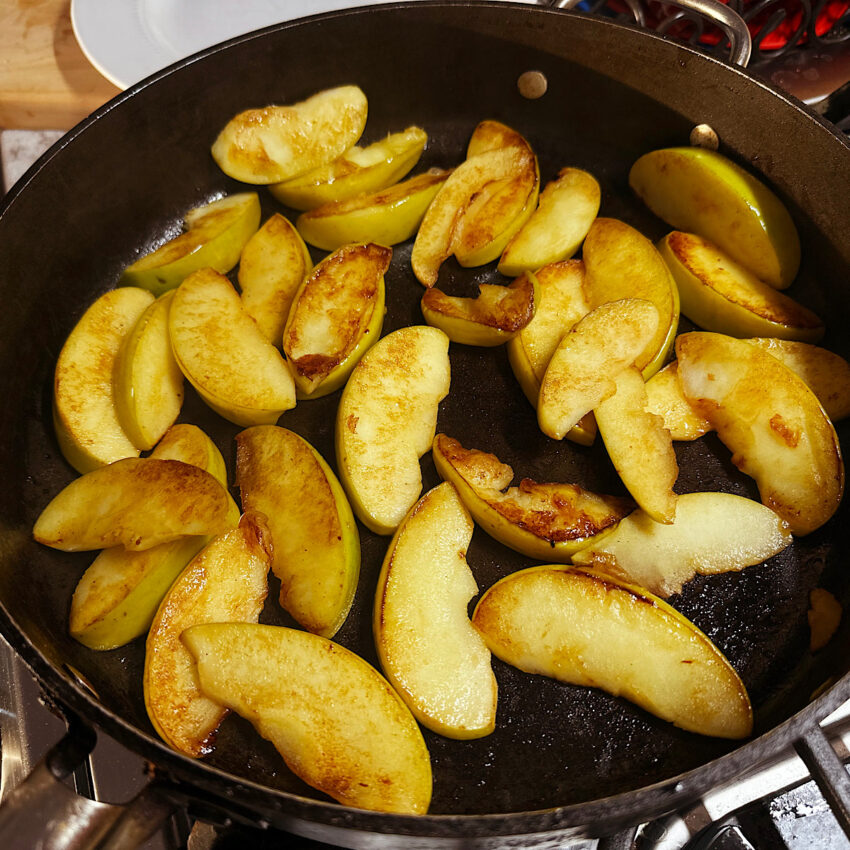
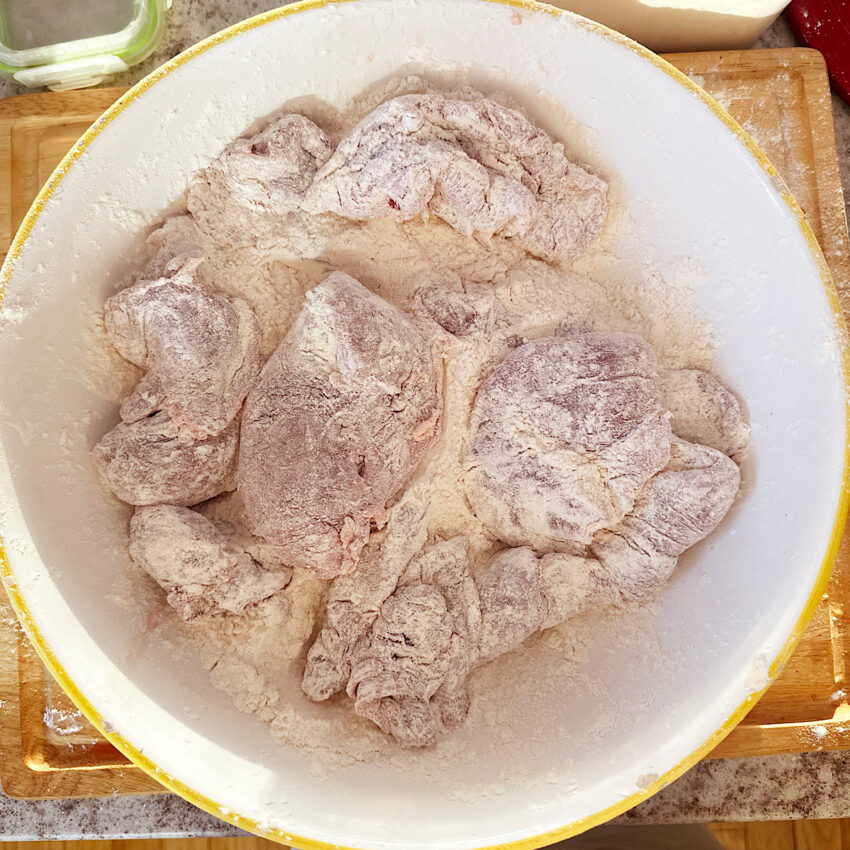
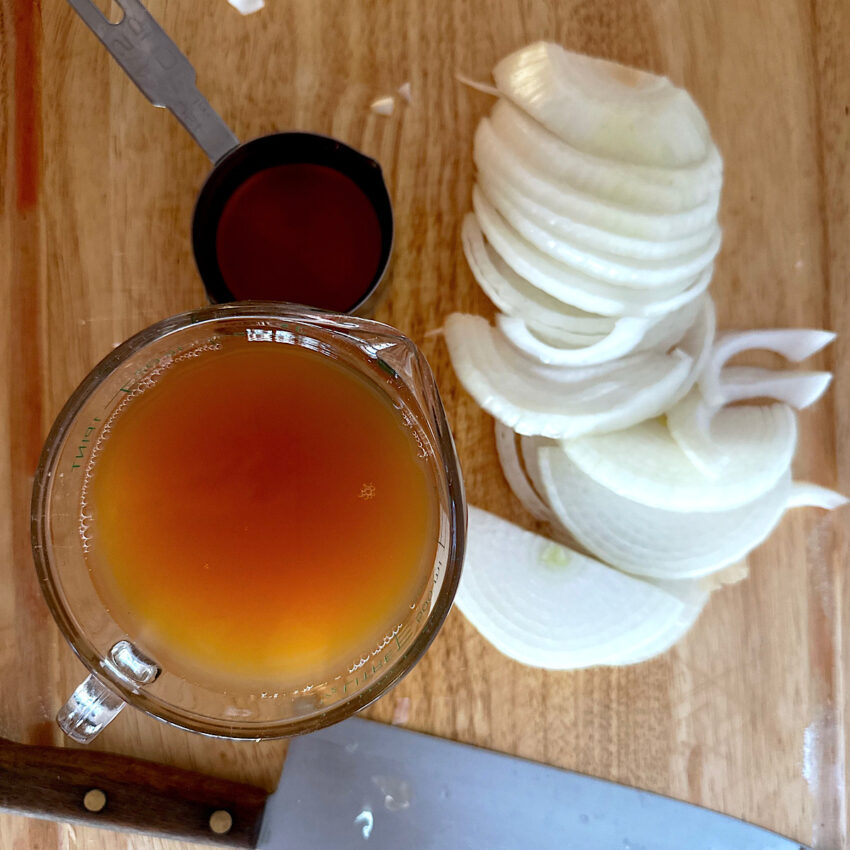
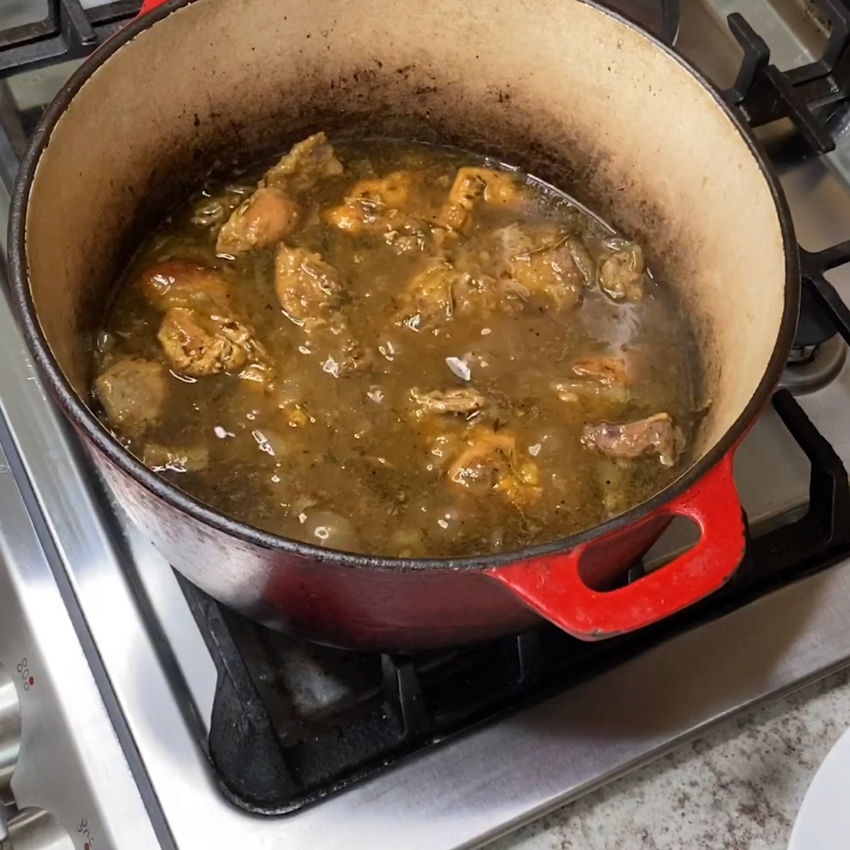
Here are the steps lined out with photos. For the details of the recipe itself, see the recipe card below.
How to Serve Pheasant Normandy
Serve it with a crusty round of sourdough bread to soak up every bit of sauce.
Spoon the cider-apple sauce into the serving dish first and then top with the pheasant and some fresh thyme.
I left the pheasant breasts whole when I added them to the sauce but you could cut them into smaller pieces also.
If you prefer seeing a video on how to make this dish, check out our “how-to” tutorial: cooking tutorial for making the Pheasant Normandy
More Great Autumn Stews:
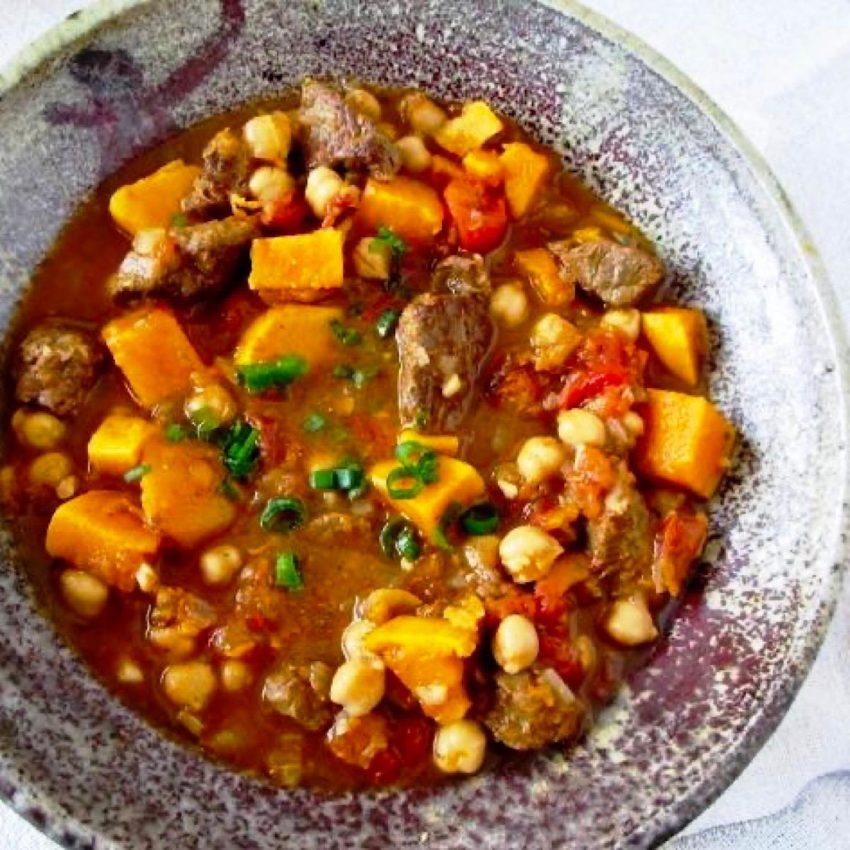
For another robust cold weather stew, try this Moroccan Beef and Sweet Potato Stew or one of the cold-weather stews listed below.
- Cajun Gumbo without Filet Powder
- Pork and Hominy Stew (Pozole)
- Mexican Beef Birria Stew
- Tuscan Sausage Bean Stew with Cabbage
- Oyster Stew
- Mexican Seafood Stew
- Mussel Stew with Coconut Curry Broth
- Lentil & Chorizo Mulligan Stew (Slow Carb)
- Seafood Corn Chowder without Shellfish
- Osso Bucco with Lamb Shanks
- Low Carb Bouillabaisse
- Low Carb Mexican Short Rib Stew
FAQ
Yes. Chicken thighs or legs work perfectly. Chicken is more forgiving than pheasant and less likely to dry out. Use the same cooking times.
Calvados is apple brandy produced in the Normandy region of France, aged in oak casks for at least two years. American apple brandy works as a substitute, though the flavor profile differs slightly. Avoid Applejack, which is distilled with grain.
Sautéing the apples in butter before adding them to the stew gives them a golden caramelized exterior. If added raw to the braising liquid, they’d turn to mush.
Yes. The stew reheats well. Make it a day ahead and reheat gently on the stovetop. The flavors often improve overnight.
Crusty sourdough bread to soak up the sauce, rice, or wild rice. A simple green salad balances the richness.
Pheasant dries out faster than chicken. Shorten the searing time for breast meat and keep the braising liquid at a gentle simmer rather than a boil.
Like this recipe? It helps me out greatly if you leave a 5-star 🌟🌟🌟🌟🌟rating in the recipe card below and maybe even leave me a quick comment too!
Pheasant Normandy

Equipment
- Dutch oven (Or large sturdy pot)
- Spatula
- Saucepan or skillet (I prefer a cast iron skillet)
Ingredients
- 4-6 tablespoons butter unsalted
- 4 medium apples granny smith or pink lady
- 3 pounds pheasant breasts or legs or both
- 1 large onion sliced
- ½ cup apple brandy Calvados if available
- 2 cups apple cider unprocessed
- 3-5 sprigs fresh thyme or 1 tsp dried – reserve some fresh thyme for garnish
- ½ cup heavy cream
- 1 tablespoons dijon mustard
- 1-2 teaspoons salt
Instructions
- Sprinkle the pheasant with salt and let it sit for about 30 minutes.3 pounds pheasant
- Rinse the apples but do not peel them. Core and slice the apples into wedges (around 1/2” thick).4 medium apples
- Over medium heat, melt 2 tablespoons butter in a dutch oven or thick walled pot. Place the apples in the heated butter in a single layer (may have to do 2 separate batches). Gently brown the apples for a few minutes and then turn them over and brown on the other side. Remove fried apples to a plate and cook the second batch. Remove the second batch of apples and reserve all of them until later.4-6 tablespoons butter
- Add another 2 tablespoons butter to the pot and melt over med-high heat. Dust the pheasant pieces lightly in flour on both sides and lay in the pot in a single layer. Make sure the pheasant is not crowded. Brown lightly on both sides for a few minutes. Use less browning time if you are using breast meat as it will dry out quicker. Remove pheasant to a plate and reserve.4-6 tablespoons butter
- Increase the heat a bit and add the sliced onions. Add more butter if necessary to carmelize the onions. Cook the onions for about 5 minutes or until carmelized, stirring occasionally.1 large onion
- Turn off the heat and pour in the apple brandy to deglaze the pot. It will steam up and release all the brown bits on the bottom of the pot. Let the brandy boil down until reduced by half. Then add the cider and bring to a boil.1/2 cup apple brandy, 2 cups apple cider
- Strip the thyme leaves from the stems (or use dried thyme) and add to the pot. Place the reserved pheasant pieces back in the pot, cover and simmer until pheasant is tender. This may take 1 1/2 to 2 1/2 hours depending on your pheasant and your tastes. Prick with a fork to see if it is tender enough.3-5 sprigs fresh thyme
- Remove the pheasant from the pot and set aside. Turn the heat to high and add back in the apples and boil down to your preferred consistency. This can be soupy to syrupy, depending on your tastes. When it is the consistency you like, turn off the heat and add the Dijon mustard and the cream and salt. Mix all together thoroughly and serve.1/2 cup heavy cream, 1 tablespoons dijon mustard, 1-2 teaspoons salt
- Serve by spooning the cider-apple sauce into the serving dish and laying the pheasant and fresh thyme on top. You can also serve on a bed of rice or wild rice if you include carbs in your diet.
Video

A very good recipe enjoyed for our Sunday meal. Pheasant was very tender and full of flavour. This is definitely a ‘keeper’ especially as my husband keeps us stocked up with pheasant every winter. Thank you
So glad to hear you liked it. We have a neighbor that keeps us stocked with pheasant so it’s a go-to around the holidays for us!