Quick Summary: A collection of tomato recipes from 20+ years of growing heirlooms at HeathGlen Organic Farm. From fresh summer salads to preserved sauces for winter, these recipes make the most of peak-season tomatoes. Includes savory dishes, drinks, preserving methods, and tips for cooking with different tomato varieties.
Jump to: Recipes with Fresh Tomatoes | Cooked Tomatoes | Tomato Drinks | Tomato Preserves | Tips for Cooking | FAQ

At HeathGlen Farm in Minnesota, I grow dozens of different heirloom tomato varieties for the St. Paul Farmers’ Market. After two decades of harvesting and cooking with these different varieties, I’ve developed a range of recipes that showcase the complexity of their nuanced flavors.
What makes homegrown tomatoes special is the balancing act of acid to sugar, the depth of flavor you simply cannot get from grocery store varieties, and the range of colors and textures that make cooking with heirlooms endlessly interesting.
This collection includes my favorite ways to use tomatoes, from simple fresh preparations, to preserved sauces and powders that carry that summer flavor into winter. Whether you’re drowning in cherry tomatoes or trying to use up the last beefsteaks before frost, there’s a recipe here for you.
Fresh Tomato Recipes
When tomatoes are at peak ripeness, the best recipes are often the simplest. These dishes let the tomato flavor come through without too much competition.
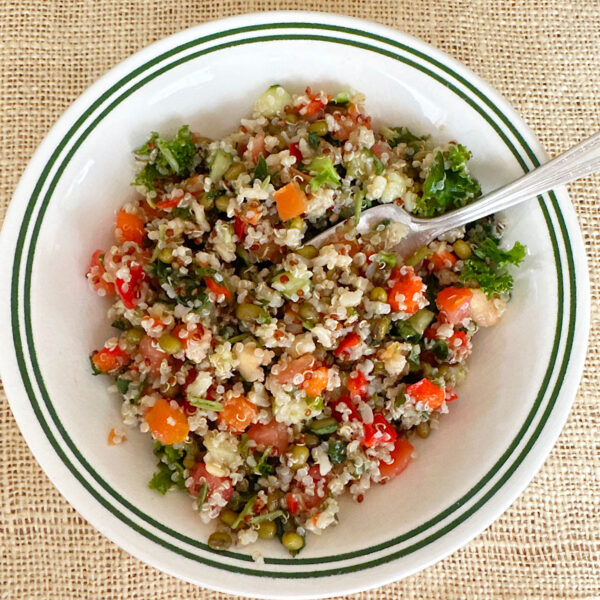
Quinoa Salad with Roasted Cherry Tomatoes: Nutty quinoa with sweet roasted tomatoes, Kalamata olives, and toasted pine nuts. Holds up well for meal prep.
Best Tomatoes for Fresh Slicing: Best Tomatoes for Sandwiches, Burgers, and BLTs: A guide to the best meaty slicer varieties for sandwiches, with tips for preventing soggy bread and a prosciutto caprese recipe.
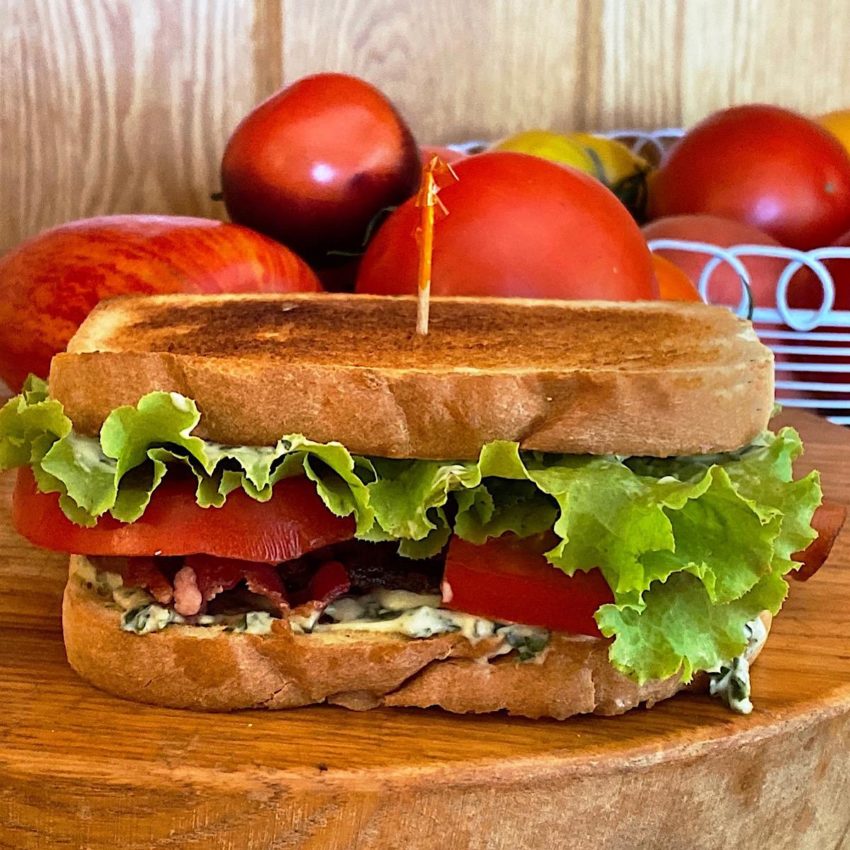
Classic BLT: Classic BLT with Basil Mayo: Fresh basil pureed into mayonnaise takes a classic BLT with ripe heirloom tomatoes to the next level. Simple summer perfection on toasted sourdough
BLT with Tomato Jam: When fresh tomatoes are out of season, smoky tomato jam makes a surprisingly delicious substitute. Sweet, tangy, and perfect with crispy bacon and peppery arugula on brioche.
Spanish Tomato Bread (Pan con Tomate): The simplest tomato recipe from Spain: ripe tomatoes grated onto garlic-rubbed toast and drizzled with olive oil. Four ingredients, entirely dependent on tomato quality
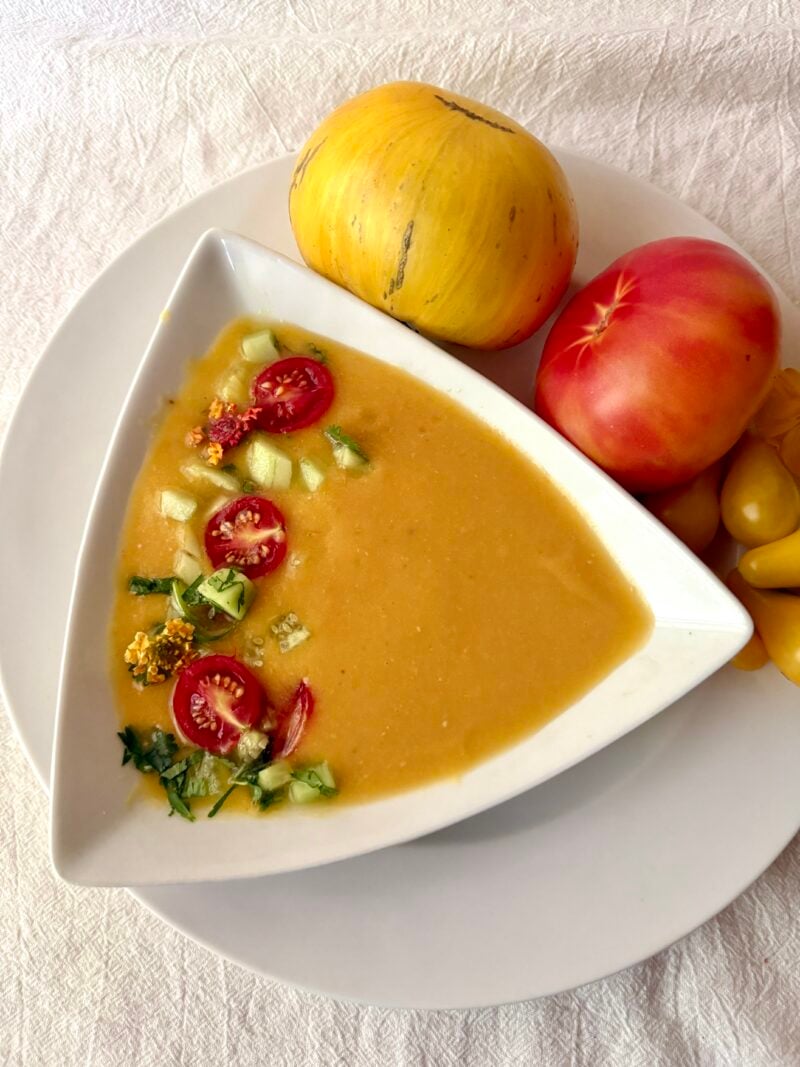
Yellow Tomato Gazpacho: A fruity gazpacho made with yellow and orange heirloom tomatoes. Milder and more delicate than red gazpacho, stunning served side by side with the traditional version.
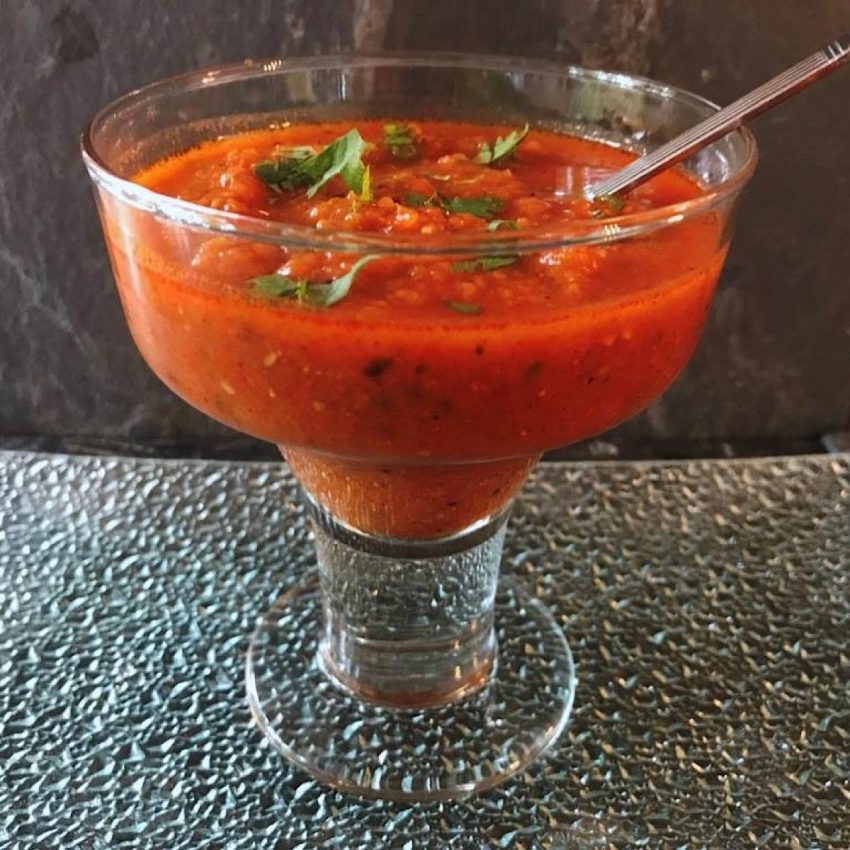
Andalusian Gazpacho: The classic cold Spanish soup made with ripe tomatoes, cucumber, peppers, and sherry vinegar. Refreshing, no-cook, and perfect for hot summer days.
Cooked Tomato Dishes
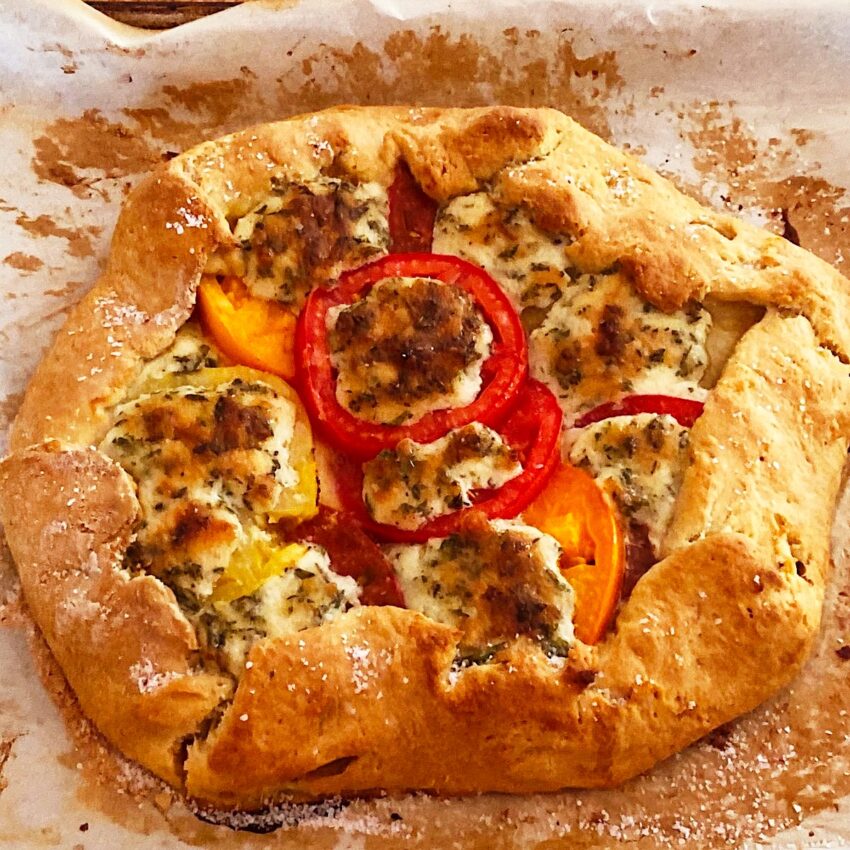
Heirloom Tomato Crostata: A rustic Italian galette with homegrown tomatoes, herbs, and cheese on a flaky buttermilk crust. Beautiful way to showcase colorful heirloom slices.
Heat concentrates tomato flavor and brings out different characteristics than raw preparations.
Freezer Tomato Sauce: A robust tomato sauce made from fresh end-of-season tomatoes, simmered with basil, thyme, garlic, and a hint of sumac for depth.

Italian Flat Beans with Smashed Cherry Tomatoes: Wide, flat, meaty Romano beans slow-cooked with smashed cherry tomatoes, caramelized onions, and a splash of fruit vinegar.
Mexican Lentil and Chorizo Stew: Smoked tomatoes and paprika give this hearty soup deep, warming flavor.

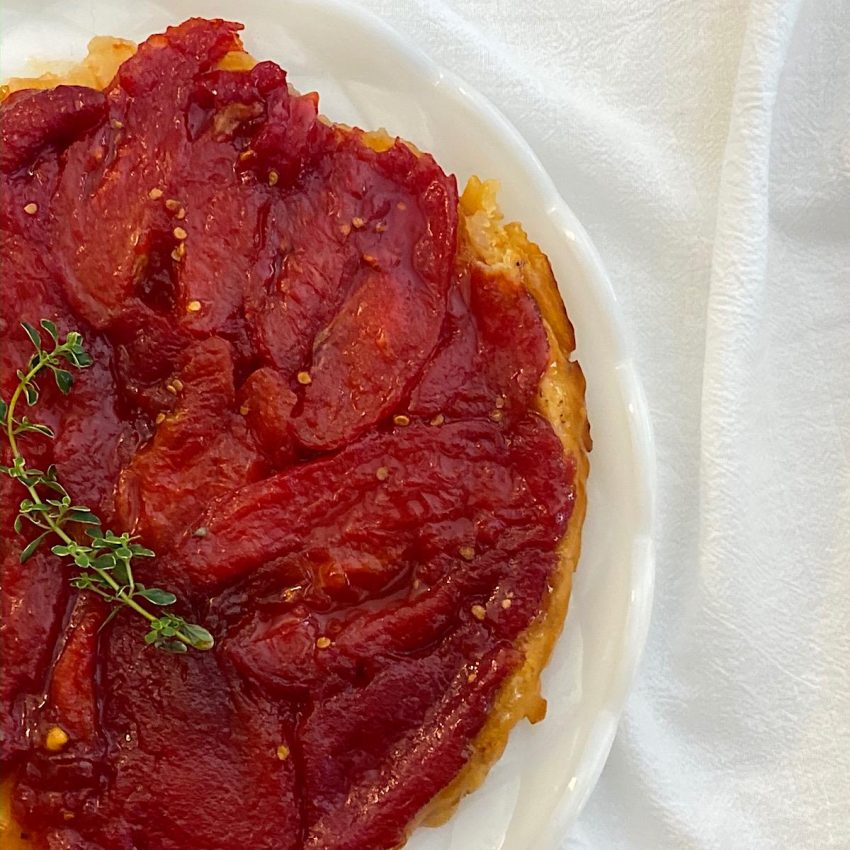
Tomato Tarte Tatin: Heirloom tomatoes caramelized in butter and sugar, topped with puff pastry and flipped for a stunning summer dessert. Only 5 ingredients, and even an imperfect flip tastes incredible.
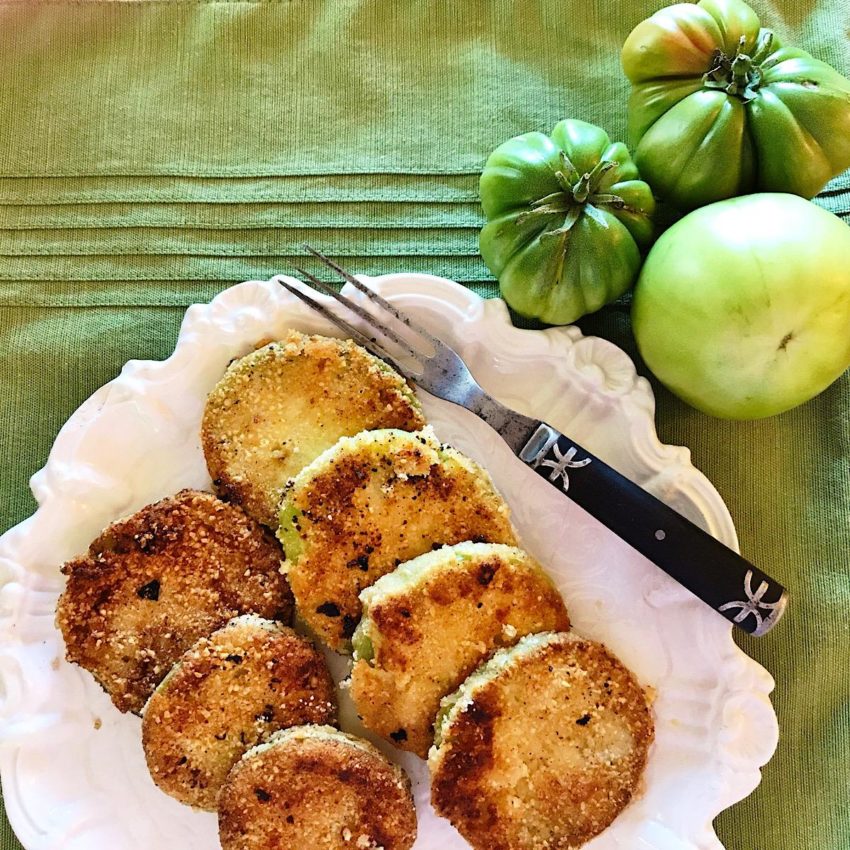
Low Carb Fried Green Tomatoes: A healthy take on Southern fried green tomatoes using almond flour, chicharrones, and parmesan instead of cornmeal. Crispy, flavorful, and keto friendly.
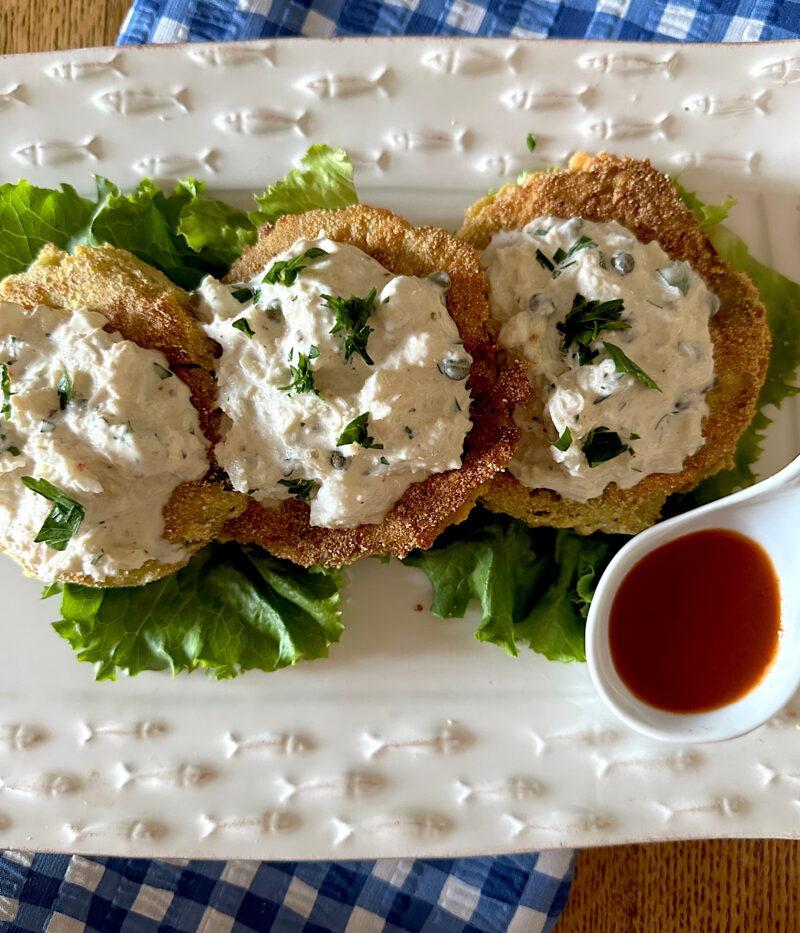
Fried Green Tomatoes with Crab Remoulade: Crispy fried green tomatoes topped with a creamy crab remoulade made with lump crab, Dijon, and Cajun spices. Southern comfort food that plates beautifully as a stack.
Romano Beans with Cherry Tomatoes: Wide, meaty Romano beans slow-cooked with smashed cherry tomatoes, caramelized onions, and a splash of fruit vinegar. The secret is the long cooking and the acid.
Tomato Drinks and Cocktails
Tomatoes make surprisingly refreshing drinks, especially with a little acid and spice to balance them.
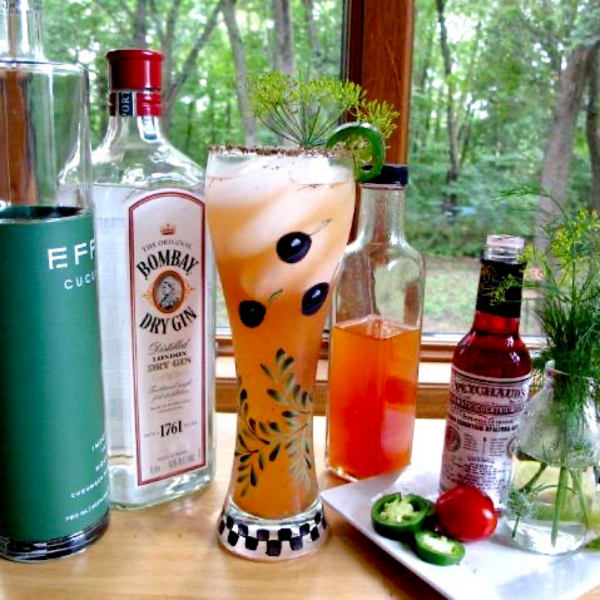
Tomato Shrub Cocktails: Bloody Mary, Martini, and Daiquiri: Three cocktails using homemade tomato shrub syrup. The shrub adds complexity that plain tomato juice can’t match.
Tomato Sangrita: A traditional Mexican chaser for tequila, also delicious on its own. Tomato juice, citrus, and chile.
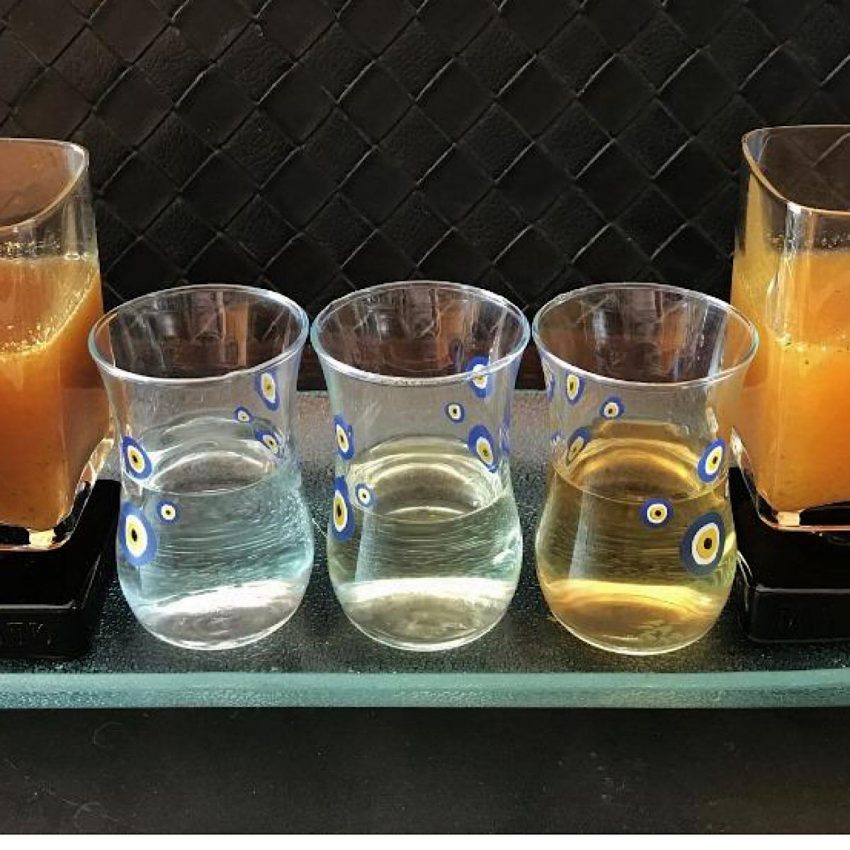
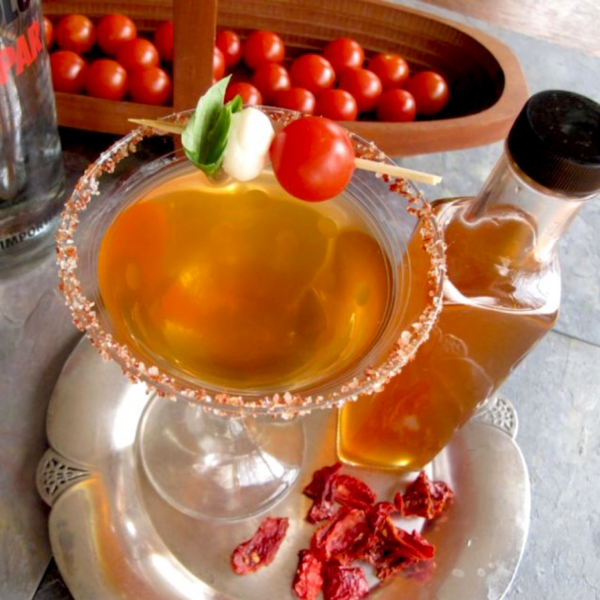
Tomato Martini with Tomato Water: A lighter option using tomato water instead of shrub.
Preserving Tomatoes
The real challenge of growing tomatoes is using them all before they spoil. These preservation methods extend the season.
How to Make Tomato Powder: Dehydrate tomatoes and grind into powder for year-round tomato flavor. One tablespoon replaces a can of tomatoes in stews and sauces.
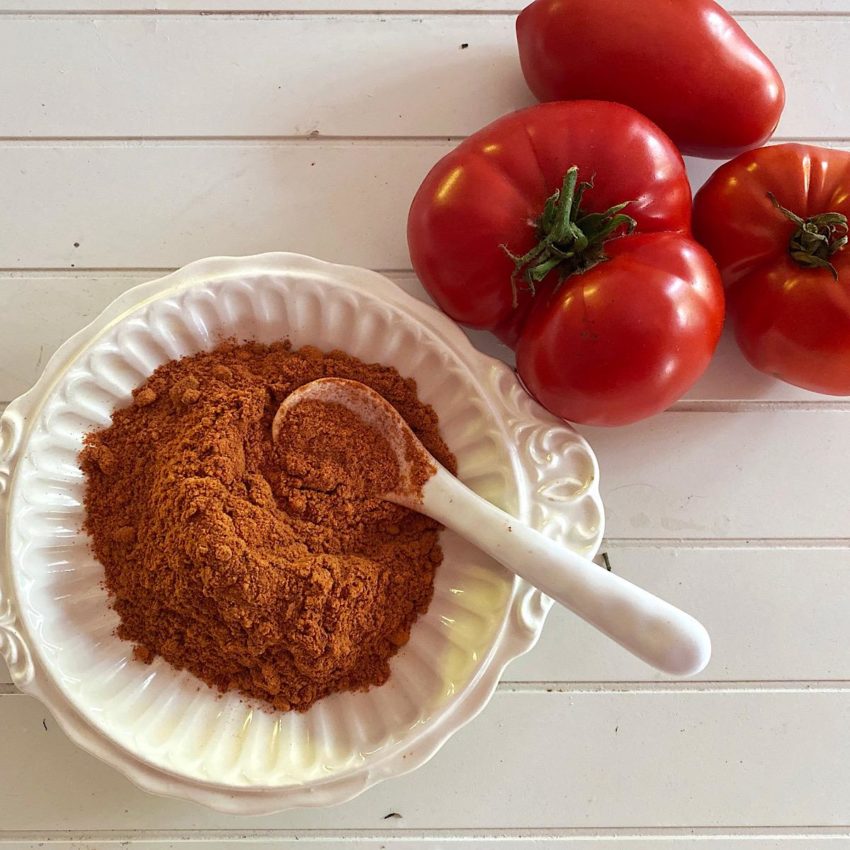
How to Use Tomato Powder: Conversion ratios for replacing canned tomatoes, a two-ingredient tomato salt, dry rub formulas, salad dressings, and more ways to use tomato powder in everyday cooking.
Homemade Sun-Dried Tomatoes: Oven vs. dehydrator methods, best varieties for drying, and storage tips.
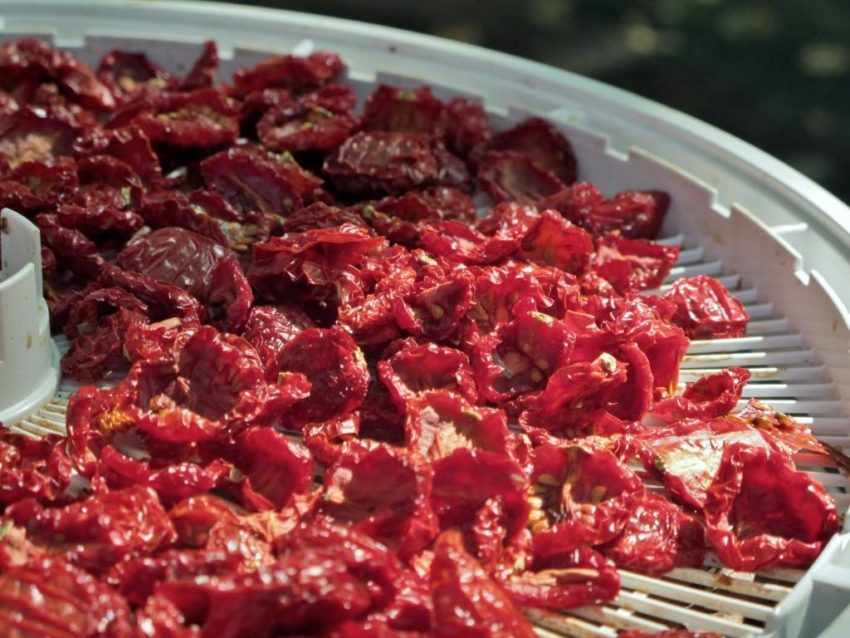
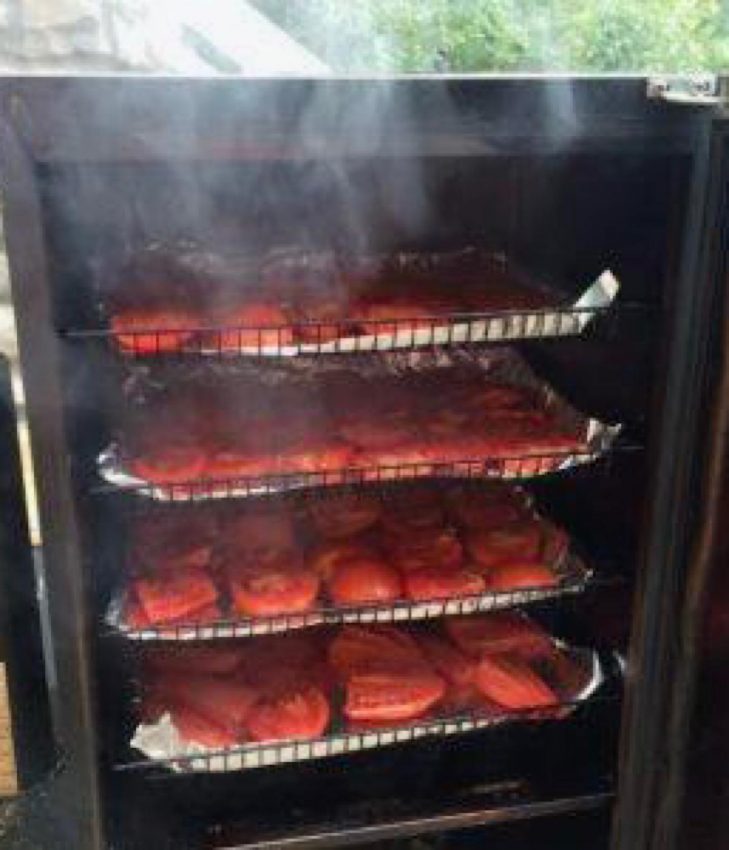
Smoked Tomatoes: We smoke tomatoes at end of season and freeze them for winter soups and shrub syrups.
Quick Pickled Green Tomatoes: Quick pickled green tomatoes are refrigerator pickles that don’t require canning. Use firm green tomatoes, either unripe red varieties or heirloom greens like Aunt Ruby’s or Green Zebra.
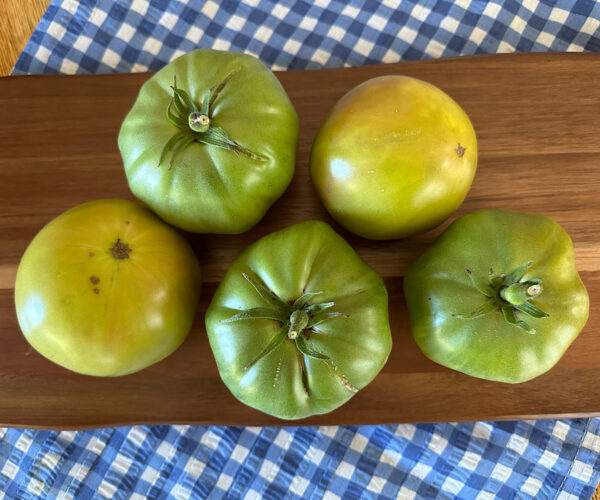
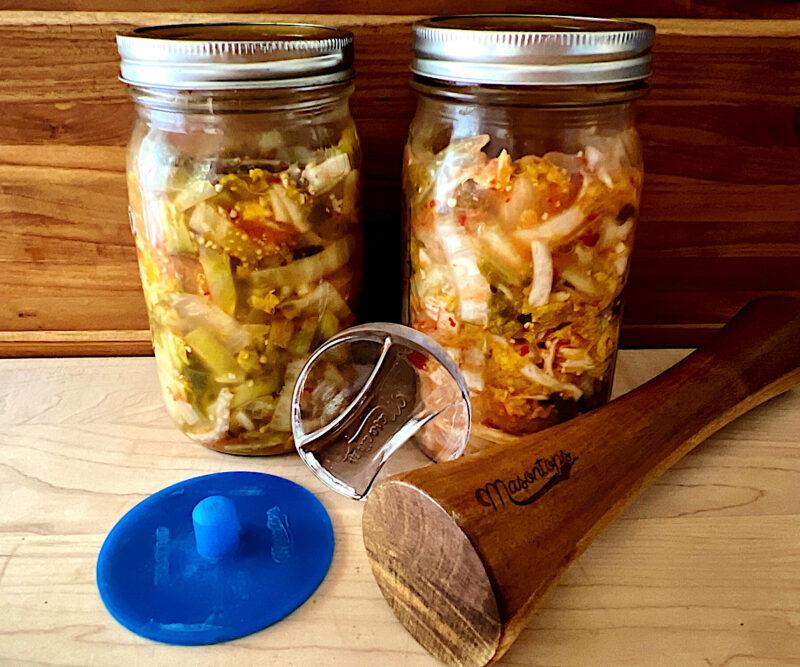
Green Tomato Kimchi: End-of-season green tomatoes fermented Korean-style with napa cabbage, chile peppers, garlic, ginger, and fish sauce. Tangy, spicy, and keeps for months refrigerated.
Tips for Cooking with Heirloom Tomatoes
- Match the tomato to the dish. Meaty varieties like Principe Borghese and paste tomatoes work best for sauces and drying. Juicy slicers like Brandywine are perfect fresh but make watery sauces. Cherry tomatoes roast beautifully and concentrate their sweetness.
- Don’t refrigerate ripe tomatoes. Cold temperatures destroy flavor compounds. Keep them on the counter and use within a few days.
- Salt brings out flavor. A little salt on fresh tomatoes makes a huge difference. Salt them 15-20 minutes before using in salads to draw out moisture and concentrate flavor.
- Acid matters. Higher-acid tomatoes (like Druzba, my favorite) hold their own in cooked dishes where sweeter varieties can taste flat. For fresh eating, lower-acid varieties have a milder, almost creamy quality.
- Color affects flavor. Generally, red and purple tomatoes have more traditional “tomato” flavor with good acid. Yellow and orange varieties tend to be sweeter and milder. Green when ripe (like Green Zebra) often have bright, tangy flavor.
- Use imperfect tomatoes for cooking. Cracked, soft, or ugly tomatoes taste just as good in sauce. Save your prettiest specimens for fresh eating.
FAQ
Paste varieties like San Marzano, Amish Paste, or Opalka have more flesh and less water, so they cook down faster. But any meaty tomato works. Avoid very juicy slicers unless you have time to cook off the liquid.
For cooked dishes, yes. For fresh preparations, no. The texture and flavor of canned tomatoes can’t replicate fresh.
A pinch of sugar or baking soda can cut acidity in cooked sauces. Or choose naturally lower-acid varieties like Yellow Pear or many orange varieties.
Pickle them, fry them, or let them ripen indoors. Green tomatoes stored in a single layer at room temperature will slowly ripen over several weeks.
You’re picking them ripe instead of green. Vine-ripened tomatoes develop sugars and acids that tomatoes picked for shipping never achieve.
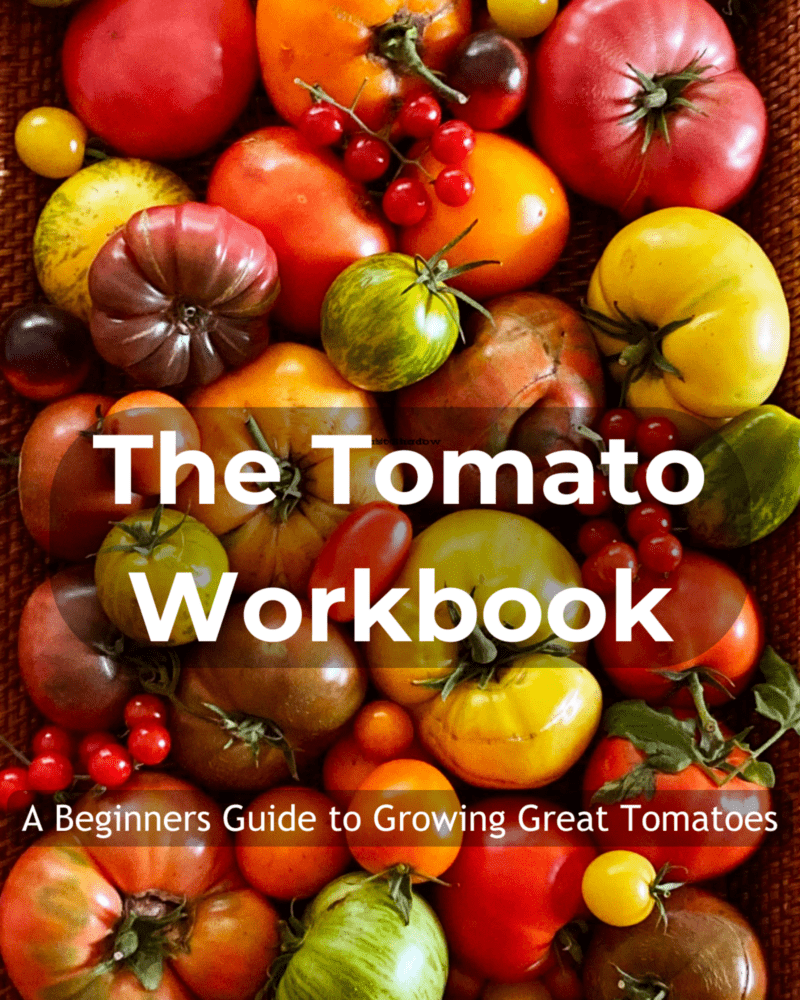
If you want to grow your own tomatoes for recipes like this, The Tomato Workbook for Beginners, covers everything from seed starting to harvest, with variety recommendations for different cooking uses.