
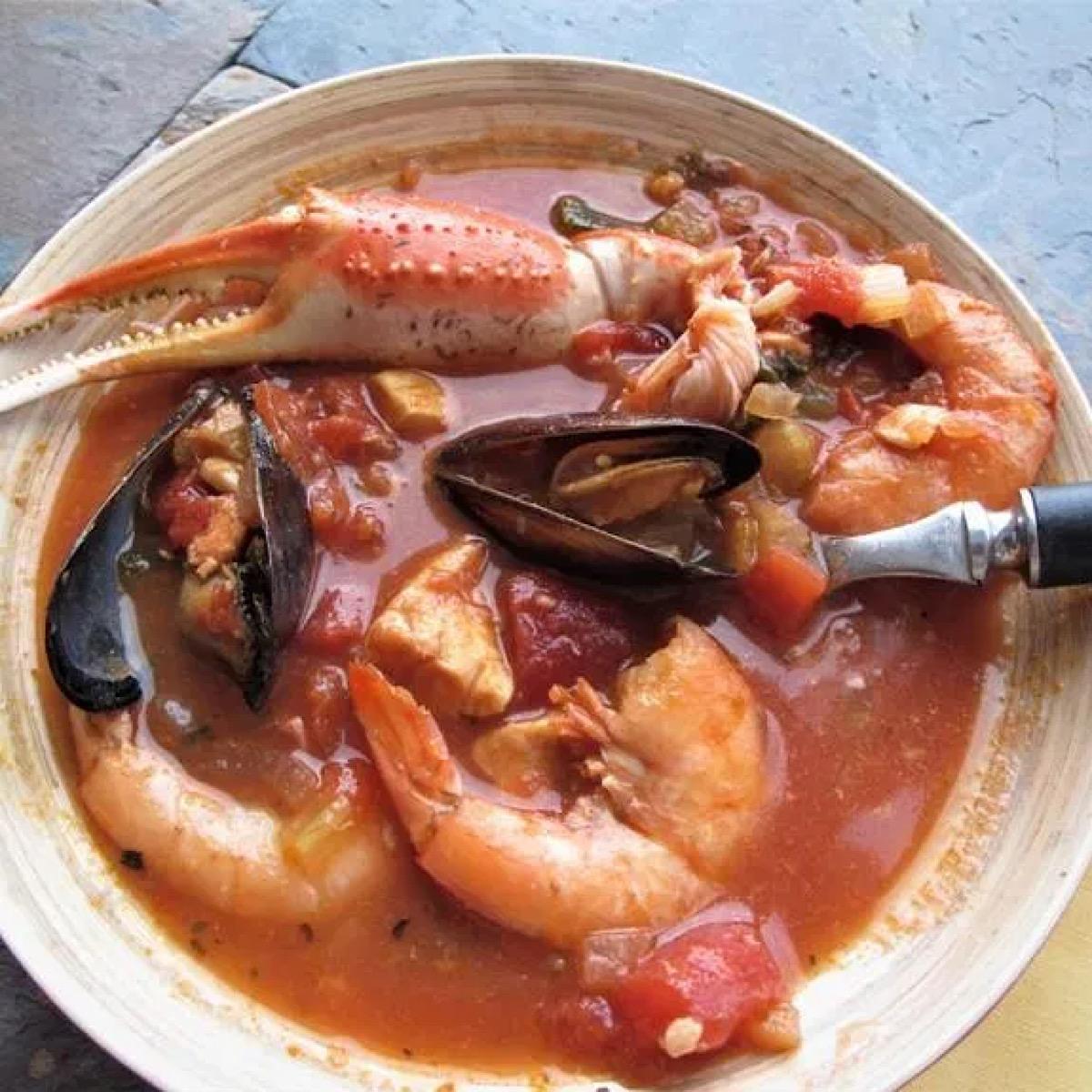
Quick Summary: The difference between cioppino and bouillabaisse boils down to a few key ingredients rather than a cooking method. A recipe for the San Francisco version of cioppino is included, with a link to a popular bouillabaisse recipe. This cioppino recipe involves a rich tomato broth, loaded with mussels, shrimp, white fish, and optional crab or lobster. Works beautifully with frozen seafood. Prep: 10 min | Cook Time: 1.5 hours | Serves 4
Jump to: RECIPE | What is Cioppino | Cioppino vs Bouillabaisse | Seafood Chowder Distinction | Tips for Best Flavor |
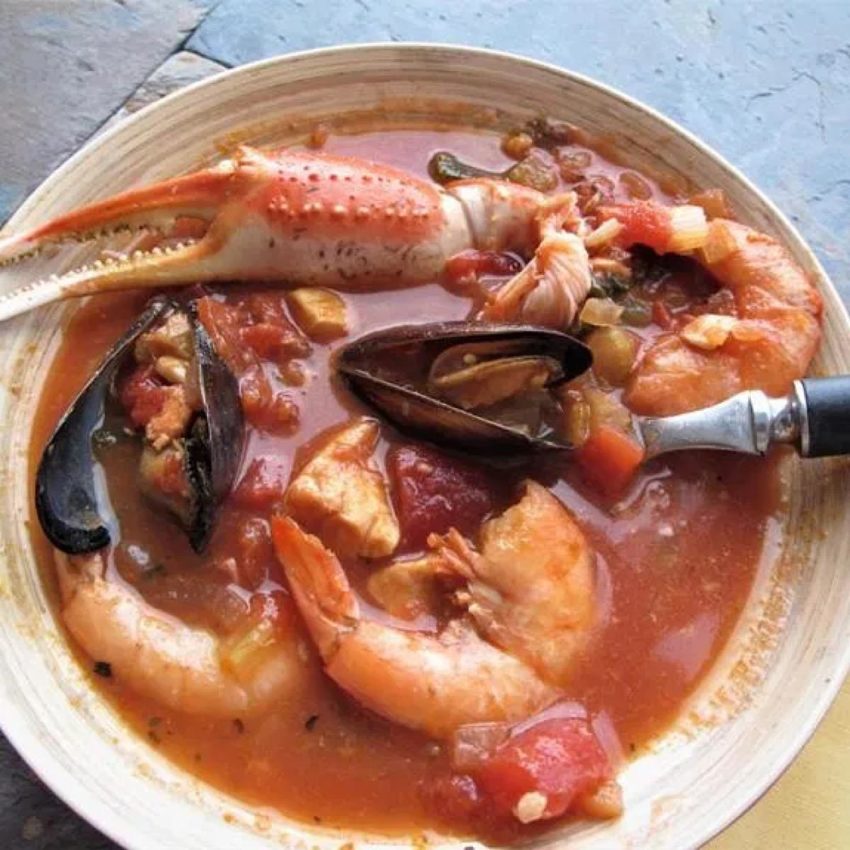
Cioppino is a rich, tomato-based seafood stew that originated with Italian fishermen in San Francisco, and it’s one of my favorite cold-weather dishes. I grew up in Oregon, and seafood stews like this were a regular part of winter meals. This recipe is adapted from Mother’s Bistro, a Portland, Oregon restaurant known for comfort food done right.
Below I’ll walk you through what makes cioppino different from bouillabaisse and from seafood chowder, plus I’ll add tips for making it with frozen seafood if you’re landlocked like I am, now that I live in Minnesota.
This post may contain affiliate links (at no cost to you). Here’s our disclosure information
What is Cioppino?
Cioppino is a homey seafood stew thought to have been created by West Coast (specifically San Francisco) Italian immigrants, with a rich tomato base as its primary broth.
The seafood that goes into cioppino generally has a regional focus, integrating ingredients like Dungeness Crab in San Francisco or lobster in Maine.
Particular seafood ingredients tend to be the “catch of the day”, but one thing is certain…cioppino includes a massive amount of fish.
And, while the type of fish on any given day might include mussels, clams, crab legs, scallops, halibut, or shrimp, the addition of some form of firm-fleshed white fish is a constant.
Other ingredients often seen in cioppino include red wine, onions, garlic, parsley, and basil.
Cioppino vs Bouillabaisse: What’s the Difference?
Bouillabaisse is a hearty French fish stew, similar to cioppino but further characterized by the addition of saffron.
The broth is also a distinguishing factor between cioppino and bouillabaisse. While cioppino has a true tomato base, bouillabaisse has a white (fish stock) base with some tomatoes thrown in.
To get technical, an “authentic” bouillabaisse cannot be made outside of Provence because it must include Provence’s indigenous scorpion fish. In the States, a snapper or sea bass is frequently used as a substitute for scorpion fish.
Other ingredients often seen in a bouillabaisse include white wine, potatoes, fennel, and orange peel.
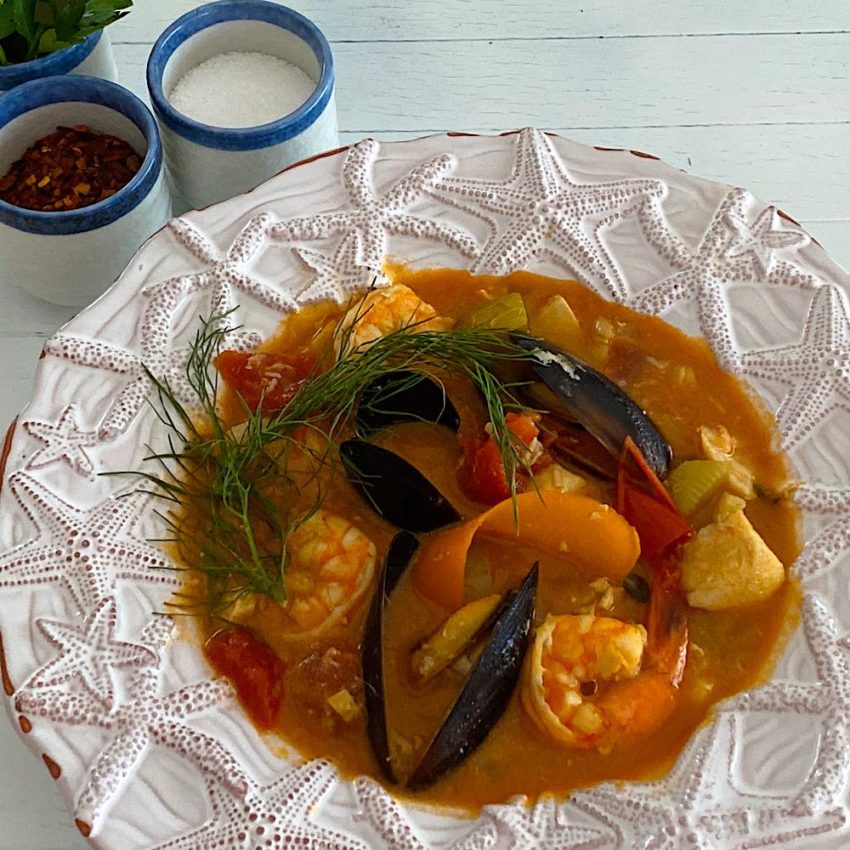
This recipe for a French Bouillabaisse stew is excellent, low-carb, and not difficult to make.
Where Does a Seafood Chowder Fit in?
Much of the seafood in cioppino and bouillabaisse is served in the shell, requiring special utensils (i.e., crab cracker, bibs).
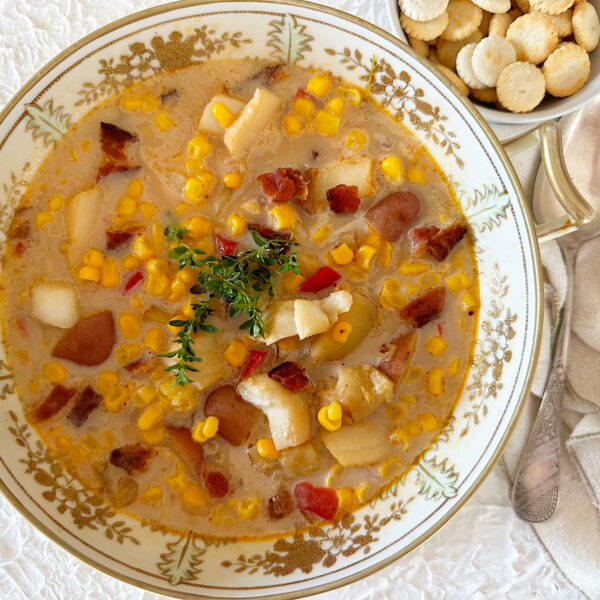
The beauty of a seafood chowder is that it is often made with whitefish instead of shellfish, requiring only a large spoon and a chunk of good crusty bread to sop up the broth.
Often a seafood chowder will include heavy cream in the broth along with the fish stock, and almost always, a chowder will include potatoes.
The type of seafood included in a chowder is the cook’s choice, but you see smoked salmon more frequently in a chowder than in a cioppino or bouillabaisse.
Tips for a High-Flavor Seafood Stew
There is no “right way” to make these fish stews, but there are two keys to making all of these seafood stews taste “great”:
- A good fish stock
- Not overcooking the seafood
Spices are negotiable and are all over the board, so the seasoning is going to vary according to regional or household preferences.
Here in the Midwest, we have a lot of great food to be thankful for, but fresh seafood is something I truly miss from my early days growing up in Oregon.
I used frozen seafood in each of these stews and they turned out fantastic. Seafood these days is often flash-frozen right on the ship and can be a perfect alternative to fresh if you do not live in a coastal area where fresh seafood is readily available.
Want More Fish and Seafood Recipes?
I have over 45 tested fish and seafood recipes on this site, organized by meal type from quick weeknight dinners to holiday entertaining.
FAQ:
Any firm-fleshed white fish works well—cod, snapper, sea bass, or halibut. Avoid delicate fish that will fall apart during simmering.
Yes. Flash-frozen seafood works beautifully in this recipe. I live in Minnesota now and use frozen mussels, shrimp, and fish regularly with excellent results.
Cioppino has an Italian-American origin and a tomato-heavy broth. Bouillabaisse is French, uses a fish stock base with saffron, and traditionally includes scorpion fish from Provence.
Yes. This recipe is naturally low in carbohydrates and fits slow carb, keto, and Pesco-Mediterranean approaches. Just check your pasta sauce label for added sugars.
Yes. Cioppino is one of the best options for a fish-forward Christmas Eve because it feeds a crowd from one pot, looks impressive on the table, and most of the prep can be done ahead. Simmer the tomato broth earlier in the day, then add the seafood 15 minutes before serving. Serve with crusty bread and a simple salad. Bouillabaisse works equally well if you prefer a French approach to the same idea.

Want a printable reference for your kitchen? The Fish and Seafood Quick Reference Guide covers cooking methods, timing charts, sauce pairings, and holiday planning ideas in 8 pages you can keep next to the stove.
West Coast Low Carb Cioppino
Equipment
- Dutch oven Or large stockpot
Ingredients
- 1 tablespoon olive oil
- ½ teaspoon red pepper flakes
- 5 garlic cloves minced
- 3 cups clam juice can be bottled clam juice
- 26 ounces pasta sauce pre-made (compare nutritional label for sugar content)
- ½ cup parsley finely chopped
- ½ teaspoon basil chopped, can be omitted if not fresh basil
- ½ teaspoon dried thyme
- ¼ teaspoon fennel seed freshly ground
- ½ teaspoon salt
- ¼ teaspoon black pepper
- 1 pound mussels can be frozen
- ½ cup dry white wine
- 1 pound whitefish (cod, snapper, sea bass, etc.), cut into bite size pieces
- 1 pound uncooked medium shrimp
- crab or other shell-fish optional
- 2 lobster tails optional
- 2 cups fresh spinach torn into large pieces
Instructions
- Heat oil in a Dutch oven (or large pot) over medium-high heat. Add pepper flakes and garlic and saute quickly (about 30 seconds). Stir in clam juice to deglaze and add next seven ingredients (pasta sauce through salt & pepper).1 tablespoon olive oil, 1/2 teaspoon red pepper flakes, 5 garlic cloves, 3 cups clam juice, 26 ounces pasta sauce, 1/2 cup parsley, 1/2 teaspoon basil, 1/2 teaspoon dried thyme, 1/4 teaspoon fennel seed, 1/2 teaspoon salt, 1/4 teaspoon black pepper
- Reduce the heat, cover the pot, and simmer over low heat (taste for desired depth of flavor to determine when to stop simmering – it can be anywhere from 30 minutes to 3 hours).
- Add mussels. Cover and cook over medium heat about 4- 5 minutes, or until shells open (discard any unopened shells). Add wine and rest of fish and simmer 5 minutes or until fish is done (do not overcook!).1 pound mussels, 1/2 cup dry white wine, 1 pound whitefish, 1 pound uncooked medium shrimp, crab or other shell-fish, 2 lobster tails
- Stir in spinach to the hot stew to soften, and serve with a crusty French Bread or other robust bread.2 cups fresh spinach
You’re right!
I did make paella!
I had Bouillabaisse on the Queen Mary. That’s the one that was so good. The recipe I used is the same as yours, except I added some “fish sauce”.
Oh, I’m jealous! Bouillabaisse on the Queen Mary sounds fun and delicious. My husband loves fish sauce added to anything, so I’ll try that next time. Thanks for the tip!
Corn & crab chowder has got to be my absolute Fall favorite!
I love it also….hard for me to pick a favorite, but that one is really nice for people that can’t eat shellfish.
I had bouillabaise on the Queen Mary & read loved it, SO, I looked up a recipe, close to yours. Great, but I cooked mine til the rice crisped. I don’t see
the rice here.
Did I do something wrong?
It was crispy, 1-dish home-style, dinner,
Hi Carmen, I’m not familiar with serving rice with bouillabaise or seafood stews? The crisp rice is a standard in paella and I wonder if that is what you are thinking of. Take a look at this seafood paella and see if it is more along the lines of what you remember from the Queen Mary.
Sea food chowder recipe?
Yeah, google only likes us food bloggers to do one recipe card per post. I’ll try and round up the seafood chowder recipe I used to have on this post and add it in the comments here. Sorry about that!
Pingback: German Chocolate Cake via David Lebovitz | Farm to Jar FoodFarm to Jar Food
Thank you for explaining the difference between these similar soups. You confirmed how I have always explained it. I have been making bouillabaisse at Christmas for years.
You bet Nancy! They are all really wonderful aren’t they. Our favorite around here is the ciopinno.
Lovely post! We too came back from San Fran with a longing for Ciopinno! Quick question, in the Ciopoinno recipe you preheat the oven, but as the recipe continues I can’t tell what is supposed to go in the oven. Could you explain that for me. Thanks!
Thank you for catching that confusing direction! My original recipe included making some crostini with French Bread (sliced and baked for 15 min at 350), to accompany the Cioppino. I forgot to take that direction out, so I will update it. Just ignore it, unless you want to put some bread in the oven towards the end of the Cioppino’s time.
Dorothy — You inspired me to make bouillabaisse this past week-end. I used a Mark Bittman recipe from his cooking app (which I probably use as much as all my other cooking apps combined) as the foundation but with a few changes. I had less fish and seafood on hand than he called for (the problem with deciding in general what one wants to make before consulting recipes!) so substituted some fish stock from the freezer and a bottle of clam juice for the water called for in his recipe. I frankly thought the fish (fresh line-caught Alaskan cod) and seafood (fresh clams and a frozen mix of scallops, calamari, and shrimp) was sufficient, even though I used about half the amount called for in the recipe, and the flavor was terrific. I also splashed in a little Pernod near the end to heighten the anise/fennel flavor. It was yummy!
M-m-m Pernod splash sounds great! I’m sure fresh seafood is always best, but I was surprised at the quality of frozen seafood you can get in the store.
super post….super!
Thank you Mr. or Ms. Anonymous!