Grow Your Own Food

This category covers a wide range of topics focused around the benefits you will see when you learn to grow your own food. Benefits like self-sufficiency, health, cost savings, flavor, and fun!!

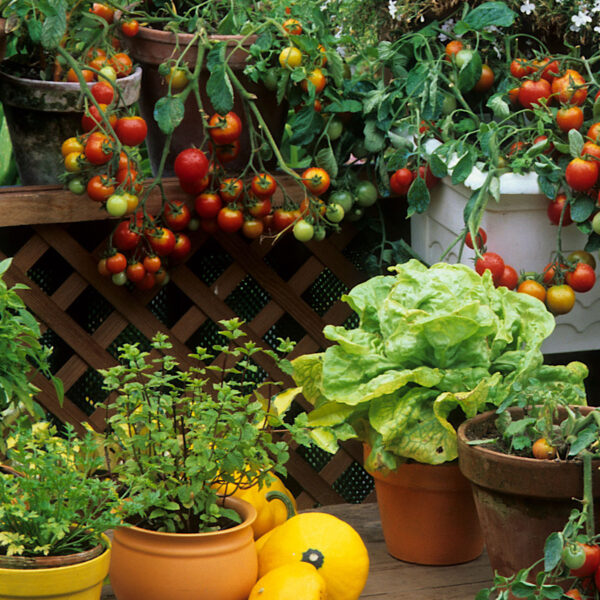
Balcony garden of containers filled with compatible varieties of tomatoes, herbs and veggies.

Companion Planting with Tomatoes: What Works and What Not to Plant

Quick Summary: Tomatoes benefit from companion plants that deter pests, attract beneficial insects, and don’t compete aggressively for nutrients. Excellent choices include basil, marigolds, carrots, and lettuce. Avoid fennel, brassicas planted too close, walnut trees, and other nightshades like potatoes. Read time: 12 min | Applies to: Containers and garden beds Jump to: What is […]

Companion Planting with Tomatoes: What Works and What Not to Plant Read Post »
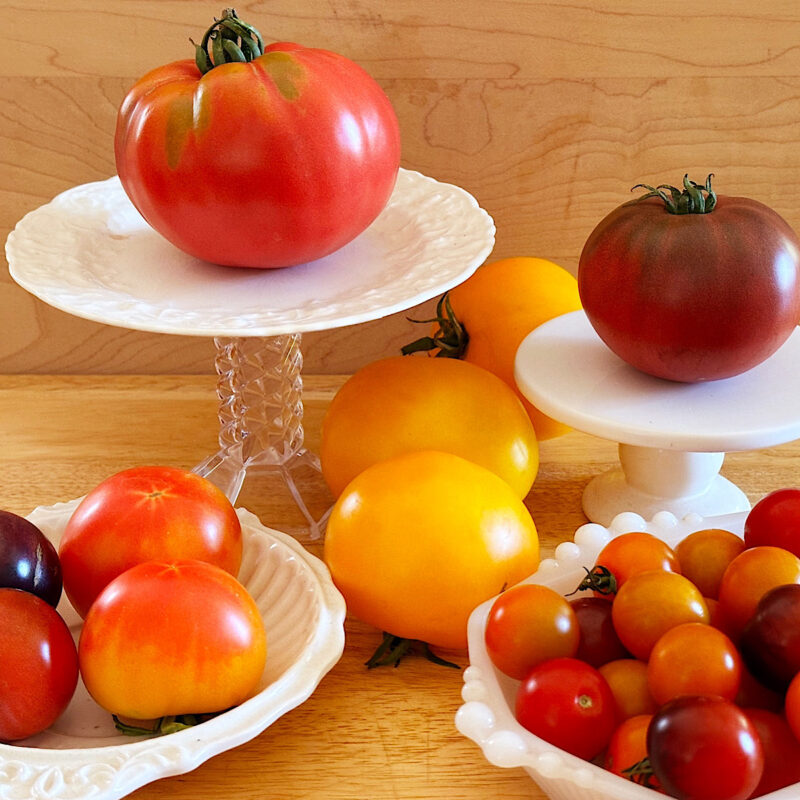
Early season heirloom tomatoes

Are Heirloom Tomatoes Hard to Grow? Heirloom Varieties vs Hybrid Tomatoes

Quick Summary: Heirloom tomatoes aren’t necessarily harder to grow than hybrids, but they have characteristics that make them different to manage. The main challenges are disease susceptibility and shorter shelf life due to thin skins, not the actual growing process. If you select the right variety for your climate and don’t have disease pressure in

Are Heirloom Tomatoes Hard to Grow? Heirloom Varieties vs Hybrid Tomatoes Read Post »

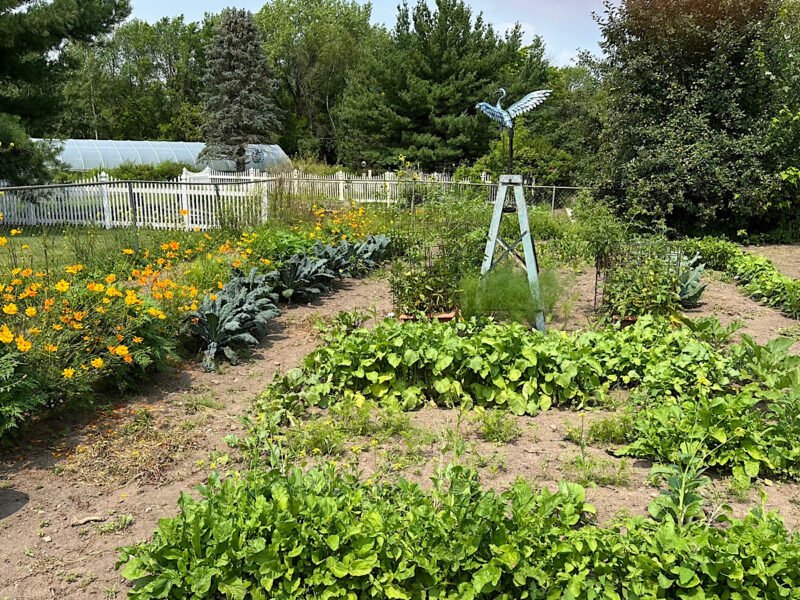
Italian garden mid-July

Succession Planting Guide: How to Stagger Your Garden for a Longer Harvest

Quick Summary: Succession planting staggers your harvest by planting crops at different times or choosing varieties with different maturity dates. Three approaches: plant different crops that mature in different seasons, sow the same crop every 2-3 weeks for continuous harvest, or grow early, mid, and late varieties of the same vegetable. Benefits include no harvest

Succession Planting Guide: How to Stagger Your Garden for a Longer Harvest Read Post »
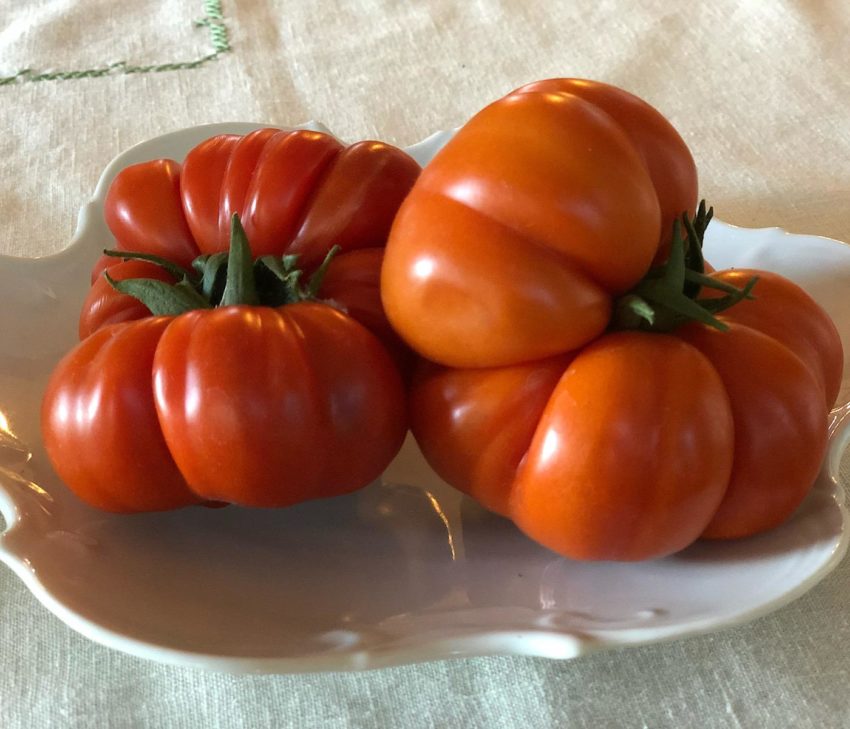
Two costoluto heirloom tomatoes on a plate

Italian Tomatoes: Best Varieties for Cooking and How to Grow Them

Quick Summary: The essential Italian tomato varieties for home gardeners who love to cook. Includes paste tomatoes for sauces (San Marzano, Schiavone, Corbarino), beefsteaks for salads and sandwiches (Cuore di Bue, Costoluto Genovese), and specialty varieties for drying and storage (Principe Borghese, Piennolo). Tips on growing, container gardening, and troubleshooting. From a farmer who grows

Italian Tomatoes: Best Varieties for Cooking and How to Grow Them Read Post »

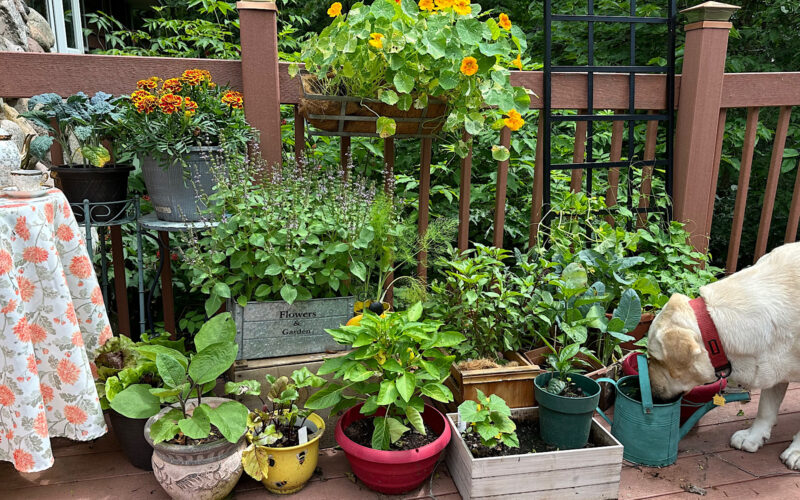
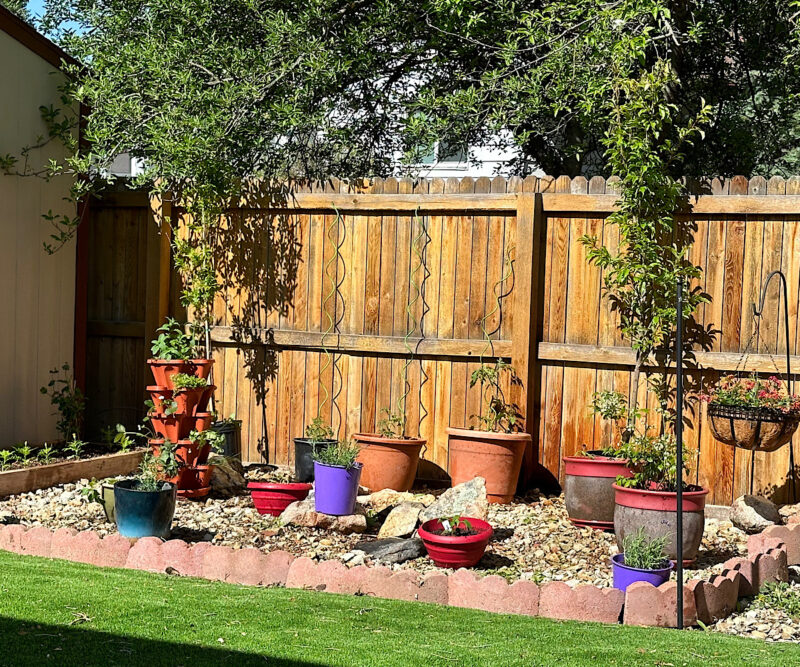
Balcony vegetable garden with dog drinking out of watering can

Mini Vegetables for Balcony Gardens and Small Pots: Best Varieties and Pot Sizes

Quick Summary: Mini vegetables like ‘Tom Thumb’ peas, ‘Patio Baby’ eggplant, ‘Bambino’ carrots, and alpine strawberries are ideal for balcony and patio container gardens. Most need pots at least 10 to 12 inches in diameter and 8 to 12 inches deep, depending on the crop. Read time: 6 min | Experience level: Beginner Jump to:

Mini Vegetables for Balcony Gardens and Small Pots: Best Varieties and Pot Sizes Read Post »

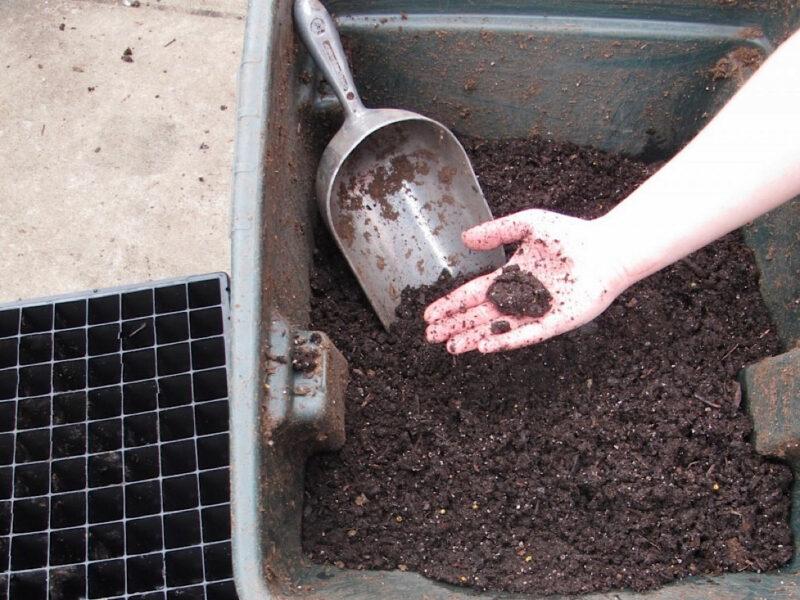
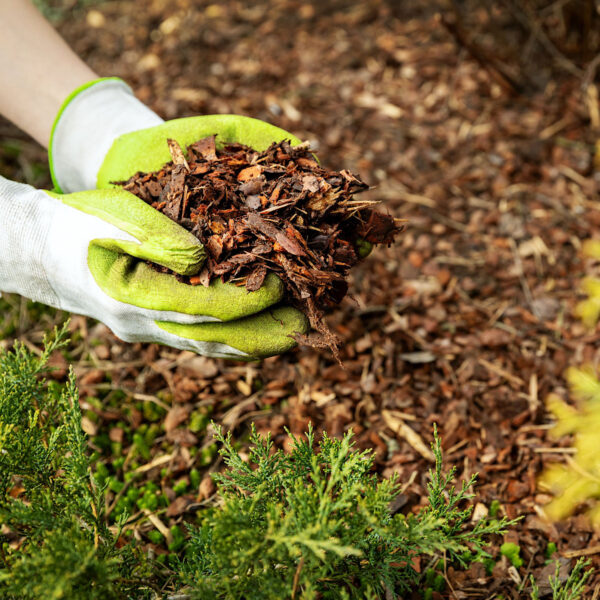
Example in hand of how wet potting soil should be when starting seeds.

Homemade vs Commercial Potting Soil: (Plus Preventing Damping-Off)

Quick Summary: Homemade potting soil gives you full control over ingredients but requires space and bulk materials. Commercial potting soil is convenient and consistent. Either way, use sterile mix, avoid overwatering, and keep lights close to prevent damping-off. Read time: 7 min | Experience level: Beginner to intermediate Jump to: Homemade Potting Soils | Commercial

Homemade vs Commercial Potting Soil: (Plus Preventing Damping-Off) Read Post »

Italian garden mid-July

Italian Vegetables: What to Grow for Italian Cooking (Including Italian Herbs)

Quick Summary: An Italian kitchen garden needs tomatoes (paste, slicer, and cherry types), squash, beans, chicory, peppers, eggplant, kale, broccoli, onions, lettuce, and herbs like basil, oregano, and parsley. Grow in the ground or containers. Most Italian varieties thrive in US gardens with warm summers. Read time: 12 min | Experience level: Beginner to intermediate

Italian Vegetables: What to Grow for Italian Cooking (Including Italian Herbs) Read Post »

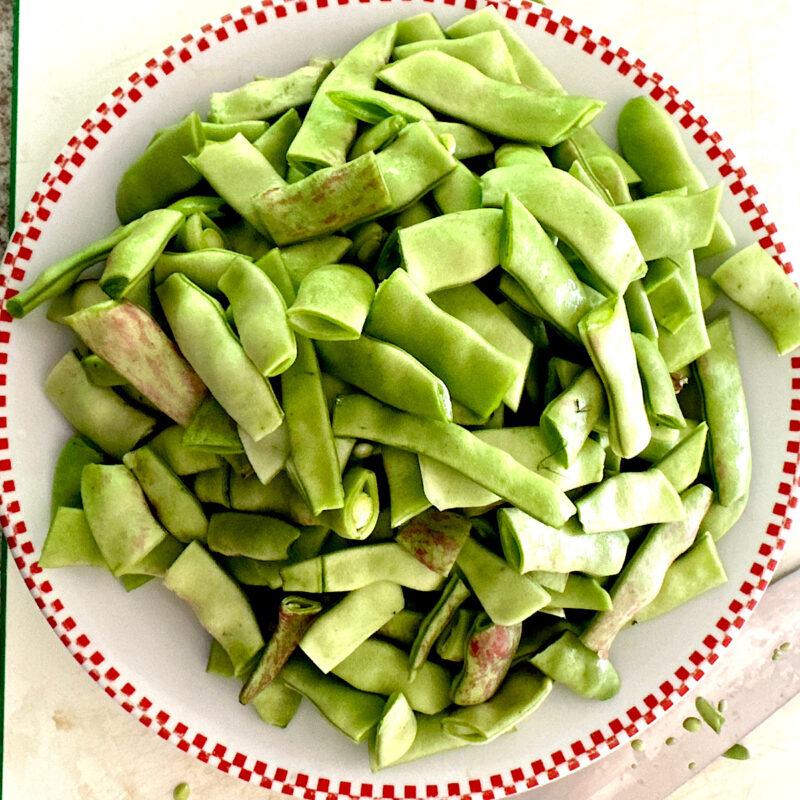
Plate of stemmed Italian flat beans.

How to Grow Romano Beans (Flat Beans): Varieties, Planting, and Cooking

Quick Summary: Romano beans (Italian flat beans) are easy to grow, disease-resistant, and highly productive. Pole varieties need trellising and reach up to 10 feet; bush varieties stay compact. Sow directly in garden after soil reaches 60°F. Harvest at 6 inches for tender pods. Read time: 10 min | Experience level: Beginner Jump to: What

How to Grow Romano Beans (Flat Beans): Varieties, Planting, and Cooking Read Post »

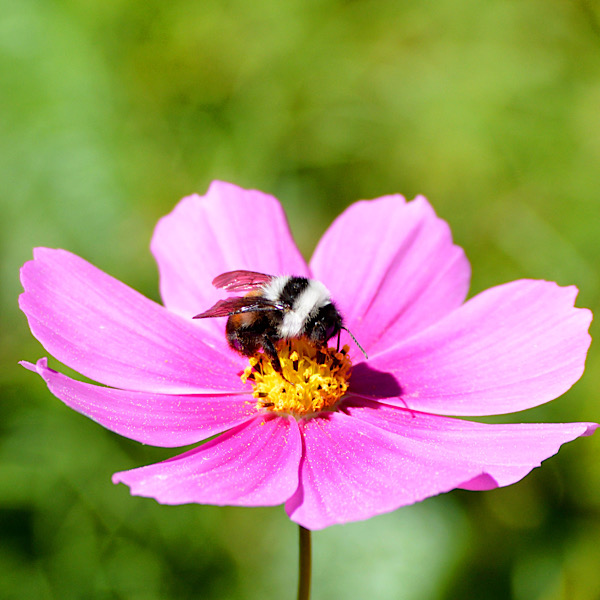
Bee pollinating a pink cosmos flower

Pollination Guide: Which Fruits and Vegetables Need Bees?

Quick Summary: Most garden fruits and vegetables need bee pollination to produce crops. Attract pollinators by planting nectar flowers near your vegetables throughout the growing season. For indoor gardens, hand-pollinate using a small brush to transfer pollen between flowers. Read time: 10 min | Experience level: Beginner to intermediate Jump to: |Why Pollination is Needed

Pollination Guide: Which Fruits and Vegetables Need Bees? Read Post »

Bowl of fresh strawberries and a jar of strawberry rhubarb jam

The Sweetest Strawberries: Varieties and How to Grow Sweet Strawberries

Quick Summary: Strawberry sweetness depends on variety, potassium fertilizer, full sun, and harvesting at peak ripeness. June-bearing varieties like Earliglow and Honeoye tend to be sweetest, but day-neutrals like Albion and Seascape also deliver excellent flavor. Read time: 10 min | Experience level: Beginner to intermediate Jump to: Sweetest Varieties | How To Grow |

The Sweetest Strawberries: Varieties and How to Grow Sweet Strawberries Read Post »

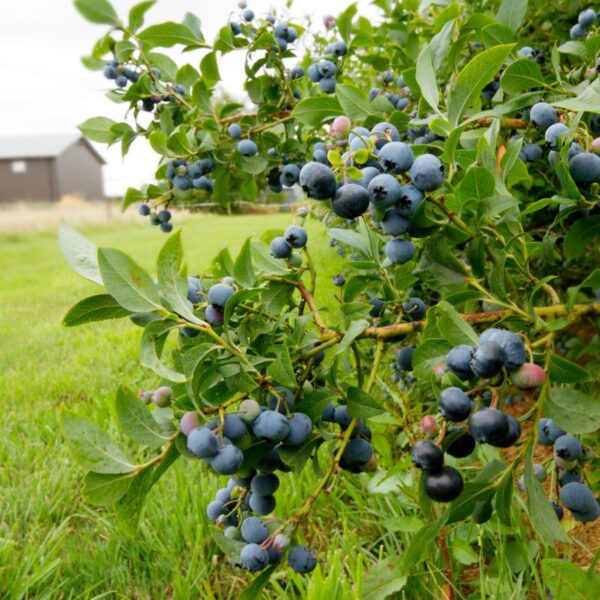
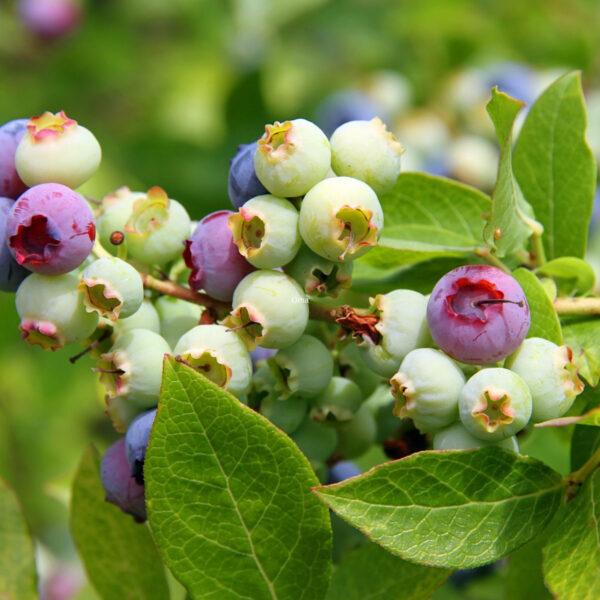
Northland blueberry plant covered with ripe blueberries

How to Grow Sweeter Blueberries: Best Varieties and Growing Tips for Maximum Flavor

Quick Summary: Which blueberry varieties are the sweetest, and what can you do as a gardener to maximize flavor? Half-high varieties like St. Cloud and highbush varieties like Bluecrop are among the sweetest for Midwest growers. Potassium is the single biggest factor in developing sugar content, followed by sun, soil acidity, and letting berries fully

How to Grow Sweeter Blueberries: Best Varieties and Growing Tips for Maximum Flavor Read Post »

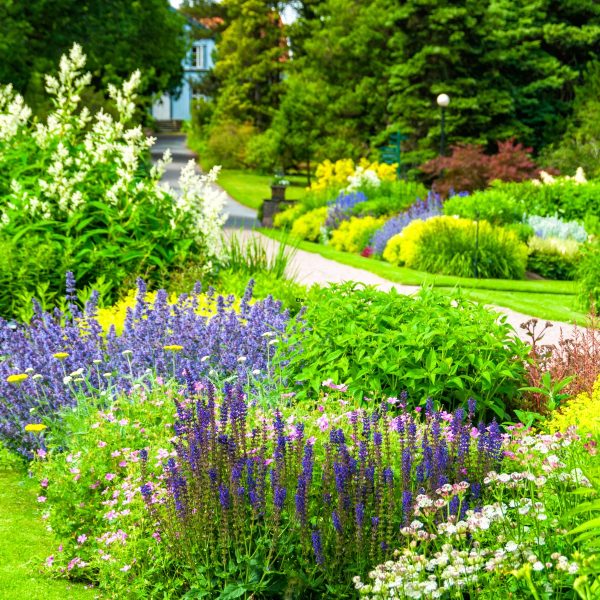
landscaping with blue plants, including blueberry bushes

Blueberry Companion Plants: Best and Worst Companion Plants for Blueberry Bushes

Quick Summary: Blueberries benefit from companion plants that attract pollinators, tolerate acidic soil, and don’t compete aggressively for nutrients. Good choices include heather, fuchsia, strawberries, and herbs like thyme and lavender. Avoid nightshades, raspberries, and walnut trees in the garden plot. Read time: 10 min | Applies to: Containers and garden beds Jump to: Benefits

Blueberry Companion Plants: Best and Worst Companion Plants for Blueberry Bushes Read Post »

Scroll to Top