
Quick Summary: Lapsang souchong is a black tea smoked over pinewood fires, producing a distinctive campfire aroma. Originating in the Wuyi Mountains of Fujian, China, it was the first black tea exported to the West. Quality lapsang has balanced smoke and underlying sweetness, not the overwhelming tar flavor of lower grades. It pairs well with savory foods and makes an excellent base for blends.

Jump to: What is Lapsang Souchong? | Taste? | How to Brew? | What is Builders Brew? | Food Pairings | Cooking | FAQ
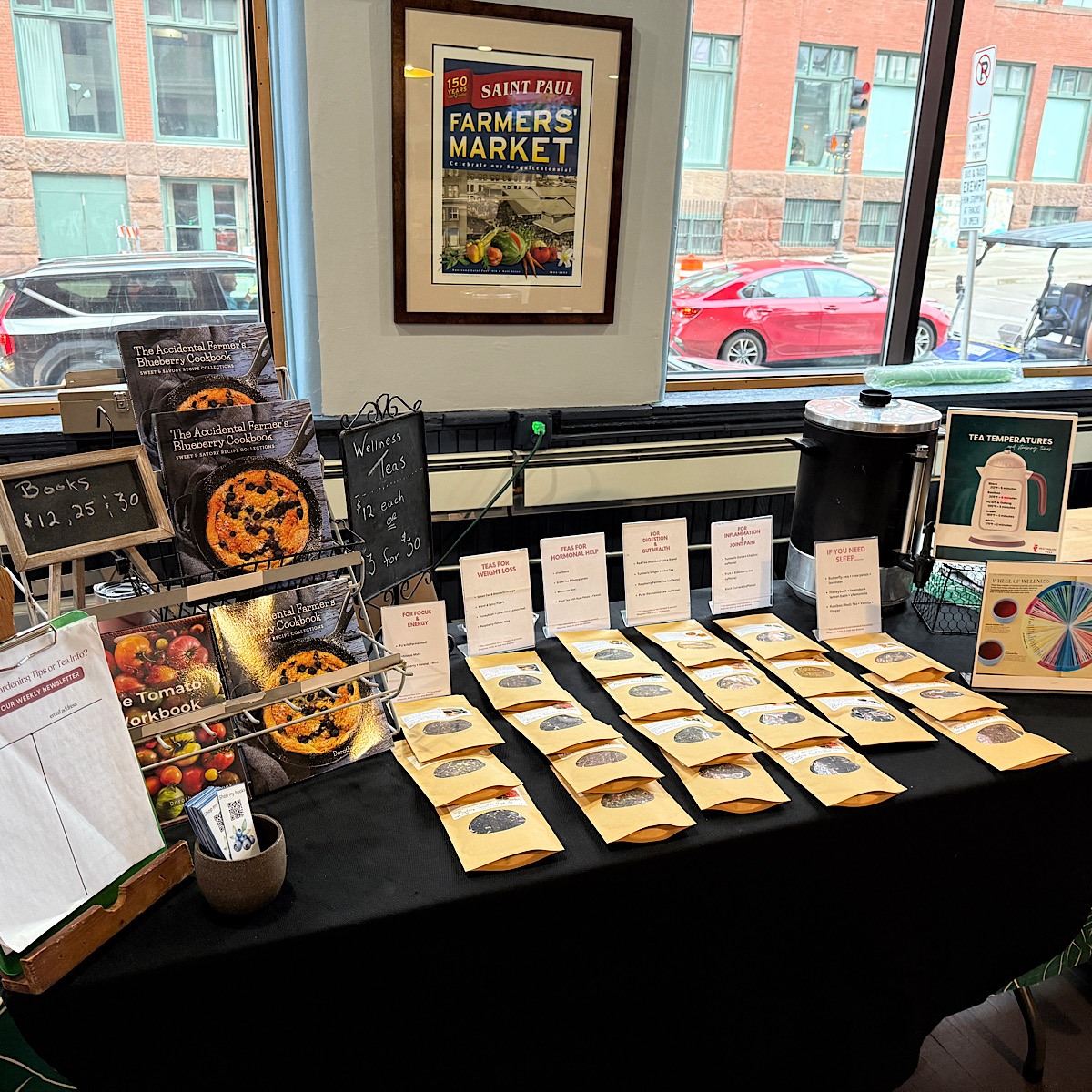
At HeathGlen Organic Farm, I’m developing a new blend built on lapsang souchong that I’ll be selling at the St. Paul Farmers’ Market. The working names are “Builder’s Brew” or “Campfire Tales,” and it includes pink peppercorns for a subtle fruity heat.
Lapsang souchong is polarizing. People either love the smoky character or find it overwhelming. But quality lapsang, properly brewed, offers complexity beyond just smoke.
Here’s what you need to know about this distinctive tea.
What Is Lapsang Souchong?
Lapsang souchong (laap·saang soo·shaang) is a black tea that’s smoke-dried over pinewood fires. The smoking process infuses the leaves with a distinctive campfire, bacon-like aroma that sets it apart from all other teas.
The name breaks down as: “Lapsang” refers to the Wuyi Mountain region of Fujian Province, China, and “souchong” indicates the fourth and fifth leaves from the tea bush (larger, more mature leaves). Authentic lapsang souchong comes from this specific region.
It’s considered the first black tea ever produced and the first Chinese tea exported to Europe in significant quantities. The British love affair with tea began with lapsang souchong.
I sell my version of Lapsang Souchong blend at the St. Paul Farmers’ Market as “Builders’ Brew”.
Why Is Lapsang Souchong Smoked?
The origin story involves either accident or necessity, depending on the version.
During the Qing Dynasty, tea production in the Wuyi Mountains was disrupted (by soldiers camping in the tea factory, in one popular version). To speed up drying and meet trade deadlines, producers smoked the leaves over pinewood fires. The resulting smoky tea was unexpected but appealing to Western traders.
Whether the story is historically accurate or not, the technique became traditional for this tea. The smoking happens after the leaves are withered and oxidized. They’re placed on bamboo racks over smoldering pinewood (traditionally Chinese pine) and absorb smoke for several hours.
What Does Lapsang Souchong Taste Like?
Quality lapsang souchong has layers beyond smoke:
Primary notes:
- Smoke (campfire, wood smoke, sometimes described as bacon or whisky)
- Pine resin
- Dried fruit sweetness beneath the smoke
- Malty, slightly caramelized base
What distinguishes good lapsang: The smoke should complement the tea, not obliterate it. Cheap lapsang tastes like licking an ashtray. Good lapsang has smoke upfront but reveals sweetness, fruit, and complexity underneath. The finish should be clean, not acrid.
Common quality issues:
- Overwhelming, harsh smoke (over-smoked or artificial smoke flavoring)
- Chemical or plastic notes (artificial flavoring)
- Flat, one-dimensional profile (low-grade tea base)
How Do You Brew Lapsang Souchong?
Lapsang souchong is forgiving to brew but benefits from attention:
Brewing parameters:
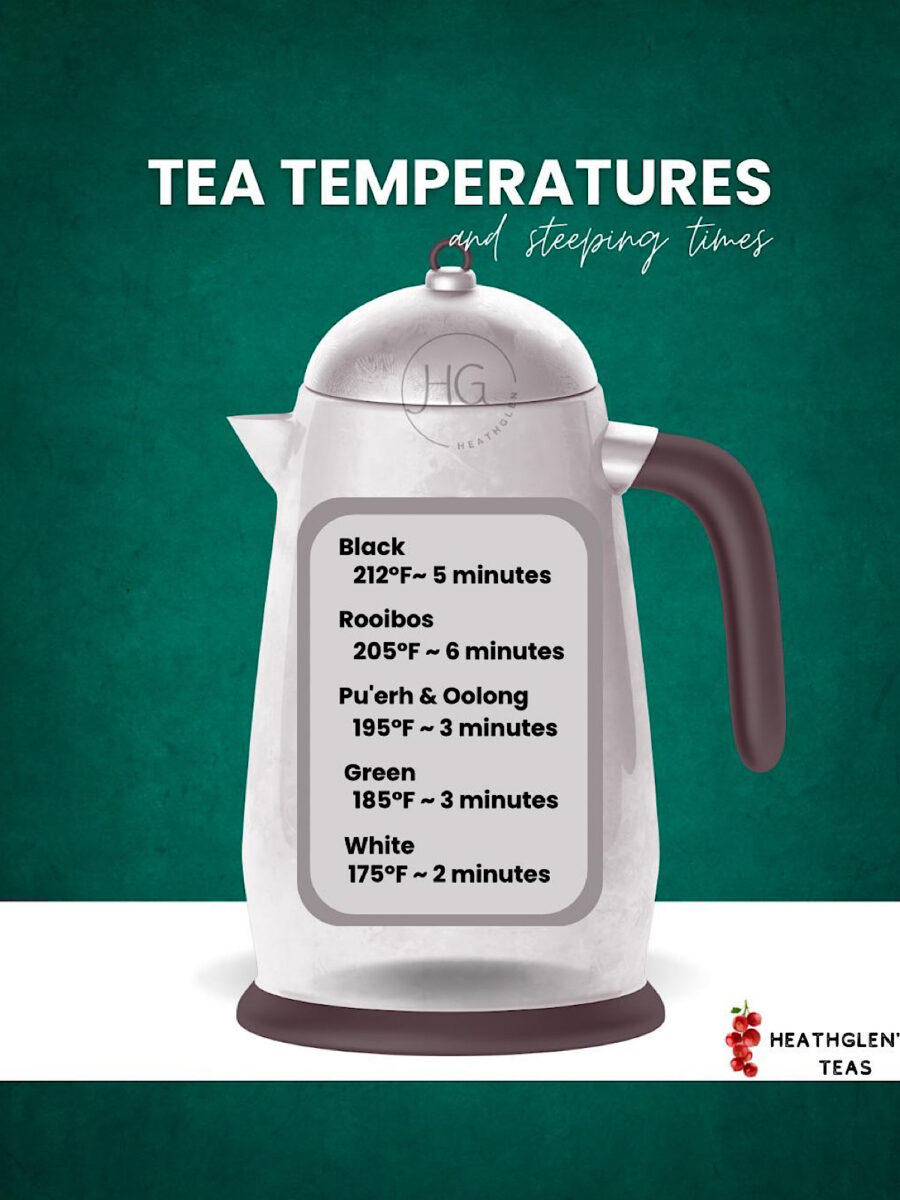
- Water temperature: Boiling (212°F)
- Tea amount: 1 teaspoon per 8 oz cup
- Steep time: 3-5 minutes
- Can re-steep 2-3 times
Tips:
- Shorter steeps (3 minutes) emphasize smoke and aromatics
- Longer steeps (5 minutes) bring out more body and sweetness
- Don’t over-steep heavily smoked versions, which can become bitter
- Let the tea cool slightly before drinking; extreme heat masks flavors
Lapsang works well brewed strong with milk for a robust breakfast cup, similar to how it’s traditionally enjoyed in British “builder’s tea.”
What Is Builder’s Brew?
“Builder’s brew” or “builder’s tea” is British slang for a strong, unpretentious cup of tea with milk and often sugar. It’s the tea that construction workers, tradespeople, and anyone wanting a robust, no-fuss cup would drink.
Traditional builder’s tea uses strong black tea (often a blend including Assam), brewed dark, with milk and sweetener. The emphasis is on strength and caffeine delivery, not delicate flavor notes.
Lapsang souchong makes an excellent builder’s brew base because its bold smoke flavor holds up to milk and sugar without disappearing. The smoke cuts through dairy and remains present.
I trialed my version of Lapsang Souchong as Builders’ Brew in this fun Ploughmans’ Lunch I put together for my family at Christmas. I didn’t think they would like the smoky tea, but my daughter has now requested I send it to her in Denver on a monthly basis.

What Foods Pair with Lapsang Souchong?
Lapsang’s smoky character makes it unusually food-friendly, especially with savory dishes:
Excellent pairings:
- Smoked salmon, bacon, or cured meats
- Strong cheeses (aged cheddar, blue cheese)
- Grilled or barbecued foods
- Hearty bread with butter
- Ploughman’s lunch components
- Dark chocolate
Why it works: The smoke in lapsang complements other smoky, umami, and fatty flavors rather than competing with them. Where delicate green tea would be overwhelmed by strong food, lapsang stands up and integrates.
Less successful pairings:
- Delicate pastries or sweets
- Light, fresh flavors (citrus, salads)
- Anything where smoke would be unwelcome

How Is Lapsang Souchong Used in Cooking?
Lapsang souchong works as a culinary ingredient beyond drinking:
Applications:
- Smoke-flavored rubs for meat (grind leaves into spice blends)
- Poaching liquid for salmon or chicken
- Infused into cream for desserts
- Added to barbecue sauces
- Brined into meats for subtle smoke flavor
The tea contributes smoke without requiring a smoker or grill. A tablespoon of strong-brewed lapsang in a sauce or marinade adds depth.

What Is the Difference Between Lapsang Souchong and Russian Caravan?
Russian Caravan is a blend that typically includes lapsang souchong along with other black teas (often keemun or oolong). The lapsang provides smokiness, but it’s softened by the other teas in the blend.
The name refers to the historical camel caravan trade route between China and Russia. Legend says the tea absorbed smoke from campfires along the journey, though this is likely romantic fiction.
Russian Caravan is a good entry point for those who find pure lapsang souchong too intense. The smoke is present but gentler.
Where Does Quality Lapsang Souchong Come From?
Authentic lapsang souchong comes from the Wuyi Mountain region of Fujian Province, China. Within this region, Tongmu Village produces the most prized lapsang.
Quality indicators:
- Origin specified (Tongmu or Wuyi Mountain, not just “China”)
- Traditionally smoked over pinewood (not artificially flavored)
- Whole leaves visible (not dust or fannings)
- Price appropriate for quality ($15-40 per 100g for good examples)
What to avoid:
- “Lapsang souchong flavored tea” (artificial smoke added to low-grade tea)
- Very cheap lapsang (under $10 per 100g often indicates artificial flavoring or poor quality)
- Overwhelming, harsh smoke flavor (over-processed)
FAQ
Traditional lapsang souchong is naturally smoked over pinewood. However, much commercial lapsang uses artificial smoke flavoring on lower-grade tea. Check that your source specifies traditional smoking.
Likely artificial smoke flavoring rather than natural smoking. Try a higher-quality, traditionally processed lapsang from a reputable tea vendor.
Lapsang has moderate caffeine, similar to other black teas (40-70 mg per cup). The smoking process doesn’t significantly affect caffeine content.
Yes. Lapsang works well blended with other robust black teas (Assam, keemun) or with complementary ingredients like pink peppercorns, dried citrus, or warming spices. Start with lapsang as 30-50% of your blend and adjust.
Store like other teas: airtight container, away from light, heat, and strong odors. Lapsang is particularly prone to sharing its smoke with nearby teas, so keep it sealed and separate.
Some people describe quality lapsang as having bacon-like notes due to the smoke. It’s not literal bacon flavor, but the association is common.
Here is more detailed information on the teas and tisanes of HeathGlen’s teas sold at farmers’ markets. For guides on blending your own herbal teas, check out these 9 herbal tea recipes.
Love this tea! Very informative post, thanks for the info. I would love to have it sent to me on a monthly basis too!
I stayed away from this tea for quite a while based on negative comments I heard. I guess it’s one of those things that you love or hate. I’m with you….I love it!