
Quick Summary: Weight loss plateaus happen on every low carb diet approach, slow carb, keto, and everything in between. This guide covers why plateaus occur and practical strategies to break through, from simple fixes (more water, checking hidden sugars) to more robust approaches (intermittent fasting, resistance training). Based on years of coaching experience.
Jump to: Why Do We Plateau? | What Ferriss Says | Keto Plateaus vs Slow Carb | Simple Fixes | More Agressive Strategies | FAQ
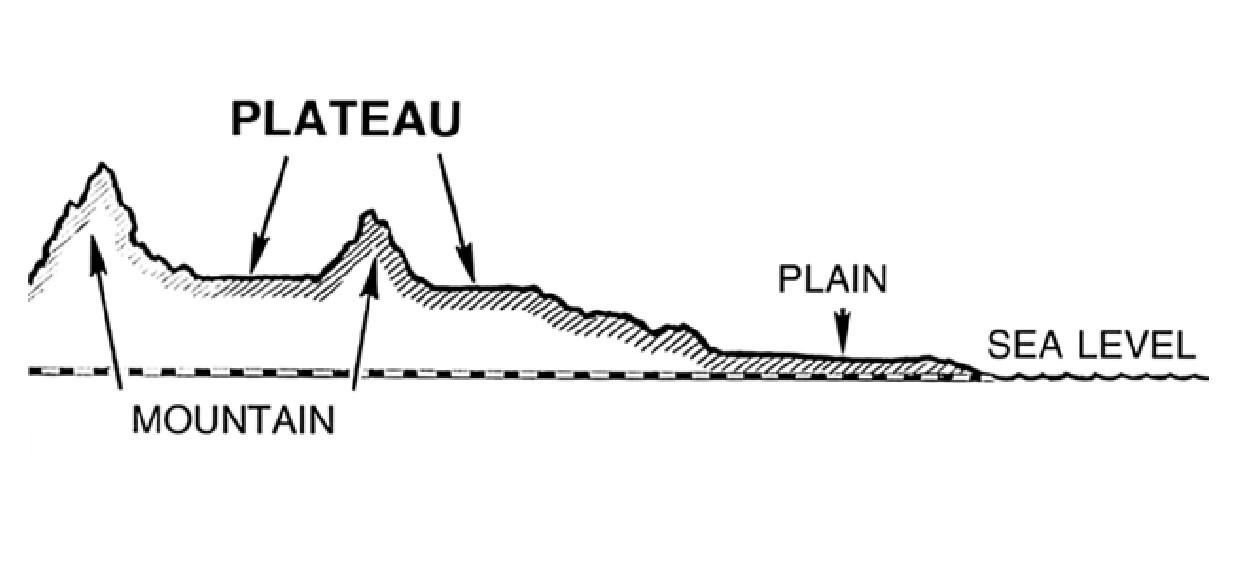
In 5+ years of coaching people on slow carb, keto and low carb diets, the most consistent pattern was a strong start followed by a plateau that felt like a wall. Two to five pounds in the first two weeks, then steady progress, then nothing. It’s the point where most people either push through or give up.
Plateaus are normal. They happen on every diet, not just low carb approaches. What matters is knowing why they happen and what actually works to break through them, and the answer isn’t always obvious.
What is a Diet Plateau?
A diet plateau, where your weight loss just stalls for a seemingly unbearable amount of time, is not exclusive to a low-carb or slow-carb diet. People generally reach a plateau with every diet under the sun.
It is a dangerous place to be because it can deplete your motivation on this challenging fat loss journey. In researching the various diet plans, I’ve come up with a curated list of methods that have seen success with my clients in getting off the diet plateau.
It is not guaranteed that these tips will re-invigorate the downward trend on the scale, but many people have been able to jump-start weight loss again with the following information.
Why Do Plateaus Happen?
It seems like everything is cruising along fine, you’ve got the hang of the diet and your sugar cravings are in control. Seeing that gradual weight decrease on the scale in the morning is enough to keep your spirits up, even if it is only .2 lbs.
Then….a week goes by with no decrease. Then another week. This is when the going gets tough. Many people will give up at this point, blaming the diet because they “know“ they have been 100% compliant.
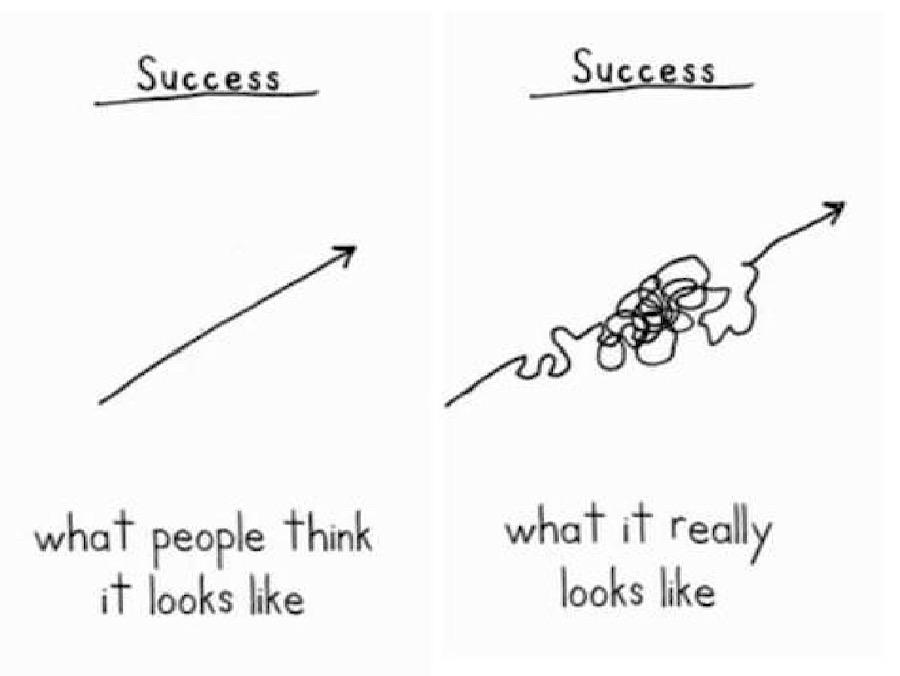
Fat loss plateaus can be extremely frustrating at times, but generally, they are temporary bumps in the road. It’s important to keep focused on your goal and look at the overall downward “trend” of your weight loss, rather than minor changes in measurements or weight from week to week.
Take Note! Perseverance is the key.
It is also key to find the right low-carb approach for your particular personality and lifestyle. An in-depth look at the best low-carb approaches can be found here.
Tip: Using a free app like Happy Scale can help show the trend of your loss rather than just the daily weight, which fluctuates quite a bit.
Sometimes a fat loss plateau can be traced back to some minor changes that may have happened over time. Sometimes it is fluctuations in water weight due to stress, hormones, or lack of sleep. And sometimes it’s just mysterious voodoo.
Often, after being on a plateau for a couple of weeks you will see a “whoosh” where your body just seems to all of a sudden release a few pounds.
What Tim Ferriss Says About Plateaus
Some of the following methods come directly from Tim Ferriss’ book “The 4-Hour Body“, some of it is what I have seen work with my clients from my online diet coaching, and some are curated methods from health and fitness blogs and podcasts.
Briefly, here is what Tim Ferriss says about the plateau:
- “Don’t start thinking that you’ve plateaued until you have been on the diet for 6 weeks. It is not unusual for women to experience their greatest weight loss around the 6-week mark. “
- “Eating too late, not eating enough protein (my note: you need about 20-25 grams a meal), and drinking too little water are the three most common causes of hitting a weight loss plateau.”
- ” The total percentage of body fat lost per month naturally decreases over time. The number of mitochondria in your muscle tissue largely determines your rate of sustained fat loss (this is why you need resistance training as part of your exercise routine!). Targeted exercise, even just 20 minutes per week, will often double fat-loss that’s plateaued, and should do so for at least two to four months.”
If you are mystified about your lack of weight loss, check out this post on common mistakes on a slow carb diet for some helpful ideas.
Does Breaking a Keto Plateau Work Differently Than Slow Carb?
Mostly no, with one important exception: cheat days. On slow carb, a proper cheat day after a period of strict compliance can prevent metabolic adaptation and actually help break a plateau.
On keto, a cheat day disrupts ketosis and can set you back several days while your body re-enters the fat-burning state.
Keto plateau-busters are the other strategies (intermittent fasting, resistance training, checking hidden carbs, and a careful look at protein intake). Also, be aware that too much protein on keto can convert to glucose through gluconeogenesis and knock you out of ketosis.
The underlying principle is the same for both: your body has adapted to what you’re doing, so you need to change a variable. Which variable depends on which approach you’re following.
If you are wondering which approach is best for you, check out this comparison of slow carb vs keto vs low carb.
Simple Fixes for a Diet Plateau
Before trying anything drastic, check these common culprits:
- Hidden sugars: Check ingredient lists on packaged foods. Sugar hides in condiments, sauces, and “healthy” snacks.
- Too many beans: If you’re on slow carb, limit beans to about 1 cup per day. More than that can stall weight loss.
- Not enough water: High-protein diets require more water. This is especially common among women.
- Domino foods: Nuts are technically compliant but easy to overeat. A cup of almonds has more calories than a Whopper.
- Not enough protein: Aim for 20 to 30 grams per meal to preserve lean muscle.
- Skipping cheat day: If you’ve been 100% compliant on slow carb, a proper cheat day can prevent your metabolism from downshifting. (This doesn’t apply to keto.)
It is helpful for meal planning or grocery shopping to refer to this slow carb shopping list with protein counts. It will help you stock your pantry with compliant foods, making cooking much easier.
More Aggressive Strategies for Breaking a Plateau
- Add resistance training. This is consistently the most effective plateau-breaker for long-term fat loss. Building muscle increases your basal metabolic rate, meaning you burn more calories at rest. Estimates vary on exactly how much, but the direction is clear: more muscle means a faster metabolism, and a faster metabolism means the plateau eventually breaks. Three to four sessions of resistance training per week is enough to make a difference. It doesn’t have to be heavy lifting. Bodyweight exercises, resistance bands, or weight machines all work.
- Try intermittent fasting. A 16:8 eating window (16 hours fasting, 8 hours eating) is the most accessible starting point. For slow carb specifically, this often means skipping breakfast and treating your first meal of the day as the high-protein meal Ferriss originally recommended for morning. Tim Ferriss himself has suggested intermittent fasting as a complement to slow carb, and it’s what broke my own last-five-pounds plateau after several years of maintenance. For keto, IF is particularly effective because fasting deepens ketosis and accelerates fat burning. A detailed analysis of the various forms of intermittent fasting can be found here.
- Calculate your basal metabolic rate (BMR) and track calories for two weeks. The reason plateaus happen at each level of fat loss is that your metabolism adjusts downward as you lose weight, meaning your body needs fewer calories to maintain a smaller mass. This doesn’t mean slow carb stops working; it means your body has adapted. Running your numbers through a BMR calculator and tracking actual intake through an app like MyFitnessPal for two weeks often reveals where the gap is. You may be eating more than you think, or you may actually need to eat more (i.e., on cheat day) to prevent your metabolism from downshifting too far.
- Cold exposure strategies: In addition to building muscle and taking cheat days to increase metabolism, there is some evidence that getting cold (either by taking cold showers, sleeping cold, or drinking ice water in the morning) can help boost metabolism. The evidence here is real but modest. Don’t spend a lot of energy on this one if the basics above haven’t been addressed first.
I was able to sustain the first 25-pound weight loss without too much trouble, but getting that last 5 pounds off was a bear. Intermittent fasting is what helped me. To see my journey on this diet, check out my personal story of How I Lost 30 Pounds on Slow Carb and Kept it Off.
FAQ
Tim Ferriss says don’t consider it a true plateau until you’ve been on the diet for 6 weeks. Short stalls of 1 to 2 weeks are normal.
On slow carb, yes, if you’ve been strictly compliant. A calorie and carb spike can prevent metabolic adaptation. On keto, no. Cheat days disrupt ketosis.
Yes, especially resistance training. Building muscle increases your basal metabolic rate, which helps sustain fat loss.
Sometimes after a plateau, the body suddenly releases several pounds at once. This is anecdotally common and may relate to water retention during fat loss.
It can help. A 16:8 eating window (16 hours fasting, 8 hours eating) is a good starting point. Research intermittent fasting to see if it fits your lifestyle.
On keto, plateau causes often include too much protein converting to glucose, hidden carbs in packaged foods, or simply metabolic adaptation to a lower calorie intake. The fix is usually tightening carbs further, adding intermittent fasting, or adding resistance training. Unlike slow carb, a cheat day is not a tool on keto, as it disrupts ketosis and delays recovery.
Tim Ferriss recommends not calling it a plateau until you’ve been fully compliant for six weeks. Week-to-week fluctuations from water retention, hormones, or stress are normal and don’t indicate the diet stopped working. Look at the trend over a month rather than day-to-day numbers. A free app like Happy Scale shows the trend line rather than daily weight, which helps enormously with perspective.
I appreciate the considerable research behind your piece of information, and your metaphor, too. From an Ericksonian Hypnosis perspective, this can be a great tool to induce helping beliefs for whoever willing to start the new diet journey.
This is a great post!
I wish I didn’t relate to this! Thank you for sharing.
Well Jackie, know that you have plenty of company. This stuff is not easy by any means.