
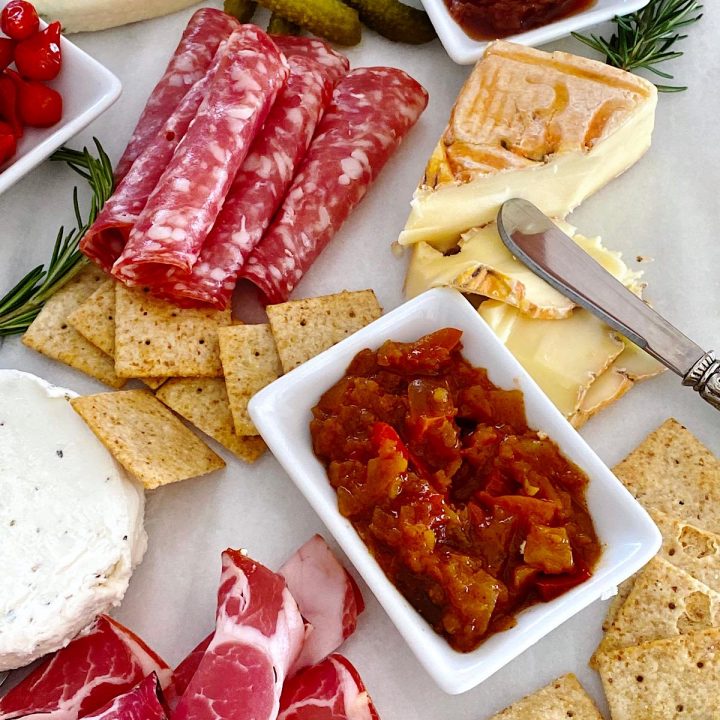
Quick Summary: Cheese boards are naturally low-carb friendly since the stars, cheese and cured meats, contain almost no carbohydrates. The trick is choosing accompaniments that add flavor and texture without the sugar found in typical jams and candied nuts.
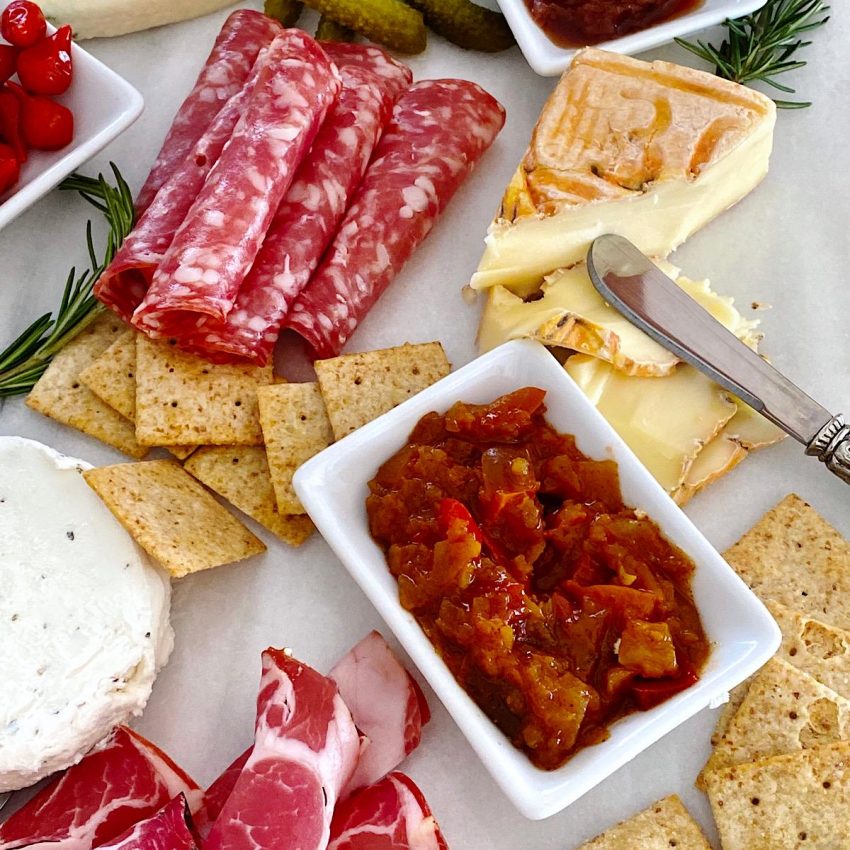
Jump to: Slow Carb Ideas | Chutneys vs Jams | More Food Boards | How to Store Cheese | FAQ
Cheese boards (or charcuterie boards) are one of the easiest ways to entertain. They please a range of palates, they come together quickly, and they look impressive with minimal effort.
The challenge for slow-carb eaters is the accompaniments. Jams, honey, and candied nuts are traditional, but they’re loaded with sugar. The good news is you can build a board that’s just as flavorful without them.
Cheeses and cured meats are inherently slow-carb. It’s just a matter of choosing the right things to put alongside them.
This post may contain affiliate links, and you can read our disclosure information here–
Low-Carb Accompaniment Ideas
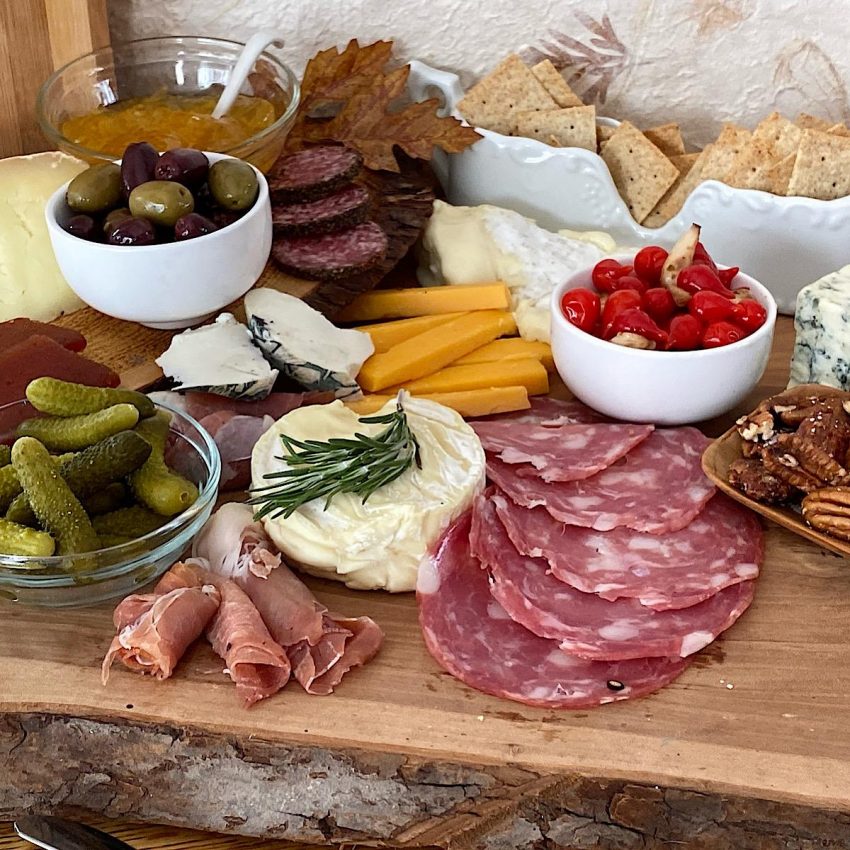
The star ingredients of most cheese plates or charcuterie boards are, of course, the cheeses and meats. As I noted above, it is really the accompaniments that kick cheese plates/charcuterie boards out of slow carb compliance.
Here are some ideas for getting to slow carb without a loss of flavor or texture:
- Adding acid to some of the soft cheeses is one way to enhance flavor without sugar. This would include things like olives, pickles, and mustards.
- Adding crunch to the creamy texture of cheeses is a way of enhancing texture. This would include adding ingredients such as nuts or crudites (crispy vegetables like carrots or jicama). Just avoid the caramelized pecans or nuts as they are coated with a lot of sugar.
- Some cheeses exhibit their highest flavor profile with the addition of a sweet spread. Chutneys can fill in for the sweet jam type of spreads in order to add a little sweetness without the high degree of sugar.
See this post to learn more about the similarities and differences between Low Carb, Slow Carb and Keto diets.
Why Chutneys Work Better Than Jams
Jams and fruit preserves often accompany a typical cheese plate. The problem is that jams include a good amount of added sugar in order to get a spreadable consistency. The jams in the store that say ”no added sugar” often use pear or apple juice for the sweetener, and these juices, while natural, are loaded with fruit sugar (fructose).
Jams require a specific ratio of pectin, sugar, and acid to gel properly, and that means a lot of added sugar.
Chutneys and spreads don’t need to gel. They’re more forgiving and much easier to make slow-carb. Mustards work well too.
Watch out for store-bought chutneys, though. Some have as much sugar as jam. Read labels and compare brands. Some chutneys have quite a bit of sugar and some do not.
For the cheese plate above I used two chutneys, a red pepper & green apple chutney and a plum chutney.
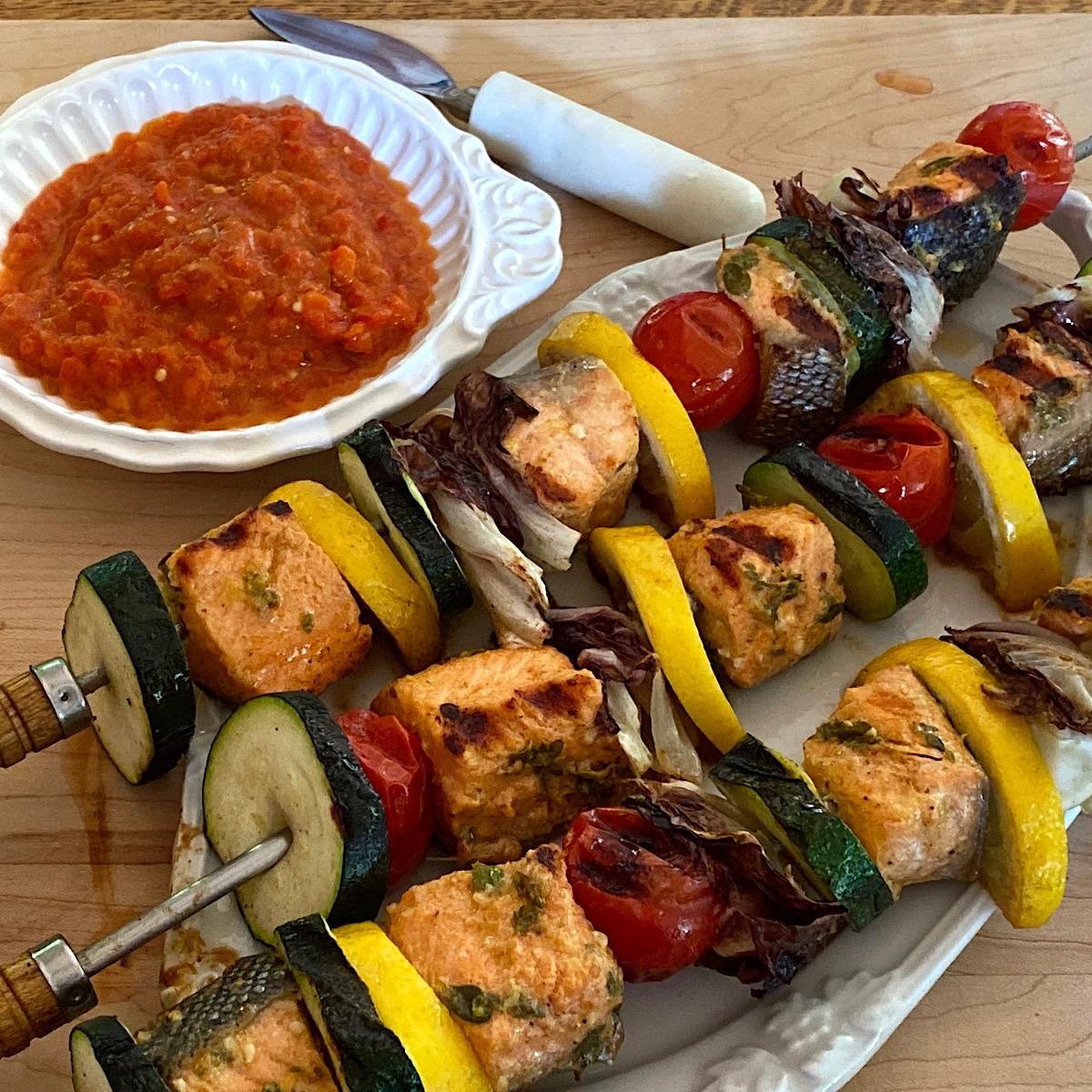
Another condiment I like to add to cheese boards is a homemade red pepper spread called ajvar. It is made with red bell peppers and eggplant and pairs wonderfully with cheeses.
More Food Board Ideas
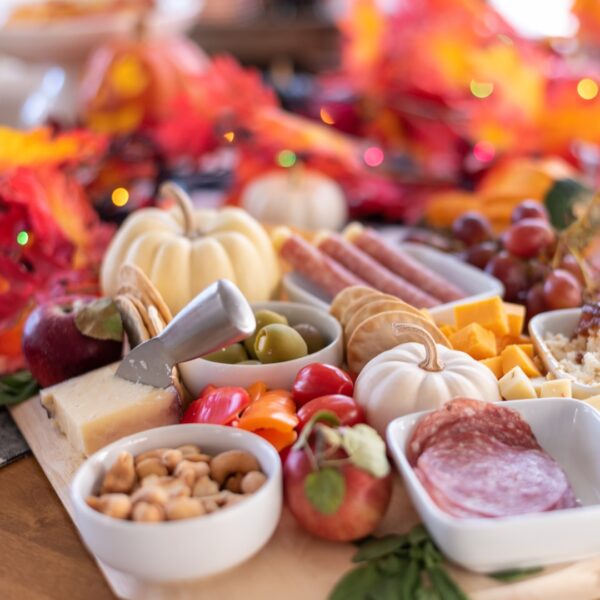
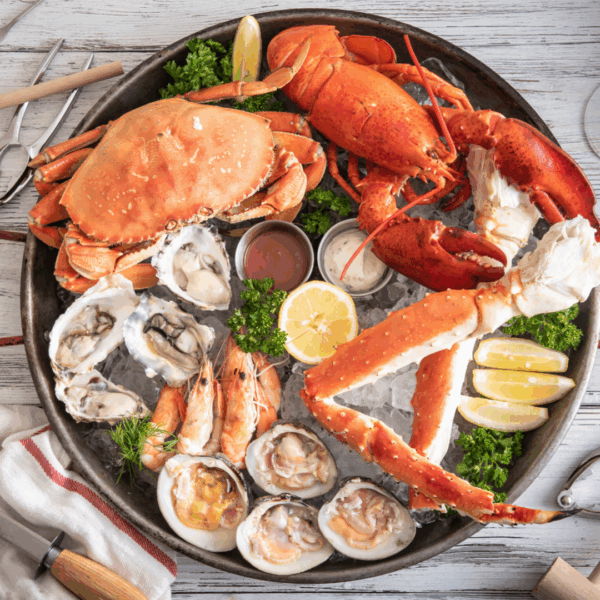
Food boards are extremely flexible. They can be casual and simple like this cheese, cracker and jam plate, or you can go all out with a holiday seafood platter for a crowd.
This detailed guide on how to build a cheese board or a charcuterie board will help and inspire in the flexible world of cheese boards.
How to Store Cheese
Cheese can be one of the more expensive items on a cheese plate and if you or your guests don’t finish it all (yes, it happens sometimes), then you want to make sure and store your wonderful cheeses in a way that will preserve the texture and flavor.
First of all, do not wrap in plastic wrap (unless freezing). This locks in too much moisture and they will mold and the texture will change.
What the cheese-mongers say is best to do is wrap the cheese in parchment paper or wax paper and then loosely wrap that bundle in aluminum foil. The idea is to allow the cheese to breathe but not dry out.
According to these cheesemongers, there are actually some cheeses that will freeze well, even though popular guidelines say it is not possible.
Some of the softer cheeses like Camembert or some goat cheeses can be frozen for a couple of months without losing flavor or texture. In this case you “do” want to wrap tightly in plastic wrap and then place in a ziplock freezer bag.
Hard or semi-hard cheeses like cheddar do not freeze well however. The texture breaks down and you get a crumbly or crystalized cheese.
FAQ
Almost all cheese is low-carb. Aged hard cheeses like cheddar, parmesan, and manchego have virtually no lactose. Soft cheeses like brie and goat cheese are also fine.
Most are. Check labels on flavored or glazed options, as some contain added sugar.
Fresh fruit is higher in sugar. If you include it, stick to small amounts of berries, which are lower in carbs than grapes or apples.
Yes. Almond flour crackers and seed crackers are good low-carb options. Or skip crackers entirely and use cucumber slices or endive leaves.
Assemble 1-2 hours before serving and keep covered. Add any delicate items like fresh herbs or soft cheese right before serving.
Interested in the Slow Carb Diet? Check out this comprehensive E-Guide on Fat Loss through a Slow Carb Diet.
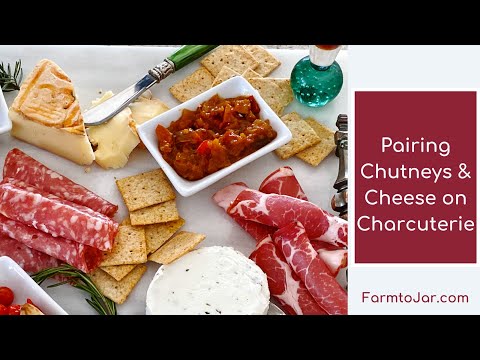
Video Tutorial on a Low Carb Cheese Board Paired with Chutneys
This post makes my mouth water! I cannot wait to put together my next cheese platter with a healthier selection 🙂
It’s great to know that good food doesn’t have to be high in sugar and refined carbs isn’t it Samuel!