
Quick Summary: Three approaches with one underlying principle: lower sugar and refined carbs leads to better fat loss and health markers. Low carb is the entry point, slow carb adds structure and a cheat day, keto goes furthest in restricting carbs. This comparison breaks down who each approach works best for, what you actually track, and how to decide where to start.
Jump to: Motivation | Entry Level – Low Carb | Level Two – Slow Carb | Level Three – Keto | Level Four – Cyclical Keto | FAQ

I started the Slow Carb Diet in 2013 at 180 pounds (5’8″) lost 30 pounds in 24 weeks, and have maintained that weight for over 10 years. In 2015 I began one-to-one coaching on variety of low carb diets.
The most common question I heard over my five years of coaching low carb diets wasn’t “what can I eat?”, but rather it was “which diet should I actually do?”
Low carb, slow carb, keto, paleo, South Beach, Atkins are all variations on the same core principle: a high-protein, low-carb, moderate-fat approach to eating.
The differences between them are real but nuanced, and the right choice depends on your body chemistry, your lifestyle, your goals, and how much structure you need.
If you want to read about my personal experience, I have a post where I share that information, called How I Lost 30 pounds on the Slow Carb Diet.
Here’s how the various methods of low carb diets compare.
This post may contain affiliate links. As an Amazon Associate, I also earn from qualifying purchases. You can read our disclosure information here–
Caveat of Low Carb Diet Approaches:
The premise of each of the low carb diet approaches summarized below is that the lower a diet is in sugar and refined carbs, the more health markers will improve and the more fat loss will occur.
None of these diet approaches are designed to result in “rapid” fat loss. Calories-in-calories-out approaches are more designed for rapid weight loss. But then again they usually result in rapid gain when you go “off your diet”.
I have chosen to highlight low carb approaches because they reflect the experiences I have had losing my 30 pounds and then coaching a wide variety of people to success by focusing on the match between:
- individual fitness goals,
- lifestyle realities and
- likelihood of long term sustainability.

This post may contain affiliate links. As an Amazon Associate, I also earn from qualifying purchases. You can read our disclosure information here–
Tracking Methodology for Low Carb Diet Approaches:
Studies have shown that doing nothing more than tracking your food intake can increase fat loss by up to 33%.
This is primarily due to the mindfulness that tracking stimulates, and to the knowledge base you gain by understanding where sugar is hiding in your food choices.
Getting a coach to troubleshoot and hold you accountable can increase your chances of success much more, but even without a coach, tracking is extremely valuable.
Tracking does not have to involve weighing food, using a heart rate monitor or measuring ketones. It can be as simple as photographing your food, checking in with an accountability partner or a coach, or journaling each morning.
Tracking sugar and carbs on the Myfitnesspal app (MFP) has been the most effective way I have found to troubleshoot and pinpoint problem areas, so it is what I will reference under each of the following approaches.
I would note that It is almost impossible to successfully do a ketogenic diet without tracking macros.
Regardless of which tool is used, tracking of some sort is imperative to forming the habits that will remain when the motivation fades.
Which Low Carb Approach Fits Your Style?
Motivation is fickle, as is witnessed every New Years. It is critical to know your style and be clear on your goals when it comes to any self-improvement or habit change method.
Over years of coaching and a decade of eating this way myself, the pattern I saw consistently was this: people who matched the structure of the diet to their personality stuck with it.
All-or-nothing types did better with the clear rules of slow carb. Gradual changers did better starting with basic sugar reduction. People with significant health or insulin issues often needed the stricter discipline of keto.
The four levels below move from most accessible to most demanding. Most people find their starting point somewhere in the middle.
Each diet approach is based on the best science I could find, as well as some anecdotal information. Much of this is based on working with a diverse range of clients over five years as a diet coach, and on a decade of following these approaches myself.
I no longer offer one-to-one coaching, but rather I share my knowledge and experience now through these guides and recipes on this website. I have also written and ebook that may be helpful (see the link below).
Although I no longer offer coaching, the online service called coach.me has a number of good diet coaches.
I. Entry Level: Decrease Sugar (aka Low Carb Diet)
Who is this level for?
- People coming from a Standard American diet of high fat and high sugar.
- People who are physically addicted to sugar.
- People who want to change their way of eating in small incremental steps.
The basics:
At first glance, this approach to fat loss sounds similar to the “No Sweets” diet, but actually it is much more nuanced. Because we have been so misinformed over the years through both the politics of health and the food industry, we tend to think of sweets as primarily desserts or candy; food that is high in sucrose (table sugar).
The entry level approach is focused on decreasing sugar in the diet from these well-known sugar culprits, but it also addresses the following types of questions:
- Where are the hidden sugars in your particular diet? (hint: condiments and certain fruits)
- Which types of sugar make the most difference to fat loss? (i.e., fructose, sucrose or lactose)
- How do you overcome the physical cravings that are so prevalent in a sugar addiction?


A few details around sugar:
There are basically two types of food that the body doesn’t see as sugar; that would be protein and fat. When people refer to a person as being either a fat-burner or a sugar-burner they are referencing the way the body processes different foods for energy.
A diet that is high in sugar (or refined carbs) means you are most likely a sugar burner and receive your energy from burning glucose.
For example, a diet high in fruit on a daily basis, is a diet high in sugar (fructose), and this can stall a fat loss.
Limiting fruit is a difficult concept to wrap your head around, primarily because fruit does have beneficial nutrients and it is therefore much more difficult to view it as unhealthy in the same way as a Snickers Bar.
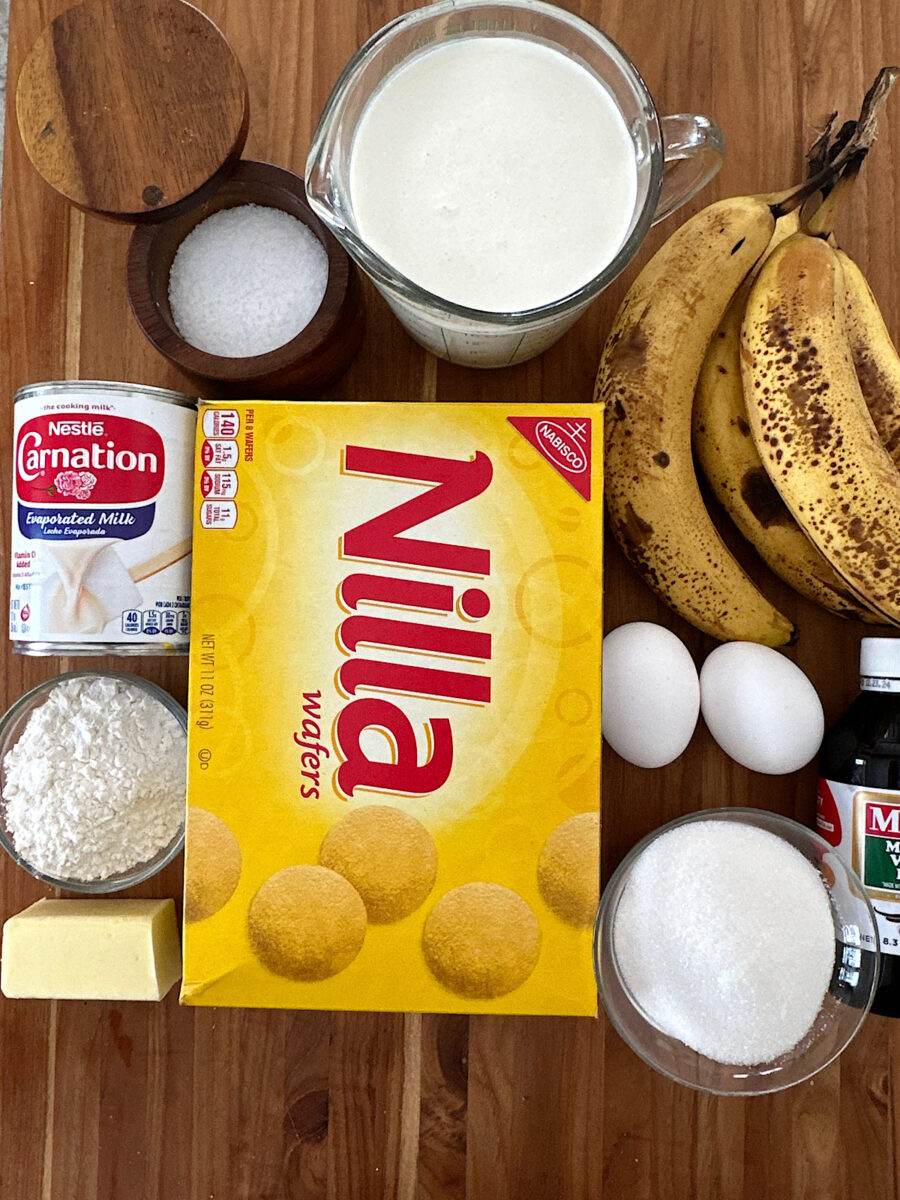
However, many fruits are quite high in sugar. The sugar in fruit is called “fructose”, it is processed in the liver (like alcohol) and it can be very detrimental to fat loss. Here is a list of fruits and their relative sugar counts, from lowest to highest carbs/sugar.
That is why many low carb or keto people refer to fruit as “nature’s candy”. Fruit is not in and of itself “unhealthy”, but a diet high in fruit can certainly stall fat loss. (Berries tend to be the exception in the fruit and fat loss equation due to the amount of fiber per sugar ratio).
The sugar in grains is “glucose” and the sugar in low-fat dairy is “lactose”. “Sucrose” is, of course, table sugar and used in most baked goods.
Basically the body sees all of these as just plain “sugar” and if you are interested in fat loss or preventing diseases associated with inflammation, decreasing sugar is a good place to start.
Goal metrics to track for a low carb diet:
The main metric to monitor at this level is sugar. Limit your sugar to 25 grams or less a day.
If using Myfitnesspal (MFP) to track metrics, look at the daily total of sugar and if it is over 25 grams, scroll back up the sugar column and find out which food source(s) were the ones that took you over the limit.
- In a nutshell: A low carb diet is:
- Moderate Carbs
- Moderate Protein & Fat
- Low Sugar
II. Level Two: Slow Carb Diet
(and some similar versions like Paleo or South Beach)
Who is Level Two for?
- People wanting to make a sustainable lifestyle change that will result in decreasing body fat %.
- People that like the flexibility of scheduling cheating days and/or having wine.
- People that want to keep an active social life, but want to also improve health benefits.
- This approach works best for people that are “all-in” types rather than incremental habits.
- People that are not averse to tracking.
- Although many people on slow carb do practice serious exercise routines, it is not a requirement for fat loss.
The basics of Level Two:
Slow carb is focused on encouraging food choices that will not spike blood sugar rather than on a calories-in-calories-out approach.
By opting for food that is high in protein and moderate in fat you are limiting an insulin response and it is that insulin response that causes food to be stored as fat cells. Since protein and fat are much more satiating, the amount of calories taken in drops somewhat naturally.
Tim Ferriss, designer of the slow carb diet, acknowledges that humans will cheat on any diet, so a cheat day is scheduled once a week to provide for delayed gratification. In depth information can be found in his book called “The 4-Hour Body” which you can purchase on Amazon.
When I was a diet and health coach, I saq the highest success rates for fat loss with Tim Ferriss’s slow carb diet. It is simple to follow and the cheat day allows people more of a guilt-free social life.
The slow carb diet sits at the center of the low carb spectrum. Paleo is similar but excludes beans and includes fruit. Atkins allows more fat and cheese but no beans, no fruit, and no cheat day. South Beach, the Zone, and Primal are all variations on the same high-protein-low-carb framework.
Even the Blue Zones research, which looked at the world’s longest-lived populations, points toward a high-protein, lower-carb approach, but it is just more plant-based. Slow carb, with its beans and scheduled cheat day, tends to be the most socially livable version for most people.
A few details on Level Two:
Ferriss lays out a set of rules but ultimately tells you to experiment with your own body using these rules as guidelines.
The rules emphasize:
- Each week, for 6 days in a row, avoid fruit, dairy, grains.
- Get around 20–30 grams of protein with each meal.
- Moderate amounts of fats are allowed.
- The 7th day of each week is a cheat day where any food or drink is allowed.
Goal metrics to track:
Tracking metrics on Level Two is quite important to success. These are the critical metrics:
- Aim for a daily total of 100 grams or less of carbs and 25 grams or less of sugar.
- The protein metric will vary depending on the type and intensity of your exercise routine (or lack thereof).
- The lower you go in carbs the more fat you can add to keep you satiated, but slow carb is not considered a high fat or keto diet.
- Avoid eating a daily meal plan that involves both high fat and high carb. That is the Standard American Diet that has caused the current state of affairs with the obesity epidemic.
- In a nutshell: The slow carb diet is:
- Low Carb
- High Protein
- Moderate Fat
**Tip: If you are not seeing progress on slow carb, take a look at this post on the common mistakes on slow carb diets to see if you can troubleshoot the problem.
III. Level Three: Standard Ketogenic Diet
Who is this for?
- People who have a lot of weight to lose or are obese.
- People with certain health issues, primarily type 2 diabetes, PCOS, or a range of health problems caused by inflammation (joint pain, etc.).
- People that are insulin resistant and need to improve their metabolic health.
- Some information shows a relationship to improving in endurance sports.
The Basics:
There are many clinical, long term studies that are showing the benefits of a ketogenic diet for: type 2 diabetes, epilepsy, Alzheimer’s disease, Parkinson’s, acne and more recently, cancer.
The ketogenic diet is also considered by many advocates as one of the more effective and sustainable ways to lose a lot of weight “if” one is obese or has a lot to lose.
A ketogenic approach involves drastically reducing carbohydrate intake, and replacing it with fat (moderate protein is allowed and is based on your level of exercise).
The reduction in carbs puts your body into a metabolic state called ketosis. When this happens consistently over time, your body becomes incredibly efficient at burning fat for energy and you are considered a “fat-burner” rather than a sugar-burner”.
The initial stages of this diet are quite difficult however, as it requires getting carbs to a very low level, and keeping them there consistently (no cheat days on keto).
It can be an extremely challenging change for many people, and in my opinion, this way of eating is often more successful when people ease into it through a slow carb or low carb diet first.
Goal Metrics to track:
Typical percentages of macros on a ketogenic diet that includes moderate to intense exercise is often quoted as:
- 60% fat, 35% protein and 5% carbs.
- The most important metric to track on MFP would be carbs, aiming for less than 30 grams carbs per day.
- In a nutshell: The Standard Ketogenic Diet is:
- Very Low-Carb
- Moderate Protein
- High Fat
**Note: Dairy rules differ significantly between slow carb and keto. If you want to go deeper into information on dairy, check out this informational guide on dairy on a slow carb diet.

IV. Level Four: Cyclical Ketogenic Diet:
A more advanced approach that alternates strict keto days with higher-carb refeed days, typically 5 days keto, 2 days higher carb. This method requires meticulous tracking and is the most complex of the four approaches. It is not a recommended starting point unless you have experience with standard keto.
Who is it for?
- People that are willing to be meticulous in meal planning and very disciplined in compliance.
- People who travel a lot and find low-carb eating challenging while on the road.
- People with an active social life that cannot fit continuous low-carb eating into their lifestyle.
- People who experience prolonged negative side effects of a ketogenic diet. A cyclical diet may reduce some of these side effects through limited and scheduled carbohydrate intake.
- People that are bodybuilders or athletes tend to use this approach most effectively.
The basics:
This diet involves periods of higher-carb or higher-calorie refeeds, such as:
- 5 ketogenic days followed by 2 high-carb days.
- A nuanced approach to this cyclical keto diet is to target your higher carb days around intense workouts (aka the Targeted Ketogenic Diet).
How it Works:
Like the standard keto diet, cyclical keto revolves around the insulin response to carbohydrates. Low-carb days keep insulin levels low, so fat stores are used for energy rather than glucose. High-carb days prevent your metabolism from downshifting too far in response to prolonged caloric restriction, which is the main reason this approach appeals to athletes and bodybuilders who need periodic fuel replenishment.
This approach is all about balance, tracking, and tweaking. It requires balancing weekly calorie intake, timing higher-carb days around intense workouts, and adjusting macros as you go.
Goal metrics to track:
Primary metrics to track include:
- Low carb days need to be under 30 grams carbs (ketogenic).
- All other metrics will vary based on the schedule of the individual and the intensity of the workouts.
- Intermittent fasting often fits into this regime following the refeed days.
In a nutshell: This approach needs to be customized. It is most effective for bodybuilders, athletes or people that like to experiment and get geeky with numbers.
Here are a few of the more popular protocols for a cyclic approach:
- Weekend cycle: 5 days on a low-carb diet, then a 2-day high-calorie refeed.
- Mini cycle: 11 days on a low-carb diet followed by a 3-day high-calorie refeed.
- 3 on, 1 off: A 3-week low-carb diet followed by a 5–7 day high-calorie refeed.
- Monthly cycle: 4–5 weeks on a low-carb diet followed by a longer 10–14 day higher-calorie refeed
IN SUMMARY:
The amount of diet information out there is overwhelming. My focus is on low carb diet approaches because it helped me lose 35 pounds years ago, it has been a sustainable lifestyle, and I have witnessed the efforts of over 400 clients reach some degree of success.
The first key to success is to evaluate your lifestyle and decide where you might best fit on the continuum. The second key is to be clear on your true goals and customize the plan as you go without losing sight of the goal.
Get seasonal recipes and seasonal gardening tips in your inbox every Sunday when you subscribe to my weekly newsletter. It’s usually 3 recipes and 1 gardening guide. Short, sweet, and helpful.
Slow carb allows beans and a weekly cheat day. Keto eliminates both and requires keeping carbs under 30 grams per day to maintain ketosis. Slow carb is more socially flexible; keto tends to produce faster initial results but is harder to sustain long-term for most people.
No. Low carb is a broad category that includes any diet reducing carbohydrate intake. Keto is a specific version that reduces carbs severely enough to shift the body into ketosis, which is a metabolic state where fat becomes the primary fuel source. You can eat low carb without being in ketosis.
Keto tends to produce faster initial loss because of the more severe carb restriction and the metabolic shift to ketosis. Slow carb tends to produce more sustainable long-term results because the cheat day and beans make it easier to maintain. The best diet is the one you’ll actually stick with.
Yes, and this is often the most effective path for people with significant weight to lose or health issues like type 2 diabetes or insulin resistance. Slow carb builds the habits and carb awareness that make keto easier to execute.
It varies by approach. General low carb aims for under 100 grams of carbs per day with sugar under 25 grams. Slow carb targets similar numbers. Standard keto targets under 30 grams of total carbs per day.
For general low carb, tracking sugar is the most important metric. For slow carb, tracking carbs and sugar is helpful but not essential once you know the food list. For keto, tracking is essentially required. It’s very difficult to stay in ketosis without knowing your numbers.
If you are just starting out on a slow carb diet, this slow carb diet food list lays out the allowed foods, the domino foods and the forbidden foods. Print it out and put it somewhere visible in your home as a reference tool.
For meal planning or stocking your pantry, check out this slow carb diet shopping list and take it with you to the grocery store.
Thanks for the article. When you’re on a slow carb diet you’re not actually in ketosis (I assume because the fat % and protein are incorrect for Keto), so, instead of having one whole day where you cheat, could you have just one light cheat meal on Saturday, one on Monday, and one on Wednesday? Like opposed to having 3 or 4 large cheat meals on Saturday? Thanks for your help
No that would not work for a slow carb diet. It could feasibly work for low carb lifestyles if you kept the daily total down on your “light” cheat days. Slow carb is a diet/lifestyle that was developed and tested by Tim Ferriss and it relies on some science that would be difficult to explain in a comment. This link will take you to an excellent explanation by Ferriss on how cheat day works and why: https://youtu.be/PsGkGrUQYys It’s really informative. Best…
Loved this overview. I’ve stopped eating sugar and started IF, but eliminating all carbs is a bigger challenge for a variety of reasons
Yes, eliminating all carbs is not always necessary, or even desirable sometimes. Knowing which carbs are complex and which ones react with you individually and then keeping the portion size reasonable can keep some people in ketosis (if that is the goal). Exercise also plays a role in whether you can accomodate complex carbs and still see weight loss.
I didn’t know there were 4 levels, but apparently I’m at level 2 right now 🙂
Very insightful, thanks for sharing!
Pingback: 16 Most Common Mistakes on the Slow Carb Diet - Diet Help
Pingback: Farm to Jar Food - Low Carb Mexican Cookies - Low carb desserts
Pingback: Which are currently the most effective diets based on clinical evidence
Great clear explanation of the different versions of these diets which can definitely be confusing to someone who hasn’t come across them before.
I’ve been doing Low-Carb diet for one entire month. Haven’t cheated on my off days and have enjoyed my statue day cheat day. I’m excruciating 3-4 times a week. Including 90 min of Cardio a week, 80 min of heavy weight lifting a week. I keep gaining weight and I’m feeling fat on my stomach not muscle mass. I’m starting to get super scared. Soon I won’t be fitting into any of my cloths soon! What can I do? Please help. Thank you
V~
VAlentina, I can’t really help you through blog comments. Humans and their bodies are pretty complex and I would need to see a food diary for a few weeks, look at your history, your lifestyle, and a whole lot more. That comes with coaching. You can do a lot of your own research online or you can explore personal coaches, but this blog is just an information sharing medium and not one to one coaching.
I am about to begin with slow carb diet. But still a little bit confused about coconut (milk, water, flour and oil), taking in count no sugar will be involved. Coconut is a staple in indian and thai curries, which I loove…and i thought coconut and its derivates (without aditives) was low carb and ok….
Can you please clarify if i can use it during normal days, or only in cheat days?
Thanka a LOT!!!
Coconut milk is OK during normal days as long as it is unsweetened. Some slow carb people will say it’s out, but in my opinion it is fine as long as it is unsweetened. Flour is out. If you are talking coconut flour or almond flour, they are better than wheat flour but it takes so many almonds to make flour that it quickly goes beyond what would be reasonable. Best to save baked goods for cheat day. Oils: Olive oil, ghee, coconut oils and nut oils are best. The thing is most of those are not great for high heat cooking. I use refined olive oil for high heat cooking, which is not as great as virgin, but has a higher smoke point.
I came across this post when I was searching for differences between slow carb and keto. I’ve been doing slow carb for just over 2 weeks now and I’ve gone from 206.6lbs to 198.6. I have a long way to go yet but I’m happy with the results so far. I also have PCOS which comes with some insulin resistance so I’m hoping that I see a change in that as well. I see you are a coach on coach.me. I just downloaded that app right before starting slow carb. I like it so far. It helps keep me acountable, not only with the diet but with other things as well. Great post! IT cleared up a lot of things for me
Hi Carrie! Slow carb is great and easier to stay sustainable on than keto. Keto, however would probably help with PCOS more successfully. I would use slow carb as a gateway to possibly going keto when you see what your carb tolerance is. If you get to the point where you can go below 30 grams carbs per day comfortably you will be a good candidate for keto!