
Quick Summary: Green tea, rooibos, and hibiscus have the most evidence for supporting skin health through antioxidants and anti-inflammatory compounds. Drinking tea can help protect skin from oxidative damage and support overall skin function, but it won’t replace topical skincare or dramatically reverse aging. Hydration and antioxidants are the real benefits here.

Jump to: How Tea Supports Skin | Best Teas for Skin Health | The Hydration Factor | Supporting Herbs | FAQ
Of all the wellness tea categories I offer at the St. Paul Farmers’ Market, the teas for skin health are the ones where I feel least confident making specific claims.
The skin is our largest organ, and its health reflects everything, genetics, sun exposure, diet, sleep, stress, hydration, hormones, and age. No single tea is going to override those factors.
What tea can do is contribute to overall wellness in ways that may show up in your skin over time. For example, antioxidants protect cells from damage. Anti-inflammatory compounds calm systemic inflammation. Hydration supports skin function. These benefits are real, but many of the benefits are longer term and dependent on a wide array of variables.
What I can tell you is which teas have evidence for skin-supportive properties, and how drinking tea fits into a larger picture of skin health.
How Tea Supports Skin Health
Tea doesn’t work on skin the way a topical cream does. It works from the inside out through several mechanisms. Here is a rundown on these mechanisms:
- Antioxidant protection: Your skin is constantly exposed to free radicals from UV light, pollution, and normal metabolism. These free radicals damage cells and accelerate aging. Antioxidants in tea neutralize free radicals before they cause damage.
- Anti-inflammatory effects: Chronic low-grade inflammation shows up in skin as redness, irritation, and accelerated aging. Anti-inflammatory compounds in tea can help calm this systemic inflammation.
- Collagen support: Some tea compounds may help protect existing collagen from breakdown and support the body’s collagen production. Collagen keeps skin firm and elastic.
- Hydration: This is the most overlooked benefit. Well-hydrated skin functions better, looks plumper, and heals more efficiently. Drinking tea is drinking water with benefits.
- Gut health connection: Emerging research links gut health to skin health. Teas that support digestive function may indirectly benefit skin.
Best Teas for Skin Health
Green Tea
Green tea has more research for skin benefits than any other tea, primarily due to its high concentration of EGCG and other catechins.
What the research shows: Green tea polyphenols have been shown to protect against UV damage, reduce inflammation, support collagen and elastin production, and help regulate oil production. Some studies show green tea can improve skin elasticity and reduce signs of photoaging.
Most research uses topical application or high-dose supplements, but drinking green tea also delivers these compounds systemically.
How it helps: Antioxidant protection, anti-inflammatory effects, possible collagen support.
Flavor profile: Vegetal, grassy, sometimes sweet. Quality varies significantly.
White Tea
White tea is minimally processed and retains very high levels of antioxidants. Some research suggests white tea may be even more effective than green tea at protecting collagen and elastin from enzymatic breakdown.
What the research shows: Studies indicate white tea extract inhibits enzymes (collagenase and elastase) that break down the proteins keeping skin firm. Whether drinking white tea provides enough concentration for this effect is unclear, but its high antioxidant content is well-established.
Flavor profile: Delicate, subtle, slightly sweet. Very gentle.
Rooibos
Rooibos contains unique antioxidants including aspalathin and nothofagin. It’s also naturally caffeine-free, making it accessible for all-day drinking.
What the research shows: Rooibos has demonstrated anti-inflammatory and antioxidant effects in studies. Its minerals (zinc, calcium, magnesium) support overall skin function. Some topical studies show benefits for skin irritation and redness.
How it helps: Antioxidant protection, anti-inflammatory effects, mineral support, hydration without caffeine.
Flavor profile: Naturally sweet, slightly nutty, smooth.
Hibiscus
Hibiscus is exceptionally high in vitamin C and anthocyanins, both important for skin health. Vitamin C is essential for collagen production.
What the research shows: Hibiscus extracts have shown ability to inhibit elastase (the enzyme that breaks down elastin) and may help maintain skin firmness. Its high antioxidant content protects against oxidative damage.
How it helps: Vitamin C for collagen production, antioxidants, natural acids that may support cell turnover.
Flavor profile: Tart, cranberry-like, vibrant red color. Refreshing hot or iced.
Chamomile
Chamomile is anti-inflammatory and calming. Skin conditions often have an inflammatory component, and chronic stress shows up in skin.
What the research shows: Chamomile has well-documented anti-inflammatory properties. Its calming effects may indirectly benefit skin by reducing stress-related flare-ups.
How it helps: Anti-inflammatory, stress reduction, sleep support (poor sleep affects skin significantly).
Flavor profile: Apple-like, honey-sweet, gentle.
For stress management that supports skin health, see my post on teas for anxiety.
The Hydration Factor
I want to emphasize this because it’s often overlooked:
Drinking tea is drinking water. And hydration is fundamental to skin health.
Well-hydrated skin:
- Functions better as a barrier
- Appears plumper and smoother
- Heals more efficiently
- Shows fine lines less prominently
Many people don’t drink enough plain water. Tea makes hydration more appealing. Several cups of tea daily means several cups of fluid your skin can use.
This isn’t glamorous or complicated, but it may be the most reliable benefit of a tea-drinking habit for skin health.
Caffeine consideration: Caffeine is a mild diuretic, meaning it increases urine output. However, the water in caffeinated tea more than compensates for this effect. Net hydration is still positive. That said, if hydration is your primary goal, caffeine-free options like rooibos and hibiscus don’t have this consideration at all.
Supporting Herbs Worth Knowing
These appear in skin-support blends and have some traditional use or emerging research:
- Nettle: High in silica and other minerals that support skin, hair, and nail health. Traditional use as a “blood cleanser” for skin conditions.
- Burdock Root: Traditional alterative herb used for skin conditions including acne and eczema. May support liver function, and liver health affects skin.
- Calendula: Anti-inflammatory and wound-healing properties. More commonly used topically, but can be drunk as tea.
- Rose: Contains vitamin C and anti-inflammatory compounds. Also simply pleasant to drink.
- Turmeric: Powerful anti-inflammatory. Chronic inflammation affects skin aging and irritation.
- Ginger: Anti-inflammatory and circulation-supporting. Good circulation brings nutrients to skin cells.
What Tea Can’t Do
Let me be clear about limitations:
- Tea won’t replace sunscreen. While tea antioxidants may offer some internal protection against UV damage, they’re not a substitute for topical sun protection. Sun damage is the primary cause of skin aging.
- Tea won’t dramatically reverse aging. The effects are subtle and preventive. Don’t expect visible wrinkle reduction from drinking tea.
- Tea won’t clear severe acne or treat skin conditions. If you have a skin condition like eczema, psoriasis, rosacea, or severe acne, work with a dermatologist. Tea may be supportive, but it’s not treatment.
- Tea won’t replace sleep. One night of poor sleep shows up on your face more than a month of skipping tea. Sleep is non-negotiable for skin health.
- Tea won’t compensate for poor diet. A diet high in sugar and processed foods promotes inflammation and glycation (damage to collagen). Tea can’t undo that.
For digestive support (the gut-skin connection), see my post on teas for digestive health.
Building a Skin-Supportive Tea Practice
If you want to incorporate tea for skin health, here’s a realistic approach:
- Focus on consistency over intensity. Daily tea drinking over months is what matters, not occasional large amounts.
- Prioritize hydration. Aim for several cups of fluid daily. Tea makes this enjoyable.
- Include variety. Different teas offer different antioxidants and compounds. Rotate between green tea, rooibos, hibiscus, and others.
- Skip the sugar. Sugar promotes glycation and inflammation, working against any skin benefits. Drink tea unsweetened or with minimal sweetener.
- Pair with other skin-supportive habits. Sun protection, adequate sleep, stress management, whole-foods diet. Tea is one small part of a bigger picture.
A Simple Skin-Supportive Blend
If you want to blend your own:
Daily Skin Support
- 2 parts rooibos (antioxidants, caffeine-free base)
- 1 part hibiscus (vitamin C, anthocyanins)
- 1 part rose petals (vitamin C, pleasant flavor)
- Small piece of dried ginger (circulation, anti-inflammatory)
Drink 2-3 cups daily. Pleasant hot or iced.
Antioxidant Boost
- 2 parts green tea
- 1 part white tea
- 1 part rose hips (vitamin C)
Caffeinated option with maximum antioxidant potential.
A Note on Collagen Teas
You may see “collagen teas” that contain added collagen peptides. These are different from herbal teas for skin health. They’re a collagen supplement in tea form.
The research on collagen supplements for skin is actually fairly promising, with studies showing improvements in skin elasticity and hydration. But that’s the collagen doing the work, not the tea.
If you’re interested in collagen supplementation, it doesn’t need to be in tea form. And herbal teas for skin health offer different benefits (antioxidants, anti-inflammatories) than collagen does.
FAQ
No single tea will give you glowing skin. A combination of hydration (any tea), antioxidants (green tea, white tea, rooibos), and vitamin C (hibiscus, rosehip) supports overall skin health. Consistent use over months matters more than which specific tea you choose.
You may never see dramatic visible results from tea alone. Skin health involves many factors. What tea provides is gradual, protective, cumulative support. Think prevention more than cure.
Green tea’s anti-inflammatory and antimicrobial properties may help with mild acne. Some topical studies show benefit. Drinking green tea is unlikely to clear significant acne but may provide some support as part of an overall approach.
Chamomile is anti-inflammatory and calming. If your skin issues have an inflammatory or stress-related component, chamomile may help. It’s also excellent for sleep, and sleep is essential for skin repair.
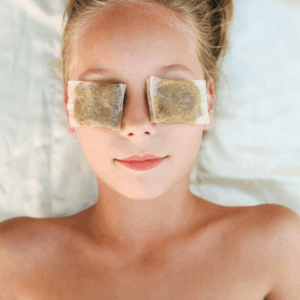
Both have merit. Topical application delivers compounds directly to skin but affects only where applied. I use green tea topically for undereye bags. Drinking tea delivers compounds systemically, affecting skin everywhere but in lower concentrations. Many skincare products now include tea extracts.
Caffeine is a mild diuretic but the net effect of drinking tea is still hydrating. Caffeine also has antioxidant properties. For most people, moderate caffeine intake doesn’t negatively affect skin. If you’re concerned, choose caffeine-free options.
Anti-inflammatory teas like chamomile, turmeric, and rooibos may provide supportive benefit for inflammatory skin conditions, but they’re not treatment. Work with a dermatologist for these conditions
References and Further Reading:
- Katiyar SK, Elmets CA. Green tea polyphenolic antioxidants and skin photoprotection. International Journal of Oncology. 2001;18(6):1307-1313.
- Rutter K, Sell DR, Fraser N, et al. Green tea extract suppresses the age-related increase in collagen crosslinking and fluorescent products in C57BL/6 mice. International Journal of Vitamin and Nutrition Research. 2003;73(6):453-460.
- Thring TS, Hili P, Naughton DP. Anti-collagenase, anti-elastase and anti-oxidant activities of extracts from 21 plants. BMC Complementary and Alternative Medicine. 2009;9:27.
- Heinrich U, Moore CE, De Spirt S, Tronnier H, Stahl W. Green tea polyphenols provide photoprotection, increase microcirculation, and modulate skin properties of women. Journal of Nutrition. 2011;141(6):1202-1208.
- Saric S, Sivamani RK. Polyphenols and sunburn. International Journal of Molecular Sciences. 2016;17(9):1521.
- Michalak M. Plant-derived antioxidants: Significance in skin health and the ageing process. International Journal of Molecular Sciences. 2022;23(2):585.
- Gianeti MD, Mercurio DG, Campos PM. The use of green tea extract in cosmetic formulations: Not only an antioxidant active ingredient. Dermatologic Therapy. 2013;26(3):267-271.
If you want to explore the world of teas and tisanes, check out this Complete Guide to Teas. It includes information on how to grow a tea garden, types of tea, brewing times and temp., recipes for blends, caffeine amounts, and much more.
