
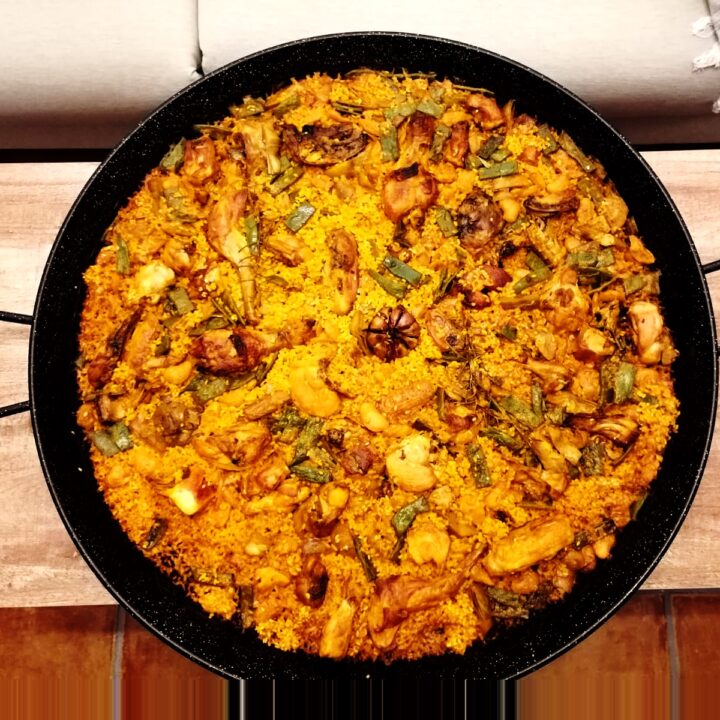
Quick Summary: An overview of traditional Spanish rice dishes, from the three classic Valencian paellas to lesser-known regional specialties like arroz negro, fideuà, and arroz caldoso. Learn the differences, what makes each unique, and which to try first.
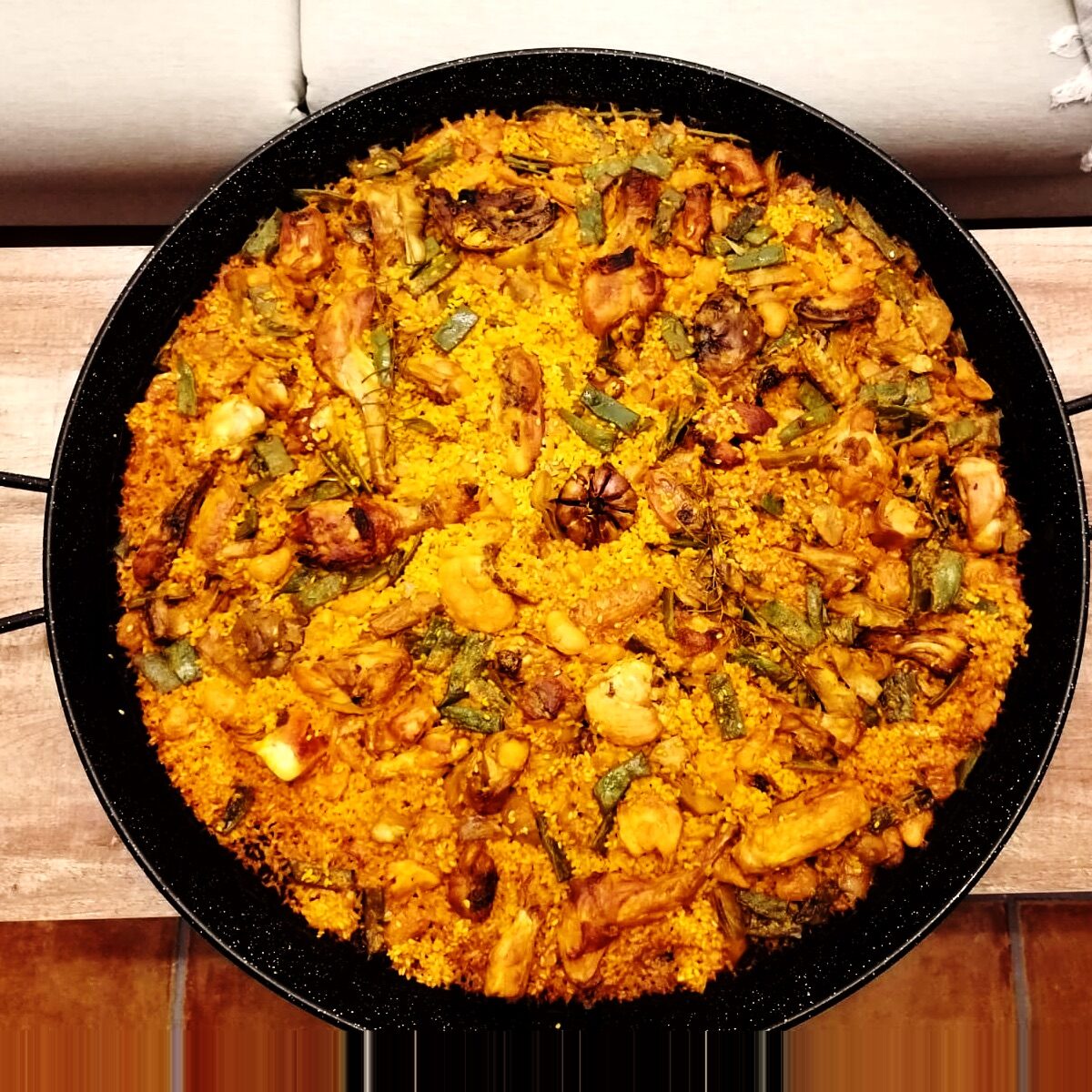
Jump to: What is Paella | A Short History | Three Traditional Paellas | Other Spanish Rice Dishes | FAQ
My daughter did her study abroad in Spain, and we were lucky enough to be able to visit her and be introduced to Spanish culture through her wonderful house mom. We particularly fell in love with paella, but soon found that paella was just the beginning.
Spanish cuisine actually includes dozens of rice dishes, each with its own traditions, ingredients, and regional variations.
After returning to the states, I was lucky enough to find a writer (Marijke) who lived in Spain and helped me develop this guide Spanish rice cooking, from the three classic Valencian paellas to the lesser-known arroces you might encounter traveling through Spain, or want to try making at home.
For an excellent, and very authentic recipe for seafood paella, see my post on traditional Spanish seafood paella.
What is Paella?
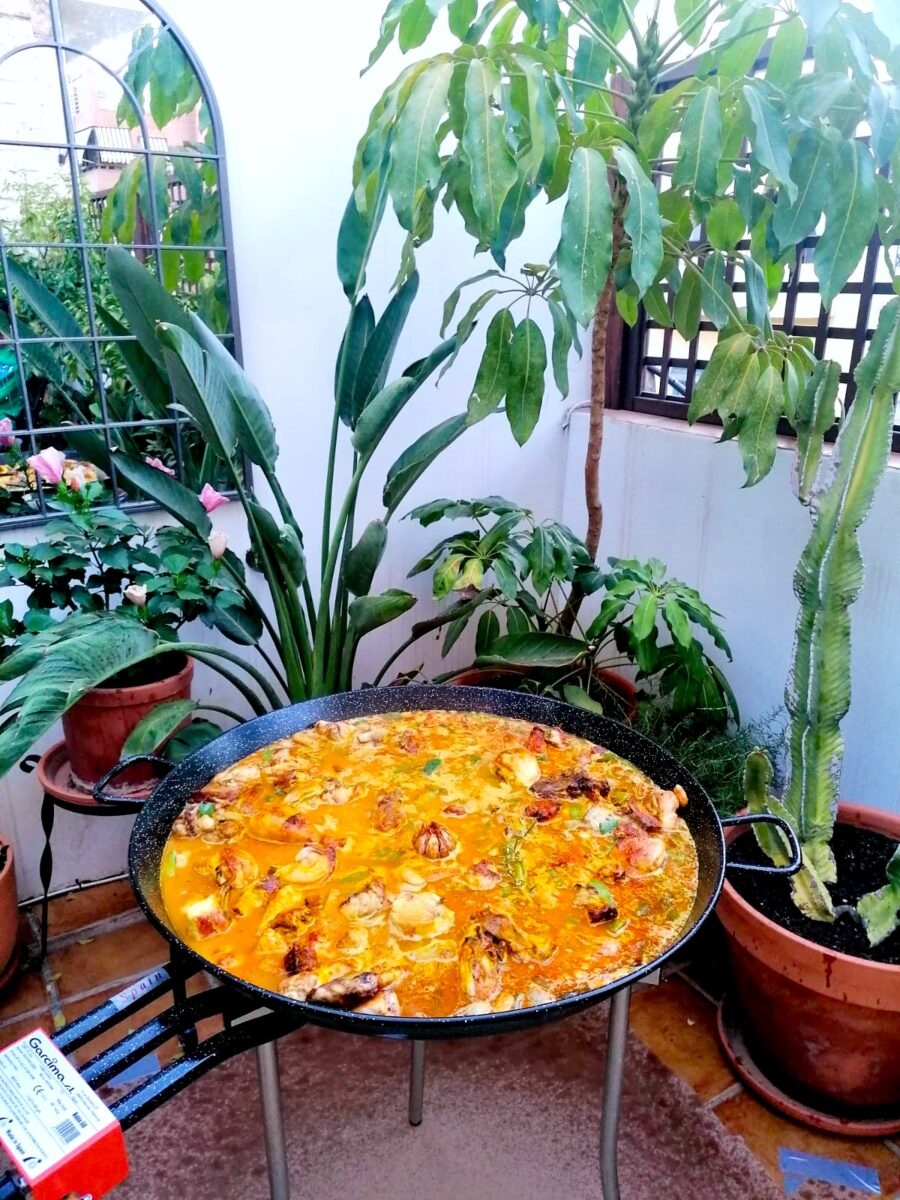
Paella (pronounced pai·ay·uh) is a Spanish rice dish that originated in the Valencia region on the country’s Mediterranean east coast. The name comes from the pan it’s cooked in: a wide, shallow pan with handles on each side called a paellera.
In Spain, especially around Valencia, paella is cultural. The best paella isn’t found in restaurants (especially not tourist restaurants, which are notorious for serving terrible versions). The best paella is made at home with friends or family on a Sunday afternoon.
It’s considered a lunch dish. Having paella for dinner is technically frowned upon, though those of us outside Spain can bend the rules.
A Short History of Paella
Like many traditional Spanish dishes, paella started as food for working people. It began with the introduction of rice from Asia to Spain, around the time of Alexander the Great.
The Spanish mastered rice cultivation over centuries, especially during the more than 700 years of Arab rule (711 CE to 1492 CE). When 15th-century Valencian farmers and shepherds needed a filling midday meal, they turned to rice mixed with whatever vegetables, meat, or fish they had on hand.
Rice proved excellent at absorbing the flavors of stock and whatever it was cooked with. This advantage helped it become deeply embedded in Spanish cuisine.
Paella spread beyond Spain in the 20th century, especially after the tourism boom in the 1960s. Today almost everyone has heard of paella, though not everyone has had an authentic one.
The Three Traditional Valencian Paellas
Although paella started as a “whatever’s available” dish, set recipes have evolved. There are three basic paella varieties, all using saffron for color and flavor, and all often finished with a squeeze of fresh lemon.
In the Alicante region near Valencia, paella is sometimes served with aioli (garlic mayonnaise). The Valencians themselves might not agree with this practice.
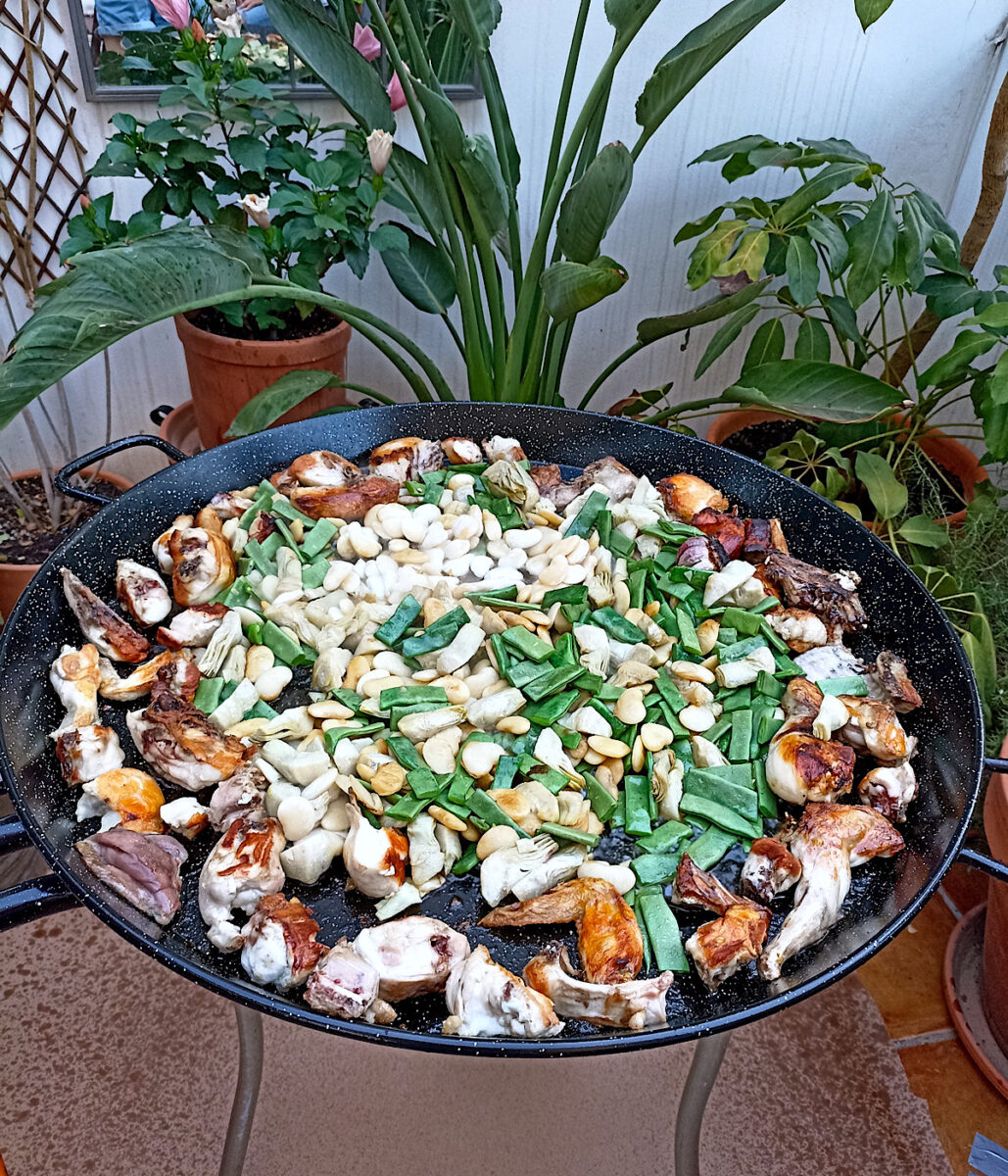
Meat-Based Paella (Paella Valenciana)
The original. Traditionally made with chicken and rabbit (or duck), pole beans, grated tomato, and often artichoke and butter beans. The broth is sometimes made in the pan itself, though home cooks often simplify by using chicken broth.
Seafood Paella (Paella de Mariscos)
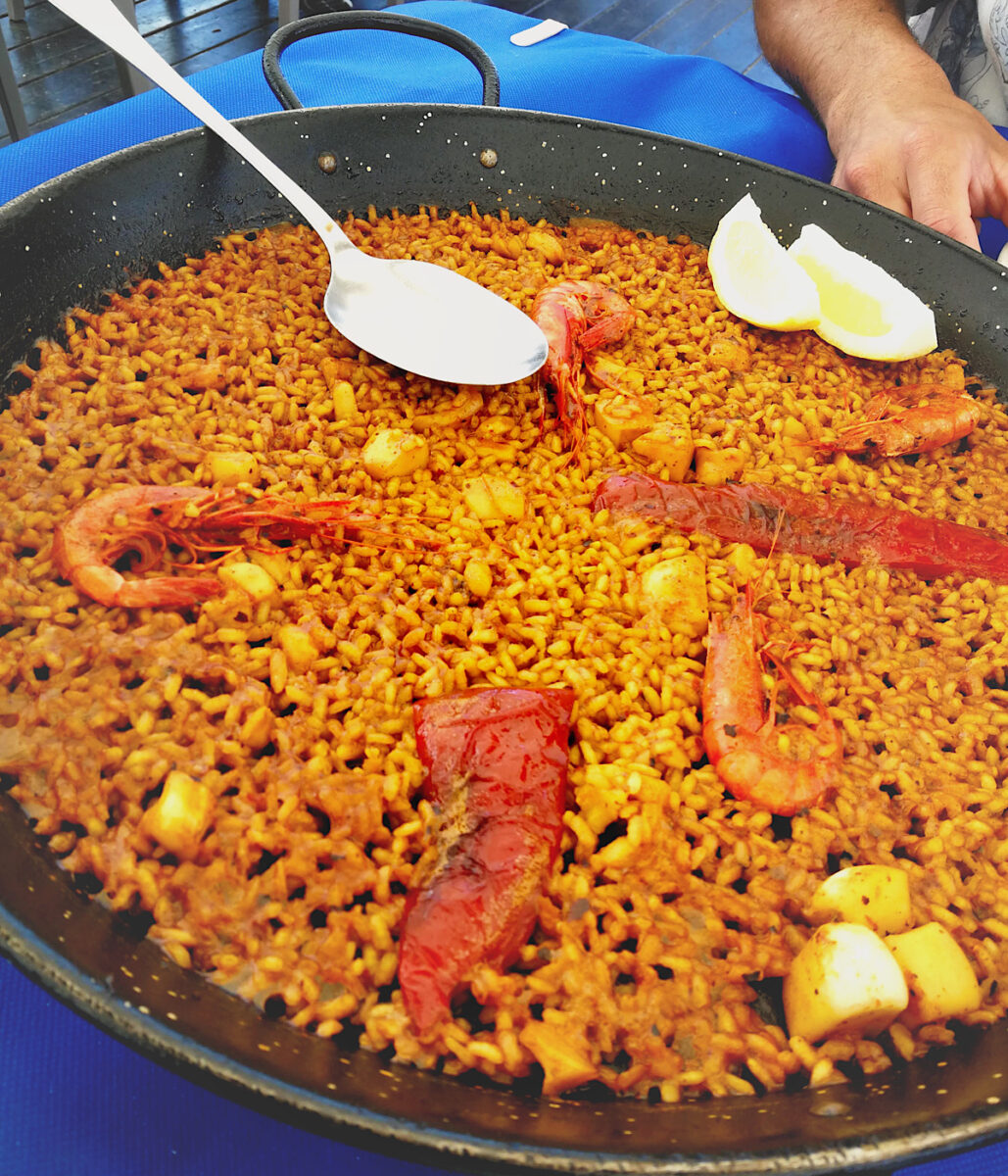
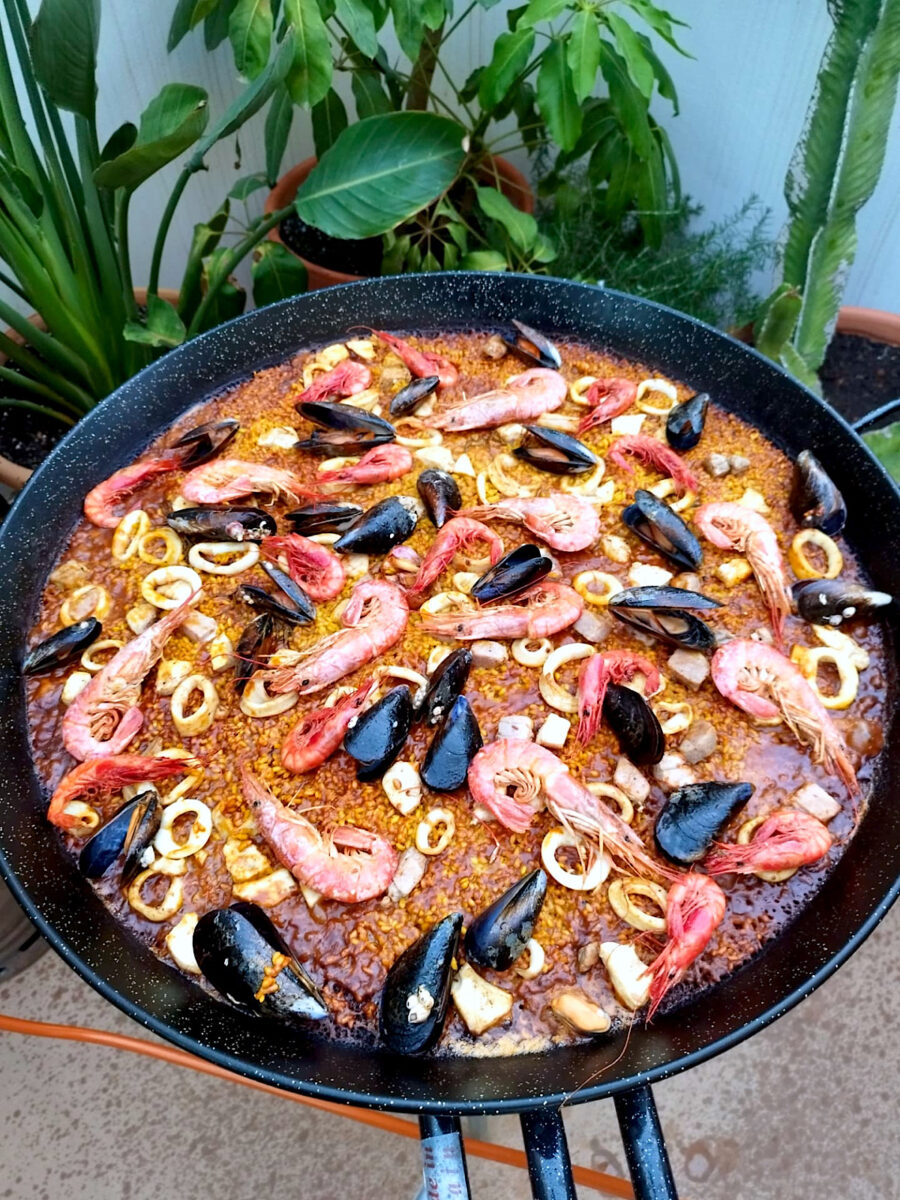
A range of seafood (shrimp, mussels, squid, sometimes scampi) combined with seafood broth. Vegetables like red pepper, onion, and peas are sometimes added, but they’re not traditional.
For a detailed and very authentic recipe, see my post on traditional Spanish seafood paella.
Mixed Paella (Paella Mixta)
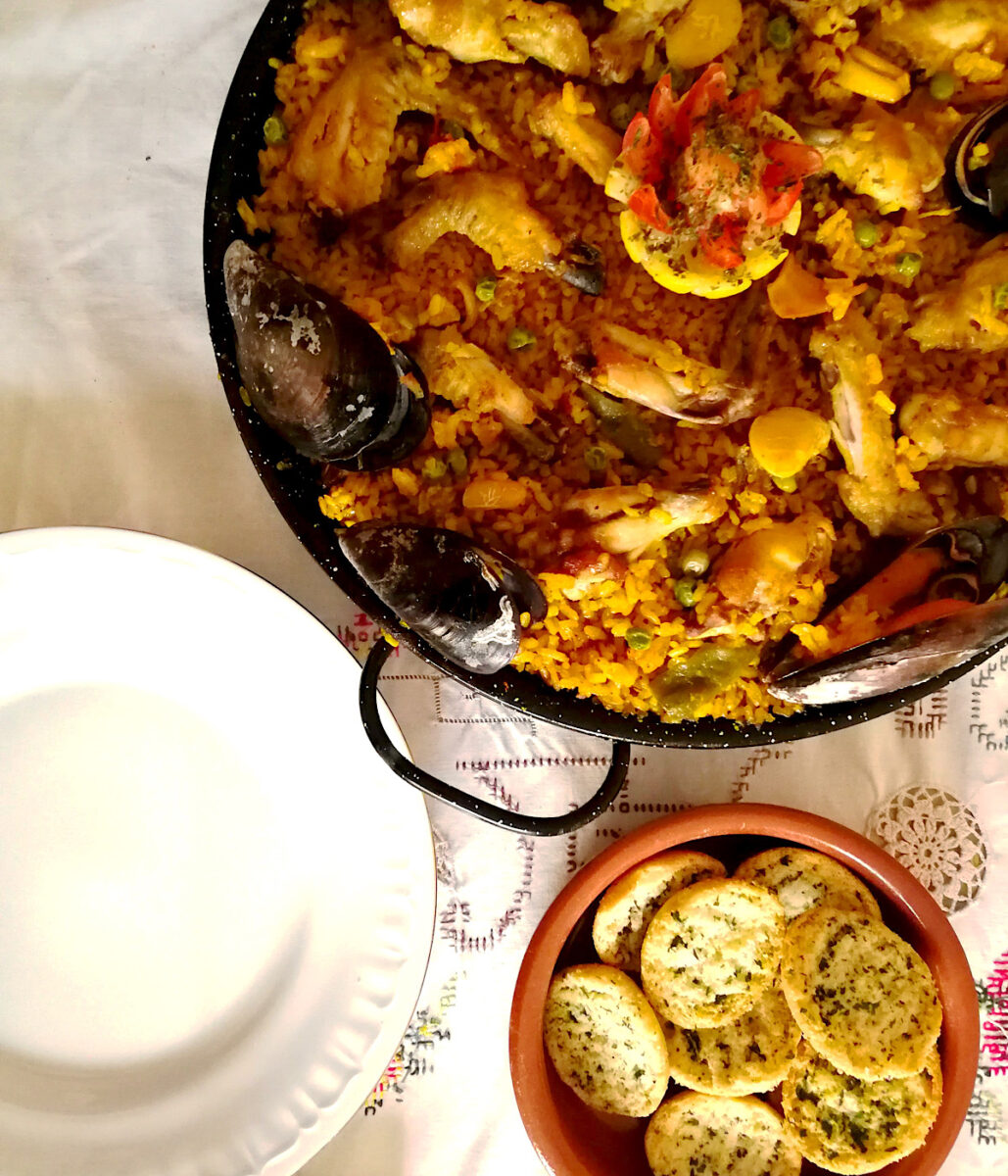
Not as popular in Valencia itself, this combines meat and seafood and is found throughout the rest of Spain. It’s the best of both worlds for those who can’t choose.
Other Traditional Spanish Rice Dishes
Tried all three paellas and want more? Spain offers many other rice dishes prepared similarly, with different ingredients and textures.
- Arroz Negro (Black Rice): This seafood dish gets its striking color from squid ink, which is common in Spanish supermarkets. It’s typically made with squid or cuttlefish and prawns.
- Arroz del Senyoret (“Gentleman’s Rice”): Named because all the seafood is pre-peeled, making it easy to eat. Made with fish stock, squid, shrimp, and monkfish or rehydrated dried cod.
- Arroz a Banda (“Rice on the Side”): A traditional fisherman’s dish made with homemade fish stock, served with prawns and cuttlefish. The rice is cooked in the flavorful stock that results from simmering fish.
- Fideuà: Made with small pasta noodles instead of rice. Usually contains monkfish, cuttlefish, squid, and shrimp. Popular along the coast.
- Arroz Meloso: The preparation differs slightly from paella. This dish is characterized by a creamy texture similar to risotto. Can be made with various ingredients.
- Arroz Caldoso: More of a rice stew. Recognizable by its soupy texture. Can be made with different proteins but always has more liquid than traditional paella.
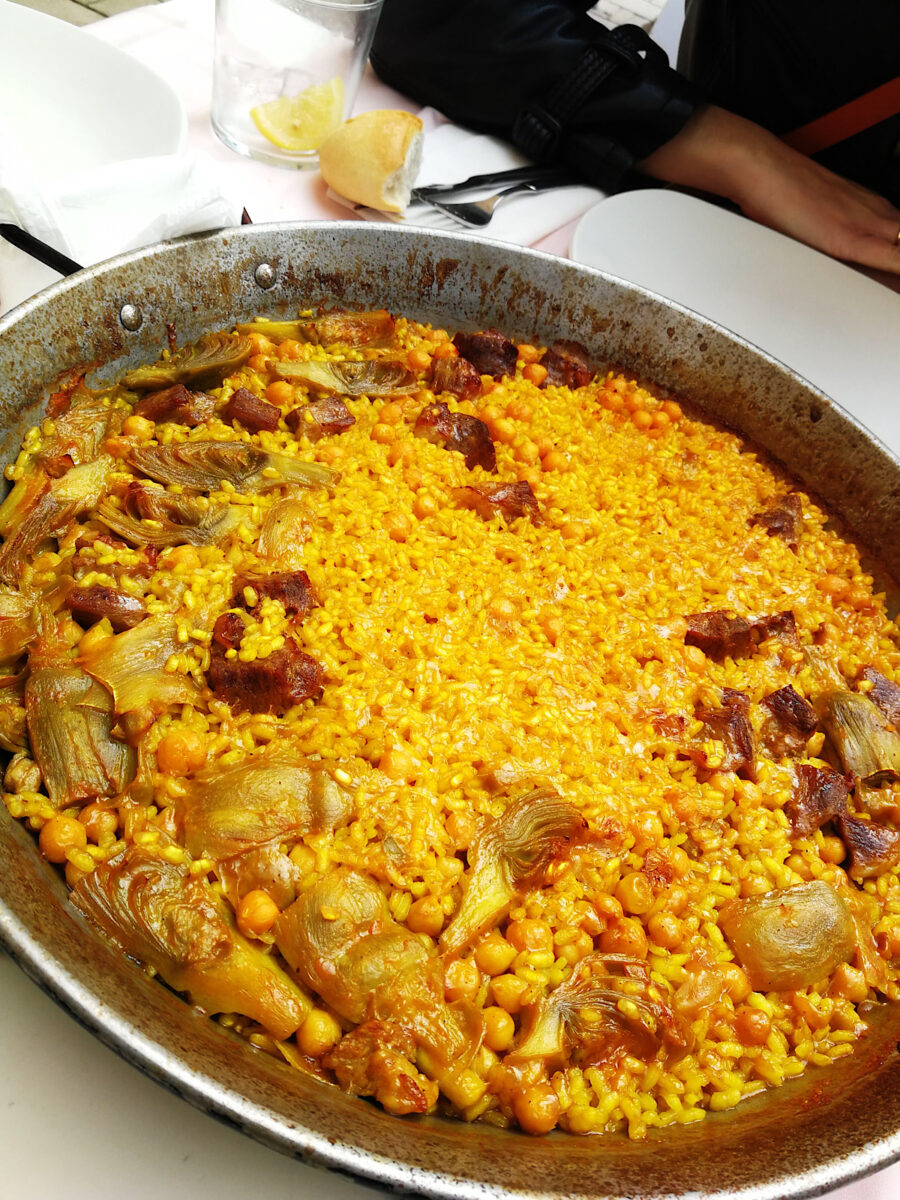
- Magro y Verduras: Made with magro (a lean pork cut) and vegetables like green beans and artichoke. A personal favorite of the contributor who shared these recipes with me.
Did you know? The biggest paella ever made was in 2001, in a pan 21 meters (almost 70 feet) wide. It contained an entire kilogram of saffron.
FAQ
Paella is a specific type of arroz (rice dish). The term “paella” technically refers only to the three traditional Valencian varieties. Other Spanish rice dishes are called arroces (plural of arroz) and have their own names.
The techniques are similar, so once you’ve made one, the others are approachable. The main differences are ingredients and final texture (dry like paella, creamy like arroz meloso, or soupy like arroz caldoso).
Bomba rice (arroz bomba). This short-grain rice absorbs liquid without becoming mushy, which is essential for proper paella texture. Risotto rice looks similar but behaves differently and won’t give authentic results.
If you like seafood, start with paella de mariscos (seafood paella). If you prefer meat, try paella Valenciana with chicken and rabbit. For something creamy and approachable, arroz meloso is forgiving for beginners.
For a full seafood paella recipe, see Traditional Spanish Seafood Paella.
Leave a comment