
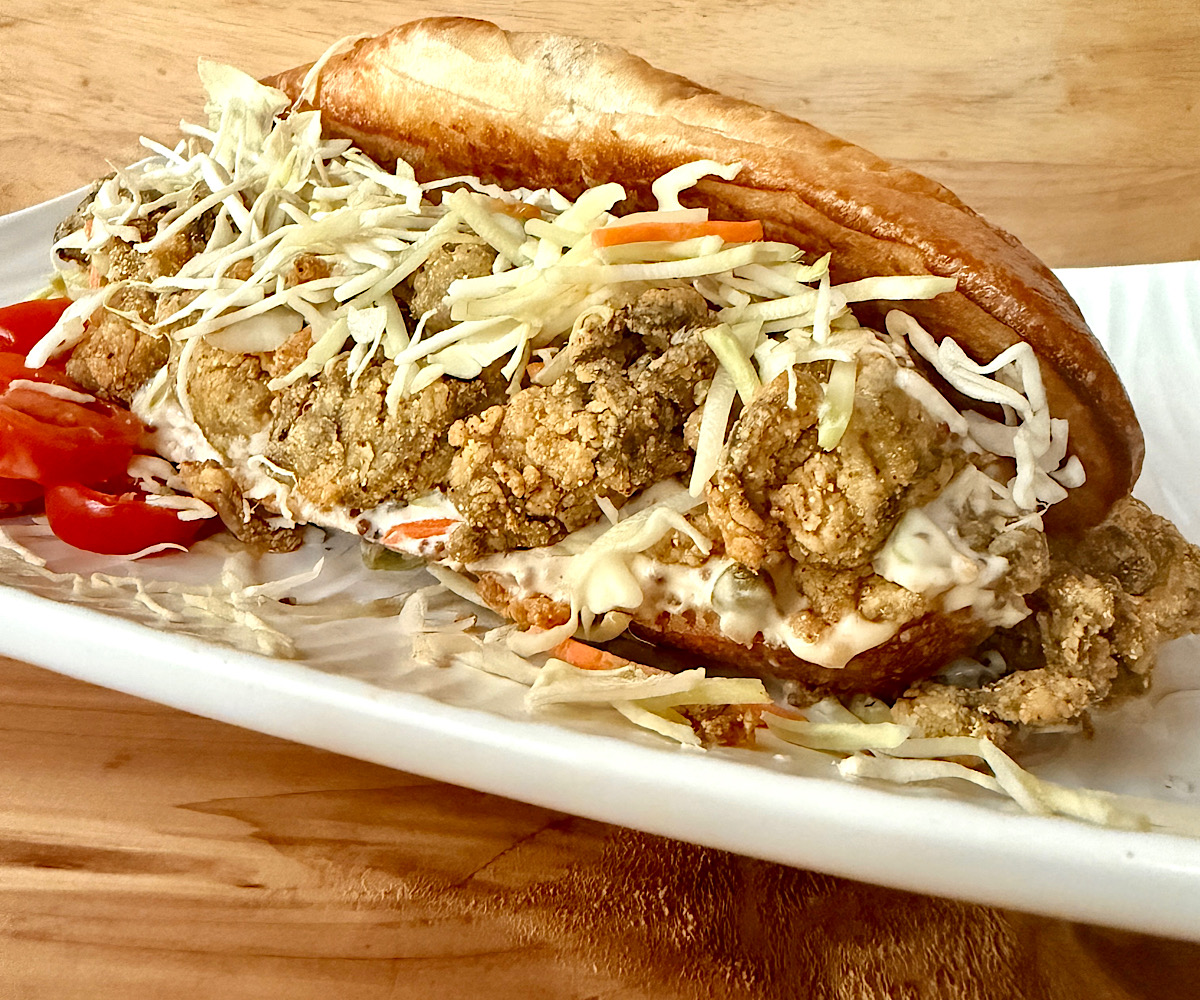
Quick Summary: A spicy Oyster Po Boy made with canned whole oysters, a creole breading mix, and a tangy caper-pickle juice remoulade sauce. Canned oysters work surprisingly well here and make this Southern classic accessible anywhere. Serve on toasted hoagie bread with cabbage slaw and sliced tomatoes. Prep: 30 min | Cook: 8 min | Serves: 4
Jump to: RECIPE: | What is a Po Boy? | Why is a Po Boy Southern? | Substitutions for Oysters | Caper Remoulade Sauce | Step by Step Directions | More Southern Recipes
FAQ
My mom grew up in DeSoto parish, south of Shreveport Louisiana, and although she shared many of her food memories with me, Po Boys never came up. It may have been that her town of Pelican was too far from the Louisiana coast to appreciate fish and seafood.
She grew up in desperate poverty so it also may have been that they were limited to what they could grow. I’m not sure, but I do know it became a food memory for me in 2013 when I had a chance to have one at the Ferry Building farmers market, and then again on a trip to New Orleans.
I fell in love with the Oyster Po Boy, but getting fresh oysters in Minnesota wasn’t going to happen. So, I decided to try it with canned whole oysters and was truly surprised at the excellent flavor. If you make a great remoulade sauce, dredge them in a spicy breading and pair it with premium hoagie bread, you will get pretty close to the real thing.
Of course if you can find fresh oysters definitely use them, but this remoulade sauce will take fresh or canned over the top.
What is a Po Boy?
A Po Boy is a Louisiana sandwich traditionally made with fried seafood (sometimes roast beef), served on crusty French bread.
The name comes from New Orleans, where the sandwich was created in the late 1920s by Bennie and Clovis Martin, two former streetcar conductors who served free sandwiches to striking transit workers. The strikers were called “poor boys,” and the sandwich kept the name.
A proper Po Boy is generous, messy, and served “dressed” with lettuce (or cabbage slaw), tomatoes, pickles, and mayo or remoulade.
Why is a Po Boy Southern?
The Po Boy is rooted in New Orleans, but variations of fried seafood sandwiches show up across the Gulf Coast from Texas to the Florida panhandle. What makes it distinctly Southern is the combination of deep-fried seafood, creole or cajun seasoning, and a remoulade sauce (often spicy).
Every family has their own version, and the debate over which bread, which seafood, and which sauce is part of the tradition itself.
Substitutions for Oysters
If fresh oysters are unavailable and you prefer something different from canned whole oysters, these swaps all work well with the same breading and remoulade:
- Shrimp: The most common substitute. Use large or jumbo shrimp, peeled and deveined. Fry time stays about the same at 2-3 minutes.
- Catfish: Cut into strips about the width of your hoagie roll. Catfish has a mild, sweet flavor that takes the creole breading beautifully and is probably the most traditional alternative after shrimp.
- Soft-shell crab: Seasonal and a splurge, but a whole fried soft-shell crab on a hoagie roll is a Gulf Coast experience worth trying if you can find them.
- Firm white fish: Cod, haddock, or tilapia fillets cut into strips will all work. These are milder in flavor, so the remoulade does the heavy lifting.
Caper Remoulade Sauce:
There are several versions of a Southern remoulade sauce, but most of them include mayonnaise, mustard and some hot spice blends (most often cayenne).
My version below in the recipe card adds pickle juice and capers to enhance the pungent flavor that pairs so well with spicy food.
These are the key ingredients that are in my remoulade sauce and why you should use them:
- Mayonnaise: This forms the creamy base of the sauce. I prefer full-fat mayo for its richness, but you can substitute it with light mayo or plain yogurt for a lower-calorie option.
- Pickle juice: The tangy, briny flavor of pickle juice adds a depth that you won’t get with plain white vinegar or lemon juice..
- Capers: Capers accent the briny flavor of the pickle juice, but they also add some texture to the sauce. It’s a treat to taste these little pickled gems in a smooth silky sauce.
- Stone Ground Mustard: A little mustard adds an extra tang and the stone ground version adds a bit of extra texture. You can certainly substitute in Dijon mustard, but just make sure not to skip mustard in your sauce.
- Horseradish: The horseradish brings a sharp, satisfying kick that balances out the smooth mayonnaise and adds a slightly different heat than the hot pepper powder.
- Spice blends: Your favorite creole or cajun spice blend from the store will work fine, I like to make my own because you never know how old the purchased spice blends are, and they lose their heat over time. I’ve added my creole spice blend in the notes section of the recipe card below.
How to Make an Oyster Po Boy (Step by Step)
FAQ
Can I use fresh oysters instead of canned?
Absolutely. Fresh shucked oysters will give you a better texture with plumper, juicier results. Pat them dry before dipping in the egg wash. The fry time is the same.
You can, but the result will be different. Spread breaded oysters on a parchment-lined sheet pan and bake at 425 degrees F for about 12-15 minutes, flipping halfway through. They won’t get as crispy as fried, but you’ll still get good flavor from the breading and the remoulade will carry the sandwich.
Peanut oil is ideal because of its high smoke point and neutral flavor. If you have a peanut allergy, canola or vegetable oil works fine. Avoid olive oil for deep frying since the smoke point is too low.
The remoulade keeps well in a sealed container in the refrigerator for up to a week. It actually improves after a few hours as the flavors meld, so making it ahead is a good move.
More Southern Recipes
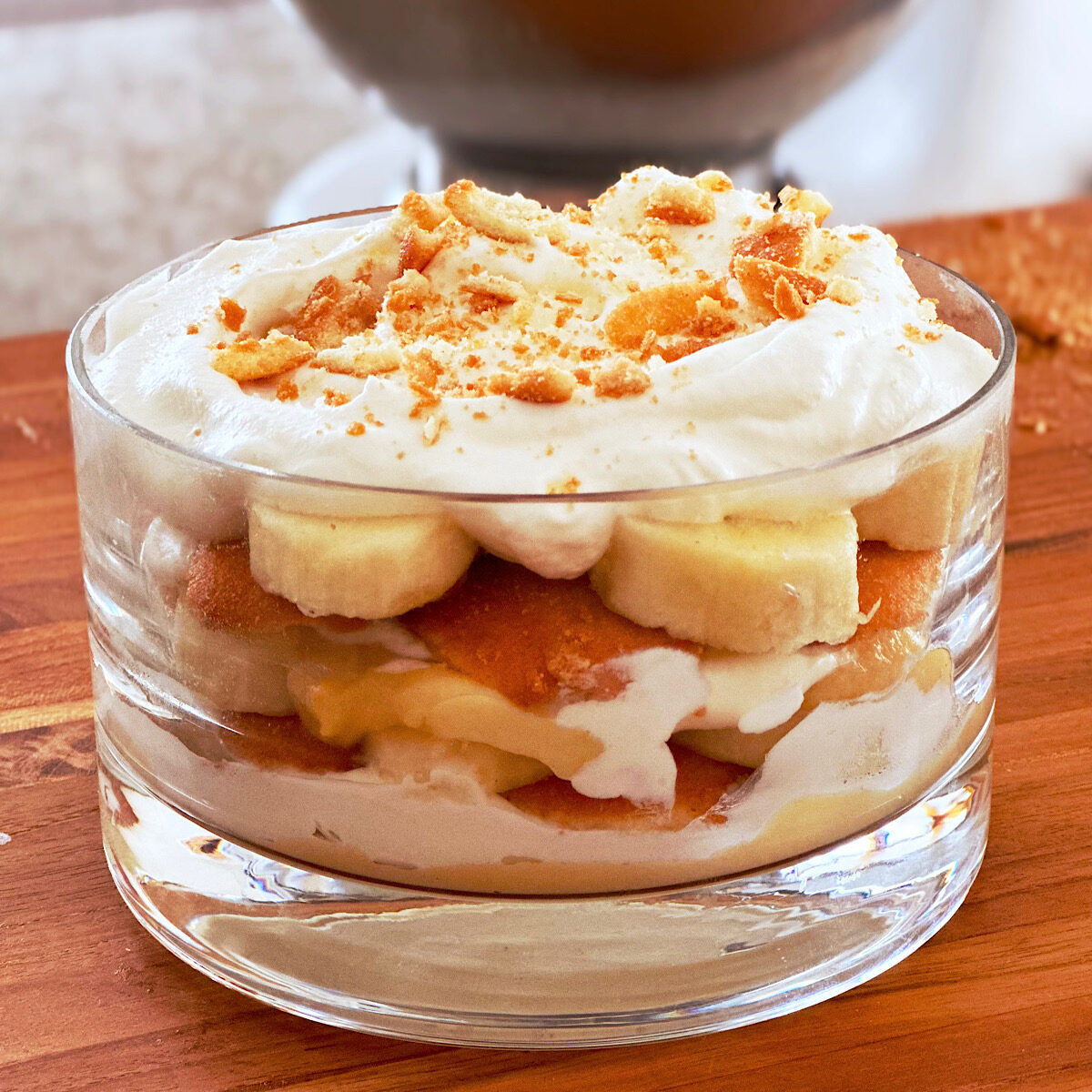
If you enjoyed this Po Boy recipe, you might also like my Southern Banana Pudding or my Hush Puppies with 3 Dipping Sauces.
I’m building out a collection of Southern recipes rooted in my Louisiana and Alabama family traditions, so check back or subscribe to the newsletter to catch new ones as they go up.
Oyster Po Boy with Caper Remoulade Sauce
Equipment
- 1 Dutch oven or large pot
- 1 large slotted spoon also called spider strainer
- 2 medium bowls
Ingredients
For the Sandwich
- 32 ounces whole oysters, canned four 8-ounce cans
- 1 cup whole milk
- 2 eggs
- 1 cup all-purpose flour
- ½ cup fine cornmeal
- ½ teaspoon cayenne pepper
- ½ teaspoon black pepper
- salt (to taste)
- peanut oil, for frying
- 4 6-inch hoagie loaves
- ¾ cup cabbage slaw can be pre-made
For the Remoulade Sauce
- 1 ¼ cup mayonnaise
- ¼ cup stone-ground mustard
- 1 tablespoon pickle juice
- 1 tablespoon capers, small
- 1 teaspoon prepared horseradish
- ½ teaspoon cayenne pepper
- ½ teaspoon hot paprika
- ½ teaspoon hot sauce
Instructions
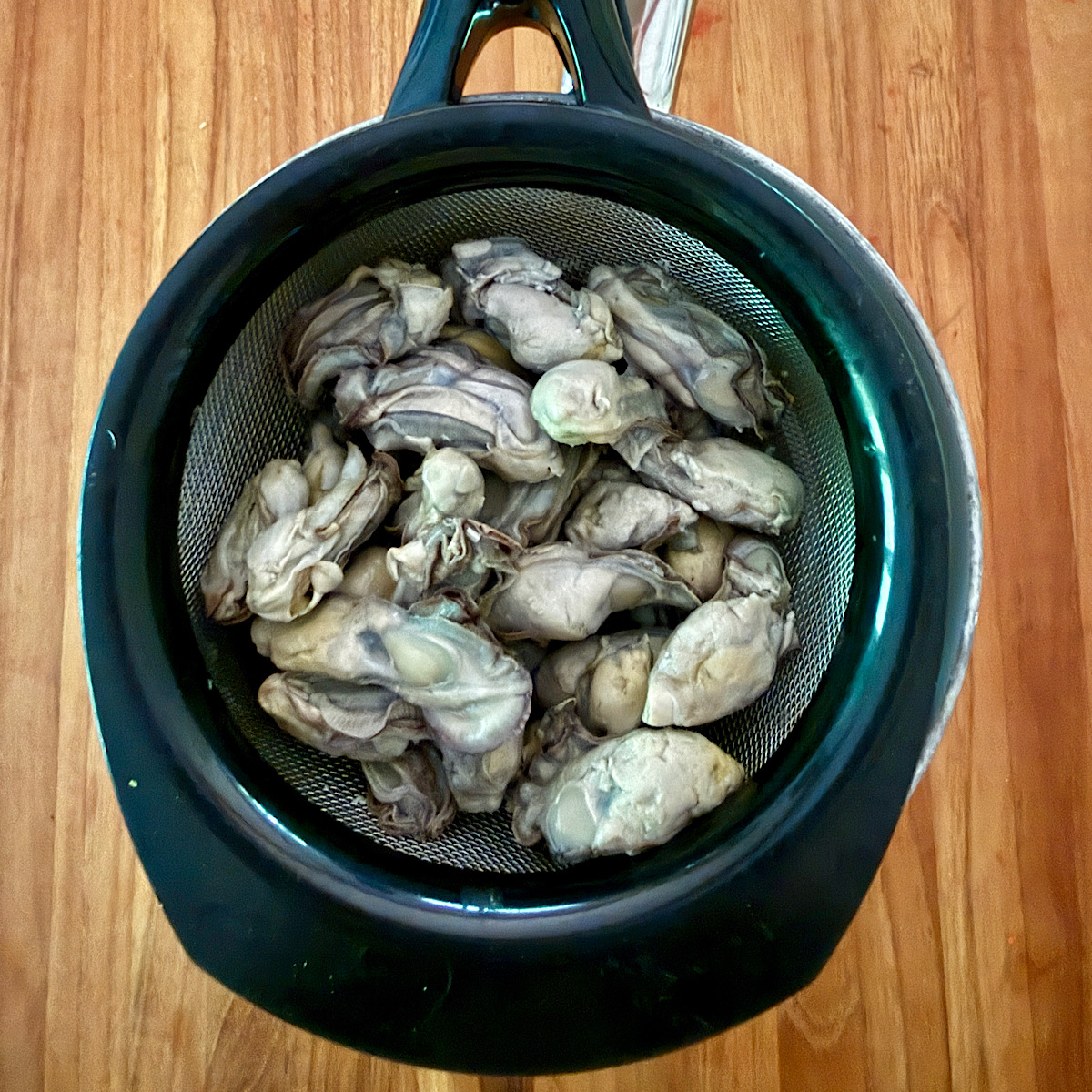
- Place the oysters in a large sieve over a bowl to drain. Set aside while you make the remoulade32 ounces whole oysters, canned
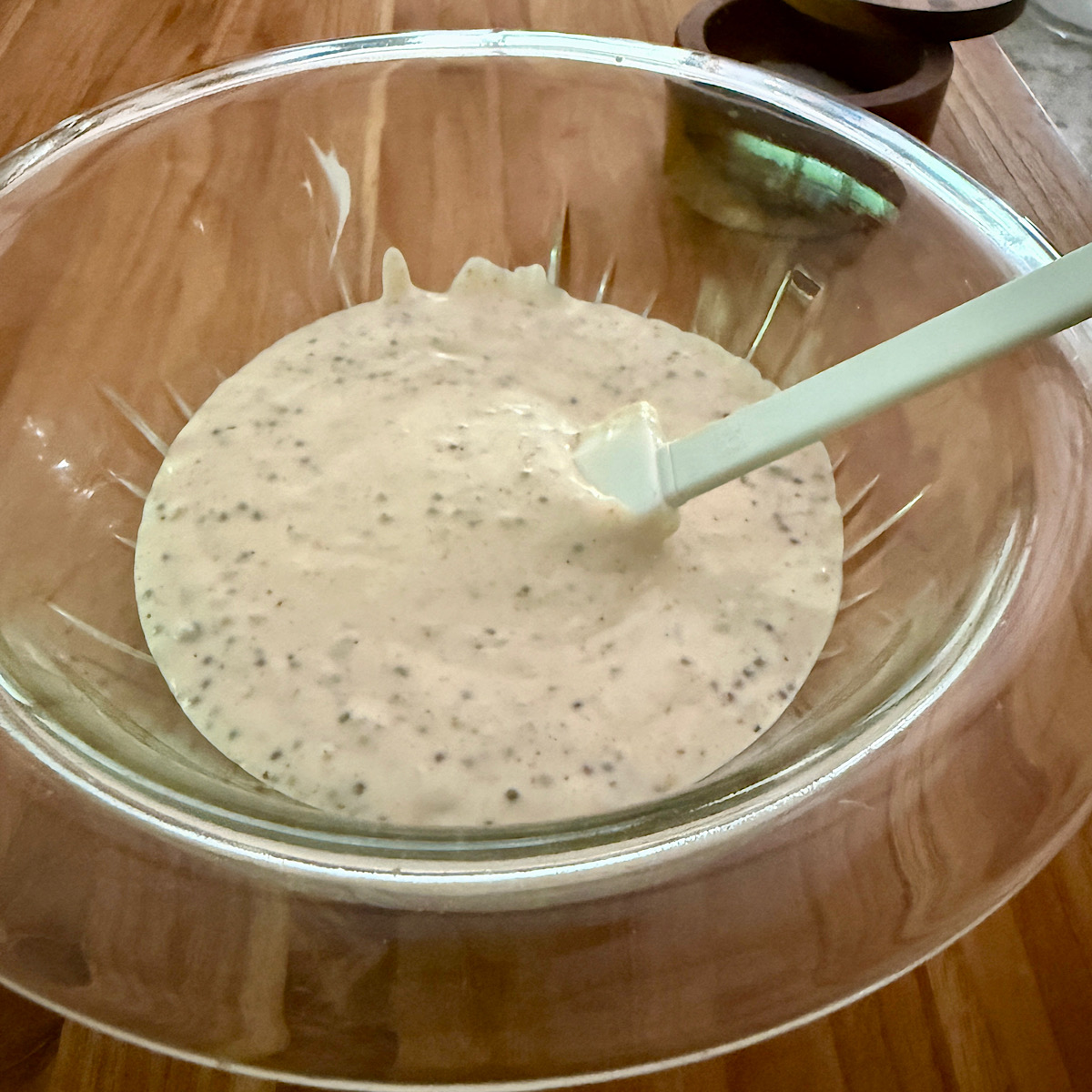
- Make the remoulade: Thoroughly stir together all of the remoulade ingredients. Set aside.1 1/4 cup mayonnaise, 1/4 cup stone-ground mustard, 1 tablespoon pickle juice, 1 tablespoon capers, small, 1 teaspoon prepared horseradish, 1/2 teaspoon hot paprika, 1/2 teaspoon hot sauce, 1/2 teaspoon cayenne pepper
- Start getting the oil hot. In a large heavy-bottomed pot (dutch oven is preferred if you have it), pour enough oil in to fill the pot about half-way. Heat over high or medium-high until a thermometer inserted into the oil reaches 360 degrees F.peanut oil, for frying
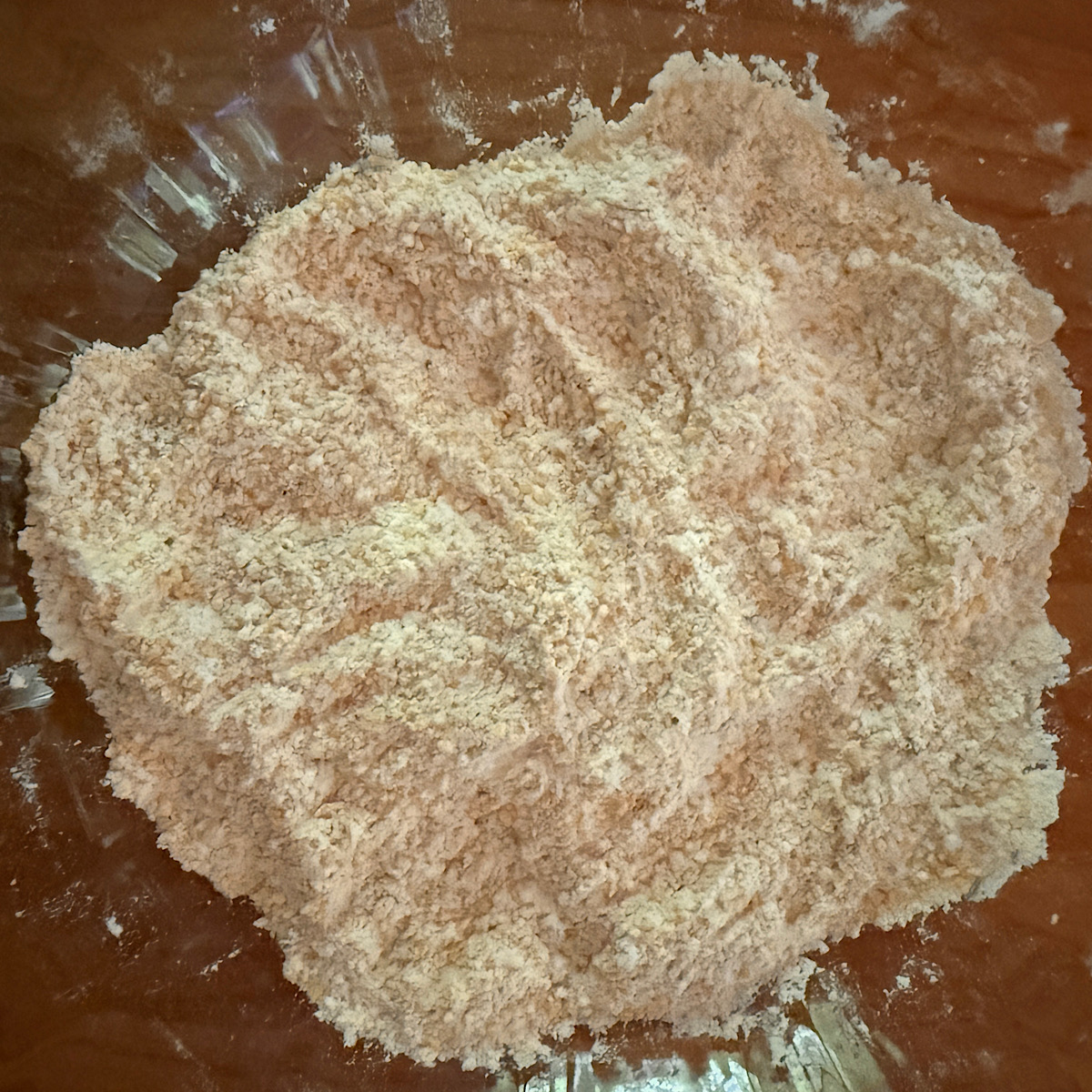
- While the oil is heating, in a large bowl, stir together the milk and eggs. Place the drained oysters in this liquid to soak for a few minutes. In another bowl whisk together the flour, cornmeal, 1/2 teaspoon cayenne, and salt and pepper.1 cup whole milk, 2 eggs, 1 cup all-purpose flour, 1/2 cup fine cornmeal, 1/2 teaspoon cayenne pepper, 1/2 teaspoon black pepper, salt (to taste)
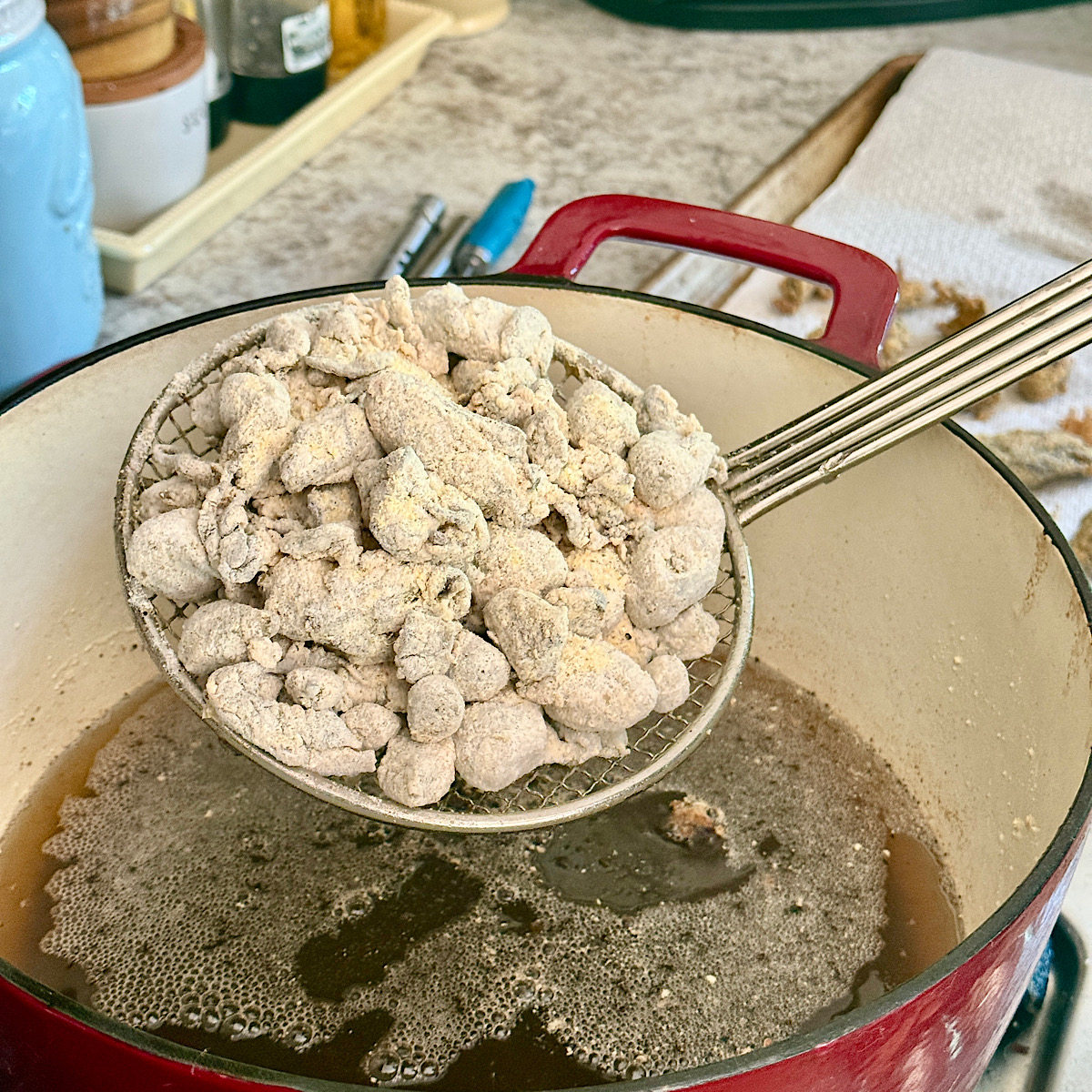
- Dump the flour mixture into a large paper bag. Use a slotted spoon to gather the oysters from the milk-egg mixture and add them to the paper bag with the flour mixture. Shake the oysters in the bag until well-coated with the flour-cornmeal breading.
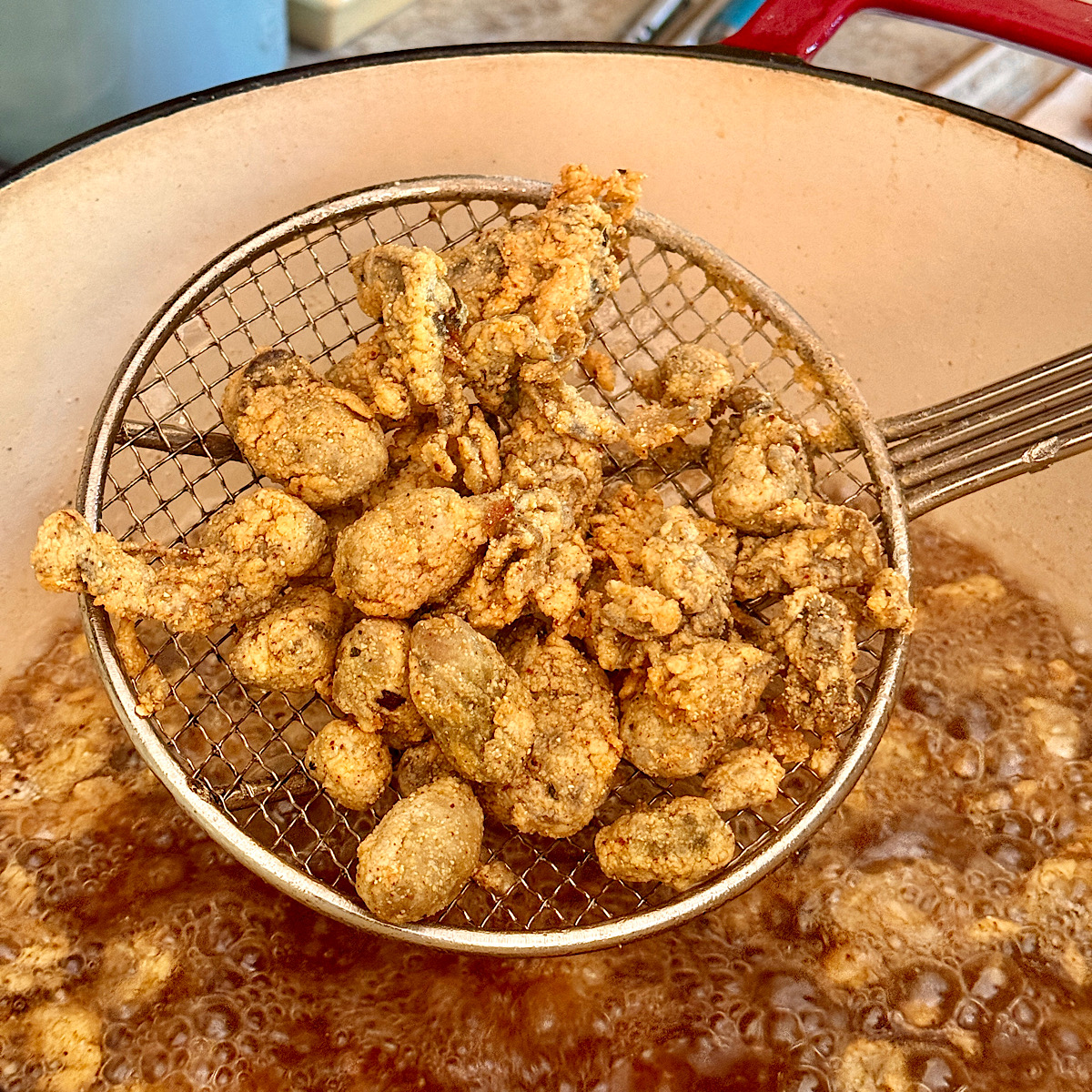
- Using the slotted spoon (the spider), gather about 1/3 of the breaded oysters and lower into the hot oil. Fry for about 2-3 minutes, or until golden brown (time depends on size of oysters). Remove to a plate with a paper towel and repeat frying process for remaining oysters.
- Toast the hoagie bread and spread the bottom with a generous portion of the remoulade sauce. Top with the breaded oysters and some cabbage slaw. Serve with sliced tomatoes as an optional addition.4 6-inch hoagie loaves, 3/4 cup cabbage slaw
Notes
- 1/2 cup paprika
- 3 tablespoons kosher salt
- 2 tablespoons granulated onion powder
- 2 tablespoons granulated garlic powder
- 2 tablespoons cayenne pepper
- 2 tablespoons white pepper
- 2 tablespoons black pepper
- 2 teaspoons dried thyme