
Quick Summary: Not all fruit is off-limits on a low carb or slow carb diet, as it depends on which fruit and how much. This guide ranks common fruits from lowest to highest in sugar content, covers which ones work best during fat loss versus maintenance, and explains why fructose affects weight loss differently than other sugars. Use this as a reference when planning meals or deciding what to save for cheat day.
Jump to: Why Fruit is Limited | Tips for Including Fruit | Ranking by Sugar Content | FAQ

Fruit is one of the most common points of confusion on slow carb and low carb diets. The blanket “no fruit” rule makes sense as a starting point, but it doesn’t hold up well once you understand what’s actually happening.
The issue isn’t fruit itself, it’s fructose (the sugar in fruit), and how the body processes it during fat loss.
The good news is that fruits vary enormously in sugar content. Blackberries and lemons sit at one end of the scale; dried fruit, bananas, and mangoes sit at the other. Knowing the hierarchy lets you make smarter decisions about when and how to include fruit rather than avoiding it entirely.
Why Fruit Is Limited on Slow Carb Diets
A lot of people have trouble with the idea that fruit is to be avoided on a low carb, slow carb or ketogenic diet.
There are a lot of variables to consider before excluding all fruit entirely however.
Some of the key questions to ask yourself with respect to fruit include:
- Is your goal weight loss or maintenance?
- Does your diet regimen include a cheat day?
- Which specific fruits do you want to include?
The main reason fruit is not considered compliant with low carb lifestyles is the amount of sugar that is found in most fruit (in the form of fructose) and how it can impact weight loss.
While fruit sugars may impact weight loss, there is a big difference between the sugar in whole fruit and processed sugar in terms of “health”.
Fruit definitely has some antioxidants and nutritional benefits that are healthy in a diet. Certain whole fruits (not fruit juice) can also help curb the carb load due to the added fiber that is processed differently in the body.
Which Fruits Work Best on Slow Carb?
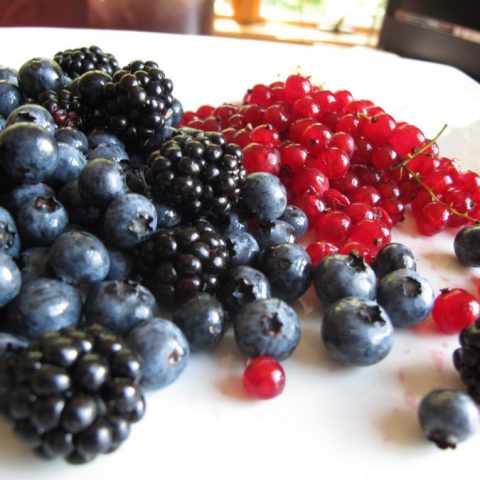
During active fat loss, Tim Ferriss recommends saving fruit for cheat day. That’s the cleanest approach. If you want to include fruit on non-cheat days, berries are your best option. Blackberries, strawberries, and raspberries are lowest in fructose and highest in fiber, which slows the sugar absorption.
Half a cup of berries per day is generally well-tolerated without stalling weight loss for most people.
During the maintenance stage, the hierarchy matters more than the strict exclusion. Fruits in the low-to-medium range, like strawberries, blueberries, peaches, apples, can come back in moderate portions without issue for most people.
Fruits at the top of the sugar scale (grapes, mangoes, dried fruit, bananas) are the ones worth continuing to save for special occasions even in maintenance.
How to Include Fruit on a Slow Carb Diet
My recommendations on incorporating fruit into a low carb diet are as follows:
- when you are trying to lose weight include fruit on your cheat day ( or once a week) but exclude it during the other 6 days;
- berries are the least problematic with respect to weight gain;
- learn the hierarchy of which fruits are best and worst in terms of fructose and glucose responses.
- Below is a very simple list of fruits and their “relative” amounts of sugar compared to each other:
Fruits Ranked by Sugar Content
Fruits Lowest in Sugar:
- Lemons or limes
- Rhubarb
- Blackberries
- Cranberries
Fruits Low to Medium in Sugar
- Strawberries
- Casaba Melon
- Papaya
- Watermelon
- Peaches
- Nectarines
- Blueberries
- Cantaloupes
- Honeydew
- Apples
- Guavas
- Apricots
- Grapefruit
Fruits Fairly High in Sugar
- Plums
- Oranges
- Kiwifruit
- Pears
- Pineapple
Fruits Very High in Sugar:
- Tangerines
- Cherries
- Grapes
- Pomegranates
- Mangos
- Figs
- Bananas
- Dried Fruit
FAQ
Cherries are higher in sugar than most low carb fruits. They’re best saved for cheat day during active fat loss. During maintenance, a small portion occasionally is fine for most people.
Lemons, limes, rhubarb, and blackberries are the lowest. Cranberries are also very low but often come pre-sweetened. For practical snacking, blackberries and strawberries are the most useful low-sugar fruits.
Fructose, the sugar in fruit, is processed differently than glucose.. It goes directly to the liver rather than being available as immediate energy. Whole fruit does contain fiber that slows absorption. That said, fructose in excess still contributes to fat storage, which is why slow carb limits it during fat loss phases.
Yes, with some awareness of the hierarchy. Berries and lower-sugar fruits can come back in moderate portions. Save the high-sugar fruits (grapes, mangoes, dried fruit) for special occasions.
Interested in the Slow Carb Diet? Check out this comprehensive E-Guide on Fat Loss through a Slow Carb Diet.

Leave a comment