Quick Summary: The Slow Carb Diet from Tim Ferriss’s The 4-Hour Body recommends eating 30 grams of protein within 30 minutes of waking. Intermittent fasting says skip breakfast entirely. Both approaches work for fat loss, but they serve different purposes at different stages. The 30-gram rule is a strong starting tool for people breaking a high-carb breakfast habit. Once you’ve retrained your eating patterns and stalled near your goal, 16:8 fasting can be the thing that moves the last stubborn pounds. Here’s how I navigated both.
Jump to: 30-gram breakfast vs IF | When to Consider Switching to 16:8 | How to Combine Slow Carb with IF | Cheat Day? | What Breaks a Fast | Common Mistakes | My Perspective | FAQ
One of the most common questions I got during my years coaching people through the Slow Carb Diet was whether they could add intermittent fasting (IF) to the program. Tim Ferriss didn’t include IF in The 4-Hour Body when it was published, but he’s talked about it extensively since then, and he practices it himself at various times.
I started using IF after my initial 25-lb loss, and it was the thing that finally moved my last five stubborn pounds. That was over ten years ago. I still do 16:8 fasting most days, I still follow slow carb when I go over my red flag limit (see the slow carb maintenance plan for details on the red flag limit), and a decade later I have maintained the 30-lb weight loss.
Here’s what I’ve learned about making these two approaches work together, both from my own experience and from coaching more than 400 people through fat loss on the 4-Hour Body diet.
Does Intermittent Fasting Contradict the 30 Grams of Protein Rule?
If you’ve read Tim Ferriss’s The 4-Hour Body, you know Rule #1 of the Slow Carb Diet: eat 30 grams of protein within 30 minutes of waking. It’s one of the most specific instructions in the book, and he makes a compelling case for why it works.
But if you follow Ferriss’s more recent interviews and podcasts, you’ll notice he talks regularly about intermittent fasting, particularly the 16:8 protocol where you skip breakfast entirely and eat within an 8-hour window.
So which is it? Eat breakfast immediately, or skip it altogether?
This is the question that trips most people up, and it’s a fair one. Here’s how I think about it after living with both approaches for years.
The 30-grams rule was designed to solve a specific problem. Most people starting the diet were coming from a high-carb breakfast habit. Bagels, muffins, cereal, orange juice. Swapping that for eggs and beans was a significant change that helped stabilize blood sugar and reduce cravings right out of the gate. For someone on day one of slow carb who normally starts their day with a blueberry muffin and a latte, the 30-grams-of-protein switch is transformative.
But once you’ve been eating slow carb for a while and your body has adapted to burning protein and fat rather than relying on a steady stream of carbs, the urgency of that early morning protein hit diminishes. Your body has adjusted. You’re not riding the blood sugar roller coaster anymore.
After losing 30 pounds on slow carb and coaching over 400 people through the diet between 2015 and 2020, my answer is: you can do both, but at different times and for different reasons.
Why the 30-Gram Breakfast Rule Works at First
Ferriss’s breakfast rule solves a specific problem. Most people starting slow carb are coming from a breakfast built on carbs: cereal, toast, bagels, muffins, orange juice. That kind of breakfast spikes blood sugar, crashes it by mid-morning, and sends you hunting for more carbs before lunch.
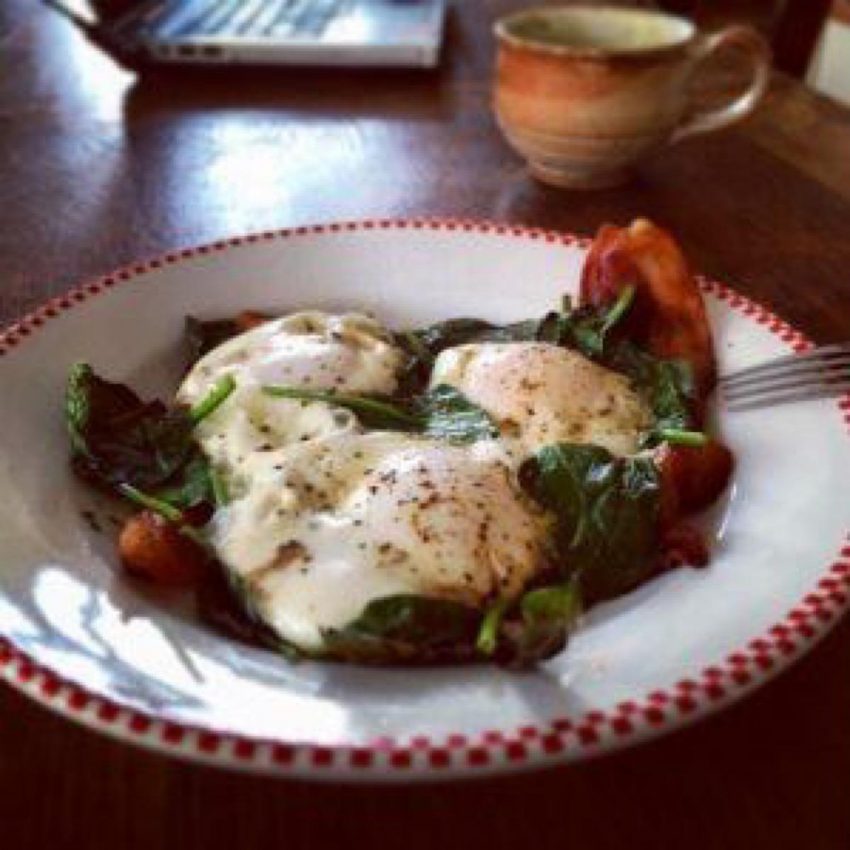
Replacing that with 30 grams of protein (roughly 3 eggs with a side of beans, or a protein shake) does several things right away. It stabilizes blood sugar through the morning. It provides satiety that lasts for hours rather than the 90 minutes you get from a bowl of cereal. And it forces your body to use protein and fat for energy rather than relying on a constant stream of glucose.
For someone in the early weeks of slow carb, this rule is one of the most impactful changes you can make. When I was coaching, clients who followed this rule consistently lost more weight in the first month than those who skipped it or did it half-heartedly. The simple act of eating protein first thing broke the cycle of carb-dependent energy that had been driving their weight gain.
If you’re just starting slow carb, follow this rule. Don’t skip it for intermittent fasting. You need to retrain your body’s relationship with food first, and the 30-gram breakfast is one of the most effective tools for doing that.
When to Consider Switching to 16:8
If You’ve Reached a Plateau
The shift to intermittent fasting made sense for me after about six months on slow carb. By that point I had lost most of my 30 pounds, I understood my macros without tracking them, and I had broken the carb-dependent breakfast habit completely.
But I was stuck. The last 5 pounds wouldn’t budge despite being strict on everything else. I was eating the right foods, avoiding domino foods, and my cheat days were reasonable. The scale just wouldn’t move.
That’s when I tried 16:8 intermittent fasting, and those last 5 pounds finally came off.
Here’s why it works at this stage. By the time you’ve been eating slow carb for several months, your body is pretty much adapted to burning fat for energy. You’re no longer dependent on frequent carb-heavy meals to function.
Extending the overnight fast from the usual 8-10 hours to 16 hours simply gives your body more time in that fat-burning state. You’re not fighting carb withdrawal because you already dealt with that months ago.
The signs that you might be ready to add intermittent fasting to your slow carb protocol:
- You’ve been on slow carb for at least 2-3 months and are comfortable with the food rules.
- You’ve stopped losing weight despite being compliant (i.e., you’ve hit a plateau).
- You’re not particularly hungry in the morning anymore (this is common after several months of high-protein eating).
- You’ve already addressed the common slow carb mistakes (too many domino foods, hidden sugars, not enough vegetables) and you’re genuinely stuck.
Meal Planning Exhaustion as a Reason to Switch
The other reason to switch is personality driven. The Slow Carb Diet already simplifies your food decisions (no white carbs, no fruit, no dairy for most people, protein and legumes at every meal). Intermittent fasting simplifies your schedule. You’re now making fewer decisions about both what to eat and when to eat, which is a real advantage for anyone who finds the constant meal-planning exhausting.
If you’re still losing weight steadily on slow carb alone, there’s no reason to add fasting. It’s a tool for plateaus and fine-tuning, not a replacement for the fundamentals. Check out this post for more methods and ideas on how to break a plateau.
How to Combine Slow Carb with 16:8 Fasting
The practical setup is straightforward. You eat your slow carb meals within an 8-hour window and fast for the remaining 16 hours. For most people this means skipping breakfast, eating a first meal around noon, and finishing dinner by 8 pm.
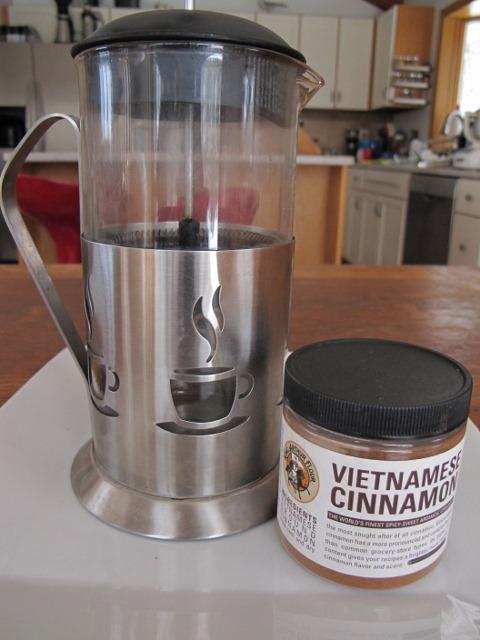
During the fasting window, you can have water, black coffee, and plain tea. Nothing with calories. Coffee with heavy cream (which Ferriss allows on slow carb) technically breaks the fast, so if you’re doing 16:8, the cream has to wait until your eating window. This is a real adjustment if you’re used to morning coffee with cream.
During the eating window, you eat the same slow carb foods you’ve been eating. Protein, legumes, vegetables, and good fats. The rules don’t change. You’re just compressing when you eat them.
A typical day for me looks like this:
- 6-7 am: Black coffee. Nothing else.
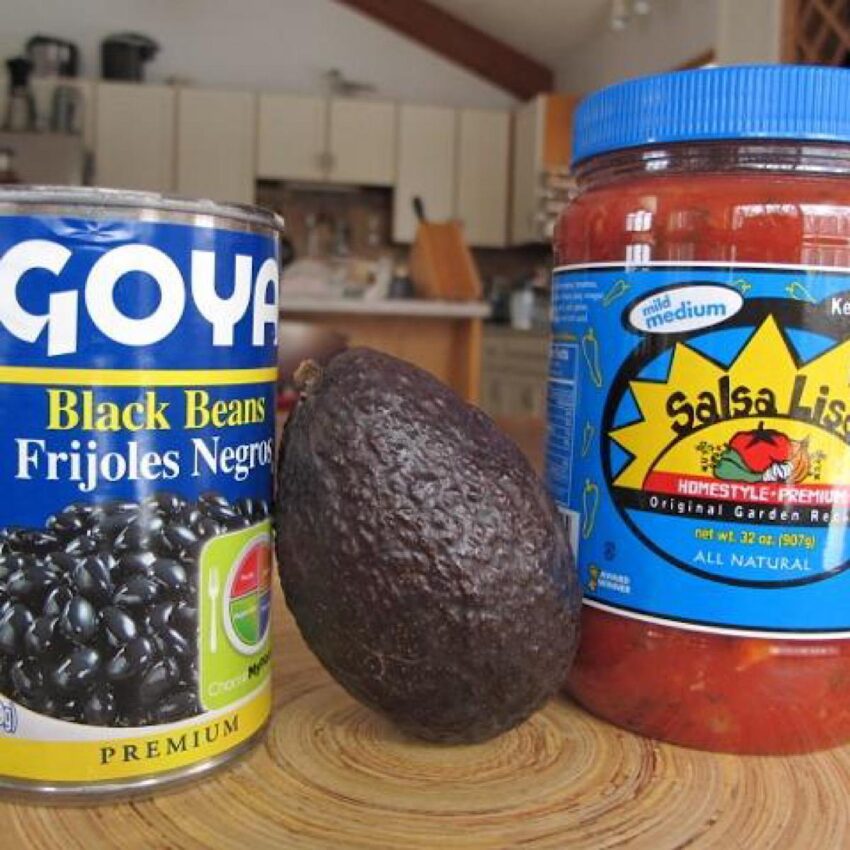
- 11 pm: First meal. Often eggs with vegetables and/or black beans, or leftovers from last night’s dinner. Sometimes I will opt for Greek yogurt and blueberries. This is a big meal with the aim of 30 grams of protein.
- 3-4 pm: A snack if I need it. Nuts, an avocado, or some cottage cheese. Sometimes a protein bar
- 7 pm: Dinner. Protein, vegetables, and sometimes beans. A normal slow carb dinner (there are tons of recipe ideas on this site, just search for your favorite protein).
- After 7 pm: Done eating until 11 am the next day. Once a week I will have some red wine.
- That’s it. The food is the same. The timing is the only thing that changed.
My recommendation: Follow the 30-grams rule for at least the first six to eight weeks of the diet. Let your body adapt. Learn the food. Get comfortable with the principles. Then, if you want to try IF, experiment with pushing breakfast back gradually and see how your body responds.
Speaking of learning the food: Here is a food list for slow carb, identifying allowed foods, domino foods and forbidden foods.
What About Cheat Day?
Cheat day is sacred on slow carb, and I don’t think you should complicate it by trying to fast.
The whole point of cheat day is psychological freedom. Eat what you want, when you want, and enjoy it without guilt. If you want pancakes on Saturday for your first meal, eat the pancakes. If you want cookies at 10 PM, have cookies at 10 PM. The weekly reset and the delayed gratification is part of what makes the Slow Carb Diet sustainable long-term.
Some people like to do a slightly longer fast the day after cheat day to help reset. I’ve done this occasionally and it feels fine, but I wouldn’t call it necessary. Your body will sort itself out over the next couple of days regardless, as long as you go right back to the rules on Sunday.
The one thing I would say about cheat day and IF: if you’ve been doing 16:8 for a while, you might find that your appetite on cheat day isn’t as wild as it used to be. Your hunger signals recalibrate over time. That’s not a problem. Just enjoy what you eat and don’t overthink it.

What Actually Breaks a Fast?
This question comes up constantly, and the answer matters if you want the metabolic benefits of fasting.
Anything with calories breaks a fast. That includes:
- Coffee with cream, butter, or MCT oil. Black coffee only during the fasting window.
- Protein shakes. Even a small one breaks the fast.
- “Just a handful” of nuts. Calories are calories.
- Bone broth. It has protein and some calories, so it breaks a true fast.
What doesn’t break a fast:
- water,
- black coffee,
- plain tea (no honey, no sweetener),
- sparkling water, and
- black or green tea.
- Some people include apple cider vinegar in water, which has negligible calories and is generally considered fine.
If you’re doing this specifically to break a weight loss plateau, be strict about the fasting window. “Mostly fasting” doesn’t deliver the same metabolic benefit as a clean fast.

Common Mistakes When Combining Slow Carb and IF
- Trying both at once from the start. If you’ve never done slow carb, adding intermittent fasting on day one is too many changes. Master the food rules first, then add the timing component later.
- Not eating enough during the eating window. Compressing your meals into 8 hours doesn’t mean eating less food overall. You still need adequate protein and calories. Undereating leads to fatigue, muscle loss, and eventually bingeing. This was one of the more common problems I saw with coaching clients who tried IF.
- Keeping the cream in your morning coffee. If you’re a “coffee with cream” person (Ferriss allows up to 2 tablespoons of heavy cream per day on slow carb), this is the hardest adjustment. But adding cream during the fasting window defeats the purpose. Switch to black coffee or wait until noon for your first cup with cream.
- Skipping cheat day because you’re fasting. Cheat day still matters. The metabolic reset and psychological relief of cheat day are important on slow carb regardless of whether you’re also fasting. On cheat day, I eat when I want and don’t worry about the fasting window.
- Extending the fast too long. 16:8 is the sweet spot for most people. Going to 18:6 or 20:4 while also eating slow carb can leave you short on calories and nutrients. Unless you have a specific reason to extend the fast, 16 hours is enough.
My Perspective
I’ve maintained my 30-pound weight loss for over a decade now. You can check out this post I wrote on my personal weight loss journey.

What I appreciate about both approaches is that they’re simple and rules-based. Ferriss built slow carb around a handful of clear rules that anyone can follow. Intermittent fasting adds one more rule: don’t eat before noon. That’s it. No complicated meal timing, no calorie counting, no special products.
The combination works because slow carb teaches you what to eat and intermittent fasting teaches you when to eat. Together they create a framework that’s sustainable for years, not just weeks.
I’m not a doctor or a nutritionist. I’m a farmer who lost weight, kept it off, and helped a lot of other people do the same. This is what worked for me and for many of the 400+ people I coached. Your body is different, and as Ferriss himself says throughout The 4-Hour Body, experiment on yourself.
If you’re managing a chronic condition, taking medications that affect blood sugar, or pregnant, talk to your doctor before adding intermittent fasting.
FAQ
Yes. Ferriss himself has moved toward promoting intermittent fasting since publishing The 4-Hour Body. The two approaches complement each other well, especially for breaking through weight loss plateaus
It can, but not necessarily from day one. The 30-gram breakfast rule is valuable for people transitioning away from carb-heavy breakfasts. Once you’ve adapted to slow carb eating and your hunger patterns have stabilized, switching to 16:8 fasting is a natural progression.
Not if you eat enough protein during your eating window. Aim for at least 30 grams of protein at each meal and include strength training in your routine. Muscle loss on intermittent fasting typically comes from undereating, not from the fasting itself.
Black coffee, yes. Coffee with cream, sweetener, or any calories, no. This is one of the harder adjustments for slow carb followers since Ferriss allows heavy cream in coffee.
I don’t fast on cheat day. The whole point of cheat day is psychological and metabolic freedom. Eat when you want on that day and resume fasting the next day.
I saw my last 5 pounds come off within about 3 weeks of adding 16:8. Most coaching clients who added fasting after a plateau saw movement within 2-4 weeks.
Similar in practice but different in structure. Slow carb allows legumes and a weekly cheat day, which keto does not. Both can be combined with 16:8 fasting. For a detailed comparison, see my post on Slow Carb vs. Keto vs. Low Carb.
Most healthy adults can do 16:8 fasting without issues. However, people with diabetes, those taking blood sugar medications, pregnant women, and anyone with a history of disordered eating should consult a healthcare provider before starting any fasting protocol.
It definitely works with low carb, but keto might be a little trickier as you want to stay in ketosis. Check out this detailed post for a comparison of slow carb vs low carb vs keto.
Interested in the Slow Carb Diet? Check out this comprehensive E-Guide on Fat Loss through a Slow Carb Diet.